
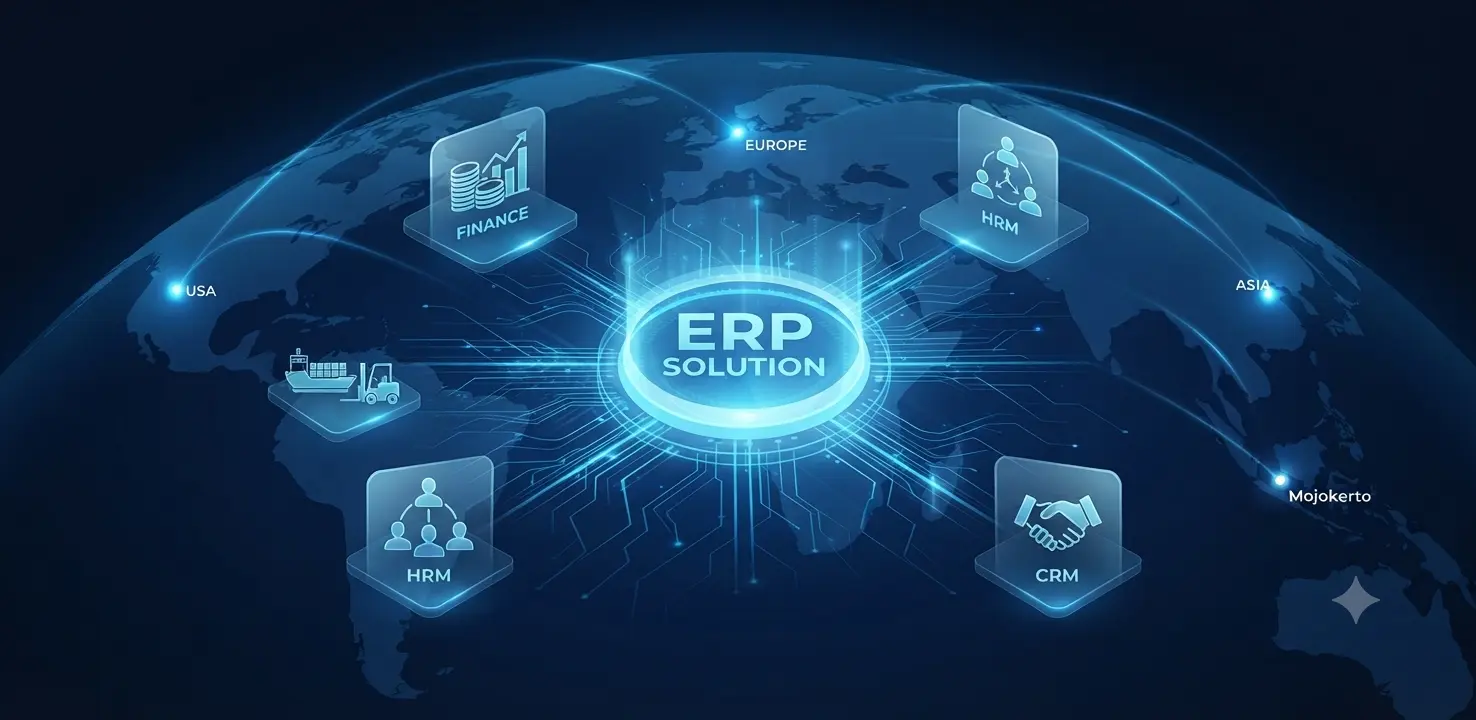
In 2026, investing in an Enterprise Resource Planning (ERP) system is one of the most significant strategic decisions an organization can make. However, the “sticker price” of software licensing is often only a fraction of the total investment. For business leaders and CFOs, understanding the full spectrum of ERP implementation costs—including consulting, data migration, and training—is essential to preventing budget overruns and ensuring a successful digital transformation.
1. The Anatomy of ERP Implementation Costs
ERP costs are generally categorized into upfront investments and recurring expenses. As a rule of thumb, implementation services (consulting, configuration, and migration) typically cost between 1x and 3x the first-year software subscription fee.
-
Software Licensing & Subscriptions: This forms the foundation of your investment, usually accounting for 25%–40% of first-year costs. Cloud-based SaaS models have largely replaced perpetual licenses, typically ranging from $40 to $200 per user monthly.
-
Implementation & Consulting Services: Consistently the largest expense, these services cover business process reengineering, system configuration, and project management. Professional consultant rates in 2026 range from $150 to $350 per hour.
-
Data Migration: Moving historical data from legacy systems is often underestimated. Costs range from $5,000 to $75,000+ depending on the volume, quality, and complexity of the data.
-
Training & Change Management: Effective adoption is the difference between ROI and project failure. Organizations should budget 10%–20% of the total budget for role-based training programs.
2. Key Factors Driving Cost Variation
The total cost of an ERP implementation can vary from $25,000 for a small business to over $5 million for a global enterprise. The primary variables include:
-
Company Size & Complexity: Larger enterprises with multiple sites and high transactional volumes face higher risks and longer deployment timelines, which directly increases consulting hours.
-
Customization Depth: Extensive custom development can add hundreds of consultant hours. Manufacturers and complex industries often face higher costs due to the need for deep integration with legacy workflows.
-
Integration Requirements: Every third-party integration (e.g., e-commerce platforms, payment gateways) typically adds $3,000 to $15,000 to the implementation bill.
3. Managing “Hidden” Costs
Many ERP projects exceed their budget due to factors that are often ignored during initial planning:
-
Scope Creep: Adding features mid-project is a primary driver of cost overruns.
-
Data Cleansing: Poor data quality in legacy systems requires significant time for cleaning and validation before migration.
-
Ongoing Maintenance: Post-live support, including monitoring, updates, and system optimization, usually adds 15%–22% of the annual license cost.
4. Strategic Planning for ROI
To maximize your investment, adopt a disciplined approach:
Executive Deep-Dive
Scaling Beyond Traffic to Revenue
Most enterprises fail because they chase clicks instead of trust. While building your global presence, ensure your EEAT 3.0 signals are synchronized across all regions.
Recommended for you:
→ The Shift from Traffic to Trust: A New KPI for Enterprise SEO-
Define Clear Objectives: Map processes to software capabilities rather than customizing the software to fit outdated legacy workflows.
-
Budget for Contingency: Always allocate a 10%–20% contingency fund to cover unforeseen technical challenges.
-
Prioritize Change Management: Invest in the human side of the transformation to ensure your team actually uses the system, which is the ultimate driver of ROI.
Conclusion
ERP implementation costs in 2026 are complex, but they are predictable with thorough planning. By accounting for the full scope—from data migration to intensive staff training—enterprises can move past the sticker shock and focus on the long-term efficiency gains. When treated as a strategic investment rather than a mere IT expense, a well-managed ERP deployment provides the foundation for sustainable growth, market agility, and long-term financial health.