
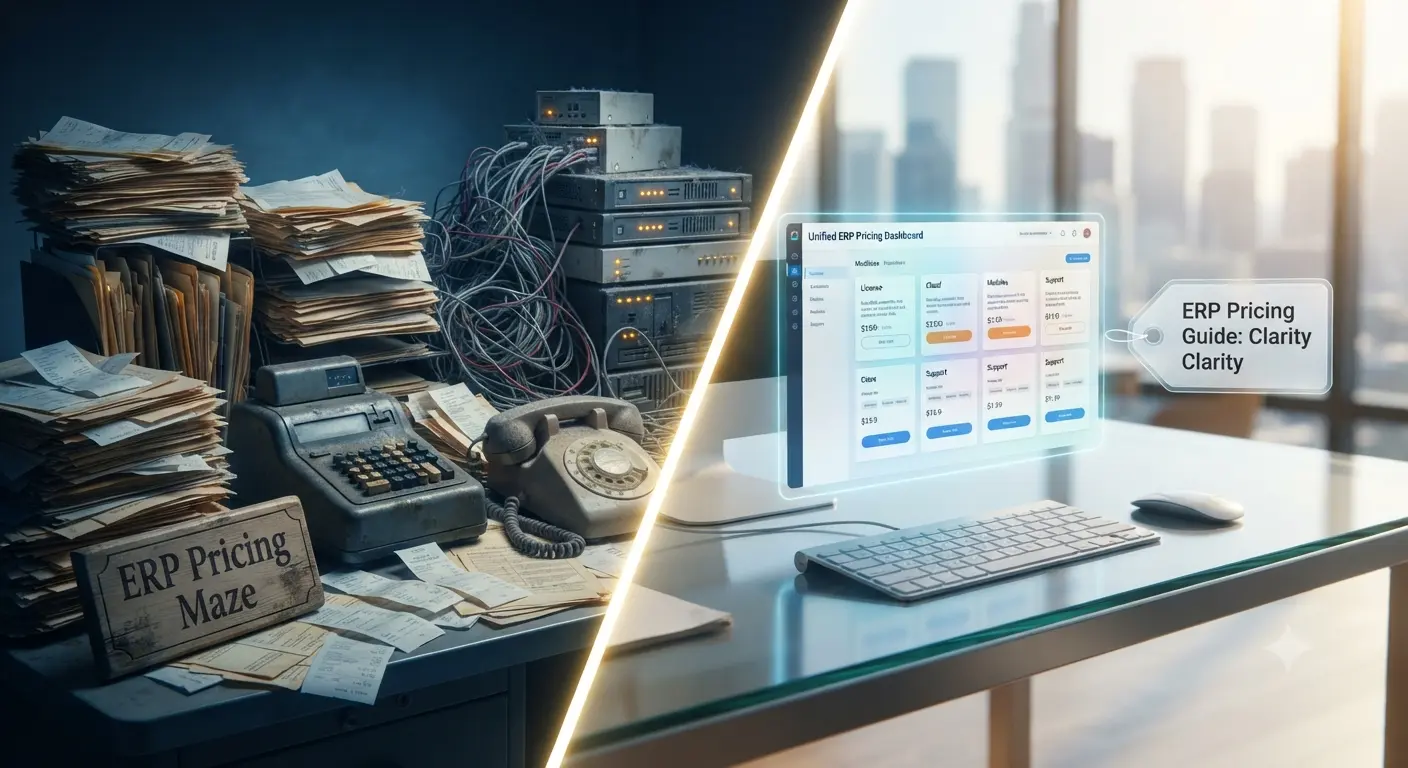
ERP Pricing Guide 2026: Cost Breakdown for Small to Enterprise Businesses
ERP pricing is one of the most important factors for businesses evaluating enterprise software. In 2026, ERP costs vary widely depending on features, scalability, and deployment models.
This guide explains ERP pricing in detail, including per-user costs, implementation fees, and total cost of ownership.
What is ERP Pricing?
ERP pricing refers to the total cost required to implement and maintain an enterprise resource planning system. This includes software licenses, subscription fees, customization, and ongoing support.
ERP Pricing Models
1. Subscription-Based (SaaS)
Most modern ERP systems use a subscription model, where businesses pay per user per month.
Executive Deep-Dive
Scaling Beyond Traffic to Revenue
Most enterprises fail because they chase clicks instead of trust. While building your global presence, ensure your EEAT 3.0 signals are synchronized across all regions.
Recommended for you:
→ The Shift from Traffic to Trust: A New KPI for Enterprise SEO2. On-Premise Licensing
Traditional ERP systems require upfront licensing costs and infrastructure investment.
3. Hybrid Models
Some vendors offer a mix of cloud and on-premise deployment options.
ERP Cost Breakdown
- Software subscription or license fees
- Implementation and setup costs
- Customization and integration
- Training and onboarding
- Maintenance and support
ERP Pricing by Business Size
Small Businesses
ERP costs typically range from $20 to $100 per user per month depending on features.
Mid-Sized Businesses
Costs can increase significantly due to customization and integration needs.
Enterprise Companies
Large organizations may spend thousands to millions of dollars annually on ERP systems.
Odoo Pricing vs Other ERP Systems
Odoo is known for its affordability compared to enterprise ERP platforms like SAP and NetSuite.
For a detailed breakdown, visit:
Odoo Pricing Guide.
Hidden Costs in ERP Implementation
Many businesses underestimate hidden costs such as customization, data migration, and ongoing maintenance.
How to Choose the Right ERP Pricing Plan
Choosing the right ERP depends on your budget, scalability needs, and business complexity.
If you are considering alternatives, explore:
Odoo Alternatives.
Real ERP Pricing Examples
To better understand ERP pricing, here are some realistic examples based on business size and requirements.
- Startup (10–20 users): $200–$1,000 per month depending on features and modules
- Mid-sized company (50–200 users): $2,000–$15,000 per month including customization
- Enterprise (500+ users): $50,000+ annually depending on complexity and integrations
These estimates vary depending on the ERP vendor, deployment type, and level of customization required.
Cloud ERP vs On-Premise Cost Comparison
Cloud ERP solutions typically have lower upfront costs but require ongoing subscription payments. In contrast, on-premise ERP systems require significant initial investment but may reduce long-term subscription expenses.
Many businesses today prefer cloud ERP due to flexibility, scalability, and lower maintenance requirements.
ERP implementation cost is a major factor in total ERP budgeting. Learn more here:
ERP Implementation Cost.
Factors That Affect ERP Pricing
Several factors can influence the total cost of an ERP system:
- Number of users
- Required modules and features
- Customization level
- Integration with third-party systems
- Deployment method (cloud vs on-premise)
Understanding these factors helps businesses estimate a more accurate ERP budget.
Real ERP Pricing Benchmarks
ERP pricing can vary significantly depending on the system and business requirements. For example, modern ERP systems typically range from $20 to $400 per user per month, depending on features and scalability.
However, software cost is only part of the total investment. Implementation costs — including setup, customization, and integration — can be 2 to 5 times higher than the software itself.
This is why businesses should evaluate total cost of ownership (TCO) instead of focusing only on subscription fees.
ERP Pricing Trends in 2026
In 2026, ERP pricing trends show a strong shift toward subscription-based models and cloud deployment. Businesses are prioritizing scalability and flexibility over large upfront investments.
Vendors are also offering modular pricing, allowing companies to pay only for the features they need.
Final Recommendation
Before choosing an ERP system, businesses should carefully evaluate their needs, budget, and long-term growth plans. A cheaper system may not always be the best option if it cannot scale with your business.
For a deeper understanding of specific ERP platforms, explore:
Odoo Pricing Guide.
Final Thoughts
ERP pricing is complex, but understanding the cost structure helps businesses make better decisions. Always consider long-term ROI rather than just upfront costs.
Last Updated on 3 weeks ago by dudung
Exclusive Early Access: Q1 2026
The Global SEO Blueprint for C-Suite
We are finalizing an exclusive strategic framework for global enterprise scaling. Join the elite waitlist for early-bird pricing.
Secure Your Priority Spot