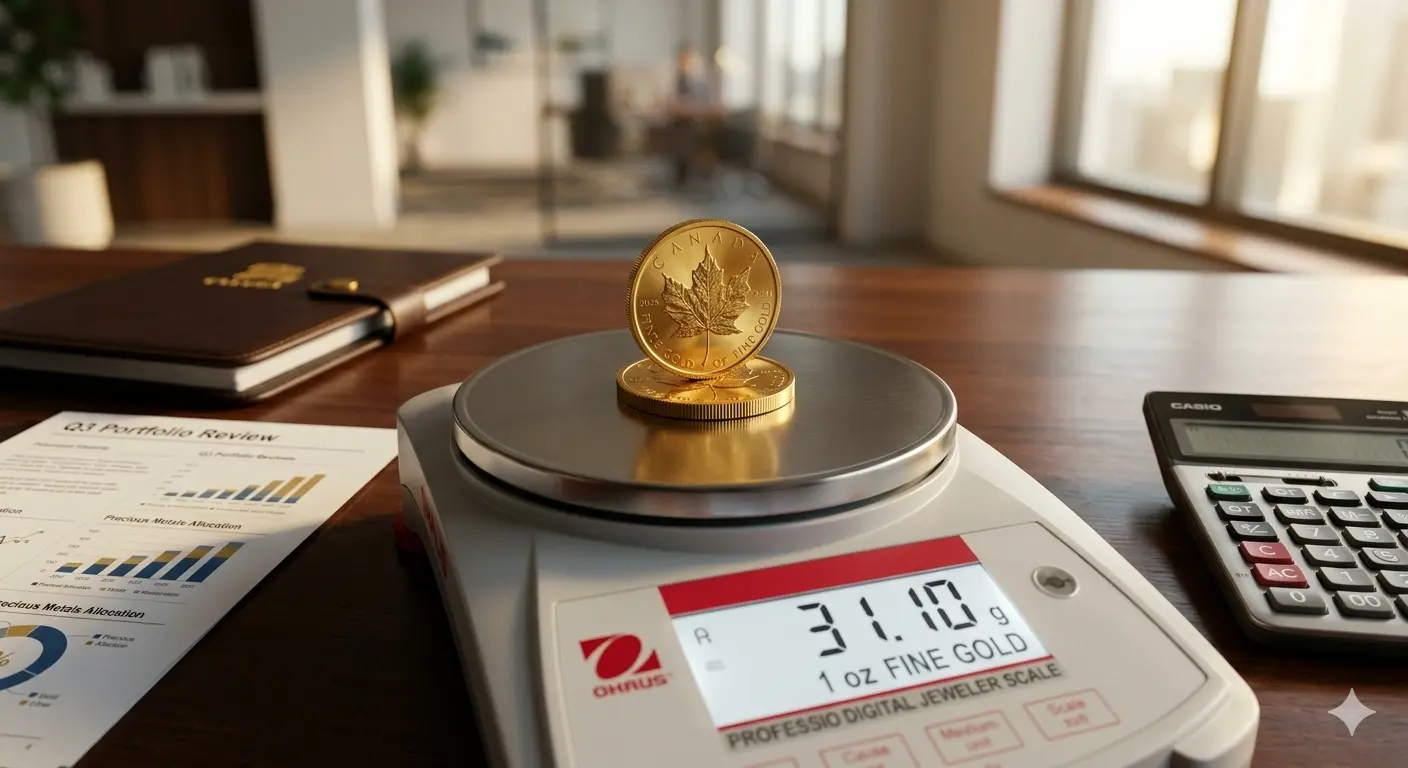
It is important to know how to calculate the real value of your gold assets because owning gold is only half the battle for financial security.
For many investors, holding physical gold is a cornerstone of financial security. However, owning gold is only half the battle; understanding its true, real-time value is crucial for effective portfolio management. As we navigate the economic complexities of 2026, knowing exactly how to calculate the value of your gold assets—beyond just a simple glance at the spot price—can be the difference between a good decision and a strategic mistake.
Beyond the Spot Price: Understanding Gold Valuation
When you check the price of gold online, you are usually looking at the “spot price.” This is the current market price for one troy ounce of pure gold available for immediate delivery. While this is your baseline, the “real value” of your personal holdings is influenced by several other factors.
1. Purity and Karatage
Not all gold is created equal. Pure gold is 24 karats, but much of the gold owned by individuals comes in lower purities (such as 18k, 14k, or 10k).
-
Formula: To find the gold content, multiply the weight of your item by its purity percentage. For example, 14k gold is approximately 58.3% pure. If you have 10 grams of 14k gold, your pure gold content is $10 \times 0.583 = 5.83$ grams of pure gold.
- gold consumption
2. The Weight Conversion
Gold is almost universally traded in troy ounces. If your gold is measured in grams, you need to convert it to troy ounces to align with global spot prices.
-
Conversion: 1 troy ounce equals approximately 31.1035 grams. Always ensure you are dividing your gram weight by this figure to get the accurate troy ounce measurement.
Factors Affecting the Realizable Value
Once you have calculated the intrinsic value (Weight $\times$ Purity $\times$ Spot Price), you must account for the factors that affect what you can actually get in a transaction.
The Premium and Spread
If you were to sell your gold today, you would rarely receive the full spot price. Dealers must factor in their own costs, profit margins, and the liquidity of the specific item. This difference between the spot price and the dealer’s buy price is known as the “spread.” A highly liquid item, such as a standard 1oz gold coin, will have a tighter spread than a unique piece of jewelry or an obscure bullion bar.
Numismatic and Historical Value
Some gold assets, particularly rare coins, carry a premium based on their historical significance, rarity, and condition. Calculating the value of these items requires looking at market auction data rather than just the weight of the metal. If your asset has numismatic value, the “real value” is often significantly higher than its melt value.
Step-by-Step Calculation Methodology
To determine the real value of your assets, follow this professional workflow:
-
Categorize Your Holdings: Separate your gold into bullion (bars/coins), jewelry, and numismatic items.
-
Determine Purity: Use hallmarks or professional testing to verify the karatage of each piece.
-
Weigh Precisely: Use a digital scale calibrated to at least 0.01 grams.
-
Check Current Market Data: Use a reputable, real-time source for the current spot price of gold in your local currency.
-
Apply the Valuation Formula:
$$Real Value \approx (Weight \times Purity \times Spot Price) – Dealer Spread$$ -
Adjust for Condition: If the item is jewelry, deduct a percentage for potential refining costs. If it is a coin, research its current market premium.
Why This Matters in 2026
The economic environment of 2026 demands precision. With central banks continuing their massive accumulation of gold, market premiums and spreads can fluctuate. Understanding your personal “buy-in” and current “realizable value” allows you to rebalance your portfolio effectively. If you are holding gold as an insurance policy, knowing its precise liquid value ensures that you understand exactly how much purchasing power you have available during potential market stress.
Protecting Your Valuation Data
Maintain a digital or physical inventory of your gold assets. Include the weight, purity, date of purchase, and original premium paid. This ledger serves two purposes: it helps you track your portfolio’s performance over time, and it is an invaluable tool for insurance purposes. Should your assets be lost or stolen, having a detailed, calculated record of your holdings is necessary to ensure fair reimbursement.
Conclusion
Calculating the real value of your gold is more than a mathematical exercise; it is an act of disciplined asset management. By moving beyond the generic spot price and accounting for purity, weight, premiums, and spreads, you gain a clear, honest view of your wealth. Whether you are holding gold for generational security or strategic diversification, this knowledge empowers you to make informed decisions with confidence.