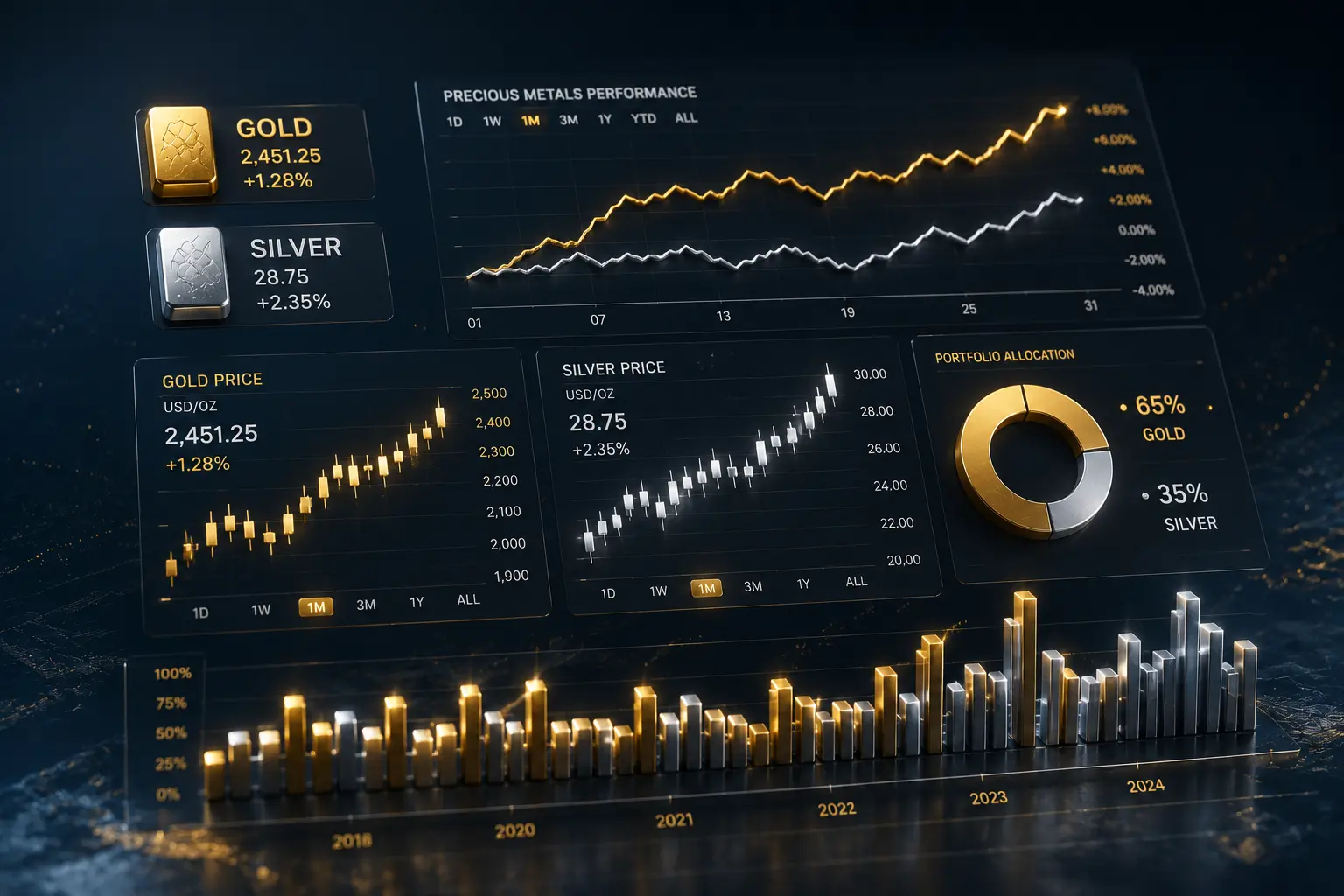
For long-term investors, the allure of gold lies in its ability to anchor a portfolio during periods of extreme market turbulence. However, storing physical bullion is not always practical or cost-effective for everyone. This is where Gold Exchange-Traded Funds (ETFs) come into play. They offer the most liquid, convenient, and cost-efficient way to gain exposure to gold price movements without the logistical headaches of physical storage. As we analyze the market mid-2026, here are the best gold ETFs for long-term investors looking to strengthen their financial future.
Why Gold ETFs Are Essential for 2026
The year 2026 has been defined by a pivot in global monetary policy and a heightened focus on risk-adjusted returns. For a long-term investor, gold ETFs serve three distinct functions:
-
Liquidity: You can buy or sell shares instantly during market hours, unlike physical gold which may require finding a dealer and arranging secure transport.
-
Cost Efficiency: With expense ratios often below 0.50%, holding gold via an ETF is significantly cheaper than the insurance and storage costs associated with large amounts of physical gold.
-
Portfolio Diversification: Gold historically maintains a low correlation with equities. Integrating these ETFs into a diversified strategy helps lower the overall volatility of your holdings.
Criteria for Selecting the Best Gold ETFs
Not all gold ETFs are structured in the same way. When identifying the “best” options, investors should prioritize:
-
Asset Backing: The best ETFs are backed by actual physical gold bars held in secure vaults.
-
Expense Ratio: The lower the fee, the more of the gold’s performance you actually capture.
-
Trading Volume (Liquidity): High volume ensures that the “bid-ask spread” is tight, meaning you aren’t losing money on every trade due to price inefficiencies.
Top Gold ETFs for Long-Term Holdings
While this list is for informational purposes and does not constitute financial advice, the following ETFs consistently rank among the most robust for institutional and retail investors.
1. SPDR Gold Shares (GLD)
As the largest and most liquid gold ETF, GLD remains the industry standard. Its massive size and trading volume make it the preferred choice for traders and institutional investors who require instant execution. For a long-term investor, its ease of use is its greatest strength.
2. iShares Gold Trust (IAU)
IAU is often favored by long-term investors due to its lower expense ratio compared to GLD. Because it is designed to hold smaller denominations of gold per share, it is often more accessible for retail investors looking to build their positions over time.
3. Aberdeen Standard Physical Gold Shares ETF (SGOL)
SGOL is frequently cited for its focus on physical transparency. Its physical bars are audited regularly, providing an extra layer of confidence for investors who are concerned about the “paper gold” versus “physical gold” debate.
Integrating Gold ETFs into a Long-Term Strategy
Buying the right ETF is only the first step. Long-term success in 2026 and beyond requires a disciplined strategy:
-
Dollar Cost Averaging (DCA): Gold can be volatile in the short term. By investing a fixed dollar amount at regular intervals, you avoid the risk of buying only at market peaks.
-
Rebalancing: If your gold position grows to represent a larger portion of your portfolio than intended due to price appreciation, rebalance by selling a portion and moving funds into undervalued assets.
-
Tax Considerations: In many jurisdictions, gold ETFs are taxed as “collectibles” rather than standard equities, which can lead to a higher capital gains tax rate. Always consult with a tax professional to understand the implications for your specific account type.
Managing Expectations for 2026 and Beyond
Investors should view gold ETFs as a defensive play rather than a speculative growth asset. Gold does not generate dividends, earnings, or cash flow. Its value is entirely derived from market demand. In 2026, the best use of these ETFs is to offset the systemic risks of a global economy that is still adjusting to high interest rates and shifting trade dynamics.
Conclusion
The best gold ETFs for long-term investors in 2026 are those that combine low costs, high physical transparency, and superior liquidity. Whether you choose a heavyweight like GLD or a cost-conscious option like IAU, the goal remains the same: building a resilient portfolio that can withstand market shocks. By choosing the right vehicle and maintaining a long-term outlook, you can effectively leverage gold to preserve your wealth for decades to come.