
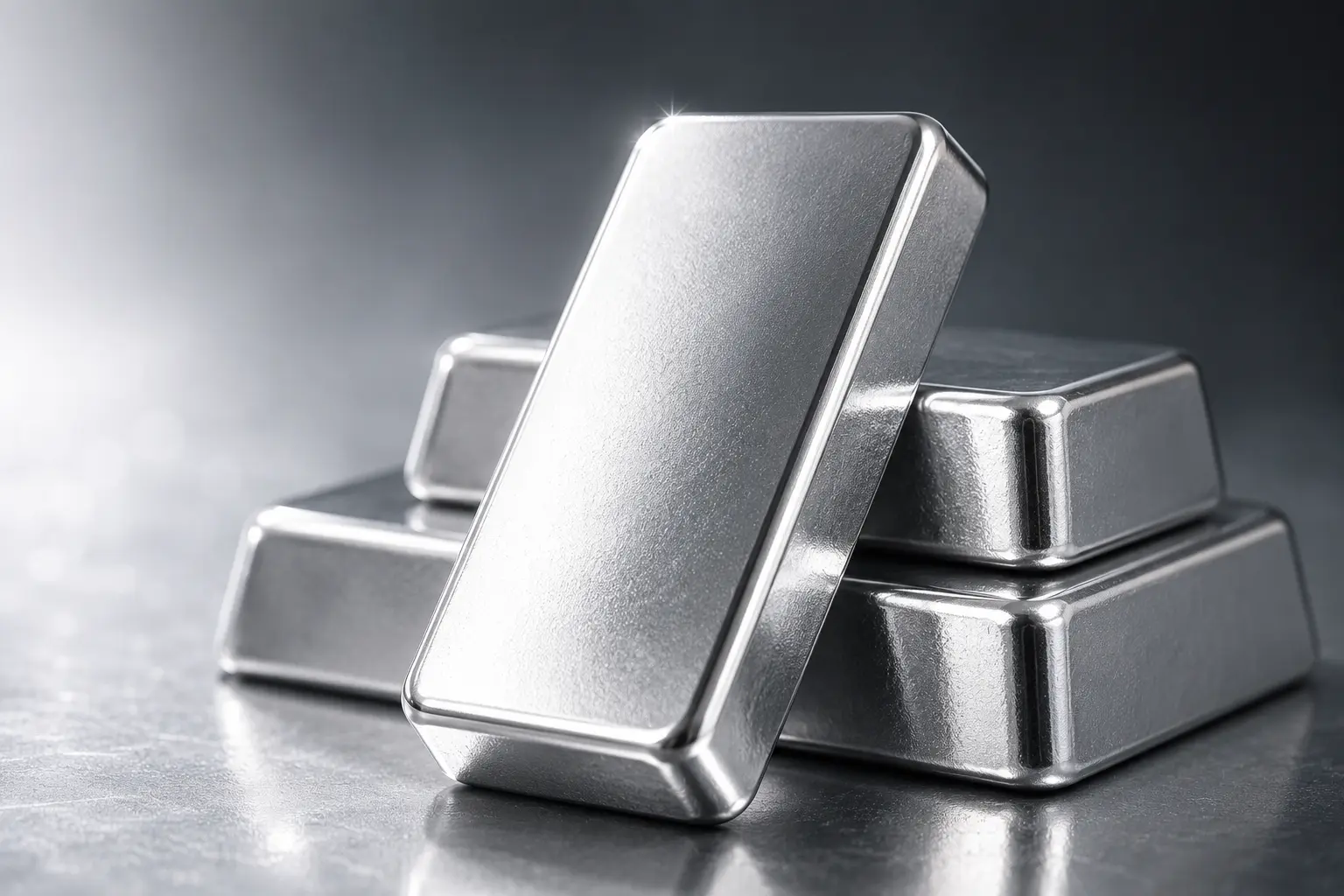
For those looking to diversify their wealth beyond traditional paper assets, building a physical silver portfolio is a foundational step. While stocks, bonds, and real estate are standard components of modern finance, physical silver offers something unique: tangible, intrinsic value that exists entirely outside the digital financial system. In 2026, as investors seek stability amidst economic shifts, understanding how to construct a silver portfolio—and doing so intelligently—is more vital than ever.
Why Physical Silver?
Before diving into the “how,” it is important to understand the “why.” Physical silver serves as both a hedge against inflation and a store of value. Unlike “digital silver” (such as ETFs or certificates), owning physical bullion means you hold an asset with no counterparty risk. If the financial system experiences a shock, your physical silver remains yours, fully under your control.
Step 1: Establish Your Investment Goals
Your strategy should depend on your ultimate goal. Are you building a portfolio for long-term wealth preservation, or are you looking for tactical gains based on market cycles?
-
For Wealth Preservation: Focus on recognized, high-purity bullion (99.9% silver or higher). Prioritize government-minted coins, which are easily recognized and liquid worldwide.
-
For Capital Appreciation: Some investors prefer “junk silver” (pre-1965 U.S. silver coins) or larger bars, which often carry lower premiums compared to government-minted coins, allowing you to acquire more ounces per dollar.
Step 2: Understand the Premium
This is where beginners most often stumble. The “spot price” of silver is the raw price of the metal on the global market. However, you will never pay exactly the spot price.
Dealers charge a premium above the spot price to cover the costs of minting, distribution, insurance, and profit.
Executive Deep-Dive
Scaling Beyond Traffic to Revenue
Most enterprises fail because they chase clicks instead of trust. While building your global presence, ensure your EEAT 3.0 signals are synchronized across all regions.
Recommended for you:
→ The Shift from Traffic to Trust: A New KPI for Enterprise SEO-
Lower Premiums: Large silver bars (10 oz, 100 oz) generally have lower premiums because they are cheaper to manufacture relative to their weight.
-
Higher Premiums: Small, artistic, or government-minted coins carry higher premiums due to the craftsmanship and security features involved.
Pro-tip: As a beginner, focus on “cost-per-ounce.” Calculate the total price of the item divided by the number of troy ounces, then compare that across different products to find the best deal.
Step 3: Choose Your Product Mix
A well-rounded portfolio typically contains a mix of three categories:
-
Government-Minted Bullion Coins: (e.g., American Silver Eagles, Canadian Silver Maples). These are the most liquid. If you ever need to sell, every dealer in the world will recognize and accept them immediately.
-
Private Mint Bars and Rounds: These are excellent for accumulating weight. They are often cheaper than government coins and are highly efficient for wealth accumulation.
-
Fractional Silver: Having a portion of your portfolio in smaller weights (e.g., 1 oz bars) provides flexibility. If you ever need to liquidate a portion of your wealth to pay for small expenses, you won’t have to sell a massive 100 oz bar.
Step 4: Secure Your Assets
As your portfolio grows, storage security becomes paramount.
-
The Beginner Setup: A high-quality, fireproof safe bolted to the floor in a discreet, non-obvious location in your home is the standard starting point.
-
The Protocol: Never discuss your holdings publicly. The best security for physical silver is anonymity.
Step 5: Master the Art of DCA (Dollar-Cost Averaging)
The silver market can be volatile. Instead of trying to guess the “perfect” time to buy, use a Dollar-Cost Averaging (DCA) strategy. Commit to buying a specific dollar amount of silver every month, regardless of the price.
-
When prices are high, you buy fewer ounces.
-
When prices are low, you buy more. Over time, this strategy smooths out the price volatility and ensures you are consistently building your position without the stress of daily market watching.
Step 6: Maintain Records
Treat your physical silver like a business. Maintain a simple spreadsheet recording:
-
Date of purchase.
-
Product description.
-
Purchase price (including premiums and shipping).
-
Current spot price (for periodic valuation). This is not only useful for your own tracking but is also critical for calculating your cost basis when it eventually comes time to sell or pass the assets to your heirs.
The Bottom Line
Building a physical silver portfolio is a marathon, not a sprint. By focusing on low-premium bullion, maintaining disciplined accumulation, and prioritizing secure storage, you can build a resilient, tangible asset base that provides peace of mind in any economic environment. Start small, stay consistent, and remember: in the world of hard assets, slow and steady truly does win the race.
Exclusive Early Access: Q1 2026
The Global SEO Blueprint for C-Suite
We are finalizing an exclusive strategic framework for global enterprise scaling. Join the elite waitlist for early-bird pricing.
Secure Your Priority Spot