
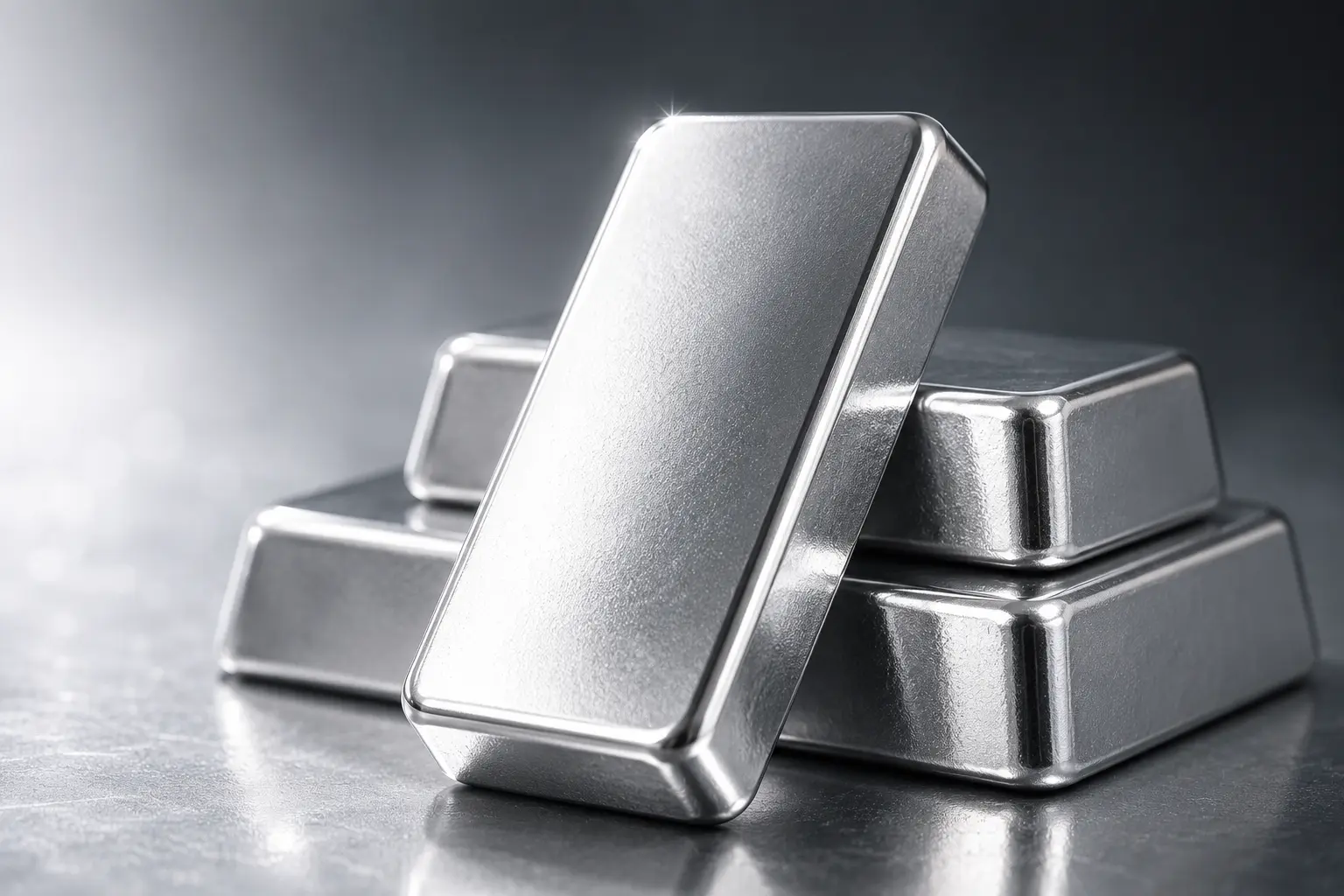
In the world of precious metals, gold has long held the title of the ultimate “safe haven.” It is the cornerstone of central bank reserves and the timeless barometer for economic anxiety. However, as we move through 2026, a growing number of sophisticated investors are questioning whether silver might actually be a superior hedge. While gold provides stability, silver offers something potentially more lucrative during times of economic transition: high-beta volatility and dual-sector demand.
Deciding whether silver is a “better” hedge than gold in 2026 requires an understanding of how these two metals react to the specific macroeconomic pressures of our current era.
The Case for Gold: The Monetary Anchor
Gold’s status as a hedge is rooted in its role as an alternative currency. It has no industrial use of significance, meaning its price is almost entirely driven by investment sentiment, central bank purchasing, and inflation expectations.
-
Deflationary Protection: Gold historically shines when the monetary system faces a crisis of confidence. When investors fear that fiat currencies are being devalued, they flock to gold because it is the “neutral” asset that no government can easily manipulate or increase in supply.
-
Volatility Mitigation: Gold is less volatile than silver. If your primary goal is wealth preservation with minimal sleepless nights, gold remains the superior choice. It moves in a predictable, measured fashion, making it the bedrock of a conservative portfolio.
The Case for Silver: The High-Beta Hedge
Silver’s “hedge” status is more complex. In 2026, silver is not just a monetary metal; it is a critical industrial commodity. This creates a “double-edged” hedge that gold simply does not possess.
-
Industrial Demand as a Floor: Because silver is essential for solar energy, AI hardware, and medical technology, its price is supported by real-world consumption. When the economy is growing, industrial demand drives silver higher. When the economy is contracting, silver still maintains value due to its monetary role.
-
The “Leverage” Effect: Silver is often referred to as “gold on steroids.” Because the market for silver is much smaller and more liquid than the gold market, silver tends to move with much higher intensity. During periods of rampant inflation, silver has historically outperformed gold in terms of percentage gains, acting as an amplifier for the inflationary signal.
Comparative Dynamics in 2026
As of 2026, the global economy is grappling with structural supply-side challenges. This environment shifts the advantage in favor of silver for three key reasons:
Executive Deep-Dive
Scaling Beyond Traffic to Revenue
Most enterprises fail because they chase clicks instead of trust. While building your global presence, ensure your EEAT 3.0 signals are synchronized across all regions.
Recommended for you:
→ The Shift from Traffic to Trust: A New KPI for Enterprise SEO1. The Energy Transition
The global push toward net-zero emissions is a permanent, structural shift. This requires a massive, sustained supply of silver. Gold has no equivalent demand driver. As we look ahead, this ensures that even during economic lulls, there is a “buyer of last resort” for silver in the manufacturing sector.
2. The Gold-to-Silver Ratio (GSR)
The GSR remains the most effective tool for tactical allocation. When the ratio is historically high, it indicates that gold is relatively expensive and silver is historically cheap. Sophisticated investors often use this ratio to “swap” between the two metals, accumulating silver when it is undervalued and shifting back to gold when silver has had an explosive rally.
3. Supply Scarcity
Silver is largely mined as a by-product of base metals (copper, lead, zinc). Unlike gold miners, who can ramp up production if the price is right, silver supply is locked to the fortunes of base metal mining. In 2026, with the high demand for copper for energy grids, the silver supply remains inelastic. This scarcity is a powerful hedge against debasement that is largely unique to silver.
Which Hedge is Right for Your Portfolio?
The choice between gold and silver is not a binary one; it is a question of your financial objective.
-
Choose Gold if: Your objective is pure wealth preservation, risk mitigation, and protection against catastrophic financial system collapse. Gold is your “insurance policy.”
-
Choose Silver if: You are seeking an inflationary hedge that has the potential to generate capital appreciation. Silver is your “growth-oriented insurance.”
The Bottom Line
In 2026, silver can be considered a “better” hedge than gold for the investor who understands the interplay between monetary policy and industrial demand. While gold protects you from the system breaking, silver protects you from the system evolving.
By diversifying into silver, you are not just hedging against inflation—you are investing in the essential building blocks of the future economy. For most portfolios, the most prudent approach is to treat gold as the foundation and silver as the tactical growth component, ensuring you are protected regardless of which direction the market moves next.
Exclusive Early Access: Q1 2026
The Global SEO Blueprint for C-Suite
We are finalizing an exclusive strategic framework for global enterprise scaling. Join the elite waitlist for early-bird pricing.
Secure Your Priority Spot