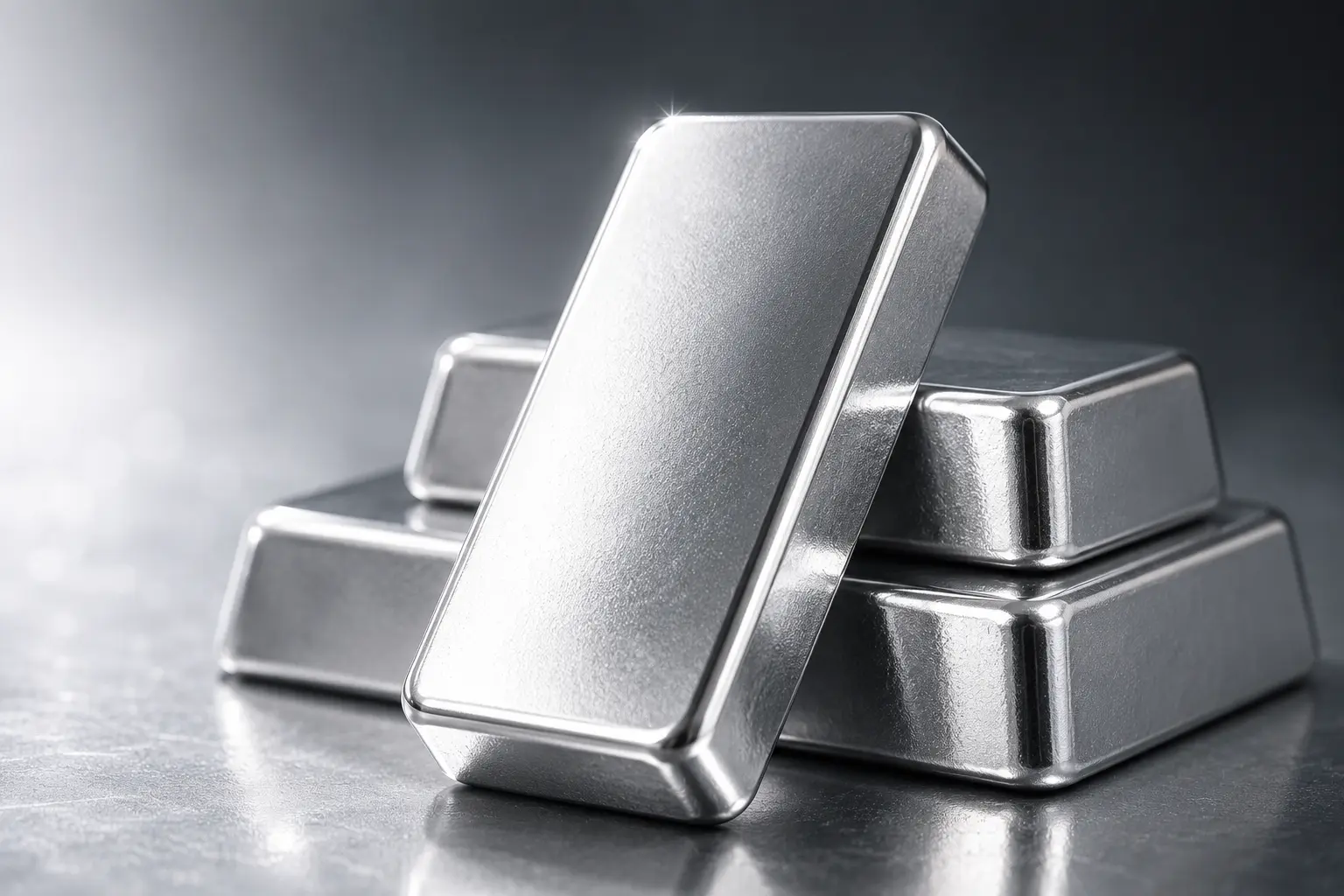
Is Silver a Better Hedge Than Gold in 2026? A Comparative Analysis

silver

In the world of precious metals, gold has long held the title of the ultimate “safe haven.” It is the cornerstone of central bank reserves and the timeless barometer for economic anxiety. However, as we move through 2026, a growing number of sophisticated investors are questioning whether silver might actually be a superior hedge. While gold provides stability, silver offers something potentially more lucrative during times of economic transition: high-beta volatility and dual-sector demand.

Deciding whether silver is a “better” hedge than gold in 2026 requires an understanding of how these two metals react to the specific macroeconomic pressures of our current era.

The Case for Gold: The Monetary Anchor

Gold’s status as a hedge is rooted in its role as an alternative currency. It has no industrial use of significance, meaning its price is almost entirely driven by investment sentiment, central bank purchasing, and inflation expectations.

  • Deflationary Protection: Gold historically shines when the monetary system faces a crisis of confidence. When investors fear that fiat currencies are being devalued, they flock to gold because it is the “neutral” asset that no government can easily manipulate or increase in supply.

  • Volatility Mitigation: Gold is less volatile than silver. If your primary goal is wealth preservation with minimal sleepless nights, gold remains the superior choice. It moves in a predictable, measured fashion, making it the bedrock of a conservative portfolio.

The Case for Silver: The High-Beta Hedge

Silver’s “hedge” status is more complex. In 2026, silver is not just a monetary metal; it is a critical industrial commodity. This creates a “double-edged” hedge that gold simply does not possess.

  • Industrial Demand as a Floor: Because silver is essential for solar energy, AI hardware, and medical technology, its price is supported by real-world consumption. When the economy is growing, industrial demand drives silver higher. When the economy is contracting, silver still maintains value due to its monetary role.

  • The “Leverage” Effect: Silver is often referred to as “gold on steroids.” Because the market for silver is much smaller and more liquid than the gold market, silver tends to move with much higher intensity. During periods of rampant inflation, silver has historically outperformed gold in terms of percentage gains, acting as an amplifier for the inflationary signal.

Comparative Dynamics in 2026

As of 2026, the global economy is grappling with structural supply-side challenges. This environment shifts the advantage in favor of silver for three key reasons:

1. The Energy Transition

The global push toward net-zero emissions is a permanent, structural shift. This requires a massive, sustained supply of silver. Gold has no equivalent demand driver. As we look ahead, this ensures that even during economic lulls, there is a “buyer of last resort” for silver in the manufacturing sector.

2. The Gold-to-Silver Ratio (GSR)

The GSR remains the most effective tool for tactical allocation. When the ratio is historically high, it indicates that gold is relatively expensive and silver is historically cheap. Sophisticated investors often use this ratio to “swap” between the two metals, accumulating silver when it is undervalued and shifting back to gold when silver has had an explosive rally.

3. Supply Scarcity

Silver is largely mined as a by-product of base metals (copper, lead, zinc). Unlike gold miners, who can ramp up production if the price is right, silver supply is locked to the fortunes of base metal mining. In 2026, with the high demand for copper for energy grids, the silver supply remains inelastic. This scarcity is a powerful hedge against debasement that is largely unique to silver.

Which Hedge is Right for Your Portfolio?

The choice between gold and silver is not a binary one; it is a question of your financial objective.

  • Choose Gold if: Your objective is pure wealth preservation, risk mitigation, and protection against catastrophic financial system collapse. Gold is your “insurance policy.”

  • Choose Silver if: You are seeking an inflationary hedge that has the potential to generate capital appreciation. Silver is your “growth-oriented insurance.”

The Bottom Line

In 2026, silver can be considered a “better” hedge than gold for the investor who understands the interplay between monetary policy and industrial demand. While gold protects you from the system breaking, silver protects you from the system evolving.

By diversifying into silver, you are not just hedging against inflation—you are investing in the essential building blocks of the future economy. For most portfolios, the most prudent approach is to treat gold as the foundation and silver as the tactical growth component, ensuring you are protected regardless of which direction the market moves next.

Tax Implications of Investing in Silver: What You Must Know in 2026

silver

For many investors, the allure of silver lies in its ability to protect wealth against the eroding effects of inflation. However, behind the shiny exterior of bullion bars and coins lies a complex regulatory framework. Understanding the tax implications of investing in silver is not just a matter of compliance—it is a critical component of your overall return on investment (ROI). In 2026, as tax authorities globally increasingly scrutinize alternative assets, it is vital for investors to understand how their precious metal holdings are taxed.

The “Collectibles” Classification

The most important concept to understand is how the IRS (in the U.S.) and similar tax bodies elsewhere categorize silver. In many jurisdictions, silver is classified as a “collectible.”

Unlike stocks or bonds, which are generally taxed at favorable long-term capital gains rates if held for more than a year, collectibles are often subject to a different tax regime. In the U.S., for instance, gains from the sale of silver bullion can be taxed at a maximum federal rate of 28%, which is significantly higher than the standard long-term capital gains rate for other assets. This distinction is crucial because it significantly impacts the net profit an investor keeps after a successful trade.

Taxable Events: When Do You Owe Taxes?

You do not owe taxes simply by owning silver. The tax obligation is triggered by a taxable event, which typically occurs when you dispose of your silver holdings.

  • Selling for Profit: When you sell your silver to a dealer, a private buyer, or an exchange, the difference between your “cost basis” (the original purchase price plus any transaction costs) and the “selling price” is your capital gain.

  • Bartering: Using silver directly to purchase goods or services is also considered a taxable event. The IRS views this as selling the silver for its fair market value at the time of the transaction, and any gain realized must be reported.

Strategies for Tax Efficiency

While you cannot avoid taxes, you can proactively manage them to optimize your long-term returns. Here are common strategies employed by sophisticated investors:

1. The Power of Long-Term Holding

Because tax rates can fluctuate and specific exemptions may apply based on the duration of ownership, holding silver as a long-term strategic asset is generally more tax-efficient than short-term speculative trading. Long-term holdings also help weather the inherent volatility of the precious metals market.

2. Utilizing Tax-Advantaged Accounts

One of the most effective ways to mitigate the high “collectibles” tax rate is to hold your silver within a Self-Directed IRA (SDIRA). By doing this, you defer taxes on your gains until you take distributions in retirement. This allows your silver holdings to grow without the immediate tax burden of annual capital gains, providing a compound growth effect over time.

3. Record-Keeping: Your Best Defense

The burden of proof rests entirely on you. If you cannot prove your cost basis, the tax authority may assume your entire selling price is pure profit, leading to a much higher tax bill than necessary.

  • Keep all receipts: Save the original purchase invoice for every bar or coin.

  • Document transaction fees: Shipping, insurance, and dealer premiums can often be added to your cost basis, effectively lowering your taxable gain.

Reporting Requirements

If you sell significant quantities of silver, dealers may be required to file Form 1099-B with the IRS. Always ensure you are working with reputable dealers who provide clear, documented records of your transactions. If you are ever unsure about your reporting requirements, consulting with a tax professional who specializes in precious metals is a non-negotiable step to avoid penalties.

tax cloud review

The Bottom Line

Silver is an exceptional asset for portfolio diversification and wealth preservation, but it is not “tax-free.” By recognizing the 28% collectibles tax rate (or your local equivalent), utilizing tax-advantaged accounts like an SDIRA, and maintaining meticulous records, you can ensure that your silver investments remain a net benefit to your financial future rather than a tax-time headache. As we look ahead to the rest of 2026, informed planning remains your greatest asset.

Gold vs Silver: Which Precious Metal Offers Better Returns?

Gold vs silver

When analyzing precious metals, the debate of gold vs silver often leaves investors questioning which asset offers superior long-term returns.

In the world of precious metals, gold and silver are the undisputed titans. Both have served as money, stores of value, and hedges against economic turbulence for millennia. However, for the modern investor, they represent fundamentally different vehicles for wealth management. As we navigate the complex market dynamics of 2026, many are asking: Gold vs silver—which one actually offers better returns? The answer is nuanced, depending on your risk tolerance, investment horizon, and economic outlook.

The Distinct Roles of Gold and Silver

To choose between them, we must first understand their character. Gold is widely regarded as a “monetary metal.” Its primary function is wealth preservation. It is held by central banks, used as a currency reserve, and sought after when investors fear systemic collapse.

Silver, on the other hand, is a “hybrid metal.” While it shares gold’s history as money, approximately 50% to 60% of annual silver demand comes from industrial applications. From solar panels and electric vehicles to medical equipment and electronics, silver is essential to the modern economy. This industrial utility makes silver significantly more volatile than gold, as its price is sensitive to both economic growth and financial sentiment.

Performance Profiles: Stability vs. Volatility

When investors weigh gold vs silver returns, they are essentially choosing between consistency and high-alpha potential.

The Case for Gold: The Ultimate Hedge

Gold rarely offers the “moonshot” returns of high-growth tech stocks, but it provides something equally valuable: lack of correlation. Gold tends to perform best when traditional markets are faltering. Its liquidity is unmatched, and its historical performance as a hedge against inflation is well-documented. For an investor focused on capital preservation, gold is the foundation of a robust portfolio.

The Case for Silver: The High-Beta Play

Silver is often called “gold on steroids.” Because the silver market is much smaller than the gold market, it takes significantly less capital to move its price. In a bull market for precious metals, silver historically outperforms gold, often delivering double or triple the gains. However, this sword cuts both ways. During market corrections, silver can fall much harder and faster than its yellow counterpart.

The Gold-to-Silver Ratio: A Key Analytical Tool

For professional investors, the “Gold-to-Silver Ratio” is the most important metric when deciding where to allocate capital. This ratio represents how many ounces of silver it takes to buy one ounce of gold.

  • When the ratio is high (e.g., above 80): Historically, this suggests that silver is undervalued relative to gold. Many investors view this as a “buy signal” for silver.

  • When the ratio is low (e.g., below 50): This often indicates that silver has become expensive compared to gold, and it may be time to shift allocations back into the relative safety of gold.

In 2026, monitoring this ratio is essential for anyone looking to maximize their returns through tactical rebalancing.

Risk Management: How Much Exposure?

Should your portfolio lean toward gold or silver? A common strategy is to hold gold as the core anchor and use silver as a tactical satellite.

  • The Conservative Portfolio: A 10% allocation in precious metals, with 80% of that in gold and 20% in silver. This prioritizes safety while allowing for some upside potential.

  • The Aggressive Portfolio: A 10-15% allocation, with a 50/50 split between gold and silver. This is for investors who are confident in the industrial demand for silver and are comfortable with higher price swings.

Tax and Storage Considerations

It is important to remember that physical silver requires much more storage space than gold. If you are buying physical bullion, the cost of storing $10,000 worth of silver is significantly higher than storing $10,000 worth of gold, as silver is bulkier and more prone to tarnishing. For retail investors without secure home vaults, silver ETFs or allocated digital gold accounts are often more practical.

Conclusion: Which Offers Better Returns?

Gold vs silver is not a binary choice of “better” or “worse”; it is a choice of “what suits your goals?” If you seek wealth preservation and peace of mind during economic uncertainty, gold remains the king of precious metals. If you seek to leverage economic growth, industrial innovation, and higher volatility for potentially superior returns, silver is the superior vehicle.

In 2026, the wisest approach for many is to own both. By balancing the stability of gold with the growth potential of silver, you position your portfolio to withstand market shocks while remaining ready to capture the upside of a precious metals bull market.