
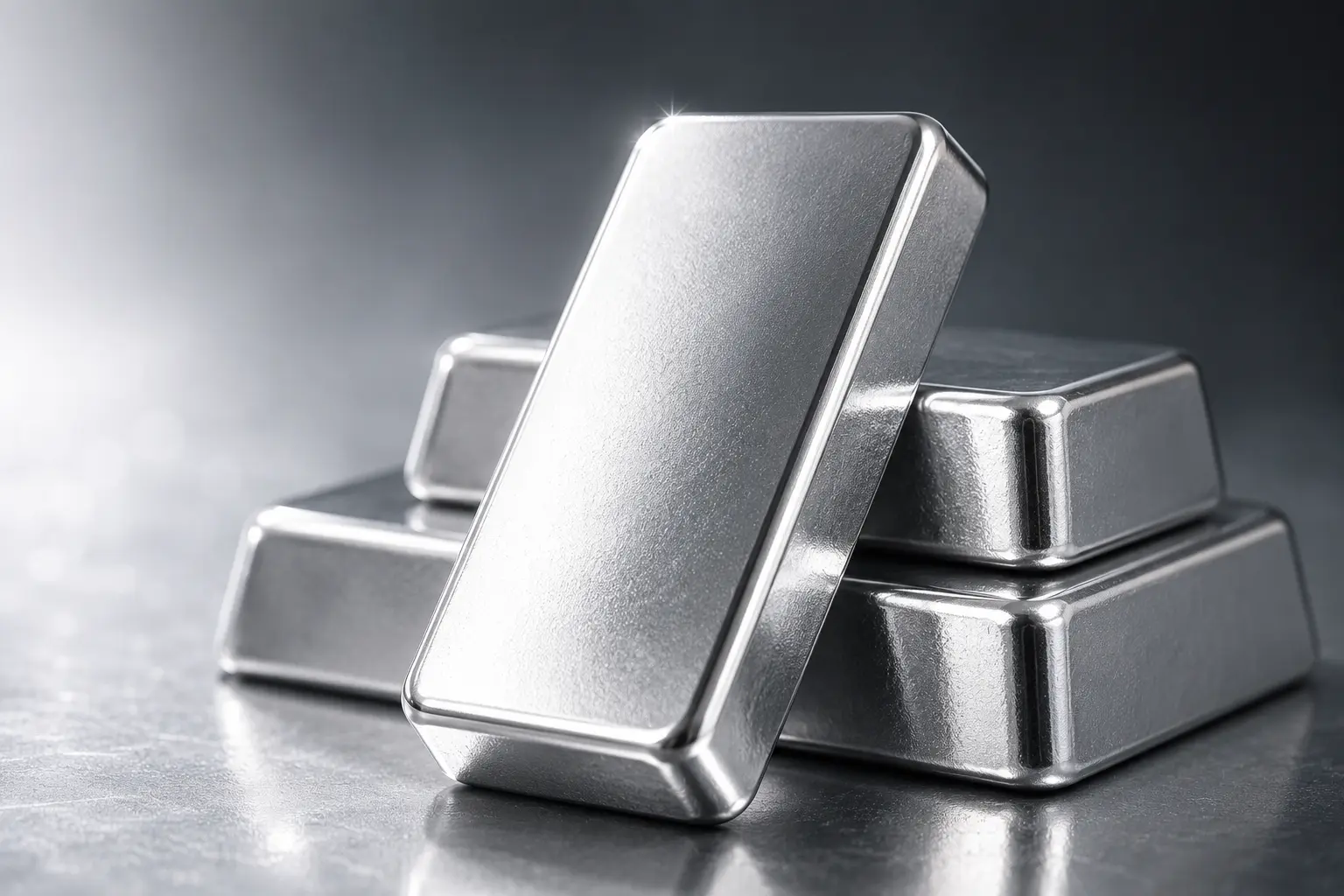
For many investors, the allure of silver lies in its ability to protect wealth against the eroding effects of inflation. However, behind the shiny exterior of bullion bars and coins lies a complex regulatory framework. Understanding the tax implications of investing in silver is not just a matter of compliance—it is a critical component of your overall return on investment (ROI). In 2026, as tax authorities globally increasingly scrutinize alternative assets, it is vital for investors to understand how their precious metal holdings are taxed.
The “Collectibles” Classification
The most important concept to understand is how the IRS (in the U.S.) and similar tax bodies elsewhere categorize silver. In many jurisdictions, silver is classified as a “collectible.”
Unlike stocks or bonds, which are generally taxed at favorable long-term capital gains rates if held for more than a year, collectibles are often subject to a different tax regime. In the U.S., for instance, gains from the sale of silver bullion can be taxed at a maximum federal rate of 28%, which is significantly higher than the standard long-term capital gains rate for other assets. This distinction is crucial because it significantly impacts the net profit an investor keeps after a successful trade.
Taxable Events: When Do You Owe Taxes?
You do not owe taxes simply by owning silver. The tax obligation is triggered by a taxable event, which typically occurs when you dispose of your silver holdings.
-
Selling for Profit: When you sell your silver to a dealer, a private buyer, or an exchange, the difference between your “cost basis” (the original purchase price plus any transaction costs) and the “selling price” is your capital gain.
-
Bartering: Using silver directly to purchase goods or services is also considered a taxable event. The IRS views this as selling the silver for its fair market value at the time of the transaction, and any gain realized must be reported.
Strategies for Tax Efficiency
While you cannot avoid taxes, you can proactively manage them to optimize your long-term returns. Here are common strategies employed by sophisticated investors:
Executive Deep-Dive
Scaling Beyond Traffic to Revenue
Most enterprises fail because they chase clicks instead of trust. While building your global presence, ensure your EEAT 3.0 signals are synchronized across all regions.
Recommended for you:
→ The Shift from Traffic to Trust: A New KPI for Enterprise SEO1. The Power of Long-Term Holding
Because tax rates can fluctuate and specific exemptions may apply based on the duration of ownership, holding silver as a long-term strategic asset is generally more tax-efficient than short-term speculative trading. Long-term holdings also help weather the inherent volatility of the precious metals market.
2. Utilizing Tax-Advantaged Accounts
One of the most effective ways to mitigate the high “collectibles” tax rate is to hold your silver within a Self-Directed IRA (SDIRA). By doing this, you defer taxes on your gains until you take distributions in retirement. This allows your silver holdings to grow without the immediate tax burden of annual capital gains, providing a compound growth effect over time.
3. Record-Keeping: Your Best Defense
The burden of proof rests entirely on you. If you cannot prove your cost basis, the tax authority may assume your entire selling price is pure profit, leading to a much higher tax bill than necessary.
-
Keep all receipts: Save the original purchase invoice for every bar or coin.
-
Document transaction fees: Shipping, insurance, and dealer premiums can often be added to your cost basis, effectively lowering your taxable gain.
Reporting Requirements
If you sell significant quantities of silver, dealers may be required to file Form 1099-B with the IRS. Always ensure you are working with reputable dealers who provide clear, documented records of your transactions. If you are ever unsure about your reporting requirements, consulting with a tax professional who specializes in precious metals is a non-negotiable step to avoid penalties.
The Bottom Line
Silver is an exceptional asset for portfolio diversification and wealth preservation, but it is not “tax-free.” By recognizing the 28% collectibles tax rate (or your local equivalent), utilizing tax-advantaged accounts like an SDIRA, and maintaining meticulous records, you can ensure that your silver investments remain a net benefit to your financial future rather than a tax-time headache. As we look ahead to the rest of 2026, informed planning remains your greatest asset.
Last Updated on 2 days ago by dudung
Exclusive Early Access: Q1 2026
The Global SEO Blueprint for C-Suite
We are finalizing an exclusive strategic framework for global enterprise scaling. Join the elite waitlist for early-bird pricing.
Secure Your Priority Spot