
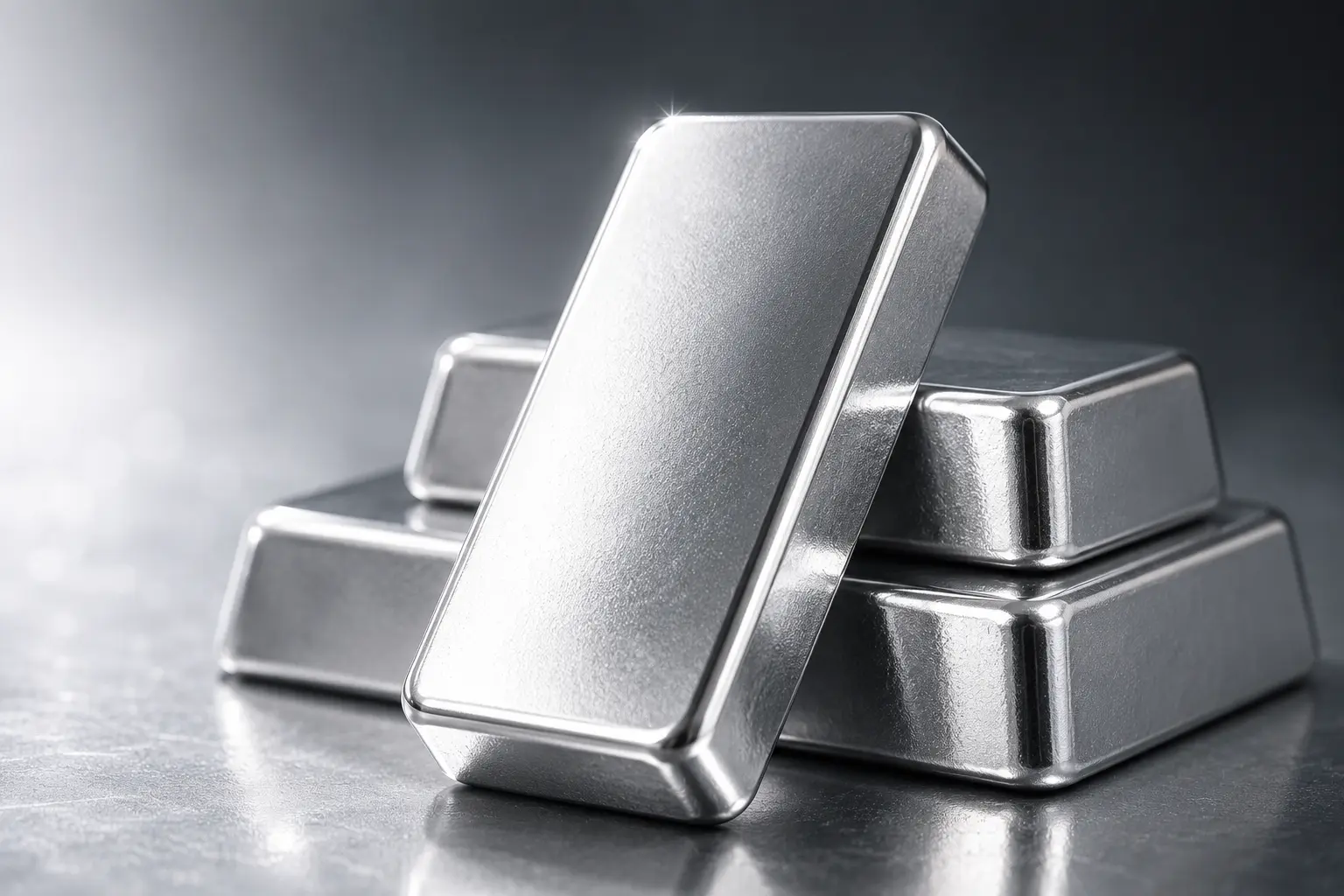
For decades, the debate surrounding precious metals has centered on a single, compelling question: do they truly act as an inflation hedge? As we navigate the complex economic landscape of 2026, the historical performance of silver against inflation has become a critical focal point for institutional and retail investors alike. Understanding this relationship is key to determining whether silver belongs in your long-term wealth preservation strategy.
The Theory: Why Silver Should Beat Inflation
The economic theory behind silver as an inflation hedge is straightforward. Unlike fiat currency, which governments can print in unlimited quantities, silver has a finite supply constrained by geological rarity and mining costs. When the cost of living rises—meaning the purchasing power of the dollar, euro, or yen declines—the nominal price of hard assets like silver typically trends upward to reflect this devaluation.
Historical Performance: A Two-Decade Analysis
Looking at the data from the early 2000s through 2026, silver’s performance versus inflation presents a nuanced picture. Silver is not a steady, linear hedge like a Treasury Inflation-Protected Security (TIPS). Instead, it acts as a “pressure valve” for the monetary system.
1. The 2008 Financial Crisis and Beyond
During the global financial crisis, silver experienced significant volatility. However, in the immediate years following the massive monetary stimulus (2009–2011), silver’s price experienced a historic surge, vastly outpacing the prevailing inflation rate. This demonstrated silver’s tendency to react explosively when investors lose confidence in the stability of paper currency.
2. The 2020–2026 Period
The post-pandemic era has provided a masterclass in silver’s dual role. While inflation spiked globally, silver initially struggled due to a strong dollar. However, as the structural deficit in industrial silver (due to green energy and AI manufacturing) became undeniable, silver began to decouple from its traditional correlation with the USD. This suggests that in 2026, silver’s “inflation hedge” status is now reinforced by “industrial necessity.”
Executive Deep-Dive
Scaling Beyond Traffic to Revenue
Most enterprises fail because they chase clicks instead of trust. While building your global presence, ensure your EEAT 3.0 signals are synchronized across all regions.
Recommended for you:
→ The Shift from Traffic to Trust: A New KPI for Enterprise SEOSilver vs. Gold: The Hedging Difference
Many investors ask, “Why not just buy gold?” While gold is the ultimate store of value, silver provides a different profile:
-
Gold is a monetary anchor; it is stable and moves slowly with inflation expectations.
-
Silver is a high-beta inflation hedge; it amplifies the inflationary message. If inflation expectations rise by 1%, silver often moves by a multiple of that, driven by speculative investment flows and industrial demand.
Analyzing the 2026 Inflation Environment
In 2026, inflation is driven less by “excess money supply” and more by “supply-side scarcity.” This environment is historically bullish for physical commodities. When inflation is caused by raw material shortages (the cost of building energy infrastructure, mining, and food production), silver—which is essential for these sectors—tends to perform exceptionally well.
Managing the Volatility of an Inflation Hedge
Investors must be warned: silver is not a “smooth” hedge. You will experience months, or even years, where silver remains stagnant while inflation continues to climb. The key to successfully using silver against inflation is a long-term time horizon.
-
The 5-Year Rule: Historical data suggests that silver effectively preserves purchasing power over cycles of 5 to 10 years, not 5 to 10 weeks.
-
Total Portfolio Integration: Do not allocate 100% of your wealth to silver. Treat it as a “tail-risk” hedge that protects your portfolio when traditional assets fail to maintain value during inflationary spikes.
The Verdict: Does Silver Work?
The historical record confirms that silver is a highly effective, albeit volatile, instrument for combating the long-term devaluation of currency. In the specific context of 2026, silver’s role is bolstered by its industrial utility. As global economies continue to struggle with structural supply issues and the cost of the green transition, physical silver remains one of the few assets that cannot be debased.
By integrating silver into a diversified portfolio, you aren’t just betting on inflation—you are investing in the essential building block of the modern technological economy.
Exclusive Early Access: Q1 2026
The Global SEO Blueprint for C-Suite
We are finalizing an exclusive strategic framework for global enterprise scaling. Join the elite waitlist for early-bird pricing.
Secure Your Priority Spot