
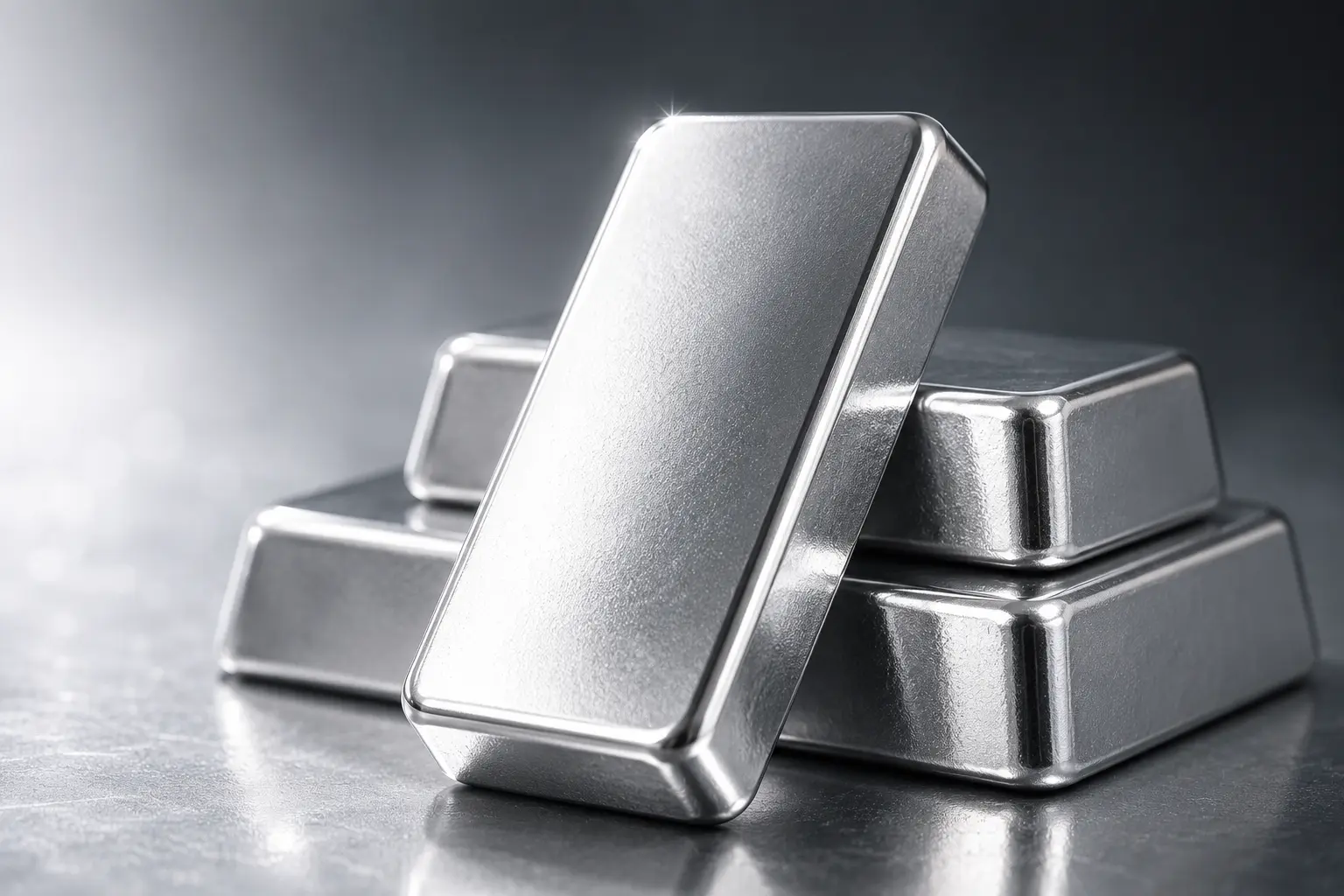
In this silver price prediction 2026, we analyze how industrial demand and global market trends are shaping the future of precious metals.
In the world of precious metals, silver occupies a unique position. Unlike gold, which is primarily held as a store of value, silver is a “tech metal.” Its superior electrical and thermal conductivity makes it an indispensable component in the modern industrial engine. As we move through 2026, the correlation between industrial demand and silver price trends has become the single most important factor for investors to monitor.
The Industrial Revolution 2.0: Silver’s New Era
For decades, silver’s price was largely driven by photography and jewelry. Today, those drivers have been eclipsed by high-growth industrial applications. The “Green Energy Transition” is no longer a forecast—it is an industrial reality.
1. Photovoltaic (PV) Solar Power
The solar industry remains the largest consumer of industrial silver. As governments worldwide rush to meet decarbonization targets, the massive scale-up of solar infrastructure is creating a structural deficit in the silver market. PV cells require specific high-purity silver paste, and as efficiency requirements for solar panels increase, so does the silver content per cell.
2. The Electric Vehicle (EV) and AI Surge
Modern vehicles are essentially rolling data centers, and silver is the glue that holds their circuitry together. From advanced battery management systems to autonomous driving sensors and charging infrastructure, EVs require significantly more silver per unit than traditional internal combustion engine vehicles. Furthermore, the explosion of AI-driven data centers requires high-speed connectivity and power distribution systems that rely heavily on silver-based components.
Executive Deep-Dive
Scaling Beyond Traffic to Revenue
Most enterprises fail because they chase clicks instead of trust. While building your global presence, ensure your EEAT 3.0 signals are synchronized across all regions.
Recommended for you:
→ The Shift from Traffic to Trust: A New KPI for Enterprise SEODecoding the Price Trends
If industrial demand is so high, why isn’t the silver price on a straight vertical trajectory? The answer lies in the complex interplay between mining supply, inventory levels, and macroeconomic sentiment.
The Supply-Side Constraint
Silver mining is notoriously difficult to scale. Unlike oil, where production can be increased relatively quickly, opening a new silver mine takes years of permitting, capital investment, and geological exploration. Current supply is heavily reliant on “by-product” mining—silver is often found alongside lead, zinc, and copper. This means silver production is often at the mercy of demand for these other base metals, leading to a rigid supply curve that cannot easily respond to spikes in silver demand.
Inventory and Arbitrage
In 2026, we are seeing a trend where physical inventory in major exchanges is becoming more sensitive to industrial demand. When industrial users see their supply chains tightening, they prioritize securing physical bullion over betting on paper markets. This physical-first demand creates price volatility that often disconnects silver from traditional equity market correlations.
Strategic Implications for Investors
Understanding these trends requires a shift in mindset. Silver should not be viewed merely as a “poor man’s gold.” Instead, it should be analyzed through the lens of industrial commodity cycles.
-
Monitor Manufacturing Data: Keep a close eye on global manufacturing output and green energy infrastructure spending. These are your leading indicators for silver demand.
-
Embrace Volatility: Because silver is caught between the “safe haven” narrative and the “industrial commodity” narrative, it will continue to be more volatile than gold. Use this volatility to your advantage by scaling into positions during manufacturing downturns.
-
Long-Term Thesis: The structural deficit—where industrial demand exceeds mining output—is expected to persist for several years. This provides a compelling long-term thesis for silver as a core portfolio asset.
Conclusion: The Path Ahead
The story of silver in 2026 is one of industrial necessity. As the world pushes for electrification, decarbonization, and digitalization, the metal’s role as an essential industrial building block will only expand. For investors, the takeaway is clear: the price of silver is increasingly tied to the physical output of the global economy. By aligning your portfolio with these industrial realities, you position yourself to benefit from the technological growth that defines the 2026 landscape.
Last Updated on 6 days ago by dudung
Exclusive Early Access: Q1 2026
The Global SEO Blueprint for C-Suite
We are finalizing an exclusive strategic framework for global enterprise scaling. Join the elite waitlist for early-bird pricing.
Secure Your Priority Spot