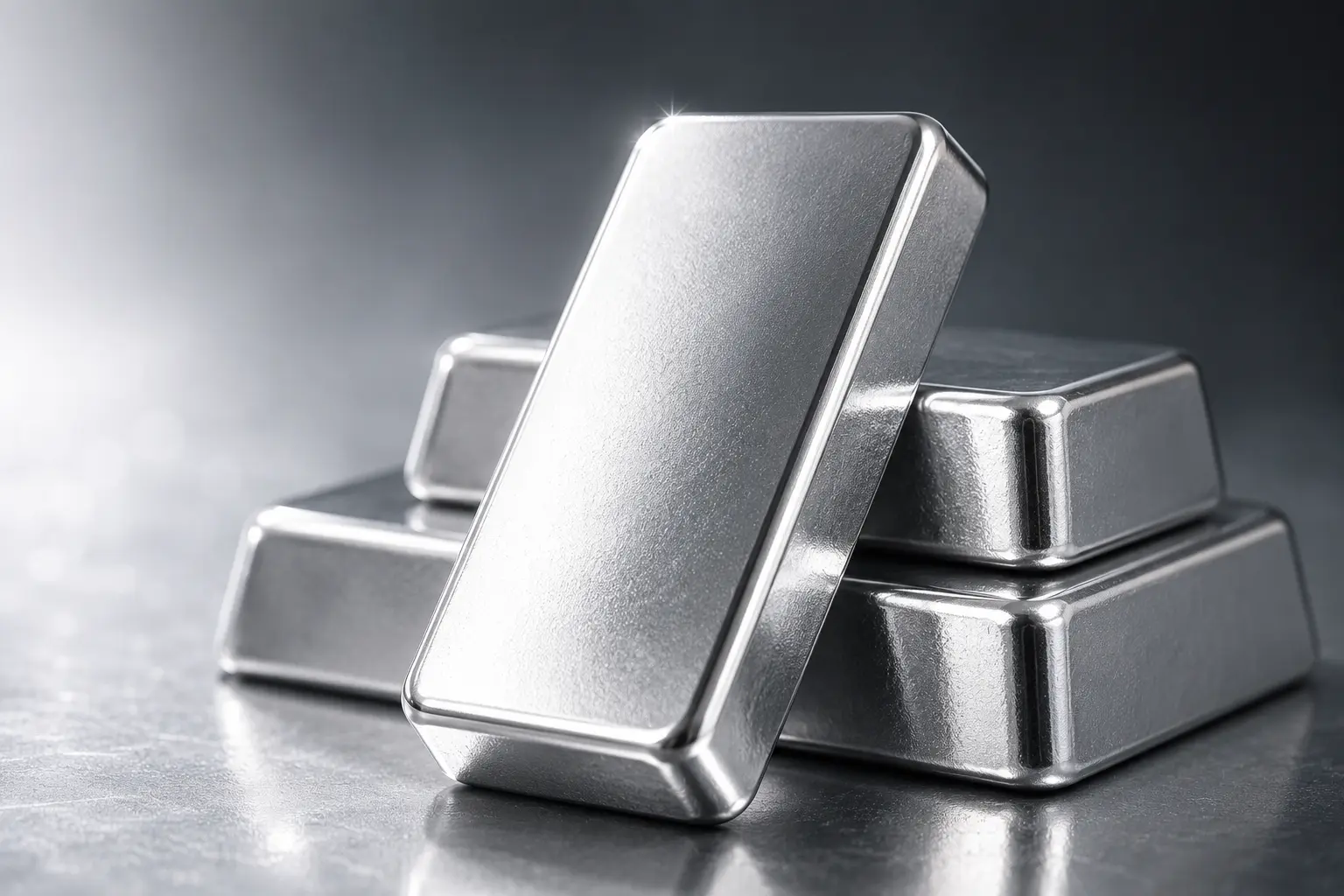
Diversification is the cornerstone of risk management. In 2026, as inflation remains a persistent challenge and the global economy transitions toward a green energy future, the demand for precious metals is reaching a fever pitch. While gold often commands the spotlight, silver is increasingly being recognized for its dual nature: a monetary hedge and a critical industrial commodity. For investors looking to capture this growth without the logistical burdens of physical ownership, Silver ETFs (Exchange-Traded Funds) provide a streamlined, liquid solution.
Understanding the Silver Market in 2026
To understand the best Silver ETFs, one must first recognize why silver is performing. Silver is consumed by industries—specifically solar panel manufacturing, electric vehicle circuitry, and AI-driven data center infrastructure. Unlike gold, which is mostly held in vaults, silver’s industrial consumption creates a “demand floor” that can protect prices even during periods of moderate economic cooling.
What Makes a “Best” Silver ETF?
When selecting an ETF for portfolio diversification, an investor must look beyond simple price tracking. Key metrics include:
-
Expense Ratio: The lower the cost to own the fund, the higher your long-term yield.
-
Physical Backing: Does the fund actually hold physical silver bars, or does it utilize derivatives (futures) to track the price? Physical backing is generally preferred for long-term holders.
-
Liquidity: High trading volume ensures you can enter and exit positions without excessive slippage.
-
Track Record: How closely does the fund track the spot price of silver during periods of high volatility?
Top Silver ETFs to Consider for Diversification
1. iShares Silver Trust (SLV)
SLV remains the industry standard for liquidity. It is designed to track the spot price of silver (minus expenses) and is held by physical silver in secure vaults.
-
Pros: Exceptional liquidity, institutional-grade storage.
-
Cons: Higher expense ratio compared to some newer, lower-cost competitors.
2. Aberdeen Physical Silver Shares ETF (SIVR)
For cost-conscious investors, SIVR often stands out due to its competitive expense ratio. It is designed to reflect the performance of the price of silver bullion.
-
Pros: Low expense ratio, direct exposure to physical silver.
-
Cons: Lower trading volume than SLV, which may matter for active day traders, though it is irrelevant for long-term diversification.
3. Sprott Physical Silver Trust (PSLV)
PSLV takes a different approach by holding fully allocated physical silver. Many investors choose PSLV because it offers the option for shareholders to redeem their shares for physical bullion under specific conditions.
-
Pros: High trust levels, redemption options, premium/discount transparency.
-
Cons: Can trade at a premium or discount to the Net Asset Value (NAV), adding another layer of price risk.
Integrating Silver into Your Portfolio
Diversification does not mean replacing your stocks with silver. Instead, it involves allocating a strategic percentage (typically 5% to 10% of a portfolio) to hedge against currency devaluation and volatility. By utilizing ETFs, you gain this exposure with the added benefit of being able to trade them as easily as any other stock in your brokerage account.
Risk Factors to Monitor
While silver offers potential, it is not without risk. Investors should monitor:
-
Industrial Cycles: A downturn in the manufacturing sector can impact silver prices more severely than gold prices.
-
Interest Rates: Silver, being a non-yielding asset, generally faces pressure when interest rates remain high for an extended period, as investors may prefer bonds or cash equivalents.
The Bottom Line for 2026
The best Silver ETF for your portfolio depends entirely on your objective. If you are a long-term allocator focused on lowering costs, SIVR or PSLV are compelling. If you are a tactical trader, the liquidity of SLV remains unmatched. As we progress through 2026, silver’s role in the green energy sector confirms that it is more than just a speculative asset—it is a foundational pillar of modern industrial growth.