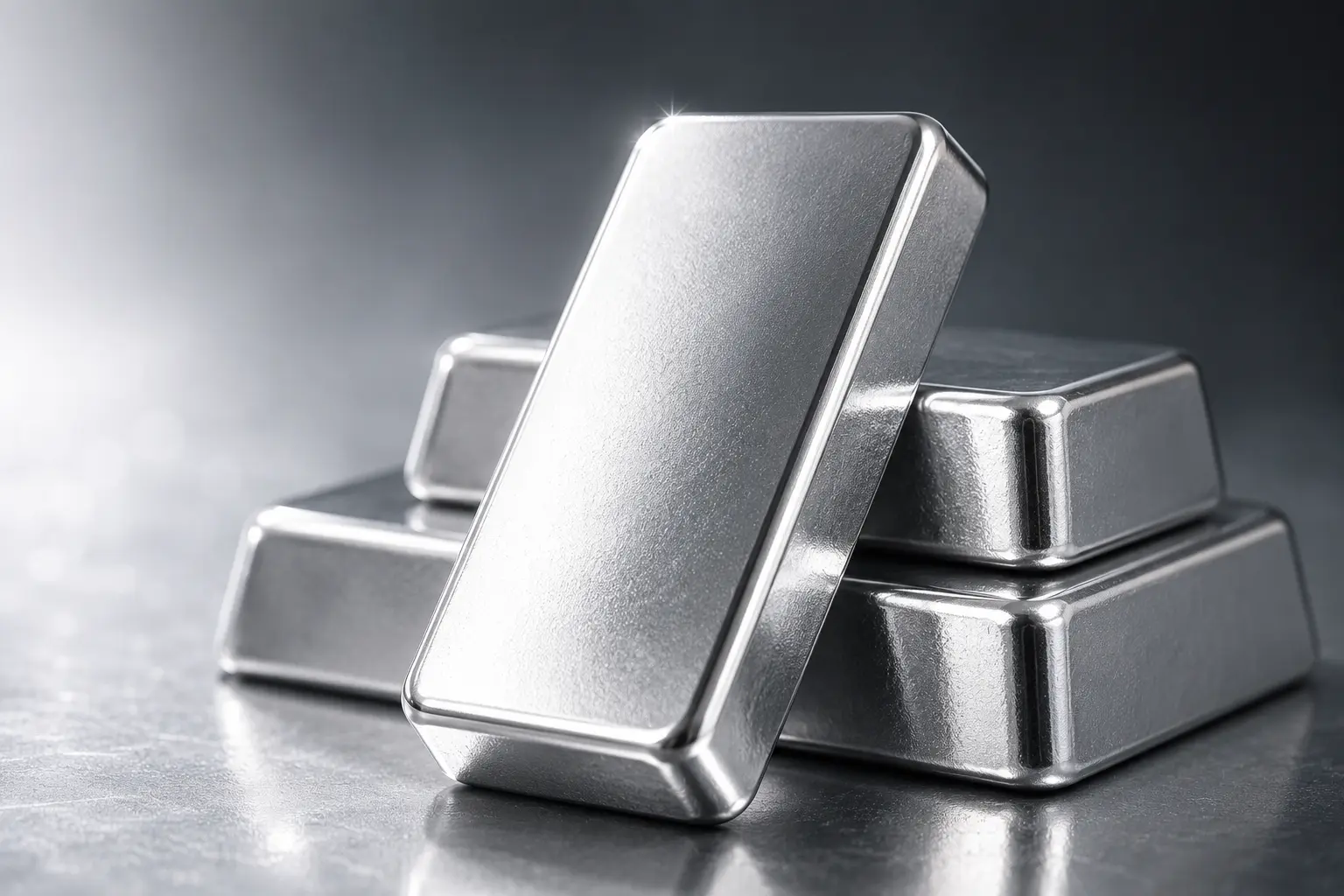
As the demand for physical silver bullion reaches new heights in 2026, the secondary market for precious metals has become increasingly active. While this high liquidity is great for investors, it brings a critical challenge: the rise of counterfeit bullion. For the serious investor, the ability to authenticate silver is not just a secondary skill—it is a mandatory layer of risk management. Whether you are buying from private sellers, online auctions, or unverified marketplaces, knowing how to spot a fake can save you from catastrophic financial loss.
The Reality of the Counterfeit Market
Counterfeiters have become remarkably sophisticated. Modern fakes are no longer just lead painted to look like silver; they are often brass, copper, or nickel cores plated with a thin layer of genuine silver. In some cases, high-quality fakes even include realistic-looking packaging, certificates of authenticity (COAs), and weight-accurate dimensions. Because these fakes are designed to fool the untrained eye, you must rely on a systematic, multi-step verification process.
Step 1: The Visual Inspection (The First Line of Defense)
Before you use any tools, use your eyes. While fakes are getting better, they often fail on the details.
-
Look for Flaking: If you see any signs of a base metal—such as copper or nickel—peeking through the silver plating, it is a fake. Genuine bullion is silver all the way through.
-
Examine the Mint Mark and Design: Compare the item against a known genuine example. Counterfeits often have “mushy” details, inconsistent lettering, or incorrect font spacing. Check the official mint’s website to ensure the design matches the year and series exactly.
-
Check the Weight and Dimensions: Genuine bullion coins and bars have standardized weight and measurements. If a 1 oz silver round feels “off” or is slightly larger/thicker than it should be to compensate for a lighter-density core metal, it is an immediate red flag.
Step 2: The Sound Test (The “Ring” Test)
This is one of the oldest and most reliable methods. Silver has a unique, high-pitched “ringing” sound when struck.
-
The Method: Gently balance the coin on your fingertip or a non-metallic surface and lightly tap it with another piece of metal. A genuine silver coin will emit a clear, long-lasting, high-frequency “ting.”
-
The Failure: A fake made of lead or a base metal will produce a dull, thudding “clunk” that dies out instantly.
-
Note: Do not use this test on high-premium numismatic coins, as you risk damaging the surface. This is strictly for bullion coins.
Step 3: The Magnet Test (Silver’s Signature)
Silver is paramagnetic, meaning it is not attracted to magnets but it interacts with them in a very specific way.
-
The Method: Use a strong neodymium magnet. When you place the magnet at a 45-degree angle on the surface of a silver coin or bar, the magnet should slide down slowly. It will not stick, but it will resist movement due to the eddy currents produced by the metal.
-
The Failure: If the magnet sticks instantly, the item contains iron or nickel. If the magnet slides down at full speed with no resistance, the item is likely made of a base metal like lead or aluminum.
Step 4: The Ice Test (Thermal Conductivity)
Silver has the highest thermal conductivity of any metal. It pulls heat away from objects almost instantly.
-
The Method: Place an ice cube directly onto the surface of the silver bar or coin. Because silver conducts heat so efficiently, the ice will begin to melt at an unnaturally rapid rate, as if it were sitting on a hot plate.
-
The Reality: While this is a fun and effective demo for 99.9% pure silver, it can be messy and is not a professional-grade test. It is best used as a quick, “on-the-spot” check.
Step 5: Advanced Verification (Professional Tools)
If you are building a large portfolio, visual and manual tests are not enough. Smart investors in 2026 invest in professional-grade verification tools:
-
Digital Calipers and Precision Scales: Measure the exact diameter, thickness, and weight. Many fakes are “close” in weight but fail in the exact micron measurements of genuine bullion.
-
Specific Gravity Test: By measuring the weight of the silver in the air vs. in water, you can calculate the density of the metal. Genuine silver has a specific density; if the math doesn’t add up, the core is fake.
-
Ultrasonic Thickness Gauges: These are the gold standard for large bars. They measure the speed of sound through the metal. If the sound wave travels through the bar at the speed of sound for silver, it is genuine. If it detects a different speed, it has found a different material (the fake core) inside.
When in Doubt: Buy from Authorized Dealers
The ultimate way to avoid fake silver is to manage your supply chain.
-
Authorized Dealers: Purchase only from reputable, authorized bullion dealers who have a long-standing reputation and a strict verification process.
-
Avoid “Too Good to Be True” Deals: If an online listing is offering silver at 10% below the spot price, it is almost certainly a scam. In the bullion market, there is no such thing as a “discount” on the metal itself—there is only the premium.
The Bottom Line
In 2026, the silver market is thriving, but it requires a disciplined investor to remain safe. Treat every purchase with a healthy level of skepticism. By combining visual inspection, basic physical tests (like the magnet and sound tests), and the eventual acquisition of professional verification tools, you can ensure that your silver stack is exactly what it claims to be. Remember: the value of your silver is only as good as its authenticity. Stay vigilant, verify every purchase, and build your portfolio with confidence.