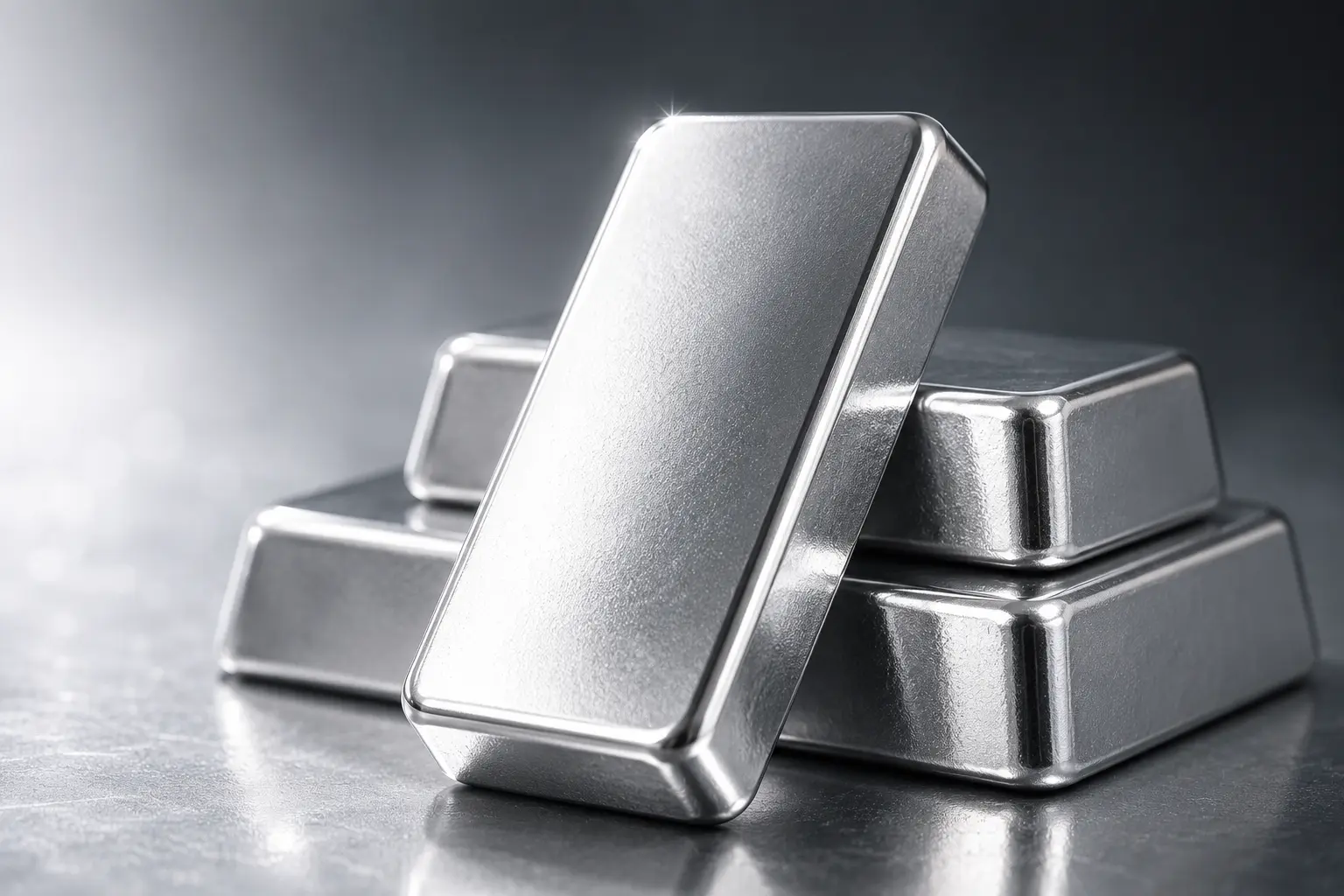
The mantra in the precious metals community is often “stack, stack, stack.” It is easy to find advice on how to accumulate silver, but the conversation frequently goes silent when it comes to the most important part of the investment cycle: the exit. For the sophisticated investor in 2026, holding silver is not a religious commitment; it is a strategic allocation. Knowing when to convert your physical silver back into fiat currency—or into other high-growth assets—is the difference between realizing significant gains and riding a cyclical asset back down to its floor.
The Psychology of the “Exit”
Most investors fail to sell because they view silver as an “end” rather than a “means.” If you view silver as a permanent hedge against apocalypse, you will never sell. However, if you view silver as a wealth-building tool, you must treat it like any other asset class.
The first step in strategic exit planning is to de-emotionalize the asset. You are not “parting with your treasure”; you are executing a pre-determined financial move designed to optimize your portfolio.
1. Defining Your “Trigger Events”
Smart investors do not wake up on a random Tuesday and decide to sell. They operate based on a pre-defined framework. Before you ever buy an ounce of silver, you should know exactly what would cause you to sell. Common strategic triggers include:
Valuation-Based Triggers
Set a “profit-taking” target based on historical price-to-earnings or gold-to-silver ratios. For instance, if the gold-to-silver ratio drops to a historical low (meaning silver is historically “expensive” relative to gold), it may be time to rotate a portion of your silver holdings into gold to “lock in” the relative outperformance of silver.
Macroeconomic “All-Clear” Signals
If you hold silver specifically as a hedge against inflation, you must monitor the real interest rate environment. If inflation stabilizes and real interest rates (the nominal rate minus inflation) rise significantly, the opportunity cost of holding non-yielding silver increases. If the macro environment suggests that inflation is under control and yields are rising, that is a rational signal to reduce your silver allocation.
The “Industrial Peak” Indicator
As we have established in previous discussions, silver is now an industrial metal. Pay close attention to manufacturing PMIs and solar installation growth rates. If the global industrial cycle shows signs of peaking or contracting, the industrial demand for silver will soften. If the “Green Energy” boom hits a period of regulatory or demand-side cooling, that is your signal that the industrial catalyst for silver prices is weakening.
2. Managing the Liquidity “Friction”
Selling physical silver is not as instantaneous as clicking “sell” on a stock portfolio. It involves logistics, shipping, and dealer spreads. Strategic exit planning requires you to minimize this friction:
-
Establish Multiple Channels: Do not rely on one local dealer. Maintain relationships with at least two major national bullion dealers and one reputable online marketplace. This ensures that when you do decide to sell, you aren’t forced to accept a sub-par offer because your local dealer is out of cash.
-
Audit Your Stack: Ensure your bullion is in a saleable condition. If you have been storing it in a way that caused toning or damage, you may take a discount on the sell price. Keep your silver in its original, sealed tubes or protective capsules to ensure you receive the highest possible payout.
-
Plan the Transaction Size: Selling your entire stack at once can trigger significant capital gains tax implications in many jurisdictions. A strategic exit is often a gradual exit. Consider selling in tranches over multiple tax years to optimize your tax liability.
3. The “Rotate, Don’t Liquidate” Strategy
A common mistake is converting silver to cash, only to have that cash lose value to inflation. Instead of liquidating into fiat, consider “rotating” your gains.
-
Rotation to Income-Producing Assets: If your silver has seen a massive price appreciation, take the profit and reinvest it into income-generating assets like dividend-paying stocks, real estate, or high-yield bonds. This effectively turns a “dead” asset (non-yielding metal) into a “living” asset (cash-flow generating).
-
Rotation to Gold: As mentioned earlier, rotating silver into gold during period-specific market imbalances is a classic strategy of the world’s most successful precious metals investors. It allows you to maintain your “hard asset” exposure while de-risking the volatility of the silver market.
4. The Exit Plan Template
If you are holding silver, you should have a written plan that looks something like this:
My Exit Strategy:
Core Holding: I will keep 50% of my stack regardless of price, as a permanent hedge.
Growth Holding: I will sell 25% of my stack if the spot price hits [Target Price A].
Cyclical Holding: I will sell the remaining 25% if [Macro Condition B] is met, and rotate the proceeds into [Asset Class C].
This plan removes the need to make “in-the-moment” decisions when the market is euphoric or panicked. Euphoria is the most dangerous time to hold, and panic is the most dangerous time to sell. A written plan protects you from both.
The Bottom Line: Discipline is Profit
Strategic exit planning is the hallmark of the professional investor. It acknowledges that no asset goes up forever and that every investment has a purpose. Silver is a tool, not a religion. By setting clear trigger points, minimizing transaction friction, and having a plan for where your profits will go, you ensure that your silver investment serves its ultimate purpose: to build your wealth.
Do not wait for the market to tell you when to exit. Tell the market when you are going to exit. That is how you capture the full value of your investment, not just the temporary rise in spot price.
