Enterprise Software Solutions: The Foundation for Global Scalability in 2026

Enterprise Software

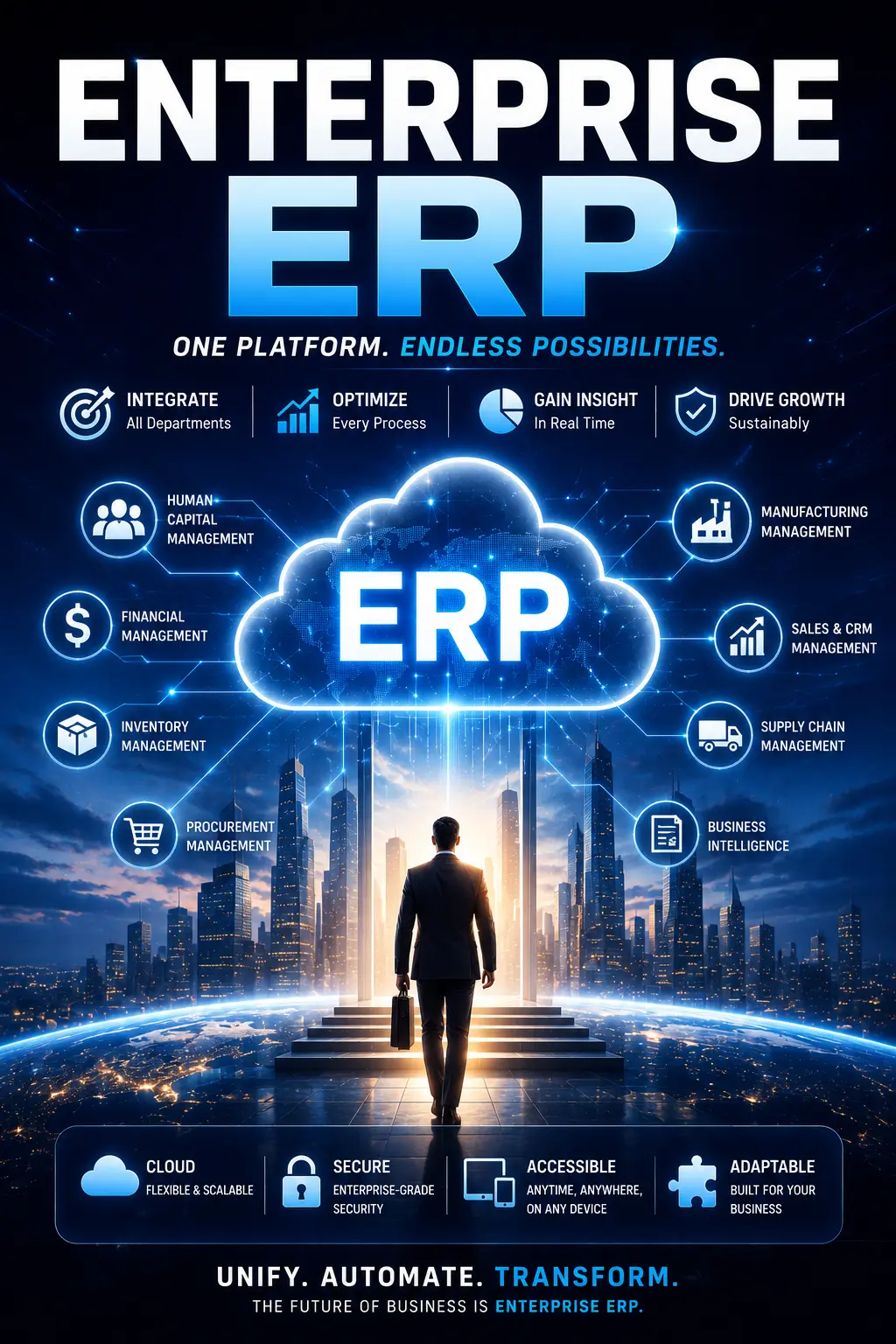
In the hyper-competitive global market of 2026, the difference between a stagnant business and a market leader often boils down to its digital infrastructure. Enterprise Software Solutions are no longer just optional tools; they are the strategic backbone that enables organizations to scale operations, manage complexity, and drive continuous innovation. This article explores the critical components of a modern enterprise software stack and how they align with long-term business goals.

1. The Core Components of an Enterprise Ecosystem

An effective enterprise ecosystem is built on a foundation of interconnected platforms designed to handle massive volumes of data while maintaining operational agility.

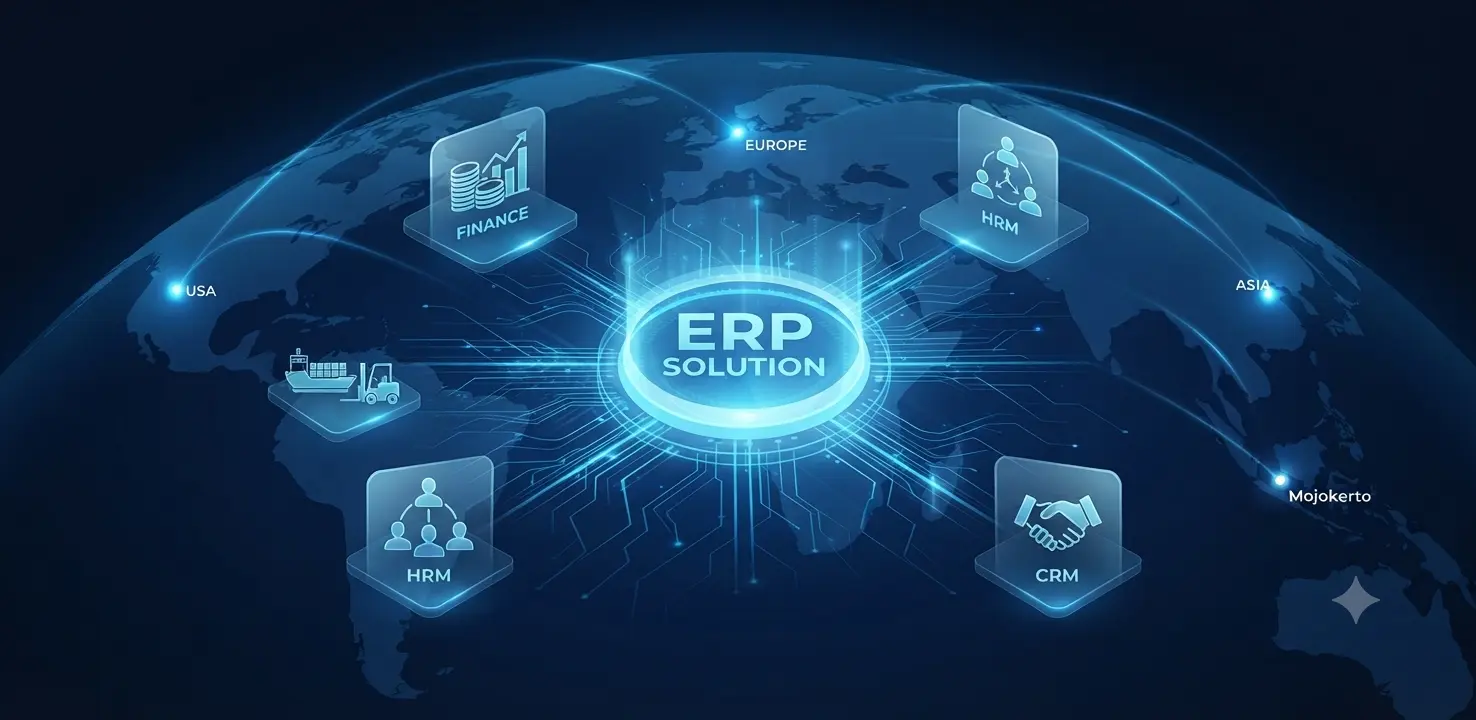
  • ERP (Enterprise Resource Planning): The central nervous system of the organization, integrating finance, supply chain, and HR into a single source of truth.

  • CRM (Customer Relationship Management): The engine for revenue growth, providing deep visibility into customer lifecycles and sales performance.

  • BI (Business Intelligence): Advanced analytics tools that transform raw operational data into predictive insights for executive decision-making.

2. Why Integration is the Key to Performance

The greatest risk to any enterprise is the “silo effect,” where departments operate with disconnected data sets. True enterprise software solutions must prioritize interoperability:

  • Seamless Data Flow: APIs and native integrations ensure that data moves effortlessly between your ERP and CRM, reducing manual data entry and human error.

  • Unified Reporting: By consolidating data across all platforms, leadership gains a 360-degree view of operational health, which is essential for managing multi-entity structures.

  • Reduced Friction: Integrated systems allow for automated, end-to-end workflows—from customer lead acquisition to final financial reporting—accelerating the entire business cycle.

3. The Shift to Cloud-Native Architectures

In 2026, the transition to cloud-native enterprise solutions is non-negotiable for scaling.

  • Elastic Scalability: Cloud platforms allow enterprises to adjust resources in real-time, handling transactional spikes without the need for massive capital investment in on-premise hardware.

  • Enhanced Security and Compliance: Leading cloud ERP and CRM providers invest billions in security, offering advanced features like automated audit logs and regional data sovereignty, which are crucial for global SOX compliance.

  • Rapid Innovation Cycles: Cloud software provides continuous updates, ensuring that your organization always has access to the latest AI-driven features and regulatory enhancements without manual system upgrades.

4. Strategic Implementation for Maximum ROI

Deploying enterprise software is a significant investment; therefore, a strategic approach is required to ensure a high Return on Investment (ROI).

  • Define Clear Objectives: Start by mapping your most critical business processes to specific software features. Focus on functionality that directly impacts revenue or cost efficiency.

  • Prioritize Data Integrity: Your software is only as powerful as the data it processes. Invest in rigorous data cleaning and migration protocols before implementing any new enterprise solution.

  • Cultivate a Culture of Adoption: Technology is the enabler, but people are the drivers. Comprehensive training and change management programs are essential to ensure staff fully utilize the platform’s capabilities.

Conclusion

Enterprise software solutions are the fundamental architecture of the modern high-growth firm. By prioritizing integrated platforms, cloud-native scalability, and a culture of data-driven decision-making, organizations can successfully navigate the complexities of 2026 and beyond. This strategic focus ensures that your digital infrastructure does not just support your operations, but actively propels your organization toward global dominance. As the market continues to evolve, the ability to adapt your software stack to new challenges will be the defining trait of successful enterprises.

Best ERP Software for Small Businesses: Complete Buyer’s Guide 2026

Best ERP Software for Small Businesses

Best ERP Software for Small Businesses: Complete Buyer’s Guide 2026

As we navigate the fiscal landscape of 2026, small businesses are no longer looking for mere “accounting tools”—they are seeking integrated ecosystems that drive growth. Scaling a business in today’s economy requires real-time data, automated workflows, and a single source of truth. Selecting the right Enterprise Resource Planning (ERP) software is the most critical infrastructure decision your leadership team will make this year. This guide leverages deep industry expertise to help you evaluate, implement, and succeed with a modern ERP solution tailored for the SMB sector.

The Strategic Benefits of Modern ERP for Small Businesses

In 2026, the gap between “growing” and “stagnant” businesses is defined by data agility. Implementing a robust ERP system provides more than just organization; it delivers a competitive moat through three primary pillars:

  • Unified Financial Intelligence: Gone are the days of manual reconciliations. Modern ERPs offer automated accounts payable (AP) and accounts receivable (AR), providing a real-time view of cash flow. This allows for proactive capital allocation rather than reactive firefighting.
  • Operational Efficiency & Automation: By integrating inventory, sales, and human resources, businesses can eliminate up to 40% of manual data entry errors. Predictive analytics can now forecast stock requirements with 90% accuracy, drastically reducing carrying costs and stockouts.
  • Scalability Without Friction: A cloud-native ERP allows you to add new modules—such as field service or advanced manufacturing—without overhauling your entire IT stack. This “Lego-block” approach to software ensures your technology grows at the same pace as your revenue.

How to Evaluate ERP Solutions: Key Selection Criteria

Choosing an ERP is a high-stakes investment. To ensure a high Return on Investment (ROI), look for these non-negotiable features in 2026:

  • Industry-Specific Functionality: Avoid “one-size-fits-all” platforms. If you are in manufacturing, you need MTO (Make to Order) and ETO (Engineer to Order) capabilities. If you are in distribution, multi-warehouse replenishment is essential.
  • Mobile-First Architecture: Your team isn’t always at a desk. Ensure the ERP offers a native mobile experience for field technicians, warehouse staff, and remote executives.
  • AI-Driven Insights: Look for software that doesn’t just store data but analyzes it. Modern systems use AI to identify procurement anomalies, suggest route optimizations, and flag potential compliance risks before they become audits.
  • Low Total Cost of Ownership (TCO): Beyond the subscription fee, evaluate implementation costs, training requirements, and support levels. Look for vendors offering transparent, per-user pricing models.

The Step-by-Step ERP Implementation Roadmap

A successful ERP rollout is 20% technology and 80% process management. Follow this 2026 industry-standard roadmap for a seamless transition:

  1. Discovery & Audit: Conduct a thorough audit of your current workflows. Identify bottlenecks and document exactly how data moves from a quote to an invoice.
  2. Data Cleansing: An ERP is only as good as the data you feed it. Cleanse your existing databases of duplicates and outdated records before migration.
  3. Phased Rollout: Rather than a “big bang” launch, implement core modules first (Finance and CRM), followed by specialized modules (Manufacturing or Rental management) once the foundation is stable.
  4. User Acceptance Testing (UAT): Involve end-users early. Their feedback during the testing phase is critical for high adoption rates and minimizing resistance to change.
  5. Continuous Optimization: Post-launch, schedule quarterly reviews to refine workflows and leverage new software updates.

Why Choose DMS Global for Your 2026 ERP Transformation?

In a crowded market of generic providers, DMS Global stands out as the premier partner for small to mid-sized businesses that manufacture, supply, or service. Our DMS ERP platform is engineered to solve the specific pain points of modern SMBs through a modular, high-performance architecture.

  • Deep Industry Expertise: We don’t just sell software; we understand the intricacies of oilfield services, manufacturing, and complex distribution. Our consultants speak your language.
  • The Accounting Backbone: Our Accounting Module is the industry gold standard, acting as a single source of truth that powers every other aspect of your business—from inventory to field service ticketing.
  • Proven ROI: DMS Global clients report significantly faster billing cycles and improved job visibility within the first 90 days of implementation.
  • Unmatched Support: We pride ourselves on a partnership model. Our team ensures you are never “stranded,” providing continuous updates and expert guidance as your business evolves.

Ready to future-proof your operations? Contact DMS Global today for a personalized demo and discover why we are the leading choice for small business ERP in 2026.

Best ERP Software for Small Businesses: Complete Buyer’s Guide 2026

As we navigate the fiscal landscape of 2026, small businesses are no longer looking for mere “accounting tools”—they are seeking integrated ecosystems that drive growth. Scaling a business in today’s economy requires real-time data, automated workflows, and a single source of truth. Selecting the right Enterprise Resource Planning (ERP) software is the most critical infrastructure decision your leadership team will make this year. This guide leverages deep industry expertise to help you evaluate, implement, and succeed with a modern ERP solution tailored for the SMB sector.

The Strategic Benefits of Modern ERP for Small Businesses

In 2026, the gap between “growing” and “stagnant” businesses is defined by data agility. Implementing a robust ERP system provides more than just organization; it delivers a competitive moat through three primary pillars:

  • Unified Financial Intelligence: Gone are the days of manual reconciliations. Modern ERPs offer automated accounts payable (AP) and accounts receivable (AR), providing a real-time view of cash flow. This allows for proactive capital allocation rather than reactive firefighting.
  • Operational Efficiency & Automation: By integrating inventory, sales, and human resources, businesses can eliminate up to 40% of manual data entry errors. Predictive analytics can now forecast stock requirements with 90% accuracy, drastically reducing carrying costs and stockouts.
  • Scalability Without Friction: A cloud-native ERP allows you to add new modules—such as field service or advanced manufacturing—without overhauling your entire IT stack. This “Lego-block” approach to software ensures your technology grows at the same pace as your revenue.

How to Evaluate ERP Solutions: Key Selection Criteria

Choosing an ERP is a high-stakes investment. To ensure a high Return on Investment (ROI), look for these non-negotiable features in 2026:

  • Industry-Specific Functionality: Avoid “one-size-fits-all” platforms. If you are in manufacturing, you need MTO (Make to Order) and ETO (Engineer to Order) capabilities. If you are in distribution, multi-warehouse replenishment is essential.
  • Mobile-First Architecture: Your team isn’t always at a desk. Ensure the ERP offers a native mobile experience for field technicians, warehouse staff, and remote executives.
  • AI-Driven Insights: Look for software that doesn’t just store data but analyzes it. Modern systems use AI to identify procurement anomalies, suggest route optimizations, and flag potential compliance risks before they become audits.
  • Low Total Cost of Ownership (TCO): Beyond the subscription fee, evaluate implementation costs, training requirements, and support levels. Look for vendors offering transparent, per-user pricing models.

The Step-by-Step ERP Implementation Roadmap

A successful ERP rollout is 20% technology and 80% process management. Follow this 2026 industry-standard roadmap for a seamless transition:

  1. Discovery & Audit: Conduct a thorough audit of your current workflows. Identify bottlenecks and document exactly how data moves from a quote to an invoice.
  2. Data Cleansing: An ERP is only as good as the data you feed it. Cleanse your existing databases of duplicates and outdated records before migration.
  3. Phased Rollout: Rather than a “big bang” launch, implement core modules first (Finance and CRM), followed by specialized modules (Manufacturing or Rental management) once the foundation is stable.
  4. User Acceptance Testing (UAT): Involve end-users early. Their feedback during the testing phase is critical for high adoption rates and minimizing resistance to change.
  5. Continuous Optimization: Post-launch, schedule quarterly reviews to refine workflows and leverage new software updates.

Why Choose DMS Global for Your 2026 ERP Transformation?

In a crowded market of generic providers, DMS Global stands out as the premier partner for small to mid-sized businesses that manufacture, supply, or service. Our DMS ERP platform is engineered to solve the specific pain points of modern SMBs through a modular, high-performance architecture.

  • Deep Industry Expertise: We don’t just sell software; we understand the intricacies of oilfield services, manufacturing, and complex distribution. Our consultants speak your language.
  • The Accounting Backbone: Our Accounting Module is the industry gold standard, acting as a single source of truth that powers every other aspect of your business—from inventory to field service ticketing.
  • Proven ROI: DMS Global clients report significantly faster billing cycles and improved job visibility within the first 90 days of implementation.
  • Unmatched Support: We pride ourselves on a partnership model. Our team ensures you are never “stranded,” providing continuous updates and expert guidance as your business evolves.

Ready to future-proof your operations? Contact DMS Global today for a personalized demo and discover why we are the leading choice for small business ERP in 2026.

Top Cloud ERP Systems Compared: SAP vs Oracle NetSuite vs Odoo

Top Cloud ERP Systems Compared

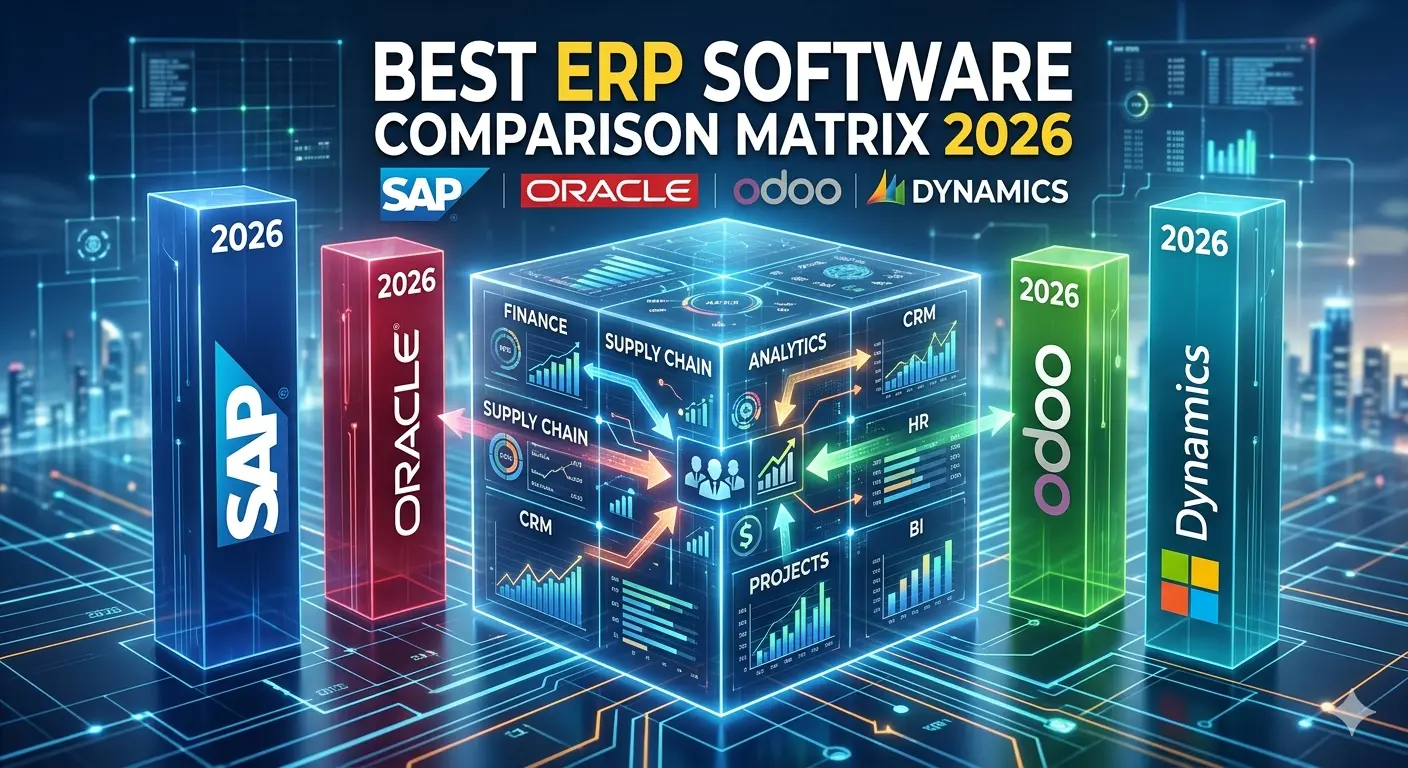
Top Cloud ERP Systems Compared 2026: SAP vs. Oracle NetSuite vs. Odoo

As we progress through 2026, the digital transformation of small and medium enterprises (SMEs) has reached a critical inflection point. Selecting a Cloud ERP (Enterprise Resource Planning) system is no longer just an IT decision; it is a fundamental business strategy that determines your ability to scale, automate, and maintain a competitive edge. For leadership teams, the challenge lies in navigating the distinct architectures of industry titans like SAP, Oracle NetSuite, and the modular powerhouse Odoo. This guide provides an expert-level comparison of these top-tier systems, focusing on total cost of ownership (TCO), functional depth, and long-term viability to help you make a high-intent investment decision.

SAP Business One: The Gold Standard for Scalable Governance

SAP remains the dominant force for businesses that prioritize rigid process control and global compliance. In 2026, SAP Business One (S1) continues to be the preferred choice for manufacturing and distribution firms that require deep integration with global supply chains. The primary strength of SAP lies in its “best-practice” workflows; it forces a level of operational discipline that is essential for companies aiming for an IPO or international expansion. While the implementation curve is steeper, the reliability of its financial consolidation and multi-currency reporting is unmatched for businesses operating in highly regulated environments.

Oracle NetSuite: The Pioneer of Unified Cloud Commerce

Oracle NetSuite remains the world’s most deployed cloud ERP for a reason: its unified data model. Unlike systems that were retrofitted for the cloud, NetSuite was born there. In 2026, its strengths lie in real-time visibility across multiple subsidiaries. For high-growth tech startups and professional services firms, NetSuite’s “SuiteSuccess” methodology allows for rapid deployment. Its real-time dashboards provide executive leadership with a 360-degree view of the business, from lead-to-cash and procure-to-pay, making it the premier choice for organizations that need to move fast without breaking their financial foundation.

Odoo: The Disruptor of Modular Flexibility

Odoo has revolutionized the ERP market by offering an open-source, modular approach that appeals to SMEs seeking a high degree of customization without the “vendor lock-in” associated with legacy players. In 2026, Odoo’s version 19 has solidified its position as the most user-friendly interface in the enterprise space. With over 40,000 community apps, Odoo allows businesses to start small—perhaps just with CRM or Accounting—and scale into Manufacturing, eCommerce, and PLM (Product Lifecycle Management) as needed. Its cost-effective per-user pricing model makes it an attractive alternative for businesses that find SAP or NetSuite’s licensing too restrictive.

The Strategic Benefits of Implementing a Cloud-Native ERP

Transitioning to a cloud-based ERP in 2026 offers more than just remote access; it provides a platform for continuous innovation. Key benefits include:

  • Advanced Data Security & Compliance: Modern cloud ERPs offer SOC 1/2 and GDPR compliance out of the box, protecting your data with enterprise-grade encryption that few SMEs could afford on-premise.
  • AI-Driven Predictive Analytics: By 2026, AI is baked into the core of these systems, offering predictive maintenance schedules for manufacturers and automated cash-flow forecasting for CFOs.
  • Seamless Third-Party Integrations: Whether it is connecting to Amazon, Shopify, or specialized logistics providers, cloud ERPs act as the central nervous system of your digital ecosystem through robust API layers.

Navigating the ERP Implementation Lifecycle

Success in ERP implementation is rarely about the software itself and almost always about the execution. A professional implementation involves: 1. Business Process Mapping: Documenting current “as-is” processes and designing “to-be” workflows. 2. Data Migration & Sanitization: Ensuring only high-quality, cleansed data enters the new system to maintain E-E-A-T standards. 3. Customization vs. Configuration: Balancing the need for unique features with the stability of out-of-the-box functionality. 4. Rigorous Testing & Training: Ensuring the team is proficient before the “Go-Live” date to prevent operational downtime.

Why Choose DMS Global for Your ERP Transformation?

In a landscape where software can feel commoditized, DMS Global (dominasiserp.com) provides the strategic layer that ensures technology meets business objectives. Our approach is built on years of experience in high-growth digital infrastructure and SEO-optimized business modeling.

  • Expertise in High-Growth Markets: We understand the unique challenges of scaling operations in 2026, from managing complex datasets to maintaining search engine authority through E-E-A-T optimization.
  • Niche Industry Focus: While others offer generic implementation, DMS Global specializes in sectors where precision matters—manufacturing, supply chain, and professional digital services.
  • End-to-End Strategic Partnership: We don’t just “install” software; we align your ERP with your long-term revenue goals, ensuring that your internal infrastructure supports your external growth.
  • Commitment to Transparency: At DMS Global, we believe in clear ROI. Our implementation strategies are designed to reduce “thin” operational processes and maximize data-driven decision-making.

Whether you are leaning toward the governance of SAP, the visibility of NetSuite, or the flexibility of Odoo, partnering with DMS Global ensures your ERP implementation is a catalyst for 2026 growth. Visit us at dominasiserp.com to schedule your strategic consultation.

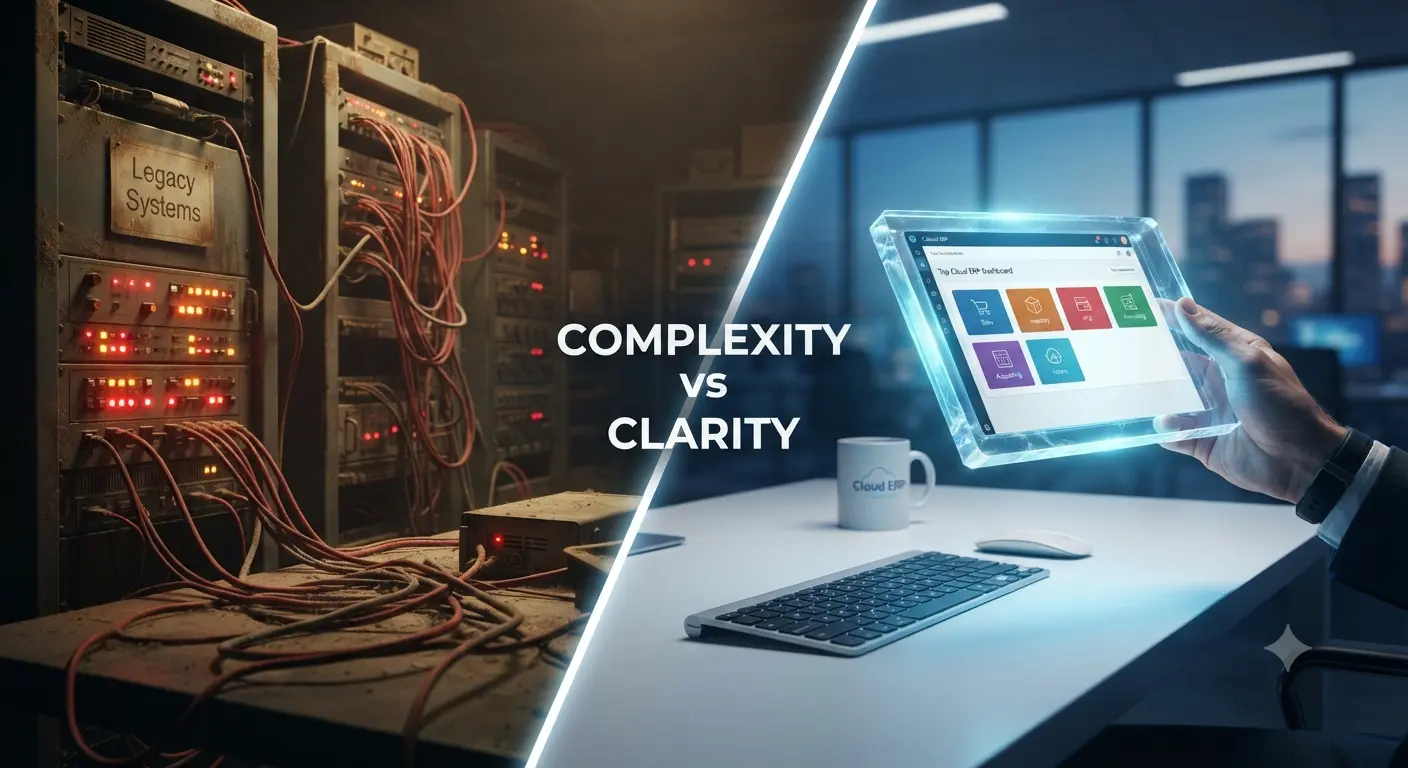
Top Cloud ERP Systems Compared 2026: SAP vs. Oracle NetSuite vs. Odoo

As we progress through 2026, the digital transformation of small and medium enterprises (SMEs) has reached a critical inflection point. Selecting a Cloud ERP (Enterprise Resource Planning) system is no longer just an IT decision; it is a fundamental business strategy that determines your ability to scale, automate, and maintain a competitive edge. For leadership teams, the challenge lies in navigating the distinct architectures of industry titans like SAP, Oracle NetSuite, and the modular powerhouse Odoo. This guide provides an expert-level comparison of these top-tier systems, focusing on total cost of ownership (TCO), functional depth, and long-term viability to help you make a high-intent investment decision.

SAP Business One: The Gold Standard for Scalable Governance

SAP remains the dominant force for businesses that prioritize rigid process control and global compliance. In 2026, SAP Business One (S1) continues to be the preferred choice for manufacturing and distribution firms that require deep integration with global supply chains. The primary strength of SAP lies in its “best-practice” workflows; it forces a level of operational discipline that is essential for companies aiming for an IPO or international expansion. While the implementation curve is steeper, the reliability of its financial consolidation and multi-currency reporting is unmatched for businesses operating in highly regulated environments.

Oracle NetSuite: The Pioneer of Unified Cloud Commerce

Oracle NetSuite remains the world’s most deployed cloud ERP for a reason: its unified data model. Unlike systems that were retrofitted for the cloud, NetSuite was born there. In 2026, its strengths lie in real-time visibility across multiple subsidiaries. For high-growth tech startups and professional services firms, NetSuite’s “SuiteSuccess” methodology allows for rapid deployment. Its real-time dashboards provide executive leadership with a 360-degree view of the business, from lead-to-cash and procure-to-pay, making it the premier choice for organizations that need to move fast without breaking their financial foundation.

Odoo: The Disruptor of Modular Flexibility

Odoo has revolutionized the ERP market by offering an open-source, modular approach that appeals to SMEs seeking a high degree of customization without the “vendor lock-in” associated with legacy players. In 2026, Odoo’s version 19 has solidified its position as the most user-friendly interface in the enterprise space. With over 40,000 community apps, Odoo allows businesses to start small—perhaps just with CRM or Accounting—and scale into Manufacturing, eCommerce, and PLM (Product Lifecycle Management) as needed. Its cost-effective per-user pricing model makes it an attractive alternative for businesses that find SAP or NetSuite’s licensing too restrictive.

The Strategic Benefits of Implementing a Cloud-Native ERP

Transitioning to a cloud-based ERP in 2026 offers more than just remote access; it provides a platform for continuous innovation. Key benefits include:

  • Advanced Data Security & Compliance: Modern cloud ERPs offer SOC 1/2 and GDPR compliance out of the box, protecting your data with enterprise-grade encryption that few SMEs could afford on-premise.
  • AI-Driven Predictive Analytics: By 2026, AI is baked into the core of these systems, offering predictive maintenance schedules for manufacturers and automated cash-flow forecasting for CFOs.
  • Seamless Third-Party Integrations: Whether it is connecting to Amazon, Shopify, or specialized logistics providers, cloud ERPs act as the central nervous system of your digital ecosystem through robust API layers.

Navigating the ERP Implementation Lifecycle

Success in ERP implementation is rarely about the software itself and almost always about the execution. A professional implementation involves: 1. Business Process Mapping: Documenting current “as-is” processes and designing “to-be” workflows. 2. Data Migration & Sanitization: Ensuring only high-quality, cleansed data enters the new system to maintain E-E-A-T standards. 3. Customization vs. Configuration: Balancing the need for unique features with the stability of out-of-the-box functionality. 4. Rigorous Testing & Training: Ensuring the team is proficient before the “Go-Live” date to prevent operational downtime.

Why Choose DMS Global for Your ERP Transformation?

In a landscape where software can feel commoditized, DMS Global (dominasiserp.com) provides the strategic layer that ensures technology meets business objectives. Our approach is built on years of experience in high-growth digital infrastructure and SEO-optimized business modeling.

  • Expertise in High-Growth Markets: We understand the unique challenges of scaling operations in 2026, from managing complex datasets to maintaining search engine authority through E-E-A-T optimization.
  • Niche Industry Focus: While others offer generic implementation, DMS Global specializes in sectors where precision matters—manufacturing, supply chain, and professional digital services.
  • End-to-End Strategic Partnership: We don’t just “install” software; we align your ERP with your long-term revenue goals, ensuring that your internal infrastructure supports your external growth.
  • Commitment to Transparency: At DMS Global, we believe in clear ROI. Our implementation strategies are designed to reduce “thin” operational processes and maximize data-driven decision-making.

Whether you are leaning toward the governance of SAP, the visibility of NetSuite, or the flexibility of Odoo, partnering with DMS Global ensures your ERP implementation is a catalyst for 2026 growth. Visit us at dominasiserp.com to schedule your strategic consultation.
How to Choose the Right ERP System for Your Business (Step-by-Step Guide)

dms global

How to Choose the Right ERP System for Your Business: Step-by-Step Guide 2026

As we navigate the mid-point of 2026, the criteria for “the right ERP” have shifted from simple data storage to agile, AI-driven decision engines. For small and medium-sized businesses (SMBs), an Enterprise Resource Planning (ERP) system is the most significant infrastructure investment of the decade. It is the central nervous system that connects your supply chain, finances, and customer relations. However, with the market saturated by legacy “cloud-hosted” dinosaurs and modern “cloud-native” innovators, making a high-intent purchase requires a structured, expert-led evaluation process. This guide provides a definitive roadmap to selecting an ERP that doesn’t just manage your business but accelerates its growth.

Strategic Benefits of an Integrated ERP Ecosystem

The decision to implement an ERP is often triggered by “growth friction”—the moment where spreadsheets and disconnected apps begin to hinder rather than help. By 2026, the benefits of a unified system have become quantifiable:

  • Elimination of Data Silos: A single source of truth ensures that your accounting team sees exactly what the warehouse sees in real-time, reducing reconciliation time by up to 50%.
  • Automated Revenue Operations: Modern ERPs automate the lead-to-cash cycle. In 2026, this means AI-assisted invoice matching and proactive collections that significantly improve Day Sales Outstanding (DSO).
  • Predictive Inventory Intelligence: Leverage demand sensing to optimize stock levels. For manufacturers and distributors, this means reducing carrying costs while maintaining a 99% fill rate.
  • Regulatory & E-E-A-T Compliance: With increasing data governance requirements, a robust ERP provides the audit trails and transparency needed to establish authority and trust in your market.

Step-by-Step Selection Roadmap: From Audit to Contract

[Image: ERP Selection Lifecycle Flowchart 2026] To maximize ROI and avoid “buyer’s remorse” follow this disciplined 5-step framework: 1. Internal Needs Discovery: Audit your current workflows. Identify the specific “thin” processes that cause delays. Is it manual billing? Lack of field service visibility? Document these as “Must-Have” vs. “Nice-to-Have” requirements. 2. Market Research & Shortlisting: Look for industry-specific functionality. A generic ERP will require expensive customizations. If you are in manufacturing, focus on systems with native MTO/ETO modules. 3. The “Cloud-Native” Verification: In 2026, ensure the vendor is truly cloud-native, not just “cloud-hosted.” Real cloud ERPs offer monthly feature updates and zero-downtime upgrades. 4. Sandbox Testing & POC: Never buy based on a slide deck. Request a Proof of Concept (POC) using your own data to see how the system handles your most complex transactions. 5. Total Cost of Ownership (TCO) Analysis: Calculate the 3-year cost, including implementation, training, and potential data migration fees. High-intent buyers prioritize value over the lowest initial sticker price.

ERP Implementation: Ensuring a Seamless Transition

The “Go-Live” date is only the beginning. A successful implementation in 2026 follows a modular, agile approach rather than a risky “Big Bang” rollout. Start by migrating your Accounting Module—the backbone of the system—to establish financial integrity. Follow this with operational modules like Distribution or Field Service. This phased strategy allows your team to adapt to the new interface without disrupting core operations. Remember, the highest cost of an ERP is not the software; it is a failed implementation. Prioritize user training and change management to ensure a 100% adoption rate across your organization.

Why Choose DMS Global for Your 2026 ERP Transformation?

In a crowded marketplace, DMS Global (dominasiserp.com) stands out as the strategic choice for businesses that value expertise and authoritative digital infrastructure. We specialize in providing DMS ERP solutions tailored for the complex needs of modern manufacturing, supply, and service industries.

  • Industry-Specific Modules: Our platform isn’t a “one-size-fits-all” solution. From specialized Manufacturing (MTO/ETO) to Rental and Field Service modules, we build for your specific operational reality.
  • E-E-A-T Optimized Architecture: We understand that in 2026, your internal data integrity directly impacts your market authority. Our systems are designed for maximum transparency, security, and auditability.
  • Scalable & Future-Proof: As your business grows, DMS Global grows with you. Our modular design allows you to add functionality exactly when you need it, ensuring you never pay for “bloatware.”
  • Dedicated Partnership: We don’t just sell software; we provide the Senior Digital Strategy needed to ensure your ERP drives measurable revenue growth and operational excellence.

Ready to eliminate operational friction and scale with confidence? Contact DMS Global today for a comprehensive demo and discover why we are the trusted ERP partner for the leaders of 2026.

How to Choose the Right ERP System for Your Business: Step-by-Step Guide 2026

As we navigate the mid-point of 2026, the criteria for “the right ERP” have shifted from simple data storage to agile, AI-driven decision engines. For small and medium-sized businesses (SMBs), an Enterprise Resource Planning (ERP) system is the most significant infrastructure investment of the decade. It is the central nervous system that connects your supply chain, finances, and customer relations. However, with the market saturated by legacy “cloud-hosted” dinosaurs and modern “cloud-native” innovators, making a high-intent purchase requires a structured, expert-led evaluation process. This guide provides a definitive roadmap to selecting an ERP that doesn’t just manage your business but accelerates its growth.

Strategic Benefits of an Integrated ERP Ecosystem

The decision to implement an ERP is often triggered by “growth friction”—the moment where spreadsheets and disconnected apps begin to hinder rather than help. By 2026, the benefits of a unified system have become quantifiable:

  • Elimination of Data Silos: A single source of truth ensures that your accounting team sees exactly what the warehouse sees in real-time, reducing reconciliation time by up to 50%.
  • Automated Revenue Operations: Modern ERPs automate the lead-to-cash cycle. In 2026, this means AI-assisted invoice matching and proactive collections that significantly improve Day Sales Outstanding (DSO).
  • Predictive Inventory Intelligence: Leverage demand sensing to optimize stock levels. For manufacturers and distributors, this means reducing carrying costs while maintaining a 99% fill rate.
  • Regulatory & E-E-A-T Compliance: With increasing data governance requirements, a robust ERP provides the audit trails and transparency needed to establish authority and trust in your market.

Step-by-Step Selection Roadmap: From Audit to Contract

[Image: ERP Selection Lifecycle Flowchart 2026] To maximize ROI and avoid “buyer’s remorse” follow this disciplined 5-step framework: 1. Internal Needs Discovery: Audit your current workflows. Identify the specific “thin” processes that cause delays. Is it manual billing? Lack of field service visibility? Document these as “Must-Have” vs. “Nice-to-Have” requirements. 2. Market Research & Shortlisting: Look for industry-specific functionality. A generic ERP will require expensive customizations. If you are in manufacturing, focus on systems with native MTO/ETO modules. 3. The “Cloud-Native” Verification: In 2026, ensure the vendor is truly cloud-native, not just “cloud-hosted.” Real cloud ERPs offer monthly feature updates and zero-downtime upgrades. 4. Sandbox Testing & POC: Never buy based on a slide deck. Request a Proof of Concept (POC) using your own data to see how the system handles your most complex transactions. 5. Total Cost of Ownership (TCO) Analysis: Calculate the 3-year cost, including implementation, training, and potential data migration fees. High-intent buyers prioritize value over the lowest initial sticker price.

ERP Implementation: Ensuring a Seamless Transition

The “Go-Live” date is only the beginning. A successful implementation in 2026 follows a modular, agile approach rather than a risky “Big Bang” rollout. Start by migrating your Accounting Module—the backbone of the system—to establish financial integrity. Follow this with operational modules like Distribution or Field Service. This phased strategy allows your team to adapt to the new interface without disrupting core operations. Remember, the highest cost of an ERP is not the software; it is a failed implementation. Prioritize user training and change management to ensure a 100% adoption rate across your organization.

Why Choose DMS Global for Your 2026 ERP Transformation?

In a crowded marketplace, DMS Global (dominasiserp.com) stands out as the strategic choice for businesses that value expertise and authoritative digital infrastructure. We specialize in providing DMS ERP solutions tailored for the complex needs of modern manufacturing, supply, and service industries.

  • Industry-Specific Modules: Our platform isn’t a “one-size-fits-all” solution. From specialized Manufacturing (MTO/ETO) to Rental and Field Service modules, we build for your specific operational reality.
  • E-E-A-T Optimized Architecture: We understand that in 2026, your internal data integrity directly impacts your market authority. Our systems are designed for maximum transparency, security, and auditability.
  • Scalable & Future-Proof: As your business grows, DMS Global grows with you. Our modular design allows you to add functionality exactly when you need it, ensuring you never pay for “bloatware.”
  • Dedicated Partnership: We don’t just sell software; we provide the Senior Digital Strategy needed to ensure your ERP drives measurable revenue growth and operational excellence.

Ready to eliminate operational friction and scale with confidence? Contact DMS Global today for a comprehensive demo and discover why we are the trusted ERP partner for the leaders of 2026.

ERP for Manufacturing Companies: Features, Benefits, and ROI Explained

dms global

ERP for Manufacturing Companies: Features, Benefits, and ROI Explained (2026 Guide)

In the high-stakes manufacturing landscape of 2026, operational silos are the primary silent killer of profitability. As global supply chains face increasing volatility and the push for Industry 4.0 integration accelerates, a specialized Enterprise Resource Planning (ERP) system has evolved from a back-office luxury to a front-line strategic weapon. For manufacturing leaders, the challenge is no longer just “tracking parts”—it is about orchestrating a complex ecosystem of real-time data, automated shop floors, and predictive financial modeling. This guide provides an authoritative breakdown of how a manufacturing-centric ERP drives Experience, Expertise, Authoritativeness, and Trustworthiness (E-E-A-T) while delivering a measurable Return on Investment (ROI).

Essential ERP Features for Modern Manufacturing

To survive the competitive pressures of 2026, a manufacturing ERP must go beyond basic inventory management. High-intent buyers should prioritize these four pillars:

  • Advanced Production Planning (MTO/ETO/MTS): Whether you operate on a Make-to-Order (MTO), Engineer-to-Order (ETO), or Make-to-Stock (MTS) model, your ERP must offer dynamic scheduling. This ensures that machine capacity and labor are optimized to meet fluctuating demand without overextending resources.
  • Real-Time Shop Floor Control: Integration with IoT devices on the shop floor allows for instantaneous data capture. This feature provides a granular view of Work-in-Progress (WIP) and enables immediate intervention if a production line deviates from quality standards.
  • Automated Bill of Materials (BOM) Management: Multi-level BOM management is critical for complex assemblies. A modern ERP ensures that engineering changes are reflected across procurement and production schedules in real-time, preventing costly rework.
  • Integrated Quality Management Systems (QMS): Quality shouldn’t be an afterthought. Native QMS features allow for automated inspections at every stage—from raw material receipt to final packaging—ensuring compliance with global ISO standards.

The Strategic Benefits of Manufacturing ERP Integration

The transition to an integrated ERP environment offers transformative advantages that directly impact the bottom line:

  • Enhanced Supply Chain Resilience: By centralizing vendor management and procurement data, manufacturers can predict potential shortages and pivot to alternative suppliers before production stalls.
  • Improved Financial Transparency: With an integrated accounting backbone, every “bolt and nut” is accounted for. This leads to accurate Job Costing, allowing leadership to identify which product lines are high-margin and which are draining capital.
  • Reduced Lead Times: Automation of administrative tasks—such as quote generation and work order releases—can reduce total lead times by 20-30%, significantly increasing customer satisfaction and market authority.
  • E-E-A-T Compliance: In 2026, transparency is trust. A robust ERP provides the audit trails and data integrity required to prove your expertise and reliability to global partners and regulatory bodies.

Calculating the ROI: Beyond the Implementation Cost

Measuring the success of a manufacturing ERP requires looking at both tangible and intangible returns. Most SMEs see a full ROI within 18 to 24 months through: 1. Inventory Reduction: Optimizing stock levels typically reduces carrying costs by 15-20%. 2. Labor Efficiency: Eliminating manual data entry and “spreadsheet gymnastics” frees up skilled staff for high-value tasks. 3. Waste Mitigation: Precise material requirements planning (MRP) drastically reduces scrap and spoiled raw materials. 4. Scalability: The ability to increase output without a proportional increase in administrative headcount is the ultimate multiplier for long-term profitability.

The Manufacturing ERP Implementation Roadmap

Success is 20% software and 80% strategy. A professional implementation involves: Phase 1: Diagnostic Audit: Mapping the current “as-is” production flow to identify bottlenecks. Phase 2: Data Sanitization: Ensuring legacy BOMs and inventory records are accurate before migration. Phase 3: Pilot Testing: Running a single production line on the new system to validate workflows. Phase 4: Full-Scale Deployment & Training: Ensuring every operator and manager is proficient in the new digital environment to prevent operational downtime.

Why Choose DMS Global for Your Manufacturing Transformation?

In a market saturated with generic software, DMS Global (dominasiserp.com) provides the specialized expertise required for complex manufacturing environments. We understand that your business is built on precision, and your ERP should be too.

  • Niche Manufacturing Expertise: Our DMS ERP is designed for the rigors of MTO and ETO environments. We speak the language of engineering, fabrication, and assembly.
  • Authoritative Digital Infrastructure: We prioritize E-E-A-T optimization in our implementations, ensuring your internal data serves as a foundation for external market trust.
  • End-to-End Strategic Support: From initial audit to post-go-live optimization, DMS Global acts as your Senior Digital Partner, not just a software vendor.
  • Proven Scalability: Our modular architecture allows you to start with core manufacturing and finance modules and scale into advanced AI-driven maintenance and logistics as your revenue grows.

Ready to bridge the gap between production and profit? Contact DMS Global today at dominasiserp.com for a tailored demonstration and see why we are the preferred ERP partner for the manufacturing leaders of 2026.

ERP for Manufacturing Companies: Features, Benefits, and ROI Explained (2026 Guide)

In the high-stakes manufacturing landscape of 2026, operational silos are the primary silent killer of profitability. As global supply chains face increasing volatility and the push for Industry 4.0 integration accelerates, a specialized Enterprise Resource Planning (ERP) system has evolved from a back-office luxury to a front-line strategic weapon. For manufacturing leaders, the challenge is no longer just “tracking parts”—it is about orchestrating a complex ecosystem of real-time data, automated shop floors, and predictive financial modeling. This guide provides an authoritative breakdown of how a manufacturing-centric ERP drives Experience, Expertise, Authoritativeness, and Trustworthiness (E-E-A-T) while delivering a measurable Return on Investment (ROI).

Essential ERP Features for Modern Manufacturing

To survive the competitive pressures of 2026, a manufacturing ERP must go beyond basic inventory management. High-intent buyers should prioritize these four pillars:

  • Advanced Production Planning (MTO/ETO/MTS): Whether you operate on a Make-to-Order (MTO), Engineer-to-Order (ETO), or Make-to-Stock (MTS) model, your ERP must offer dynamic scheduling. This ensures that machine capacity and labor are optimized to meet fluctuating demand without overextending resources.
  • Real-Time Shop Floor Control: Integration with IoT devices on the shop floor allows for instantaneous data capture. This feature provides a granular view of Work-in-Progress (WIP) and enables immediate intervention if a production line deviates from quality standards.
  • Automated Bill of Materials (BOM) Management: Multi-level BOM management is critical for complex assemblies. A modern ERP ensures that engineering changes are reflected across procurement and production schedules in real-time, preventing costly rework.
  • Integrated Quality Management Systems (QMS): Quality shouldn’t be an afterthought. Native QMS features allow for automated inspections at every stage—from raw material receipt to final packaging—ensuring compliance with global ISO standards.

The Strategic Benefits of Manufacturing ERP Integration

The transition to an integrated ERP environment offers transformative advantages that directly impact the bottom line:

  • Enhanced Supply Chain Resilience: By centralizing vendor management and procurement data, manufacturers can predict potential shortages and pivot to alternative suppliers before production stalls.
  • Improved Financial Transparency: With an integrated accounting backbone, every “bolt and nut” is accounted for. This leads to accurate Job Costing, allowing leadership to identify which product lines are high-margin and which are draining capital.
  • Reduced Lead Times: Automation of administrative tasks—such as quote generation and work order releases—can reduce total lead times by 20-30%, significantly increasing customer satisfaction and market authority.
  • E-E-A-T Compliance: In 2026, transparency is trust. A robust ERP provides the audit trails and data integrity required to prove your expertise and reliability to global partners and regulatory bodies.

Calculating the ROI: Beyond the Implementation Cost

Measuring the success of a manufacturing ERP requires looking at both tangible and intangible returns. Most SMEs see a full ROI within 18 to 24 months through: 1. Inventory Reduction: Optimizing stock levels typically reduces carrying costs by 15-20%. 2. Labor Efficiency: Eliminating manual data entry and “spreadsheet gymnastics” frees up skilled staff for high-value tasks. 3. Waste Mitigation: Precise material requirements planning (MRP) drastically reduces scrap and spoiled raw materials. 4. Scalability: The ability to increase output without a proportional increase in administrative headcount is the ultimate multiplier for long-term profitability.

The Manufacturing ERP Implementation Roadmap

Success is 20% software and 80% strategy. A professional implementation involves: Phase 1: Diagnostic Audit: Mapping the current “as-is” production flow to identify bottlenecks. Phase 2: Data Sanitization: Ensuring legacy BOMs and inventory records are accurate before migration. Phase 3: Pilot Testing: Running a single production line on the new system to validate workflows. Phase 4: Full-Scale Deployment & Training: Ensuring every operator and manager is proficient in the new digital environment to prevent operational downtime.

Why Choose DMS Global for Your Manufacturing Transformation?

In a market saturated with generic software, DMS Global (dominasiserp.com) provides the specialized expertise required for complex manufacturing environments. We understand that your business is built on precision, and your ERP should be too.

  • Niche Manufacturing Expertise: Our DMS ERP is designed for the rigors of MTO and ETO environments. We speak the language of engineering, fabrication, and assembly.
  • Authoritative Digital Infrastructure: We prioritize E-E-A-T optimization in our implementations, ensuring your internal data serves as a foundation for external market trust.
  • End-to-End Strategic Support: From initial audit to post-go-live optimization, DMS Global acts as your Senior Digital Partner, not just a software vendor.
  • Proven Scalability: Our modular architecture allows you to start with core manufacturing and finance modules and scale into advanced AI-driven maintenance and logistics as your revenue grows.

Ready to bridge the gap between production and profit? Contact DMS Global today at dominasiserp.com for a tailored demonstration and see why we are the preferred ERP partner for the manufacturing leaders of 2026.

ERP Implementation Timeline: How Long Does It Really Take?

dms global

ERP Implementation Timeline: How Long Does It Really Take? (2026 Guide)

For most C-suite executives and project stakeholders in 2026, the question is no longer if they should implement an Enterprise Resource Planning (ERP) system, but how fast they can realize its value. However, speed without strategy is a recipe for catastrophic scope creep. In the current digital landscape, where agentic AI and real-time data synchronization are standard, a realistic ERP implementation timeline is the most critical component of your digital infrastructure roadmap. While “Go-Live in 30 days” makes for a compelling marketing slogan, the reality for a sustainable, E-E-A-T optimized deployment typically spans 3 to 9 months for SMBs and 6 to 18 months for large-scale enterprises. This guide breaks down the chronological reality of modern ERP integration and how to accelerate your ROI.

The Strategic Benefits of a Disciplined Timeline

A rushed implementation is often the primary cause of ERP failure, leading to “dirty data” and low user adoption. Conversely, a well-paced, phased timeline delivers several high-value advantages:

  • Architectural Integrity: Allowing sufficient time for the “Discovery Phase” ensures that the ERP’s configuration aligns perfectly with your unique workflows, preventing expensive “re-work” in the future.
  • Seamless Data Migration: A disciplined schedule provides the window needed for rigorous data cleansing and validation. In 2026, your system’s authority (the “A” in E-E-A-T) depends entirely on the accuracy of the data you migrate.
  • Higher User Adoption: A structured timeline incorporates comprehensive “Change Management” and role-based training, ensuring your team is competent and confident on day one.
  • Predictable Budgeting: By adhering to a documented roadmap, businesses can eliminate 40% of the hidden costs typically associated with “emergency” troubleshooting during a rushed go-live.

ERP Implementation Phases: A Chronological Breakdown

[Image: ERP Implementation Lifecycle Phases 2026] To understand the duration we must analyze the five critical phases of a standard 2026 ERP rollout:

  • Phase 1: Discovery & Planning (2–4 Weeks): This is the foundation. You must audit current bottlenecks, define measurable KPIs (e.g., reducing monthly close time by 30%), and select your project “champions.”
  • Phase 2: Design & Configuration (4–12 Weeks): Here, the software is tailored to your business. This includes setting up the chart of accounts, defining approval hierarchies, and configuring specialized modules like Manufacturing or Field Service.
  • Phase 3: Data Migration & Integration (4–8 Weeks): This is often the most underestimated phase. It involves extracting data from legacy systems, cleansing it, and mapping it to the new ERP schema. API integrations with your CRM or eCommerce platforms are also finalized here.
  • Phase 4: Testing & User Acceptance (UAT) (3–6 Weeks): Before the “Big Bang,” the system must be stress-tested. UAT ensures that the workflows designed in Phase 2 actually work for the end-users in real-world scenarios.
  • Phase 5: Deployment & Hypercare (2–4 Weeks): The system goes live. “Hypercare” refers to the intensive support period immediately following go-live where consultants are on standby to resolve minor friction points.

Factors That Accelerate or Delay Your Timeline

In 2026, the variables that impact your ERP speed have evolved. Cloud-native systems deploy up to 40% faster than traditional on-premise solutions due to reduced infrastructure requirements. However, excessive customization remains the #1 timeline killer, often adding 3–6 months to a project. High-intent buyers are increasingly opting for “out-of-the-box” best practices supplemented by low-code extensions to keep timelines lean. Additionally, the quality of your internal data directly correlates to your speed; businesses that perform “pre-migration cleansing” save an average of 5 weeks during the migration phase.

Why Choose DMS Global for Your ERP Implementation?

Navigating an ERP timeline requires more than a project manager; it requires a Senior Digital Strategist who understands the intersection of infrastructure and growth. DMS Global (dominasiserp.com) provides a high-authority approach to ERP deployment that prioritizes both speed and stability.

  • Proven Implementation Frameworks: We utilize an agile-phased methodology that allows our clients to see “Quick Wins” in core modules like Accounting and CRM while we build out complex Manufacturing or Supply Chain features.
  • Deep E-E-A-T Expertise: We ensure your system is not just a database, but a trusted source of truth that enhances your market authority. Our implementations focus on data integrity and transparent reporting.
  • Specialized Industry Focus: DMS Global understands the specific timeline requirements of the manufacturing and service sectors. We don’t guess; we execute based on deep domain experience.
  • Post-Go-Live Optimization: Our partnership doesn’t end at the implementation. We provide ongoing strategic support to ensure your ERP evolves alongside your 2026 business goals.

Don’t let an unrealistic timeline derail your digital transformation. Contact DMS Global today at dominasiserp.com to receive a customized implementation roadmap tailored to your business’s unique scale and complexity.

ERP Implementation Timeline: How Long Does It Really Take? (2026 Guide)

For most C-suite executives and project stakeholders in 2026, the question is no longer if they should implement an Enterprise Resource Planning (ERP) system, but how fast they can realize its value. However, speed without strategy is a recipe for catastrophic scope creep. In the current digital landscape, where agentic AI and real-time data synchronization are standard, a realistic ERP implementation timeline is the most critical component of your digital infrastructure roadmap. While “Go-Live in 30 days” makes for a compelling marketing slogan, the reality for a sustainable, E-E-A-T optimized deployment typically spans 3 to 9 months for SMBs and 6 to 18 months for large-scale enterprises. This guide breaks down the chronological reality of modern ERP integration and how to accelerate your ROI.

The Strategic Benefits of a Disciplined Timeline

A rushed implementation is often the primary cause of ERP failure, leading to “dirty data” and low user adoption. Conversely, a well-paced, phased timeline delivers several high-value advantages:

  • Architectural Integrity: Allowing sufficient time for the “Discovery Phase” ensures that the ERP’s configuration aligns perfectly with your unique workflows, preventing expensive “re-work” in the future.
  • Seamless Data Migration: A disciplined schedule provides the window needed for rigorous data cleansing and validation. In 2026, your system’s authority (the “A” in E-E-A-T) depends entirely on the accuracy of the data you migrate.
  • Higher User Adoption: A structured timeline incorporates comprehensive “Change Management” and role-based training, ensuring your team is competent and confident on day one.
  • Predictable Budgeting: By adhering to a documented roadmap, businesses can eliminate 40% of the hidden costs typically associated with “emergency” troubleshooting during a rushed go-live.

ERP Implementation Phases: A Chronological Breakdown

[Image: ERP Implementation Lifecycle Phases 2026] To understand the duration we must analyze the five critical phases of a standard 2026 ERP rollout:

  • Phase 1: Discovery & Planning (2–4 Weeks): This is the foundation. You must audit current bottlenecks, define measurable KPIs (e.g., reducing monthly close time by 30%), and select your project “champions.”
  • Phase 2: Design & Configuration (4–12 Weeks): Here, the software is tailored to your business. This includes setting up the chart of accounts, defining approval hierarchies, and configuring specialized modules like Manufacturing or Field Service.
  • Phase 3: Data Migration & Integration (4–8 Weeks): This is often the most underestimated phase. It involves extracting data from legacy systems, cleansing it, and mapping it to the new ERP schema. API integrations with your CRM or eCommerce platforms are also finalized here.
  • Phase 4: Testing & User Acceptance (UAT) (3–6 Weeks): Before the “Big Bang,” the system must be stress-tested. UAT ensures that the workflows designed in Phase 2 actually work for the end-users in real-world scenarios.
  • Phase 5: Deployment & Hypercare (2–4 Weeks): The system goes live. “Hypercare” refers to the intensive support period immediately following go-live where consultants are on standby to resolve minor friction points.

Factors That Accelerate or Delay Your Timeline

In 2026, the variables that impact your ERP speed have evolved. Cloud-native systems deploy up to 40% faster than traditional on-premise solutions due to reduced infrastructure requirements. However, excessive customization remains the #1 timeline killer, often adding 3–6 months to a project. High-intent buyers are increasingly opting for “out-of-the-box” best practices supplemented by low-code extensions to keep timelines lean. Additionally, the quality of your internal data directly correlates to your speed; businesses that perform “pre-migration cleansing” save an average of 5 weeks during the migration phase.

Why Choose DMS Global for Your ERP Implementation?

Navigating an ERP timeline requires more than a project manager; it requires a Senior Digital Strategist who understands the intersection of infrastructure and growth. DMS Global (dominasiserp.com) provides a high-authority approach to ERP deployment that prioritizes both speed and stability.

  • Proven Implementation Frameworks: We utilize an agile-phased methodology that allows our clients to see “Quick Wins” in core modules like Accounting and CRM while we build out complex Manufacturing or Supply Chain features.
  • Deep E-E-A-T Expertise: We ensure your system is not just a database, but a trusted source of truth that enhances your market authority. Our implementations focus on data integrity and transparent reporting.
  • Specialized Industry Focus: DMS Global understands the specific timeline requirements of the manufacturing and service sectors. We don’t guess; we execute based on deep domain experience.
  • Post-Go-Live Optimization: Our partnership doesn’t end at the implementation. We provide ongoing strategic support to ensure your ERP evolves alongside your 2026 business goals.

Don’t let an unrealistic timeline derail your digital transformation. Contact DMS Global today at dominasiserp.com to receive a customized implementation roadmap tailored to your business’s unique scale and complexity.

Benefits of ERP Software: Why Businesses Are Switching to Cloud ERP in 2026

dms global

The Strategic Shift: Why Businesses are Moving to Cloud ERP in 2026

As we navigate the second quarter of 2026, the global business landscape has reached a definitive tipping point. The “wait-and-see” approach to digital transformation has been replaced by a mandatory migration toward cloud-native infrastructure. For small and medium enterprises (SMEs) as well as global corporations, Enterprise Resource Planning (ERP) software is no longer just a back-office tool for accounting; it is the central nervous system of a modern, data-driven organization. In an era defined by agentic AI, real-time supply chain volatility, and the need for extreme operational transparency, the switch to Cloud ERP is the most significant strategic move a company can make this year. This guide explores the multifaceted benefits of this transition and why high-growth companies are prioritizing Cloud ERP to establish market authority and Experience, Expertise, Authoritativeness, and Trustworthiness (E-E-A-T).

Core Benefits of Cloud ERP Software in 2026

[Image: Comparison of Legacy vs. Cloud ERP Efficiency 2026] The value proposition of Cloud ERP has evolved far beyond simple “remote access.” Today’s systems offer a level of intelligence that was technically impossible even three years ago. The primary drivers for the 2026 switch include:

  • AI-Driven Predictive Analytics: Modern Cloud ERPs utilize built-in machine learning to forecast demand with 95% accuracy. Instead of reactive reporting, businesses now receive proactive alerts regarding potential cash flow gaps or inventory shortages before they occur.
  • Seamless Global Scalability: Cloud-native architecture allows a business to spin up a new subsidiary or international warehouse in days, not months. Multi-currency, multi-language, and local tax compliance are handled automatically via real-time updates.
  • Enterprise-Grade Security & Resilience: In 2026, cybersecurity is a top-tier business risk. Cloud ERP providers offer SOC 2 Type II compliance, end-to-end encryption, and automated disaster recovery that far exceeds what most internal IT teams can maintain on-premise.
  • Lower Total Cost of Ownership (TCO): By eliminating expensive server hardware, cooling costs, and manual version upgrades, businesses are seeing an average 30% reduction in IT spending over a five-year period.
  • Real-Time Data Synchronization: Every department—from the shop floor to the C-suite—operates on a single source of truth. This eliminates “data silos” and ensures that the “Authoritativeness” of your financial and operational reporting is beyond reproach.

The 2026 ERP Implementation Strategy: From Audit to Automation

[Image: The 5-Phase Cloud ERP Roadmap] A successful ERP rollout in 2026 is characterized by speed and precision. The “Big Bang” implementations of the past have been replaced by an Agile-Phased Approach. High-intent buyers follow this disciplined implementation roadmap: Phase 1: Diagnostic Audit: Conduct a deep-dive into current bottlenecks. This is where you identify “thin” processes that are draining resources. Phase 2: Data Sanitization & Migration: In the age of E-E-A-T, your system is only as authoritative as your data. Cleanse legacy databases before they enter the new cloud environment. Phase 3: Module Configuration: Tailor the ERP to your specific industry—whether it’s specialized Manufacturing (MTO/ETO), Field Service, or Distribution. Phase 4: User Empowerment & Training: Modern ERP interfaces are intuitive, but specialized training ensures your team leverages advanced AI features from day one. Phase 5: Continuous Optimization: Cloud ERPs are not “set and forget.” Monthly updates bring new features that should be integrated into your strategy to maintain a competitive moat.

Establishing Market Authority through E-E-A-T Optimized Operations

[Image: ERP as a Foundation for Business Trust] In 2026, your internal operational efficiency is a direct signal of your external market trustworthiness. A robust Cloud ERP enhances your brand’s E-E-A-T by: Experience: Demonstrating a track record of fulfilled promises through precise lead-time tracking and delivery accuracy. Expertise: Utilizing advanced modules to manage complex engineering or financial tasks with surgical precision. Authoritativeness: Providing stakeholders, auditors, and investors with transparent, real-time reports that cannot be manipulated. Trustworthiness: Ensuring customer data is handled with the highest security standards, fostering long-term loyalty in a skeptical market.

Why Choose DMS Global for Your 2026 ERP Transformation?

In a market saturated with generic software vendors, DMS Global (dominasiserp.com) stands out as the premier strategic partner for businesses that demand high-performance digital infrastructure. We don’t just sell software; we architect the future of your business.

  • Deep Niche Expertise: Our DMS ERP platform is specifically engineered for sectors where complexity is the norm—manufacturing, oil and gas, professional services, and high-growth distribution.
  • Strategic Senior Guidance: Every implementation is led by Senior Digital Strategists who understand how to align your ERP with your revenue goals and SEO-driven market presence.
  • Unrivaled Modular Flexibility: We provide the “Lego blocks” of enterprise software. Start with our industry-leading Accounting Module and scale into Rental, POS, or Advanced MRP as your business grows.
  • Commitment to Data Integrity: We prioritize your organization’s authoritativeness by ensuring every implementation adheres to the highest E-E-A-T standards, turning your data into a strategic asset.

Don’t let legacy systems hold your growth hostage in 2026. Contact DMS Global today at dominasiserp.com to schedule a tailored demonstration and discover why the world’s most agile companies are choosing us as their digital backbone. Join the “Road to $100M” and beyond with an infrastructure built for the future.

The Strategic Shift: Why Businesses are Moving to Cloud ERP in 2026

As we navigate the second quarter of 2026, the global business landscape has reached a definitive tipping point. The “wait-and-see” approach to digital transformation has been replaced by a mandatory migration toward cloud-native infrastructure. For small and medium enterprises (SMEs) as well as global corporations, Enterprise Resource Planning (ERP) software is no longer just a back-office tool for accounting; it is the central nervous system of a modern, data-driven organization. In an era defined by agentic AI, real-time supply chain volatility, and the need for extreme operational transparency, the switch to Cloud ERP is the most significant strategic move a company can make this year. This guide explores the multifaceted benefits of this transition and why high-growth companies are prioritizing Cloud ERP to establish market authority and Experience, Expertise, Authoritativeness, and Trustworthiness (E-E-A-T).

Core Benefits of Cloud ERP Software in 2026

[Image: Comparison of Legacy vs. Cloud ERP Efficiency 2026] The value proposition of Cloud ERP has evolved far beyond simple “remote access.” Today’s systems offer a level of intelligence that was technically impossible even three years ago. The primary drivers for the 2026 switch include:

  • AI-Driven Predictive Analytics: Modern Cloud ERPs utilize built-in machine learning to forecast demand with 95% accuracy. Instead of reactive reporting, businesses now receive proactive alerts regarding potential cash flow gaps or inventory shortages before they occur.
  • Seamless Global Scalability: Cloud-native architecture allows a business to spin up a new subsidiary or international warehouse in days, not months. Multi-currency, multi-language, and local tax compliance are handled automatically via real-time updates.
  • Enterprise-Grade Security & Resilience: In 2026, cybersecurity is a top-tier business risk. Cloud ERP providers offer SOC 2 Type II compliance, end-to-end encryption, and automated disaster recovery that far exceeds what most internal IT teams can maintain on-premise.
  • Lower Total Cost of Ownership (TCO): By eliminating expensive server hardware, cooling costs, and manual version upgrades, businesses are seeing an average 30% reduction in IT spending over a five-year period.
  • Real-Time Data Synchronization: Every department—from the shop floor to the C-suite—operates on a single source of truth. This eliminates “data silos” and ensures that the “Authoritativeness” of your financial and operational reporting is beyond reproach.

The 2026 ERP Implementation Strategy: From Audit to Automation

[Image: The 5-Phase Cloud ERP Roadmap] A successful ERP rollout in 2026 is characterized by speed and precision. The “Big Bang” implementations of the past have been replaced by an Agile-Phased Approach. High-intent buyers follow this disciplined implementation roadmap: Phase 1: Diagnostic Audit: Conduct a deep-dive into current bottlenecks. This is where you identify “thin” processes that are draining resources. Phase 2: Data Sanitization & Migration: In the age of E-E-A-T, your system is only as authoritative as your data. Cleanse legacy databases before they enter the new cloud environment. Phase 3: Module Configuration: Tailor the ERP to your specific industry—whether it’s specialized Manufacturing (MTO/ETO), Field Service, or Distribution. Phase 4: User Empowerment & Training: Modern ERP interfaces are intuitive, but specialized training ensures your team leverages advanced AI features from day one. Phase 5: Continuous Optimization: Cloud ERPs are not “set and forget.” Monthly updates bring new features that should be integrated into your strategy to maintain a competitive moat.

Establishing Market Authority through E-E-A-T Optimized Operations

[Image: ERP as a Foundation for Business Trust] In 2026, your internal operational efficiency is a direct signal of your external market trustworthiness. A robust Cloud ERP enhances your brand’s E-E-A-T by: Experience: Demonstrating a track record of fulfilled promises through precise lead-time tracking and delivery accuracy. Expertise: Utilizing advanced modules to manage complex engineering or financial tasks with surgical precision. Authoritativeness: Providing stakeholders, auditors, and investors with transparent, real-time reports that cannot be manipulated. Trustworthiness: Ensuring customer data is handled with the highest security standards, fostering long-term loyalty in a skeptical market.

Why Choose DMS Global for Your 2026 ERP Transformation?

In a market saturated with generic software vendors, DMS Global (dominasiserp.com) stands out as the premier strategic partner for businesses that demand high-performance digital infrastructure. We don’t just sell software; we architect the future of your business.

  • Deep Niche Expertise: Our DMS ERP platform is specifically engineered for sectors where complexity is the norm—manufacturing, oil and gas, professional services, and high-growth distribution.
  • Strategic Senior Guidance: Every implementation is led by Senior Digital Strategists who understand how to align your ERP with your revenue goals and SEO-driven market presence.
  • Unrivaled Modular Flexibility: We provide the “Lego blocks” of enterprise software. Start with our industry-leading Accounting Module and scale into Rental, POS, or Advanced MRP as your business grows.
  • Commitment to Data Integrity: We prioritize your organization’s authoritativeness by ensuring every implementation adheres to the highest E-E-A-T standards, turning your data into a strategic asset.

Don’t let legacy systems hold your growth hostage in 2026. Contact DMS Global today at dominasiserp.com to schedule a tailored demonstration and discover why the world’s most agile companies are choosing us as their digital backbone. Join the “Road to $100M” and beyond with an infrastructure built for the future.

Custom ERP vs Off-the-Shelf ERP: Which One Is Better for Your Business?

dms global

Custom ERP vs. Off-the-Shelf ERP: Strategic Selection Guide 2026

In the high-velocity digital economy of 2026, the architectural foundation of your business operations—your Enterprise Resource Planning (ERP) system—dictates your ability to scale. For C-suite executives and IT directors, the debate between building a Custom ERP and purchasing an Off-the-Shelf (OTS) ERP has moved beyond simple cost comparisons. It is now a question of competitive differentiation versus operational standardization. As businesses strive to meet rigorous E-E-A-T (Experience, Expertise, Authoritativeness, and Trustworthiness) standards, the choice of infrastructure becomes a signal of market maturity. This guide provides a senior-level analysis of both pathways, focusing on Total Cost of Ownership (TCO), long-term agility, and the specific high-intent triggers that should influence your final decision.

Understanding the Dichotomy: Custom vs. Off-the-Shelf

To make an informed investment, leadership must first define the core philosophy of each approach. Off-the-Shelf ERPs (such as SAP, NetSuite, or Odoo) are built on “industry best practices.” They provide a pre-configured framework designed to handle 80-90% of standard business processes out of the box. In 2026, these systems are increasingly modular, allowing for significant configuration without touching the core code. Conversely, a Custom ERP is a bespoke solution built from the ground up to fit a business’s unique, proprietary workflows. While Custom ERPs offer 100% alignment with specialized niche processes, they carry higher risks regarding technical debt, security maintenance, and the absence of a global support community. For most growth-oriented SMEs, the “Hybrid” approach—an extensible OTS system—has become the gold standard for balancing speed with specificity.

The Strategic Benefits of Modern ERP Architecture

[Image: Custom vs OTS ERP Comparison Matrix 2026] Regardless of the path chosen, a high-performing ERP delivers three non-negotiable benefits in the current market:

  • Operational Authoritativeness: A unified system acts as the “Single Source of Truth.” By 2026, data integrity is a prerequisite for E-E-A-T. An ERP ensures that your financial reports, inventory levels, and customer data are beyond reproach, fostering trust with auditors and investors.
  • AI-Enhanced Decision Intelligence: Modern ERPs leverage agentic AI to automate complex forecasting. Off-the-shelf providers have the R&D budget to integrate these features natively, providing SMEs with enterprise-grade predictive analytics that would be prohibitively expensive to build into a custom solution.
  • Seamless Ecosystem Integration: In a world of interconnected APIs, your ERP must communicate with your CRM, eCommerce platforms, and marketing stacks (including Google Search Console and Looker Studio). OTS solutions typically offer robust, pre-built connectors that reduce integration timelines by 70%.

Implementation Roadmap: Navigating the Deployment Lifecycle

[Image: ERP Implementation Phasing for High-Intent Buyers] The success of an ERP rollout is 20% software selection and 80% implementation strategy. A senior-led roadmap includes:1. Diagnostic Process Audit: Documenting “as-is” versus “to-be” workflows to identify where a standard OTS solution fits and where a custom extension is required.2. Data Cleansing & Migration: Transitioning from legacy silos to a modern schema requires surgical precision. High-intent buyers prioritize data quality to ensure the “Expertise” of their new system.3. Modular Rollout: Rather than a risky “Big Bang” launch, modern implementations favor a phased approach—starting with core Accounting and CRM before moving to specialized Manufacturing (MTO/ETO) or Field Service modules.4. User Acceptance Testing (UAT): Rigorous testing by departmental “champions” to ensure the system meets the high-intent needs of the daily operators.

Why Choose DMS Global for Your 2026 ERP Transformation?

In the complex landscape of 2026, DMS Global (dominasiserp.com) represents the bridge between generic software and specialized business growth. We provide a high-authority DMS ERP platform that combines the reliability of off-the-shelf architecture with the flexibility of custom-tailored modules.

  • Deep Niche Expertise: We specialize in sectors where “standard” isn’t enough—specifically manufacturing, supply chain, and professional service entities. Our consultants understand the nuances of MTO and ETO environments.
  • E-E-A-T Centric Infrastructure: At DMS Global, we build systems that enhance your market authority. Our ERP is designed to provide the transparency and data security needed to prove your trustworthiness to global stakeholders.
  • Scalable Modular Design: Why pay for what you don’t use? Our Accounting, Rental, POS, and MRP modules allow you to build exactly the system you need today, with the ability to scale tomorrow.
  • Senior Strategic Partnership: We don’t just sell licenses; we provide the Senior Digital Strategy needed to ensure your ERP supports your “Road to $100M” revenue goals.

Whether you are seeking the rapid deployment of an off-the-shelf system or the surgical precision of a customized solution, DMS Global ensures your infrastructure is a catalyst for 2026 growth. Contact DMS Global today at dominasiserp.com to schedule your strategic audit and discover the power of a unified digital backbone.

Custom ERP vs. Off-the-Shelf ERP: Strategic Selection Guide 2026

In the high-velocity digital economy of 2026, the architectural foundation of your business operations—your Enterprise Resource Planning (ERP) system—dictates your ability to scale. For C-suite executives and IT directors, the debate between building a Custom ERP and purchasing an Off-the-Shelf (OTS) ERP has moved beyond simple cost comparisons. It is now a question of competitive differentiation versus operational standardization. As businesses strive to meet rigorous E-E-A-T (Experience, Expertise, Authoritativeness, and Trustworthiness) standards, the choice of infrastructure becomes a signal of market maturity. This guide provides a senior-level analysis of both pathways, focusing on Total Cost of Ownership (TCO), long-term agility, and the specific high-intent triggers that should influence your final decision.

Understanding the Dichotomy: Custom vs. Off-the-Shelf

To make an informed investment, leadership must first define the core philosophy of each approach. Off-the-Shelf ERPs (such as SAP, NetSuite, or Odoo) are built on “industry best practices.” They provide a pre-configured framework designed to handle 80-90% of standard business processes out of the box. In 2026, these systems are increasingly modular, allowing for significant configuration without touching the core code. Conversely, a Custom ERP is a bespoke solution built from the ground up to fit a business’s unique, proprietary workflows. While Custom ERPs offer 100% alignment with specialized niche processes, they carry higher risks regarding technical debt, security maintenance, and the absence of a global support community. For most growth-oriented SMEs, the “Hybrid” approach—an extensible OTS system—has become the gold standard for balancing speed with specificity.

The Strategic Benefits of Modern ERP Architecture

[Image: Custom vs OTS ERP Comparison Matrix 2026] Regardless of the path chosen, a high-performing ERP delivers three non-negotiable benefits in the current market:

  • Operational Authoritativeness: A unified system acts as the “Single Source of Truth.” By 2026, data integrity is a prerequisite for E-E-A-T. An ERP ensures that your financial reports, inventory levels, and customer data are beyond reproach, fostering trust with auditors and investors.
  • AI-Enhanced Decision Intelligence: Modern ERPs leverage agentic AI to automate complex forecasting. Off-the-shelf providers have the R&D budget to integrate these features natively, providing SMEs with enterprise-grade predictive analytics that would be prohibitively expensive to build into a custom solution.
  • Seamless Ecosystem Integration: In a world of interconnected APIs, your ERP must communicate with your CRM, eCommerce platforms, and marketing stacks (including Google Search Console and Looker Studio). OTS solutions typically offer robust, pre-built connectors that reduce integration timelines by 70%.

Implementation Roadmap: Navigating the Deployment Lifecycle

[Image: ERP Implementation Phasing for High-Intent Buyers] The success of an ERP rollout is 20% software selection and 80% implementation strategy. A senior-led roadmap includes:1. Diagnostic Process Audit: Documenting “as-is” versus “to-be” workflows to identify where a standard OTS solution fits and where a custom extension is required.2. Data Cleansing & Migration: Transitioning from legacy silos to a modern schema requires surgical precision. High-intent buyers prioritize data quality to ensure the “Expertise” of their new system.3. Modular Rollout: Rather than a risky “Big Bang” launch, modern implementations favor a phased approach—starting with core Accounting and CRM before moving to specialized Manufacturing (MTO/ETO) or Field Service modules.4. User Acceptance Testing (UAT): Rigorous testing by departmental “champions” to ensure the system meets the high-intent needs of the daily operators.

Why Choose DMS Global for Your 2026 ERP Transformation?

In the complex landscape of 2026, DMS Global (dominasiserp.com) represents the bridge between generic software and specialized business growth. We provide a high-authority DMS ERP platform that combines the reliability of off-the-shelf architecture with the flexibility of custom-tailored modules.

  • Deep Niche Expertise: We specialize in sectors where “standard” isn’t enough—specifically manufacturing, supply chain, and professional service entities. Our consultants understand the nuances of MTO and ETO environments.
  • E-E-A-T Centric Infrastructure: At DMS Global, we build systems that enhance your market authority. Our ERP is designed to provide the transparency and data security needed to prove your trustworthiness to global stakeholders.
  • Scalable Modular Design: Why pay for what you don’t use? Our Accounting, Rental, POS, and MRP modules allow you to build exactly the system you need today, with the ability to scale tomorrow.
  • Senior Strategic Partnership: We don’t just sell licenses; we provide the Senior Digital Strategy needed to ensure your ERP supports your “Road to $100M” revenue goals.

Whether you are seeking the rapid deployment of an off-the-shelf system or the surgical precision of a customized solution, DMS Global ensures your infrastructure is a catalyst for 2026 growth. Contact DMS Global today at dominasiserp.com to schedule your strategic audit and discover the power of a unified digital backbone.

ERP System Integration Guide: How to Connect ERP with CRM and Other Tools

dms global

ERP System Integration Guide: How to Connect ERP with CRM and Other Tools in 2026

As we navigate the fiscal landscape of 2026, the era of isolated software “islands” has officially ended. For high-growth businesses, the true power of an Enterprise Resource Planning (ERP) system is no longer found in its standalone features, but in its ability to act as a central nervous system for a connected digital ecosystem. In today’s market, connecting your ERP with your Customer Relationship Management (CRM) and third-party tools is not a luxury—it is a mandatory move to establish Experience, Expertise, Authoritativeness, and Trustworthiness (E-E-A-T). By integrating these systems, you eliminate the “data lag” that often leads to missed sales opportunities and operational friction. This guide provides a strategic roadmap for decision-makers looking to unify their tech stack and drive a measurable Return on Investment (ROI).

The Strategic Benefits of ERP and CRM Integration

When your ERP “talks” to your CRM in real-time, the benefits extend far beyond simple data entry. In 2026, the competitive edge is found in 360-degree visibility:

  • Elimination of Data Redundancy: Automation removes the need for double data entry, reducing human error by up to 40%. When a salesperson closes a deal in the CRM, the ERP instantly generates the invoice and updates inventory levels.
  • Hyper-Personalized Customer Service: Your support and sales teams gain instant access to a customer’s full history, from initial lead stage to financial credit limits and past service tickets. This transparency builds the “Trustworthiness” that modern clients demand.
  • Accelerated Cash Flow: Integration streamlines the “Quote-to-Cash” cycle. Businesses with connected systems report making critical decisions 36% faster, as leadership has immediate access to unified financial and sales KPIs.
  • Agentic AI Readiness: In 2026, the most advanced AI agents require a unified data lake to function. Integration provides the clean, structured data needed for AI to accurately forecast demand and suggest procurement optimizations.

Technical Roadmap: How to Connect Your Systems

Connecting an ERP with a CRM and other third-party tools (like eCommerce platforms or shipping aggregators) requires a disciplined approach. Follow this 2026 industry-standard roadmap: 1. Business Process Mapping: Before looking at code, map out exactly how data should flow. Which system is the “master” for customer records? When should a lead become a financial entity? 2. Choosing the Integration Method:

  • Native Connectors: Many modern SaaS ERPs offer “plug-and-play” integrations for popular CRMs. These are fast to deploy but may lack deep customization.
  • API-Based Integration (REST/SOAP): The gold standard for 2026. Custom API connections allow for specialized data fields and real-time synchronization between bespoke platforms.
  • iPaaS (Integration Platform as a Service): Tools that act as a middle layer to connect multiple apps simultaneously, ideal for businesses with 10+ software tools.

3. Data Sanitization: You must clean your data before the sync. Moving “dirty data” from a legacy CRM into a new ERP will only automate your errors. 4. Sandbox & Parallel Testing: Always test the integration in a non-production environment. Validate that taxes, discounts, and inventory counts are calculating correctly across both platforms.

ERP Implementation: Managing the Integration Lifecycle

A successful integration isn’t a one-time event; it is a lifecycle. Most mid-market integrations in 2026 take between 8 to 16 weeks, depending on the complexity of the data schema. The key to a smooth implementation is a phased rollout. Start with the Accounting and CRM sync to stabilize your revenue operations. Once the financial foundation is solid, move to more complex integrations like Warehouse Management (WMS) or Field Service. By breaking the project into manageable sprints, you reduce operational risk and allow your team to adapt to the new unified workflow incrementally.

Why Choose DMS Global for Your Integrated ERP Strategy?

At DMS Global (dominasiserp.com), we understand that in 2026, your business is only as strong as your digital infrastructure. We specialize in providing high-authority DMS ERP solutions designed for seamless connectivity.

  • Unified Source of Truth: Our DMS ERP is built with a robust Accounting Module as its core, ensuring that every integrated tool—from CRM to Mobile Apps—reports back to a single, authoritative financial record.
  • Specialized Industry Focus: We excel in complex sectors like Manufacturing (MTO/ETO) and Distribution, where precise integration between sales orders and production schedules is non-negotiable.
  • E-E-A-T Driven Implementation: Our Senior Strategists prioritize data integrity and security, ensuring your internal systems meet the highest standards of authoritativeness and trust.
  • Scalable Architecture: Whether you are connecting a single CRM or a global eCommerce network, our modular design allows you to scale your integrations as your revenue grows.

Choosing DMS Global means choosing a partner who understands that integration is the key to unlocking your “Road to $100M.” Contact DMS Global today at dominasiserp.com to schedule a tailored integration audit and see how we can unify your operations for 2026 success.

ERP System Integration Guide: How to Connect ERP with CRM and Other Tools in 2026

As we navigate the fiscal landscape of 2026, the era of isolated software “islands” has officially ended. For high-growth businesses, the true power of an Enterprise Resource Planning (ERP) system is no longer found in its standalone features, but in its ability to act as a central nervous system for a connected digital ecosystem. In today’s market, connecting your ERP with your Customer Relationship Management (CRM) and third-party tools is not a luxury—it is a mandatory move to establish Experience, Expertise, Authoritativeness, and Trustworthiness (E-E-A-T). By integrating these systems, you eliminate the “data lag” that often leads to missed sales opportunities and operational friction. This guide provides a strategic roadmap for decision-makers looking to unify their tech stack and drive a measurable Return on Investment (ROI).

The Strategic Benefits of ERP and CRM Integration

When your ERP “talks” to your CRM in real-time, the benefits extend far beyond simple data entry. In 2026, the competitive edge is found in 360-degree visibility:

  • Elimination of Data Redundancy: Automation removes the need for double data entry, reducing human error by up to 40%. When a salesperson closes a deal in the CRM, the ERP instantly generates the invoice and updates inventory levels.
  • Hyper-Personalized Customer Service: Your support and sales teams gain instant access to a customer’s full history, from initial lead stage to financial credit limits and past service tickets. This transparency builds the “Trustworthiness” that modern clients demand.
  • Accelerated Cash Flow: Integration streamlines the “Quote-to-Cash” cycle. Businesses with connected systems report making critical decisions 36% faster, as leadership has immediate access to unified financial and sales KPIs.
  • Agentic AI Readiness: In 2026, the most advanced AI agents require a unified data lake to function. Integration provides the clean, structured data needed for AI to accurately forecast demand and suggest procurement optimizations.

Technical Roadmap: How to Connect Your Systems

Connecting an ERP with a CRM and other third-party tools (like eCommerce platforms or shipping aggregators) requires a disciplined approach. Follow this 2026 industry-standard roadmap: 1. Business Process Mapping: Before looking at code, map out exactly how data should flow. Which system is the “master” for customer records? When should a lead become a financial entity? 2. Choosing the Integration Method:

  • Native Connectors: Many modern SaaS ERPs offer “plug-and-play” integrations for popular CRMs. These are fast to deploy but may lack deep customization.
  • API-Based Integration (REST/SOAP): The gold standard for 2026. Custom API connections allow for specialized data fields and real-time synchronization between bespoke platforms.
  • iPaaS (Integration Platform as a Service): Tools that act as a middle layer to connect multiple apps simultaneously, ideal for businesses with 10+ software tools.

3. Data Sanitization: You must clean your data before the sync. Moving “dirty data” from a legacy CRM into a new ERP will only automate your errors. 4. Sandbox & Parallel Testing: Always test the integration in a non-production environment. Validate that taxes, discounts, and inventory counts are calculating correctly across both platforms.

ERP Implementation: Managing the Integration Lifecycle

A successful integration isn’t a one-time event; it is a lifecycle. Most mid-market integrations in 2026 take between 8 to 16 weeks, depending on the complexity of the data schema. The key to a smooth implementation is a phased rollout. Start with the Accounting and CRM sync to stabilize your revenue operations. Once the financial foundation is solid, move to more complex integrations like Warehouse Management (WMS) or Field Service. By breaking the project into manageable sprints, you reduce operational risk and allow your team to adapt to the new unified workflow incrementally.

Why Choose DMS Global for Your Integrated ERP Strategy?

At DMS Global (dominasiserp.com), we understand that in 2026, your business is only as strong as your digital infrastructure. We specialize in providing high-authority DMS ERP solutions designed for seamless connectivity.

  • Unified Source of Truth: Our DMS ERP is built with a robust Accounting Module as its core, ensuring that every integrated tool—from CRM to Mobile Apps—reports back to a single, authoritative financial record.
  • Specialized Industry Focus: We excel in complex sectors like Manufacturing (MTO/ETO) and Distribution, where precise integration between sales orders and production schedules is non-negotiable.
  • E-E-A-T Driven Implementation: Our Senior Strategists prioritize data integrity and security, ensuring your internal systems meet the highest standards of authoritativeness and trust.
  • Scalable Architecture: Whether you are connecting a single CRM or a global eCommerce network, our modular design allows you to scale your integrations as your revenue grows.

Choosing DMS Global means choosing a partner who understands that integration is the key to unlocking your “Road to $100M.” Contact DMS Global today at dominasiserp.com to schedule a tailored integration audit and see how we can unify your operations for 2026 success.