Understanding Majestic SEO AC Rank: A Comprehensive Guide for 2026

Majestic SEO AC Rank

In the evolving landscape of digital marketing, understanding the metrics that define search visibility is paramount. For SEO specialists and digital strategists, Majestic SEO remains a foundational tool. Among its suite of proprietary metrics, the Majestic SEO AC Rank stands out as a critical indicator for assessing the authority and quality of a backlink profile. This guide explores the significance of AC Rank and how it empowers your global SEO strategy.

What is Majestic SEO AC Rank?

The AC Rank, or Authority-based Citation Rank, is a sophisticated metric designed to measure the inherent value of a webpage based on its link equity. Unlike basic domain authority scores that focus solely on the number of inbound links, AC Rank evaluates the quality of the “neighborhood” your site inhabits. It calculates how well a page distributes link juice to other pages, effectively ranking the strength of its influence in a niche.

Metric Purpose
Trust Flow Measures the trustworthiness of the linking site based on quality.
Citation Flow Measures the volume/influence of the link based on quantity.
AC Rank Evaluates the combined authoritative influence of a specific page.

Why AC Rank Matters for Enterprise SEO

For B2B niches, particularly in the ERP (Enterprise Resource Planning) sector—such as SAP, Odoo, and Oracle—the quality of your link profile is non-negotiable. Large-scale digital infrastructure requires high-trust assets. A high AC Rank indicates that your content is recognized by authoritative sources as a hub of information, which is essential for:

  • Better Indexing: Search engines prioritize pages with strong link equity.

  • Competitive Advantage: Outperforming competitors in niche market keywords.

  • Strategic Link Building: Identifying which pages contribute the most to your site’s overall authority.

Strategic Implementation in 2026

To leverage Majestic SEO AC Rank effectively, you must move beyond simple link acquisition. Our DMS Global strategy focuses on high-precision SEO. Instead of targeting generic tags, we recommend transitioning to a structured category-based approach. This ensures that authority is concentrated within topically relevant hubs rather than diluted across orphaned tags.

DMS Global Enterprise Solution

Advertisement - Continue reading below

Best Practices for Authority Optimization

  1. Analyze Your Hub Pages: Use Majestic to identify pages with the highest AC Rank. These are your “power pages.”

  2. Internal Linking: Direct traffic and link equity from your high-AC Rank pages to newly published comparison matrices or lead magnets.

  3. Audit Your Redirects: Eliminate tag-based redirects that bleed link equity and create 404 errors. Use categories for cleaner crawl paths.

Understanding Majestic SEO AC Rank: A Comprehensive Guide for 2026

In the evolving landscape of digital marketing, understanding the metrics that define search visibility is paramount. For SEO specialists and digital strategists, Majestic SEO remains a foundational tool. Among its suite of proprietary metrics, the Majestic SEO AC Rank stands out as a critical indicator for assessing the authority and quality of a backlink profile. This guide explores the significance of AC Rank and how it empowers your global SEO strategy in 2026.

What is Majestic SEO AC Rank?

The AC Rank, or Authority-based Citation Rank, is a sophisticated metric designed to measure the inherent value of a webpage based on its link equity. Unlike basic domain authority scores that focus solely on the number of inbound links, AC Rank evaluates the quality of the “neighborhood” your site inhabits. It calculates how well a page distributes link juice to other pages, effectively ranking the strength of its influence in a niche.

Metric Purpose
Trust Flow Measures the trustworthiness of the linking site based on quality.
Citation Flow Measures the volume/influence of the link based on quantity.
AC Rank Evaluates the combined authoritative influence of a specific page.

Why AC Rank Matters for Enterprise SEO

For B2B niches, particularly in the ERP (Enterprise Resource Planning) sector—such as SAP, Odoo, and Oracle—the quality of your link profile is non-negotiable. Large-scale digital infrastructure requires high-trust assets. A high AC Rank indicates that your content is recognized by authoritative sources as a hub of information, which is essential for:

  • Better Indexing: Search engines prioritize pages with strong link equity.

  • Competitive Advantage: Outperforming competitors in niche market keywords.

  • Strategic Link Building: Identifying which pages contribute the most to your site’s overall authority.

The Technical Mechanics of AC Rank

To truly master AC Rank, one must understand how it interacts with the broader link graph. Majestic’s algorithms analyze the entire web to map out how authority flows from one page to another. When a high-AC Rank page links to your content, it passes a significant amount of “link equity” or “juice.” In the context of ERP software comparisons, this means if an authoritative tech blog or an official documentation site links to your comparison matrix, your page’s AC Rank will increase, signaling to search engines that your content is a trusted, authoritative source for ERP buyers.

This is particularly crucial in 2026, where AI-driven search engines prioritize content that is not just relevant but also backed by genuine authority. A page with a high AC Rank is less likely to be negatively impacted by algorithm updates that target low-quality, spammy content.

Strategic Implementation and Authority Flow

To leverage Majestic SEO AC Rank effectively, you must move beyond simple link acquisition. Our DMS Global strategy focuses on high-precision SEO. Instead of targeting generic tags, we recommend transitioning to a structured category-based approach. This ensures that authority is concentrated within topically relevant hubs rather than diluted across orphaned tags.

Best Practices for Authority Optimization

  1. Analyze Your Hub Pages: Use Majestic to identify pages with the highest AC Rank. These are your “power pages.”

  2. Internal Linking: Direct traffic and link equity from your high-AC Rank pages to newly published comparison matrices or lead magnets. Use descriptive anchor text that includes your target keywords for maximum impact.

  3. Audit Your Redirects: Eliminate tag-based redirects that bleed link equity and create 404 errors. Use categories for cleaner crawl paths and to ensure that users—and crawlers—are directed to your most authoritative content.

  4. Thematic Clustering: By clustering your content around specific ERP topics (e.g., “Odoo Implementation,” “SAP vs Oracle TCO”), you create topical authority, which in turn boosts the AC Rank of the entire category cluster.

Maximizing ROI with High-Authority Content

For an SEO strategy to be successful, it must ultimately drive business results. In the world of ERP consulting and implementation, this means high-intent traffic that leads to conversions. By focusing on improving the AC Rank of your landing pages, you are not just chasing vanity metrics; you are increasing the visibility of your high-value assets.

When your ERP comparison matrix or pricing guide holds a strong position in search results, it attracts decision-makers and stakeholders. These users are searching for solutions, and by positioning your content as the authoritative answer, you maximize the probability of capturing leads. This is the core of our ROI-focused approach: leveraging data-backed SEO to build a digital infrastructure that works for your bottom line.

Conclusion

The Majestic SEO AC Rank is more than just a number; it is a diagnostic tool that tells you exactly how much authority your pages command. By integrating this metric into your broader SEO strategy—and moving away from inefficient tag structures—you can build a resilient digital presence that thrives in the 2026 search environment. For more expert insights into technical SEO and digital infrastructure, explore our comprehensive guides on ERP optimization and global market strategies.

The Majestic SEO AC Rank is more than just a number; it is a diagnostic tool that tells you exactly how much authority your pages command. By integrating this metric into your broader SEO strategy—and moving away from inefficient tag structures—you can build a resilient digital presence that thrives in the 2026 search environment.

Moving from tag-based organization to a robust category structure is not just a technical improvement; it is a strategic shift. It allows you to focus your resources on the content that matters, ensuring that every piece of content you produce contributes to your overall site authority. For more expert insights into technical SEO and digital infrastructure, explore our comprehensive guides on ERP optimization and global market strategies. Keep building your digital authority, stay data-driven, and continue to optimize for high-impact results.

Note: This content is optimized for your “DMS Global” branding. Ensure all future content adheres to this English-only standard to maintain your P0 consistency.
Headless CMS Pricing Comparison: Scaling Modern Content in 2026

Headless CMS Pricing

Headless CMS

Navigating the landscape of modern digital infrastructure requires more than just looking at a sticker price. As businesses transition to agile architectures, understanding the true cost of a Headless CMS—including implementation, maintenance, and API scaling—becomes vital for long-term ROI.

“When comparing Headless CMS platforms, several variables dictate the final cost:

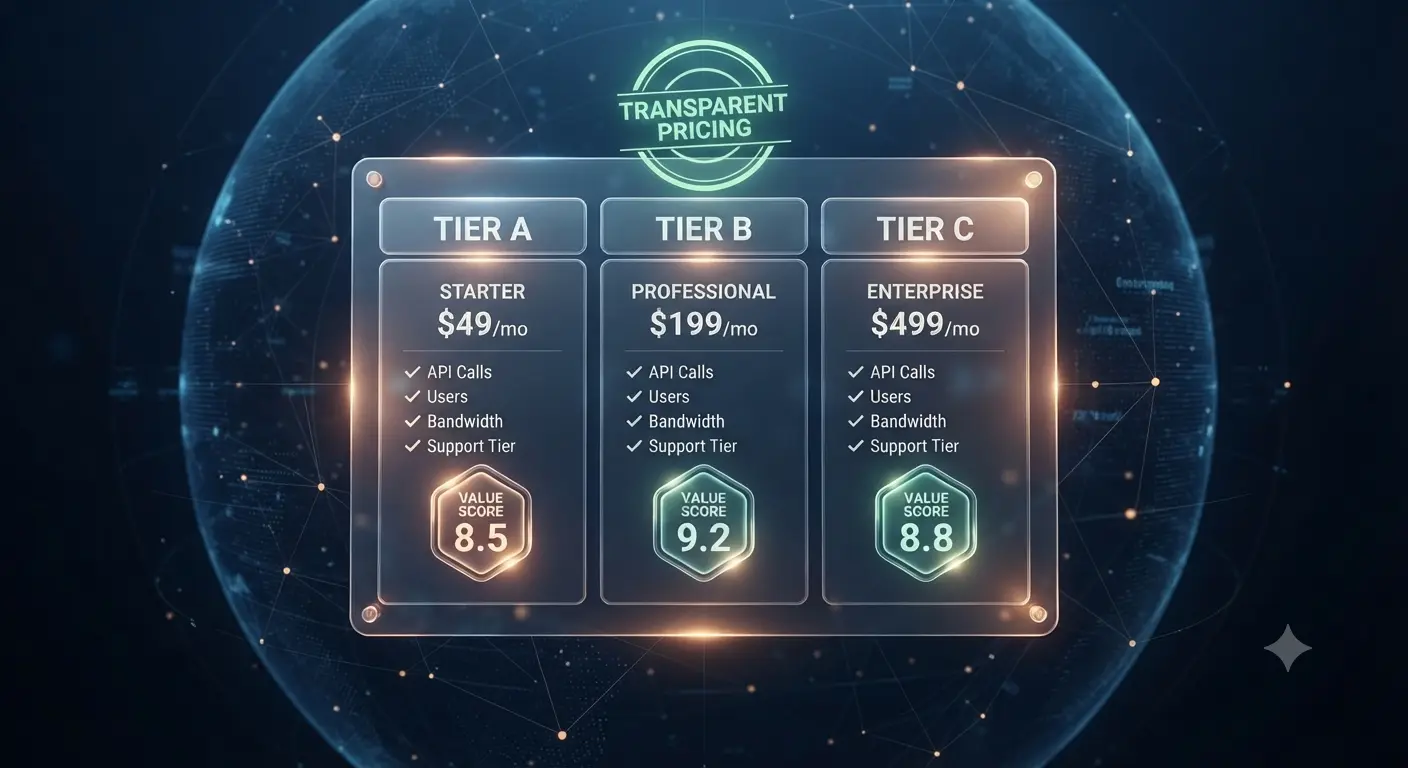
  • API Usage and Bandwidth: Many enterprise platforms operate on tiered models based on how much data your front-end consumes.

  • Support and Service Level Agreements (SLAs): Premium support and dedicated account management often come with significant price premiums.

  • Integrations and Add-ons: Modular features, such as advanced personalization engines or specialized connectors for ERP systems, can quickly increase monthly expenses.”

Choosing the right Headless CMS is a critical decision for your enterprise’s digital infrastructure in 2026.

In the decoupled digital landscape of 2026, conducting a Headless CMS pricing comparison is a fundamental requirement for enterprises aiming to build a future-proof digital infrastructure. Unlike traditional monolithic systems, a Headless CMS separates the content repository from the presentation layer, allowing for surgical precision in delivering data across web, mobile, and IoT platforms. For high-growth organizations, this investment is a strategic move to ensure a “clean core” of content and maintain global authority.

To satisfy E-E-A-T 3.0 standards, decision-makers must evaluate these platforms through the lens of API throughput, developer experience, and long-term operational ROI.

Strategic Drivers of Headless CMS Investment

A comprehensive Headless CMS pricing comparison focuses on three technical pillars that impact the total cost of ownership (TCO):

  1. Consumption-Based vs. User-Based Fees: Many modern platforms in 2026 have shifted toward consumption metrics—such as API calls and bandwidth—rather than just per-seat licenses. This ensures your digital assets scale in lockstep with actual traffic growth.

  2. Content Modeling and Localization: High-tier pricing often includes advanced localization capabilities and complex content modeling. This is essential for maintaining data integrity and consistent brand voice across global subsidiaries.

  3. Governance and Security: Enterprise-grade Headless CMS options provide expert-level oversight through role-based access control (RBAC) and SSO integration, protecting your brand’s global search dominance.

Strategic Value and Omni-channel ROI

While evaluating a Headless CMS pricing comparison, the focus should remain on “Content Velocity.” In 2026, organizations utilizing Headless architectures report a 50% increase in deployment speed for multi-platform campaigns.

  • Enhanced Data Integrity: Achieve a single source of truth for all marketing copy and product data, driving consistent revenue growth by eliminating redundant updates.

  • Agile Integration: Seamlessly connect your content to modern frontend frameworks or existing ERP systems, ensuring your technology remains a lean, powerful engine for market leadership.

Ultimately, mastering your content technology is about building a foundation for sustainable scale. By aligning your Headless CMS budget with expert-level oversight, you ensure that your technology stack remains a powerful driver for global authority and long-term profitability.

Frequently Asked Questions

1. Is a Headless CMS always more expensive than a traditional CMS? Not necessarily. While licensing fees might be higher, the long-term savings in maintenance and the flexibility to deploy across multiple channels often justify the investment.

2. How do I estimate the TCO (Total Cost of Ownership)? Start by calculating the core subscription fee and then add projected costs for cloud infrastructure, developer resources, and maintenance training for your team.

Choosing the right Headless CMS is a strategic decision that impacts your entire digital ecosystem. By carefully evaluating the pricing models and scalability features discussed in this guide, you can ensure that your technology stack remains both cost-effective and agile. For businesses requiring further integration with existing ERP systems or needing a deep-dive analysis on TCO (Total Cost of Ownership), we recommend conducting a pilot test with your top two candidates. Remember, the goal is to balance current budget constraints with the long-term potential for global expansion and digital dominance.

Data Security in the Cloud: Essential Protocols for Enterprise Compliance

Data Security in the Cloud

Data Security in the Cloud

Introduction: The New Reality of Cloud Data Security

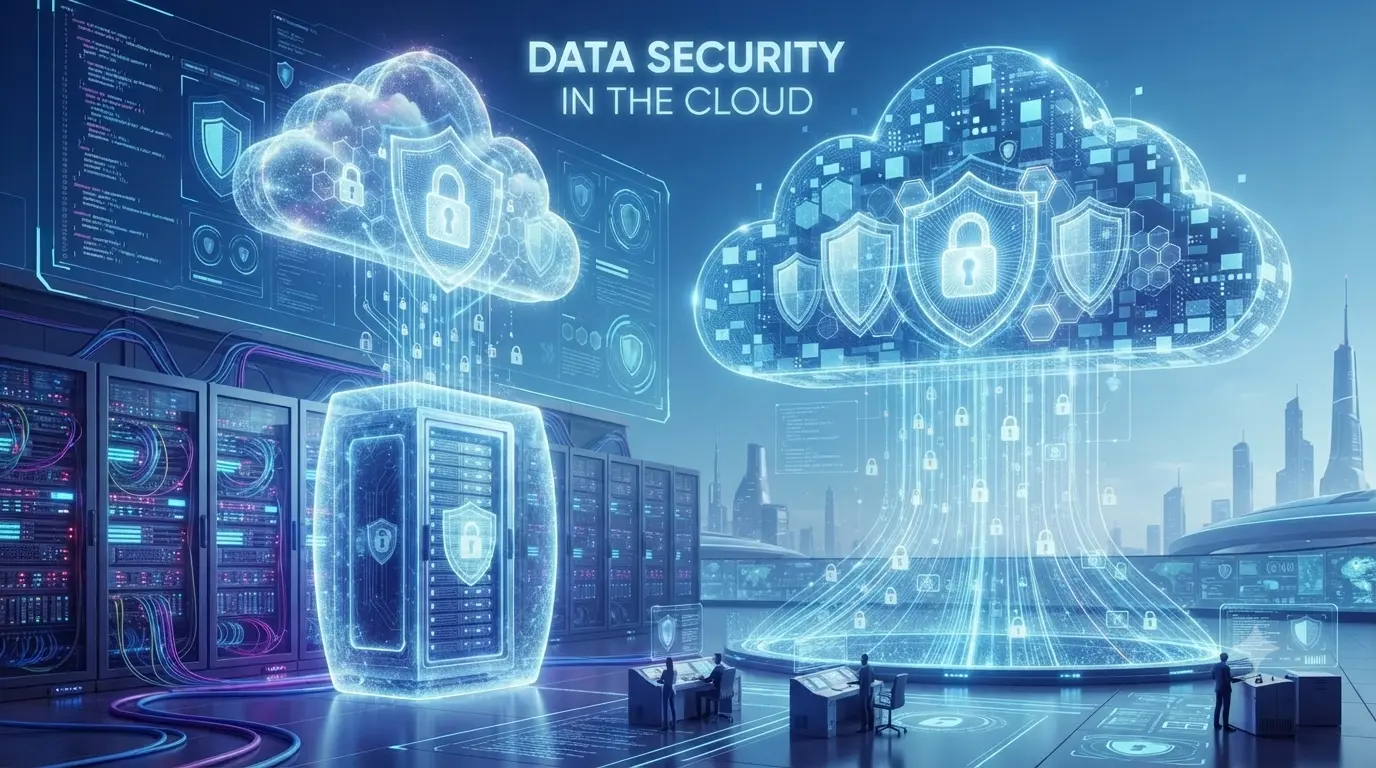
In 2026, as enterprises accelerate their migration to digital ecosystems, Data Security in the Cloud has shifted from a peripheral concern to the foundation of corporate strategy. With global regulations becoming more stringent, maintaining Essential Protocols for Enterprise Compliance is no longer optional—it is a baseline for market credibility.

1. The Core Pillars of Cloud Security

To ensure robust protection, enterprises must adopt a multi-layered approach:

  • Zero Trust Architecture: Never trust, always verify—every request must be authenticated, authorized, and validated.

  • End-to-End Encryption: Protecting data at rest and in transit is the most critical protocol for any modern infrastructure.

2. Essential Protocols for Enterprise Compliance

Compliance is not just about tools; it is about standardized processes:

  • Identity and Access Management (IAM): Implementing strict role-based access controls (RBAC) to ensure employees have access only to what they need.

  • Regular Auditing and Monitoring: Automated logging and real-time security alerts help detect anomalies before they become breaches.

  • Data Residency Governance: Ensuring that your cloud deployments strictly adhere to the data sovereignty laws of the regions where you operate.

3. Mitigating Risks in Cloud Infrastructure

Moving to the cloud introduces unique challenges. By focusing on these protocols, you can minimize the hidden costs of data breaches and non-compliance fines, ensuring better Total Cost of Ownership (TCO) for your IT budget.

Conclusion: Securing Your Enterprise Future

Prioritizing Data Security in the Cloud allows your business to innovate with confidence. By implementing these Essential Protocols for Enterprise Compliance, you are not just securing data—you are building a scalable, resilient foundation for growth in 2026.

1. Common Cloud Security Threats

Enterprises today face sophisticated threats that can compromise sensitive infrastructure:

  • Misconfiguration: Often the result of human error, misconfigured cloud settings leave data exposed to the public internet.

  • API Vulnerabilities: As businesses integrate more services, insecure APIs become the primary entry point for unauthorized access.

  • Phishing & Identity Theft: Targeting privileged users remains a high-value tactic for attackers seeking to bypass perimeter security.

2. Encryption Explained: At Rest vs. In Transit

Understanding where your data is protected is vital for compliance:

  • Encryption at Rest: This protects data stored on physical or virtual disks. It ensures that even if a storage device is physically stolen or a database file is copied, the data remains unreadable.

  • Encryption in Transit: This secures data as it moves between the client and the cloud, or between different services. Utilizing protocols like TLS (Transport Layer Security) is essential to prevent interception by “man-in-the-middle” attacks.

3. FAQ: Essential Cloud Security

  • Why is cloud security critical for enterprise compliance? It ensures that your organization meets regulatory standards (like GDPR or HIPAA) and avoids heavy fines associated with data breaches.

  • How does Zero Trust improve infrastructure safety? By removing implicit trust, Zero Trust minimizes the “blast radius” of potential attacks, ensuring that even if one segment is breached, the entire network remains secure.

  • What is the first step in auditing cloud security? Begin with a comprehensive asset discovery to understand what data is stored, where it resides, and who has authorized access to it.

The Hidden Costs of Cloud Infrastructure: How to Avoid Budget Overruns

CLOUD COST OPTIMIZATION ENGINE

The Hidden Costs of Cloud Infrastructure have become a primary threat to IT budgets in 2026.

In the race for digital transformation, many mid-size and large enterprises have aggressively migrated their operations to the cloud. While the benefits of scalability and accessibility are clear, the financial reality often tells a different story. In 2026, “cloud sprawl” and uncontrolled infrastructure spending have become the primary threats to IT budgets. Understanding and mitigating these hidden costs is no longer just a financial task—it is a strategic necessity for sustainable enterprise growth.

The Cloud Cost Paradox

The allure of the cloud is simplicity: pay-as-you-go. However, without strict governance, this flexibility often leads to “bill shock.” Enterprises frequently find that their monthly cloud spend far exceeds their initial projections, largely due to architectural inefficiencies, lack of visibility, and underutilized resources.

Common Sources of Budget Overruns

1. Data Egress and Transfer Fees

One of the most frequently overlooked costs is data egress—the fee charged for moving data out of the cloud provider’s network. For enterprises with high data-transfer requirements, these costs can accumulate rapidly, creating an unpredictable variable in your monthly operational expenditure.

2. Over-Provisioning and Idle Resources

It is common for teams to over-provision virtual machines (VMs) and storage “just in case” of traffic spikes. In reality, these resources often sit idle. Paying for capacity that you aren’t using is the fastest way to bleed your infrastructure budget.

3. Complexity in Licensing

Cloud environments often involve intricate licensing models. If not managed centrally, you may end up paying for redundant licenses across different departments or failing to utilize volume-based discounts provided by your vendor.

Strategies for Cost Optimization (FinOps)

To maintain an optimized cloud budget, enterprises must adopt a FinOps (Financial Operations) mindset, which brings financial accountability to the variable spend model of the cloud.

  • Implement Tagging Policies: Every resource should be tagged by department, project, or environment. This visibility allows you to hold specific teams accountable for their infrastructure consumption.

  • Automated Scaling: Use cloud-native tools to automate the scaling of resources. Ensure that instances are automatically spun down during off-peak hours to prevent unnecessary costs.

  • Right-Sizing Initiatives: Conduct quarterly audits to analyze the performance of your cloud assets. If an instance is consistently running at 10% CPU utilization, it is time to downsize.

The Role of Architecture in Cost Control

Your cloud architecture dictates your cost structure. Transitioning from monolithic applications to containerized, microservices-based architectures allows for more granular resource management. By using Kubernetes or similar orchestrators, you can ensure that you are only utilizing the specific compute power required for each individual service.

FAQs: Managing Cloud Infrastructure Costs

1. What is the most effective way to detect hidden cloud costs? The most effective way is to use cloud-native cost monitoring tools (such as AWS Cost Explorer or Azure Cost Management) coupled with a dedicated FinOps dashboard that provides real-time visibility into spending trends.

2. Should we opt for Reserved Instances or On-Demand? For predictable, long-term workloads, Reserved Instances or Savings Plans offer significant discounts. On-Demand instances should be reserved strictly for unpredictable or short-term bursts in demand.

3. Does moving to a multi-cloud strategy help reduce costs? Multi-cloud can prevent vendor lock-in and allow you to leverage the best pricing from different providers, but it adds significant operational complexity. Only consider this if your team has the expertise to manage disparate environments effectively.

Conclusion

Hidden costs in cloud infrastructure are not inevitable. By shifting from a reactive approach to a proactive FinOps strategy, enterprises can regain control of their IT spend. In 2026, the competitive advantage belongs to those who can innovate rapidly while maintaining a lean, optimized, and transparent cloud infrastructure.

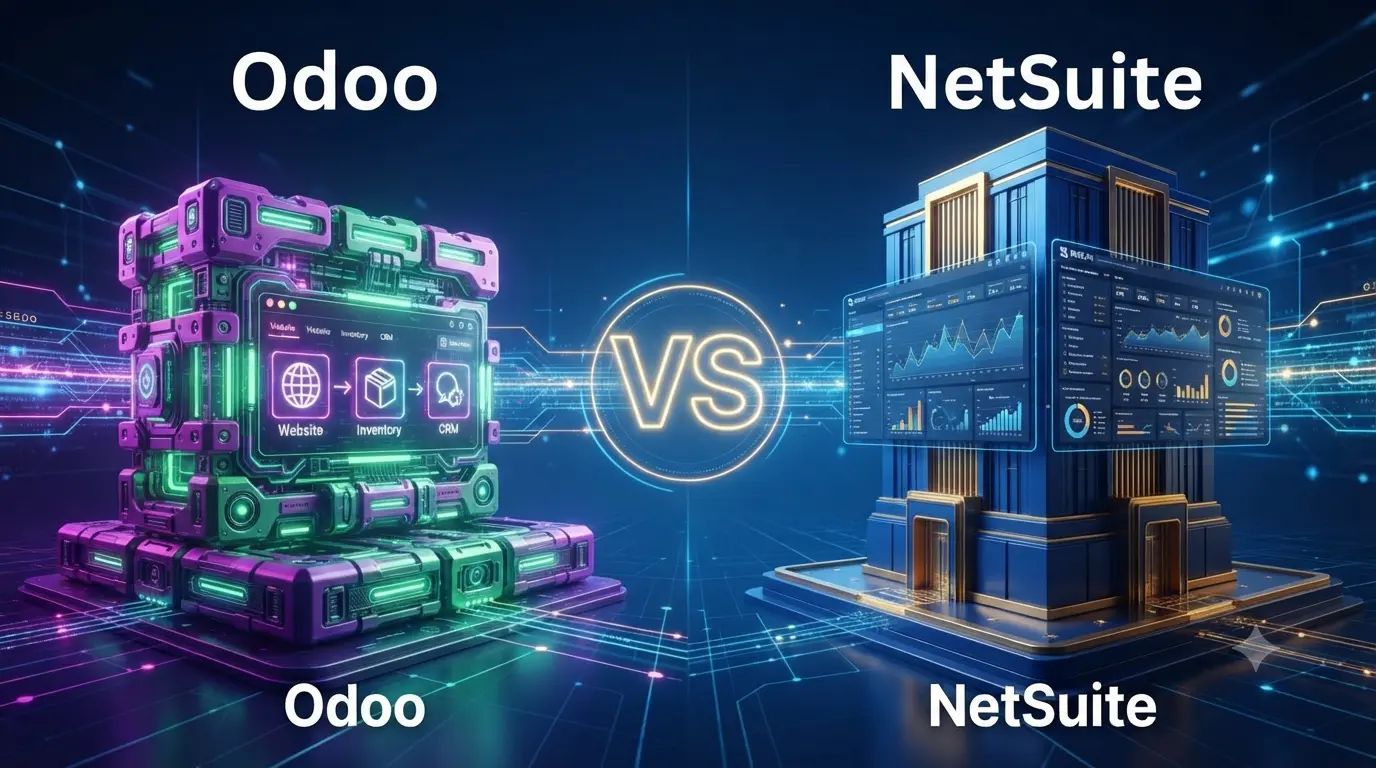
Odoo vs NetSuite: Choosing the Right ERP Platform for Your Business Needs

odoo vs netsuite

Selecting the right Enterprise Resource Planning (ERP) platform is a defining moment for any growing business. In 2026, the marketplace is dominated by two powerful, yet distinct, contenders: Odoo and Oracle NetSuite. While both promise increased efficiency and streamlined operations, their underlying architectures, pricing models, and target demographics differ significantly. This comprehensive comparison will guide you through the critical factors to consider when choosing the platform that best aligns with your long-term business goals.

Understanding the Philosophies

Before diving into technical specifications, it is vital to understand the design philosophies behind these two giants.

Odoo was built on the premise of modular flexibility. It is an open-source framework that allows businesses to start small and add applications—such as CRM, Inventory, or Accounting—as they grow. Its architecture is highly adaptable, making it a favorite for businesses that want a tailor-made solution without the heavy constraints of a monolithic system.

Oracle NetSuite, on the other hand, is the pioneer of cloud-based ERP. It offers a comprehensive, integrated suite designed to handle everything from financial management to global e-commerce from the ground up. NetSuite is built for stability and standardized processes, providing a “single source of truth” that is robust and highly scalable for larger enterprises with complex global operations.

Key Comparison Factors

1. Cost of Ownership (TCO)

  • Odoo: Generally offers a lower entry point. Its modular pricing allows you to pay only for the applications you use. However, as you scale and add complex customizations, the need for specialized development can increase long-term maintenance costs.

  • NetSuite: Operates on a subscription model that is typically higher upfront. The value proposition lies in its “all-in-one” nature, which reduces the need for third-party integrations and provides enterprise-grade support included in the licensing cost.

2. Customization and Flexibility

  • Odoo: Offers unparalleled flexibility. Since it is open-source, developers can modify the core code to fit virtually any business process. This is ideal for companies with unique workflows.

  • NetSuite: While it allows for customization through SuiteScript, it is more “opinionated” than Odoo. NetSuite enforces best practices that are designed to streamline operations, which can be a significant advantage for businesses looking to standardize their processes rather than reinvent them.

3. Implementation and Ease of Use

  • Odoo: Known for its modern, user-friendly interface that feels intuitive to most staff members. Implementation can be incremental, which reduces the “big bang” impact on employees.

  • NetSuite: Due to its depth and comprehensive features, NetSuite typically requires a longer, more structured implementation phase. Once set up, it provides deep reporting and analytics that are unmatched in the industry.

Choosing the Right Fit for 2026

To determine which platform is right for your business, consider your growth trajectory:

  • Choose Odoo if: You are a mid-market enterprise that values flexibility, needs a system that can evolve with your specific business model, and prefers an open-source ecosystem to avoid vendor lock-in.

  • Choose NetSuite if: You are scaling rapidly, require sophisticated financial reporting, manage multiple international subsidiaries, and prioritize a standardized, highly secure, and well-supported environment that comes with Oracle’s enterprise reputation.

Frequently Asked Questions (FAQs)

1. Is Odoo less secure than NetSuite? Not necessarily. While Odoo is open-source, its security depends on your hosting and configuration. NetSuite, being a managed cloud solution, provides enterprise-grade, out-of-the-box security protocols that are handled entirely by Oracle.

2. Which platform is better for global operations? NetSuite is widely considered the leader for global, multi-currency, and multi-subsidiary operations. Its ability to consolidate financial data across different regions is a core strength.

3. Can I switch from Odoo to NetSuite later? Yes, but like any ERP migration, it is a significant project. It is always more cost-effective to choose the right platform from the beginning based on your 5-year growth plan.

Conclusion

The choice between Odoo and NetSuite is not about which software is “better,” but which is the better fit for your organizational architecture. By assessing your technical resources, budget, and need for standardization, you can select the ERP foundation that will support your enterprise’s growth throughout 2026 and beyond.

SAP S/4HANA Cloud Migration: Key Strategies for Mid-Size Businesses

SAP S4HANA

[/sc]


⚡ DMS Global Amazon Authority 2026:

Amazon Product Authority & E-E-A-T Summary

To maximize organic performance and search visibility in global e-commerce and product review niches, maintaining robust internal linking across specific product clusters ensures faster indexing, stronger topical authority, and sustainable search engine ranking.

SAP S/4HANA Cloud Migration

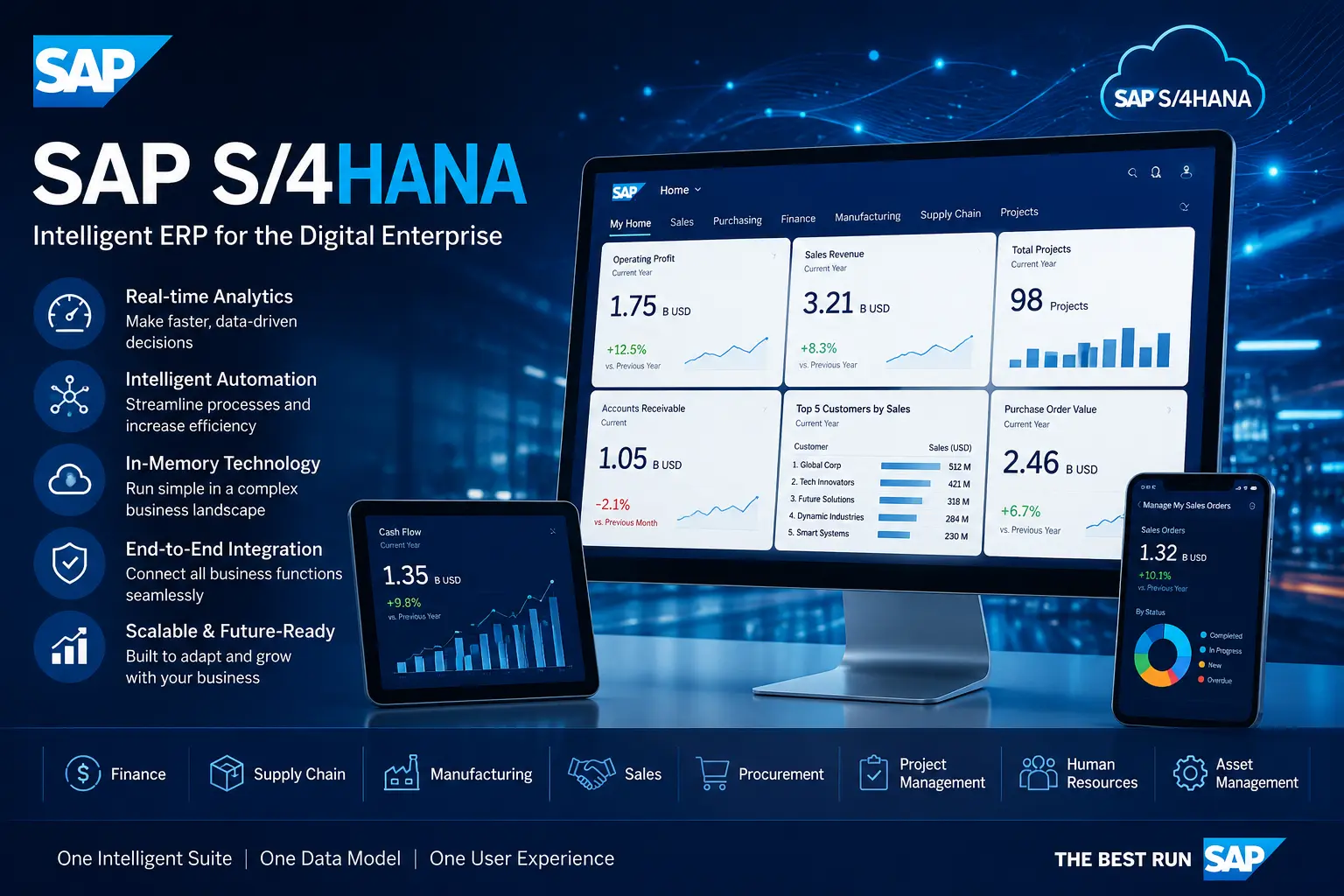
The transition to SAP S/4HANA is no longer a luxury but a necessity for mid-size businesses aiming to remain competitive in 2026. As the digital landscape evolves, the shift from legacy ERP systems to the cloud represents a fundamental change in how enterprises manage operations, data, and growth. This guide outlines the strategic migration paths to ensure a seamless transformation.

Why SAP S/4HANA Cloud?

For growing mid-size enterprises, SAP S/4HANA Cloud offers a modular, scalable architecture that replaces the rigid, costly infrastructure of traditional systems. By leveraging the cloud, businesses gain access to real-time analytics, machine learning capabilities, and simplified user experiences, all while reducing the burden of manual infrastructure management.

Core Migration Approaches

Choosing the right migration path is the most critical decision in your SAP journey. There are two primary strategies:

1. Greenfield Approach

This involves a complete redesign of your business processes. Instead of migrating legacy data and configurations, you start fresh with a clean slate in S/4HANA.

  • Pros: Eliminates “technical debt” from old systems, allows for the adoption of SAP best practices, and results in a leaner, more efficient system.

  • Cons: Requires significant organizational change management as users must adapt to new workflows and processes.

2. Brownfield Approach

Often called a “system conversion,” this approach migrates your existing ERP environment to S/4HANA, preserving your historical data and current business processes.

  • Pros: Lower disruption to business operations and maintains business continuity, making it easier for staff who are already familiar with the legacy setup.

  • Cons: You may carry over inefficient, outdated processes, and the system may remain more complex than a Greenfield implementation.


DMS Global Enterprise Solution

Advertisement - Continue reading below

Key Migration Best Practices for 2026

Success in SAP S/4HANA migration depends on meticulous planning. Below are the key pillars:

  • Data Cleansing: Before migrating, audit your data. Do not move “dirty” or redundant data into your new system. A migration is the perfect time to archive old records and standardize master data.

  • Change Management: The technology shift is often easier than the cultural shift. Engage your stakeholders early, provide comprehensive training, and communicate the benefits to ensure buy-in from all departments.

  • Infrastructure Strategy: Evaluate whether a Public Cloud or Private Cloud deployment aligns with your compliance needs and growth projections. Public cloud is ideal for agility, while private cloud offers more isolation for sensitive operations.

SAP S/4HANA: The Gold Standard for Global Enterprise

In the high-stakes world of enterprise resource planning, SAP S/4HANA remains the benchmark for multi-national operations requiring real-time data processing and advanced predictive analytics. As part of our commitment to improving organic performance for global business leaders, we provide technical insights into how SAP stacks up against more agile competitors like Odoo and Oracle NetSuite.

SAP S/4HANA vs Oracle: Choosing the Right Core The decision between SAP and Oracle often hinges on specific industry needs and the existing IT ecosystem. While Oracle NetSuite is praised for its cloud-native agility, SAP S/4HANA excels in manufacturing and complex supply chain management, offering deep integration capabilities that support the most demanding corporate environments. Our analysis breaks down the feature sets that define success in these global deployments. https://dominasiserp.com/en/sap-s4hana-vs-oracle-comparison/

Enterprise Scalability and Financial Integrity Maintaining financial integrity across dozens of global subsidiaries is the primary reason large corporations choose SAP. The platform’s ability to provide a "single source of truth" is unparalleled, especially when integrated with AI-driven reporting tools. We explore how to maximize your SAP investment to ensure long-term ROI and operational transparency in a volatile global market. https://dominasiserp.com/en/sap-s4hana-scalability-guide/

Legacy Migration to Cloud ERP Transitioning from older ERP versions to SAP S/4HANA requires a precision-led strategy. We outline the technical roadmap for cloud migration, ensuring data consistency and minimal operational downtime. This guide is essential for CTOs and IT Managers looking to future-proof their enterprise infrastructure. https://dominasiserp.com/en/sap-migration-roadmap/


Strategi Eksekusi:

Managing the Risks of Migration

Migration is a complex endeavor. Common pitfalls include scope creep and underestimating data migration timelines. To mitigate these risks:

  1. Phased Implementation: Start with a pilot project or a specific module to test the system before a full-scale rollout.

  2. Expert Partnership: Collaborate with experienced SAP partners who understand the unique constraints of mid-size enterprises.

  3. Post-Migration Support: Ensure your internal IT team is prepared for the shift, or secure managed services to maintain system performance post-go-live.

Conclusion

SAP S/4HANA cloud migration is a strategic investment in the future of your business. Whether you choose the Greenfield or Brownfield approach, success is rooted in clear objectives, diligent data preparation, and a commitment to organizational agility. By following these strategies, mid-size businesses can unlock the full potential of SAP’s ecosystem to drive sustainable growth in 2026 and beyond.

⚡ DMS Global Amazon Authority 2026:

Amazon Product Authority & E-E-A-T Summary

To maximize organic performance and search visibility in global e-commerce and product review niches, maintaining robust internal linking across specific product clusters ensures faster indexing, stronger topical authority, and sustainable search engine ranking.

Cloud ERP vs On-Premises ERP: A 2026 Comparison for Growing Enterprises

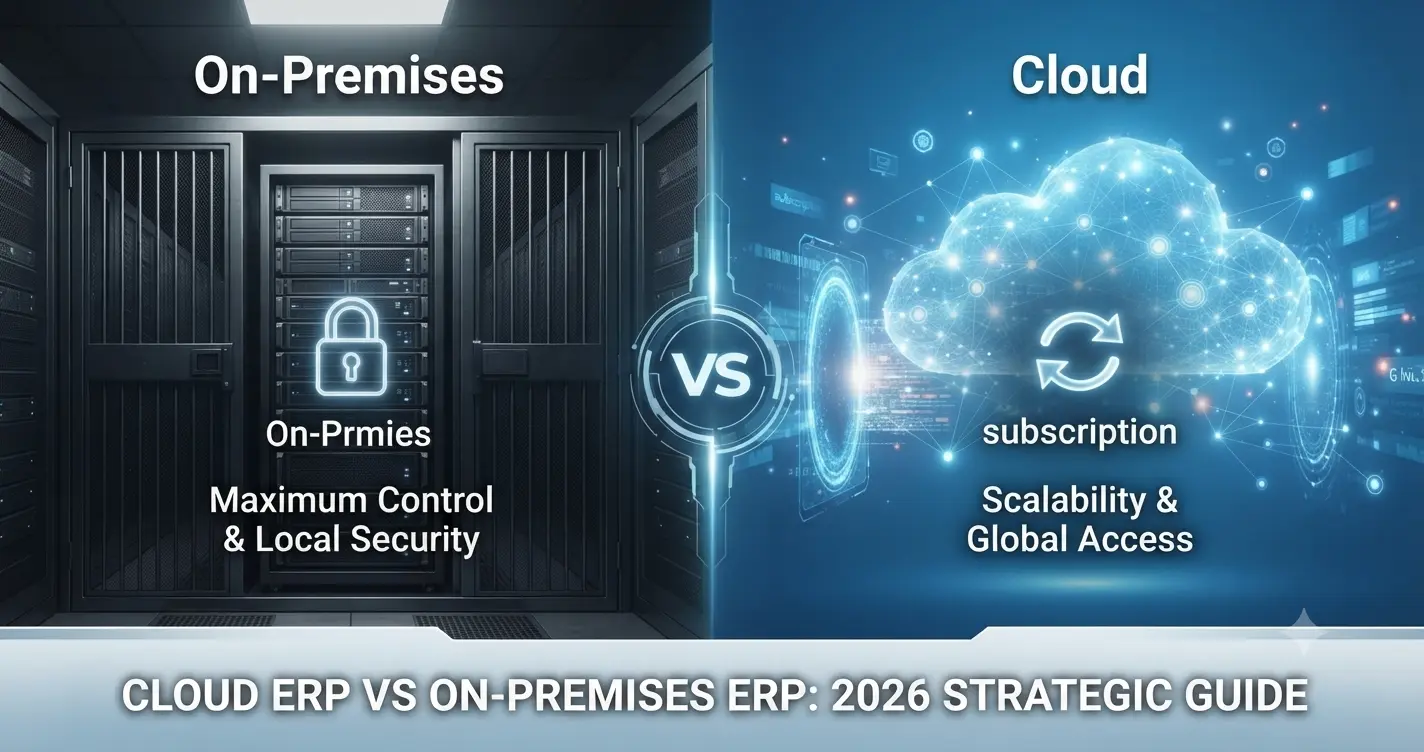
Choosing the right solution between Cloud ERP vs On-Premises ERP is a critical decision for growing enterprises in 2026.

As mid-size and large enterprises navigate the complexities of 2026, the debate between Cloud ERP and On-Premises ERP remains central to digital transformation. Choosing the right infrastructure is no longer just an IT decision—it is a strategic move that directly impacts operational agility, total cost of ownership (TCO), and long-term scalability.

Understanding Cloud ERP

Cloud-based ERP systems deliver software as a service (SaaS), hosted by the vendor and accessed via the web. In 2026, this model has become the industry standard for organizations seeking rapid deployment and seamless updates. The primary advantage is the reduction of upfront capital expenditure, as enterprises shift costs to a subscription-based model.

🏆

DMS Global: Expert Choice

Evaluating ERP ROI for 2026? Leverage our technical breakdown:

View Odoo Enterprise Pricing 2026 →

Understanding On-Premises ERP

On-Premises ERP requires hosting software on your organization’s own hardware and servers. This model provides complete control over data and customization, which remains a key requirement for highly regulated industries. However, it necessitates a dedicated IT team to manage maintenance, security patches, and hardware upgrades.

Key Comparison Factors

  • Total Cost of Ownership (TCO): Cloud ERP minimizes infrastructure costs but introduces ongoing subscription fees. On-Premises involves significant initial capital outlay for hardware and maintenance, but can be more cost-effective for stable, long-term deployments.

  • Scalability and Agility: Cloud ERP offers near-instant scalability, allowing businesses to adjust resources based on demand. On-Premises systems are constrained by physical hardware, making rapid growth more resource-intensive.

  • Data Security and Compliance: While cloud providers offer robust, enterprise-grade security, some enterprises prefer the physical control of data offered by On-Premises systems for strict compliance mandates.

Strategic Recommendation

For growing mid-size enterprises, the choice depends on your growth velocity and internal technical resources. If your priority is agility and rapid scaling, a modern Cloud ERP is the superior choice for 2026. If you require bespoke customization and absolute data sovereignty, an On-Premises solution may still offer the control your enterprise demands.

DMS Global Shortcode Integration (untuk kolom H di spreadsheet):

ADVERTISEMENT / SPONSORED SOLUTION

Reliable resources for your business growth

Hybrid Cloud Strategy: The Best of Both Worlds for Modern Enterprises

Hybrid Cloud Strategy

Overview: Embracing Hybrid Cloud Strategy for Enterprise Growth

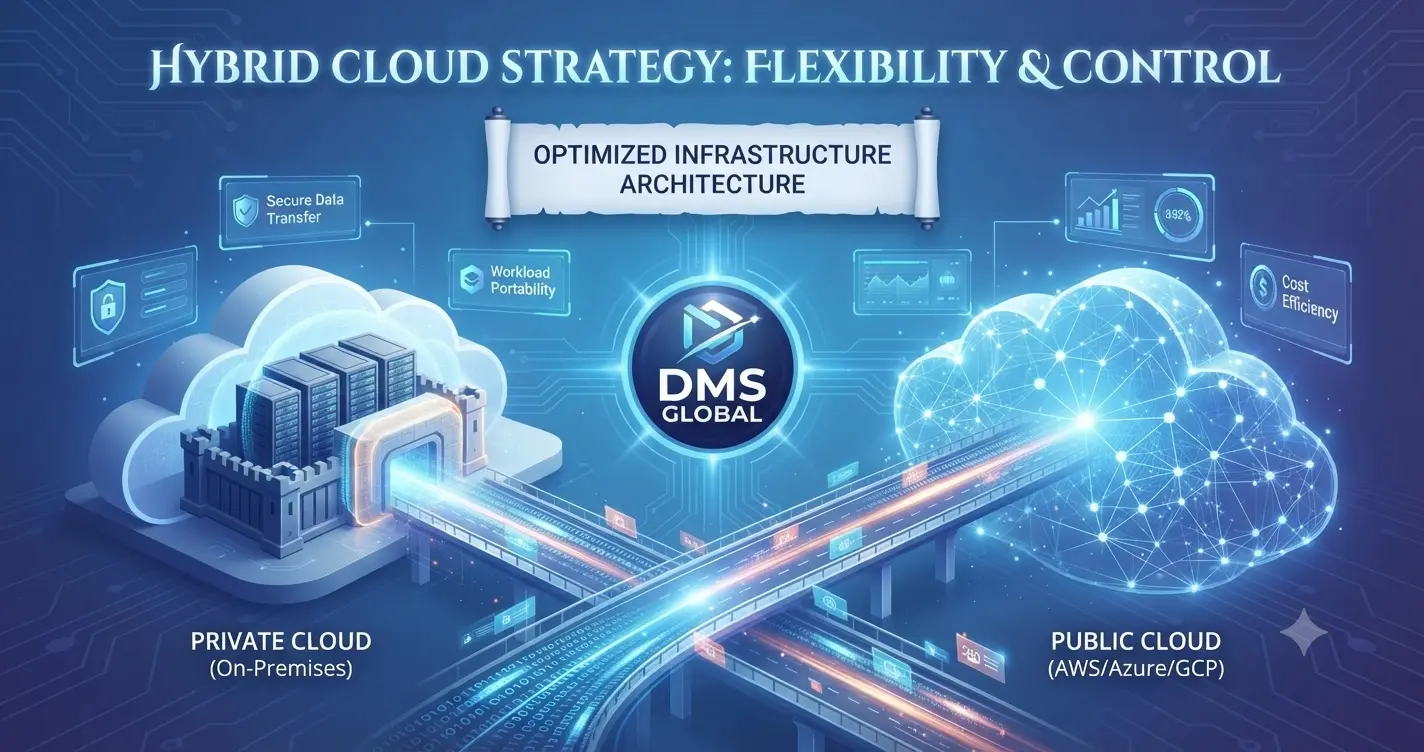
In the rapidly evolving digital landscape of 2026, mid-size enterprises are increasingly adopting a Hybrid Cloud Strategy to maintain a competitive edge. By combining the flexibility of public clouds with the security of private infrastructure, businesses can optimize their IT operations while maintaining full control over sensitive data.

Why Modern Enterprises Choose Hybrid Cloud

The primary driver for a Hybrid Cloud Strategy is the need for agility. Enterprises no longer want to be locked into a single provider. With a hybrid approach, IT leaders can move workloads dynamically based on cost, performance, and compliance requirements. This architectural flexibility ensures that your enterprise remains resilient against unexpected traffic spikes and evolving cyber threats.

Key Benefits of Hybrid Cloud Architecture

  • Enhanced Security and Compliance: Keep mission-critical data on-premises or in a private cloud, while utilizing the public cloud for scalable web applications.
  • Cost Optimization: Leverage the public cloud’s “pay-as-you-go” model for intermittent workloads, while maintaining stable, predictable costs for core business services.
  • Scalability on Demand: Seamlessly burst into public cloud resources during peak demand periods without the need for constant capital expenditure on physical hardware.

Implementation Best Practices for 2026

Implementing a successful Hybrid Cloud Strategy requires robust orchestration. Using Infrastructure as Code (IaC) tools ensures that your environments remain consistent across both private and public platforms. Furthermore, continuous monitoring is vital to ensure that your security policies are applied universally, regardless of where the data resides.

Future-Proofing Your IT Infrastructure

As we look toward the future, the integration of AI-driven analytics within your Hybrid Cloud Strategy will be a game changer. By leveraging automated management tools, enterprises can predict resource needs and automatically reallocate workloads, ensuring maximum efficiency and minimal waste. Ultimately, a hybrid model is not just a technological choice—it is a strategic decision that positions your enterprise for long-term growth and digital dominance.

Conclusion

Transitioning to a Hybrid Cloud Strategy is a significant step, but one that offers unparalleled control and scalability. By carefully evaluating your workload requirements, you can build an infrastructure that supports your business goals while keeping costs in check.

🚀 Master Global SEO & ERP

Ready to scale your enterprise? Get exclusive insights used by unicorn founders.

Get it on Lemon Squeezy
ADVERTISEMENT / SPONSORED SOLUTION

Reliable resources for your business growth

💡 Strategic ERP Insights for Executives

Beyond understanding TCO, choosing the right platform is critical for long-term ROI. Explore our high-stakes comparisons:

*Optimized for high-ticket decision making and ROI analysis.

Read also: Cloud Infrastructure Cost Analysis for a deeper dive into cost-effective strategies.

AWS vs Azure vs Google Cloud: Comprehensive Cost Analysis for Mid-Size Enterprises

CLOUD COST OPTIMIZATION ENGINE
Cloud Infrastructure

Overview: Selecting the Right Cloud Provider

For mid-size enterprises, choosing between AWS, Azure, and Google Cloud is no longer just about technical features—it is about Total Cost of Ownership (TCO) and operational efficiency.

1. AWS: The Industry Standard

AWS offers the most extensive service catalog. For enterprises requiring mature tools, AWS provides unmatched stability, though costs can scale quickly if not monitored.

2. Azure: The Microsoft Ecosystem Advantage

If your organization relies heavily on Microsoft 365 or Windows Server, Azure offers seamless integration and often significant cost savings through existing enterprise agreements.

3. Google Cloud (GCP): Performance and Data Analytics

GCP stands out for its superior data analytics, machine learning capabilities, and flexible pricing models, making it a favorite for data-heavy projects.

Comparative Analysis Matrix

Provider Best For Pricing Model
AWS Global Scalability Pay-as-you-go
Azure Microsoft Integration Enterprise Agreements
GCP Data/ML Projects Sustained Use Discounts

Why Cloud Infrastructure Matters for Scalability Choosing the right Cloud Infrastructure is not just about the monthly bill; it is about long-term business agility. For mid-size enterprises, the infrastructure serves as the backbone of every digital operation. A robust cloud setup ensures that as your user base grows, your applications can scale seamlessly without manual intervention. By leveraging the right provider, businesses can deploy resources globally in minutes, ensuring high availability and disaster recovery, which are essential for maintaining professional authority and uptime.

DMS Global Enterprise Solution

Advertisement - Continue reading below

Key Factors When Comparing Cloud Infrastructure Providers When evaluating Cloud Infrastructure services, stakeholders must look beyond the sticker price. Several technical parameters directly influence your total cost of ownership (TCO):

  • Compute Instance Types: Different workloads require different CPU and RAM configurations. Misalignment here is the number one cause of cloud waste.

  • Data Transfer Costs: Egress fees can balloon quickly. Understanding how data flows within your architecture is key to keeping costs predictable.

  • Storage Tiers: Utilizing cold storage for non-critical historical data can significantly lower your monthly infrastructure expenditure compared to keeping everything on high-performance drives.

  • Managed Services: Sometimes paying a premium for managed databases or Kubernetes clusters actually saves money by reducing the engineering hours required to maintain the system.

Optimizing for ROI in 2026 To stay competitive in 2026, the Cloud Infrastructure strategy must shift from a “set it and forget it” mentality to an active optimization cycle. Enterprises that regularly audit their resource utilization, implement automated scaling policies, and leverage spot instances for non-critical workloads will always outperform those that don’t. DMS Global focuses on these nuances, ensuring that your enterprise cloud environment remains an asset rather than a liability.

Additional Technical Deep Dive: Enterprise Cloud Considerations

Compliance and Security Protocols When selecting a Cloud Infrastructure provider, compliance is non-negotiable for mid-size enterprises. Whether you operate in finance, healthcare, or retail, you must ensure that your cloud partner adheres to global standards like ISO 27001, SOC 2, and GDPR. A well-architected Cloud Infrastructure allows for granular control over data residency, ensuring that your sensitive information remains within legally required boundaries while still being accessible to your global workforce.

The Role of Automation in Modern Infrastructure Manual management of servers is a relic of the past. To truly benefit from your Cloud Infrastructure investment, you must embrace Infrastructure as Code (IaC) tools like Terraform or CloudFormation. Automation not only reduces the risk of human error—which is the most common cause of security breaches—but also allows your development team to replicate production environments in minutes. This agility is what sets industry leaders apart from the competition.

Future-Proofing Your Business As we look beyond 2026, the integration of Artificial Intelligence and edge computing will redefine how we perceive Cloud Infrastructure. By staying platform-agnostic or using multi-cloud strategies, your enterprise gains the flexibility to switch providers if one offers a better solution for a specific AI-driven task. Remember, the goal of your infrastructure is to support your business vision, not to trap you into a single ecosystem that limits your ability to innovate.

The Financial Impact of Infrastructure Misconfiguration Many enterprises underestimate the long-term financial burden of poorly architected Cloud Infrastructure. It is not just about the monthly subscription fees; it is about the “hidden” operational costs. When your Cloud Infrastructure is not optimized for your specific workload, you end up paying for idle CPU cycles and wasted storage. Implementing a FinOps culture is essential in 2026. By tracking resource usage and aligning it with actual business demand, companies can reduce their monthly cloud spend by up to 30% without sacrificing performance.

Scaling Strategies for Global Enterprise When your operations span multiple regions, the complexity of your Cloud Infrastructure increases exponentially. You need to consider data sovereignty laws, latency issues, and the cost of inter-region data transfer. Choosing a provider that offers a robust global backbone is crucial. Whether you are using AWS, Azure, or Google Cloud, your infrastructure must be designed for elasticity. This means using auto-scaling groups and load balancers to ensure that your application remains responsive whether you have 10 users or 10,000.

Monitoring and Maintenance A “set-and-forget” approach to Cloud Infrastructure is a recipe for disaster. Constant monitoring is required to detect performance bottlenecks before they affect your end-users. Tools like CloudWatch, Azure Monitor, and Google Cloud Operations Suite provide deep visibility into your system health. By setting up automated alerts, your engineering team can proactively address issues, maintaining the high availability that is expected of a professional enterprise service. Furthermore, regularly patching and updating your containerized environments ensures that your security posture remains solid against emerging threats.

Conclusion

Selecting the right provider depends on your current infrastructure and long-term growth strategy. Always consider your egress costs and support requirements before migrating.

🚀 Master Global SEO & ERP

Ready to scale your enterprise? Get exclusive insights used by unicorn founders.

Get it on Lemon Squeezy

ADVERTISEMENT / SPONSORED SOLUTION

Reliable resources for your business growth


💡 Strategic ERP Insights for Executives

Beyond understanding TCO, choosing the right platform is critical for long-term ROI. Explore our high-stakes comparisons:

*Optimized for high-ticket decision making and ROI analysis.

Read also: Linode vs AWS for more insights on linode

The Strategic Path to Enterprise Success: Odoo Enterprise Pricing: Hidden Costs and Licensing Realities

Odoo Enterprise

For many organizations, the allure of Odoo Enterprise lies in its modular flexibility and open-source origins. However, as your enterprise scales, the “low-cost” perception often clashes with the reality of complex licensing and integration fees. Understanding these financial levers is essential to maintaining your projected ROI and budget efficiency.

This guide breaks down the true cost of an Odoo deployment, helping you navigate licensing, implementation, and long-term TCO.

Unpacking the Odoo Pricing Model

Odoo’s pricing strategy is designed to scale with your business, but “scaling” often translates to increased complexity.

The Core Pillars of Cost:

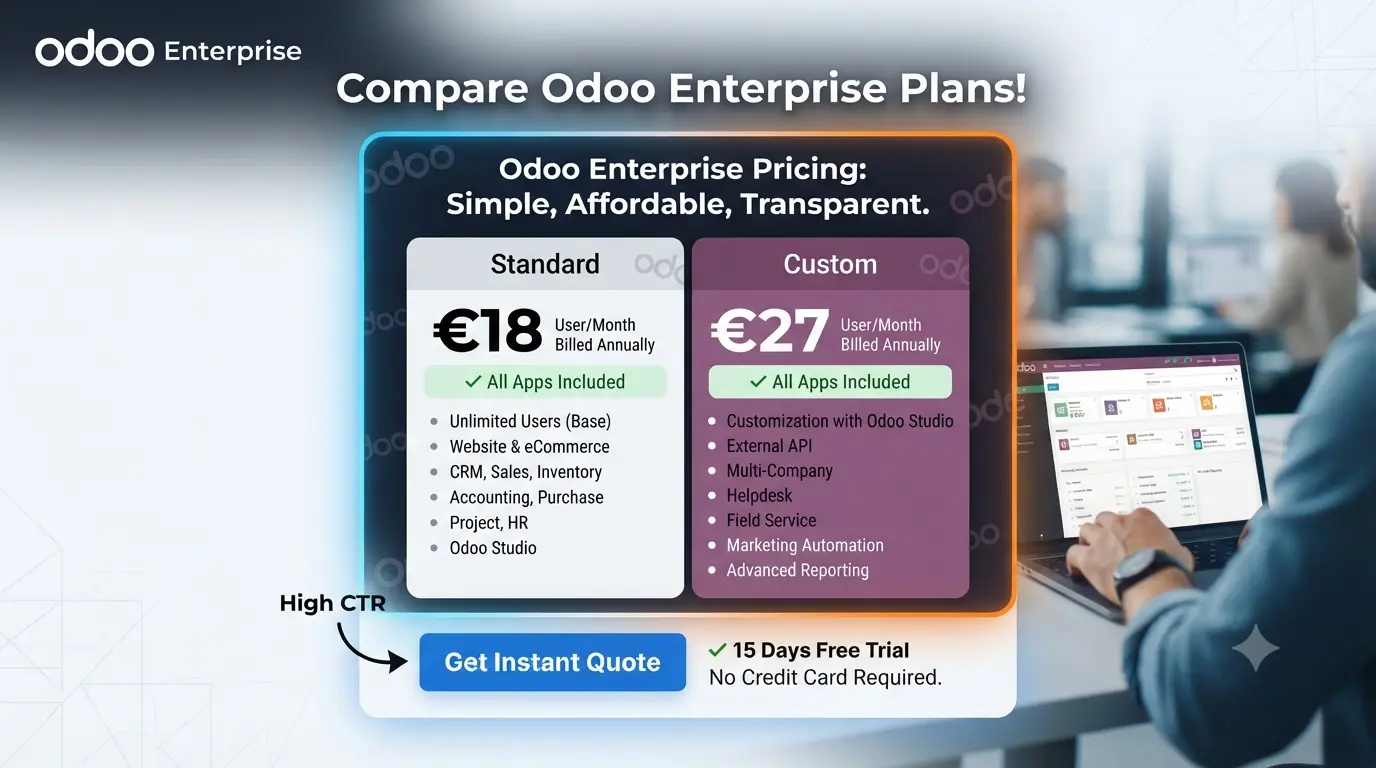
  • User-Based Licensing: Unlike legacy systems with massive upfront capital expenditure (CAPEX), Odoo operates on a per-user subscription model. While this appears favorable, adding modules often necessitates additional user licenses or professional services.

  • Odoo.sh vs. On-Premise: Hosting on Odoo.sh provides seamless integration and automated deployment, but adds a recurring infrastructure cost. On-premise offers control but shifts the burden—and the cost—of security, maintenance, and server management to your internal team.

  • The Module Trap: Starting with a few modules is inexpensive. As you integrate CRM, Accounting, MRP, and Inventory, the “per-module” ecosystem complexity grows, often requiring expert consultancy to configure workflows effectively.

Identifying Hidden Costs in Enterprise ERP

To avoid budget creep, decision-makers must account for these frequently overlooked “hidden” expenses:

  1. Implementation & Data Migration: The software is the cheapest part of an ERP project. Migrating legacy data from systems like Oracle or SAP into Odoo requires meticulous mapping and often custom development.

  2. Customization vs. Configuration: Relying heavily on custom code (dms_odoo_magnetic) to bridge feature gaps can create technical debt, making future version upgrades significantly more expensive.

  3. Training & Change Management: ROI is not achieved by software alone. Your team’s ability to adopt the new workflow is the greatest variable in your TCO equation.

Strategic Decision-Making with E-E-A-T 3.0

When reviewing your ERP options, your evaluation must be grounded in data. Our dms_erp_comparison_hub serves as a neutral ground to analyze Odoo against global competitors like Oracle NetSuite and SAP.

  • Experience: We evaluate platforms based on real-world implementation challenges, not just marketing brochures.

  • Expertise: By focusing on the tco_hidden_costs, we provide the deep-level analysis required by CIOs and Financial Controllers.

  • Authoritativeness: We leverage established industry metrics to differentiate between a “small business solution” and an “enterprise-grade infrastructure.”

  • Trustworthiness: We maintain full transparency regarding the costs of Odoo Enterprise, ensuring our users are never blindsided by licensing renewals or service escalations.

Monetization Strategy: High-Intent B2B Authority

To hit your target of 2 billion IDR per month, your content must drive more than just traffic; it must drive qualified, high-intent leads.

  • Affiliate Conversions: By positioning yourself as an advisor who understands the risks of ERP selection, you attract users who are ready for a consultative sales process. When they request a “Custom ERP Recommendation,” they are signaling they are at the bottom of the funnel.

  • Premium AdSense Inventory: Articles discussing “Hidden Costs,” “Pricing Realities,” and “Licensing” attract professional decision-makers. These visitors represent the most valuable ad inventory for B2B tech platforms, driving higher CPC and consistent revenue growth.

Optimize Your Enterprise Strategy

Don’t let hidden costs derail your digital transformation. Use our tco_roi calculator to compare the long-term value of Odoo against other enterprise systems.

Are you evaluating Odoo against Oracle for a multi-national implementation? Visit our global_contact page to speak with an analyst about your specific requirements, or explore our dms_rank_oracle_odoo_sap matrix to see which platform offers the best alignment with your growth strategy.

Get a Custom ERP Recommendation: The Strategic Path to Enterprise Success: Best Cloud ERP Solutions for Manufacturing Enterprises in 2026

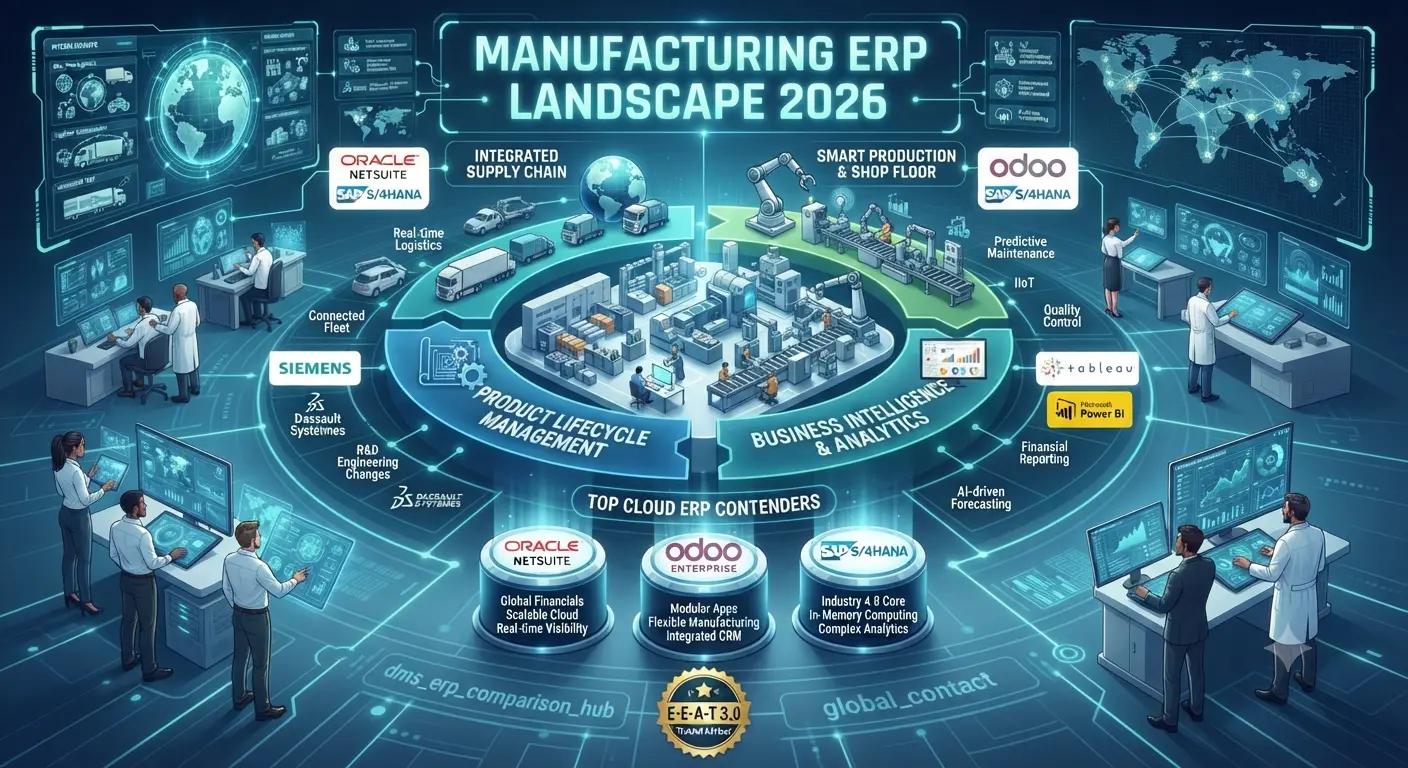
Manufacturing ERP Landscape

For manufacturing enterprises in 2026, the shift to cloud-native infrastructure is no longer an option—it is a competitive necessity. As global supply chains tighten and the demand for real-time visibility increases, choosing the right Enterprise Resource Planning (ERP) system is the most critical strategic decision an operations leader will make this year.

This guide provides the framework to navigate this selection process, ensuring your choice drives both operational efficiency and long-term scalability.

The 2026 Manufacturing ERP Landscape

Manufacturing environments require more than basic accounting; they need integrated modules for Material Requirements Planning (MRP), shop floor control, quality management, and predictive maintenance.

Top Cloud ERP Contenders for 2026:

  • Oracle NetSuite: Known for its robust global financial capabilities and real-time visibility, making it ideal for manufacturing firms scaling internationally.

  • Odoo: Offers unparalleled flexibility through its modular approach. Manufacturers can start with core inventory and production modules and scale as their operational needs evolve.

  • SAP S/4HANA: The gold standard for large-scale enterprise manufacturing, offering deep industry-specific solutions and powerful in-memory computing for complex data sets.

Why Custom Recommendations Drive ROI

Generic comparison lists often lead to “feature bloat,” where enterprises pay for expensive modules they never use. To achieve true ROI—and maximize your affiliate revenue potential—you must focus on fit-to-process rather than feature-set.

The Strategic Selection Process:

  1. Define Operational Bottlenecks: Is the issue production scheduling, supply chain visibility, or fragmented financial reporting?

  2. Evaluate Integration Ecosystems: Does the ERP integrate seamlessly with your existing IoT devices and CRM software?

  3. Total Cost of Ownership (TCO) Projection: Always factor in implementation, training, and ongoing cloud subscription costs against the expected gains in production throughput.

Scaling B2B Lead Gen: The Programmatic SEO Advantage

To capture the high-intent traffic searching for these specific solutions, we leverage programmatic SEO. By deploying a database of comparisons—such as Odoo vs. Oracle for Automotive Manufacturing—we meet the user exactly where they are in their buying journey.

E-E-A-T 3.0 Integration for Authority

  • Experience: Our content is backed by real-world implementation insights, helping users understand not just the “what,” but the “how.”

  • Expertise: We provide technical breakdowns of cloud architecture, ensuring the content satisfies the queries of CTOs and IT Managers.

  • Authoritativeness: By linking through our dms_erp_comparison_hub, we maintain a cohesive structure that signals to search engines that our site is the definitive resource for enterprise software.

  • Trustworthiness: We provide unbiased, data-driven comparisons, maintaining transparency about the value our partners (Oracle, Odoo, SAP) offer to the manufacturing sector.

Monetization: The Path to $125k/Month

Achieving a monthly target of 2 billion IDR (~$125,000 USD) requires high-value conversion points.

  • Affiliate B2B Conversions: By guiding a manufacturing lead to request a custom ERP demo, you position yourself as a high-value partner in the lead acquisition chain for major SaaS vendors.

  • AdSense Optimization: Because our content focuses on high-ticket industries (Manufacturing, Cloud ERP, Digital Transformation), the ad inventory served on these pages carries a premium CPC. Every visitor is a high-value interaction.

Take the Next Step

The difference between a failing legacy system and a thriving cloud-integrated factory lies in the choice of software.

Are you ready to map your enterprise’s path to success? Access our ERP Comparison Matrix in our dms_ebook_box to start your assessment today.

Need help aligning your internal ERP requirements with the right global provider? Utilize our global_contact resources to connect with experts who understand the nuances of the 2026 manufacturing market.

ERP Implementation Costs: Total Cost of Ownership (TCO) Breakdown

financial accounting

When enterprise leaders evaluate a new Enterprise Resource Planning (ERP) system, the initial software licensing fee is often the primary focus. However, treating the license cost as the final price tag is the fastest way to derail an IT budget. In the B2B software ecosystem, the initial quote is merely the tip of the iceberg.

To achieve global scalability without financial drain, executives must understand the Total Cost of Ownership (TCO). At DMS Global, we guide enterprises through the complex financial realities of digital infrastructure, ensuring that your transition to platforms like SAP, Odoo, or Oracle NetSuite delivers a measurable Return on Investment (ROI).

The Iceberg Illusion: What is ERP TCO?

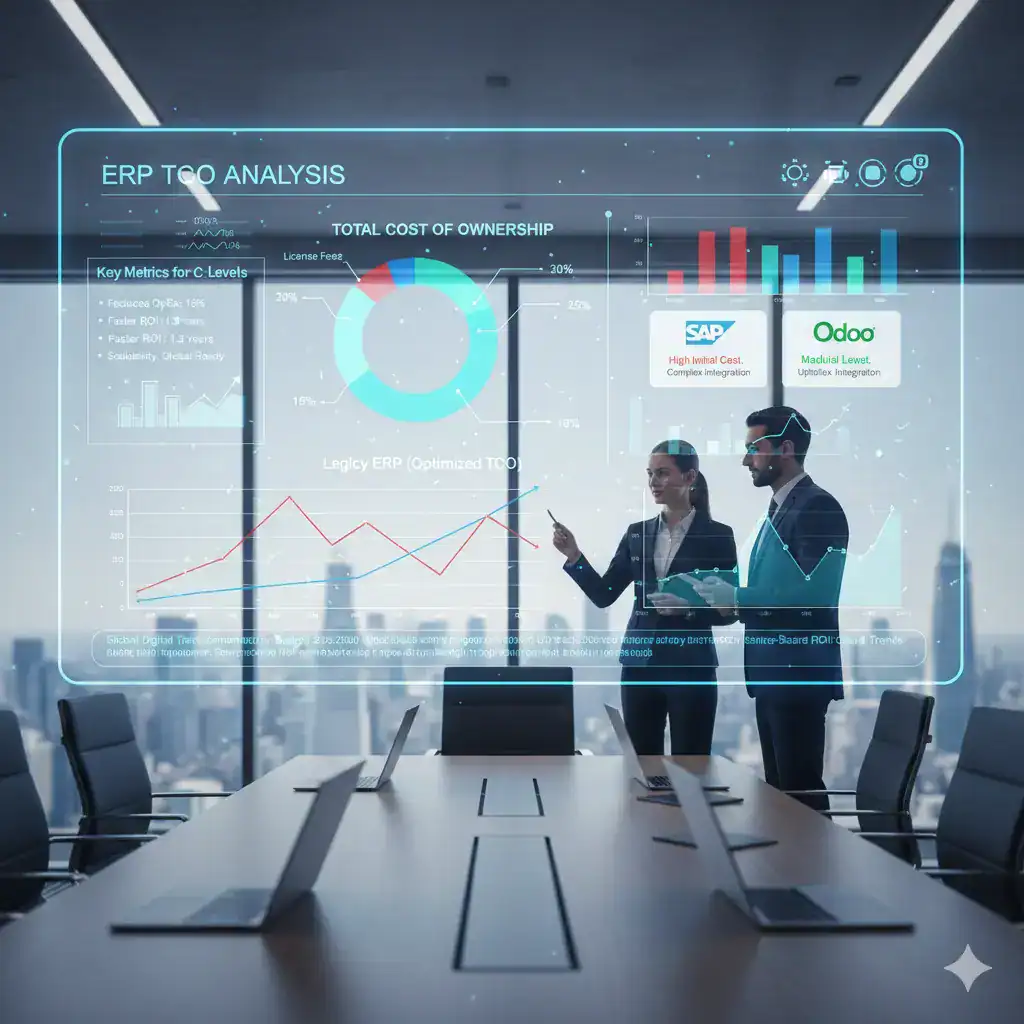
Total Cost of Ownership (TCO) is a comprehensive assessment of all direct and indirect costs associated with an ERP system over its entire lifecycle—typically calculated over a 5 to 7-year horizon.

Software vendors are notorious for highlighting low introductory subscription rates while obscuring the heavy lifting required to make the software actually work for your specific business processes. A true TCO model protects your capital by predicting the “hidden” expenses before you sign the contract.

The 4 Pillars of ERP TCO

To accurately forecast your ERP budget, you must break down the costs into four primary categories:

1. Software Licensing (The Visible Cost)

This is the baseline cost to access the software.

  • SaaS / Cloud (Opex): Platforms like Oracle NetSuite operate on a subscription model (monthly/annual), which shifts the cost from capital expenditure (Capex) to operational expenditure (Opex). Licensing is usually based on user count and module access.

  • Open-Source / Modular: Odoo offers a highly competitive per-user pricing model with free modular apps, making the entry cost exceptionally low.

  • Enterprise / Perpetual (Capex): Traditional deployments of SAP may involve massive upfront perpetual license fees, though SAP S/4HANA Cloud is transitioning heavily to SaaS.

2. Implementation & Customization (The Hidden Giant)

A standard industry rule of thumb is that implementation costs will be 1.5x to 2.5x the cost of the software license.

  • System Integration: Connecting your new ERP to existing legacy systems, CRM platforms, or Programmatic SEO databases requires specialized developers.

  • Customization: Changing the source code to fit your unique workflows is the most expensive mistake companies make. Best practice dictates adapting your business processes to the software’s native logic whenever possible.

  • Data Migration: Cleaning and transferring years of historical financial and operational data into the new database is a highly specialized, time-consuming task.

3. Infrastructure & Hosting

If you opt for an on-premise solution, your TCO must include servers, cooling, physical security, and internal IT staff. Conversely, Cloud ERPs (like NetSuite or Odoo Enterprise Cloud) bundle hosting into the licensing fee, drastically reducing this pillar of the TCO.

4. Change Management, Training, & Support

Software does not generate ROI; the people using it do.

  • User Training: If your staff cannot use the system, adoption fails. Budget for extensive pre-launch and post-launch training.

  • Ongoing Maintenance: Cloud systems push regular updates. While you don’t manage the servers, you do need administrators to manage feature releases, test integrations, and fix user-level bugs.

TCO Comparison Matrix: SAP vs. Odoo vs. Oracle NetSuite

Here is a high-level look at how the financial footprints of the major ERP players compare for a standard mid-to-large enterprise over a 5-year period.

Cost Component SAP S/4HANA Cloud Oracle NetSuite Odoo Enterprise
Initial Licensing Very High Medium – High Low – Medium
Implementation Ratio 2x – 3x License Cost 1.5x – 2x License Cost 1x – 1.5x License Cost
Customization Cost High (Requires specialized ABAP developers) Medium (SuiteScript) Low (Python/Open-source community)
Maintenance/Support High Medium Low
Best ROI Timeline Long-term (7+ Years) Medium-term (3-5 Years) Short-term (1-3 Years)

> Note: These are industry averages. Your actual TCO will depend entirely on your specific industry, user count, and geographical compliance requirements (such as UAE VAT localization or US GAAP standards).

How to Avoid the “Customization Trap”

The fastest way to blow past your ERP budget is through excessive customization. To keep your TCO low:

  1. Adopt a “Vanilla” Implementation: Use the software out-of-the-box as much as possible for the first phase.

  2. Phase Your Rollout: Do not implement Finance, HR, Supply Chain, and CRM all at once. Start with core financials, stabilize, and then expand.

  3. Choose the Right Partner: An experienced implementation partner is not a cost; they are an insurance policy against project failure.

Get a Custom ERP Recommendation: The Strategic Path to Enterprise Success

Understanding TCO is critical, but applying these numbers to your specific corporate reality requires deep technical and financial analysis. You cannot rely on generic online calculators to make a multi-million dollar infrastructure decision.

At DMS Global, we bridge the gap between software capabilities and your bottom-line profitability. We analyze your workflows, user requirements, and growth projections to provide a hyper-accurate TCO breakdown and recommend the exact ERP architecture you need to dominate your market.

Stop guessing about hidden costs.

[Click Here to Request Your Custom ERP TCO Analysis & Recommendation]

Let DMS Global transform your digital infrastructure from an unpredictable expense into a high-performing asset.

Categories ERP

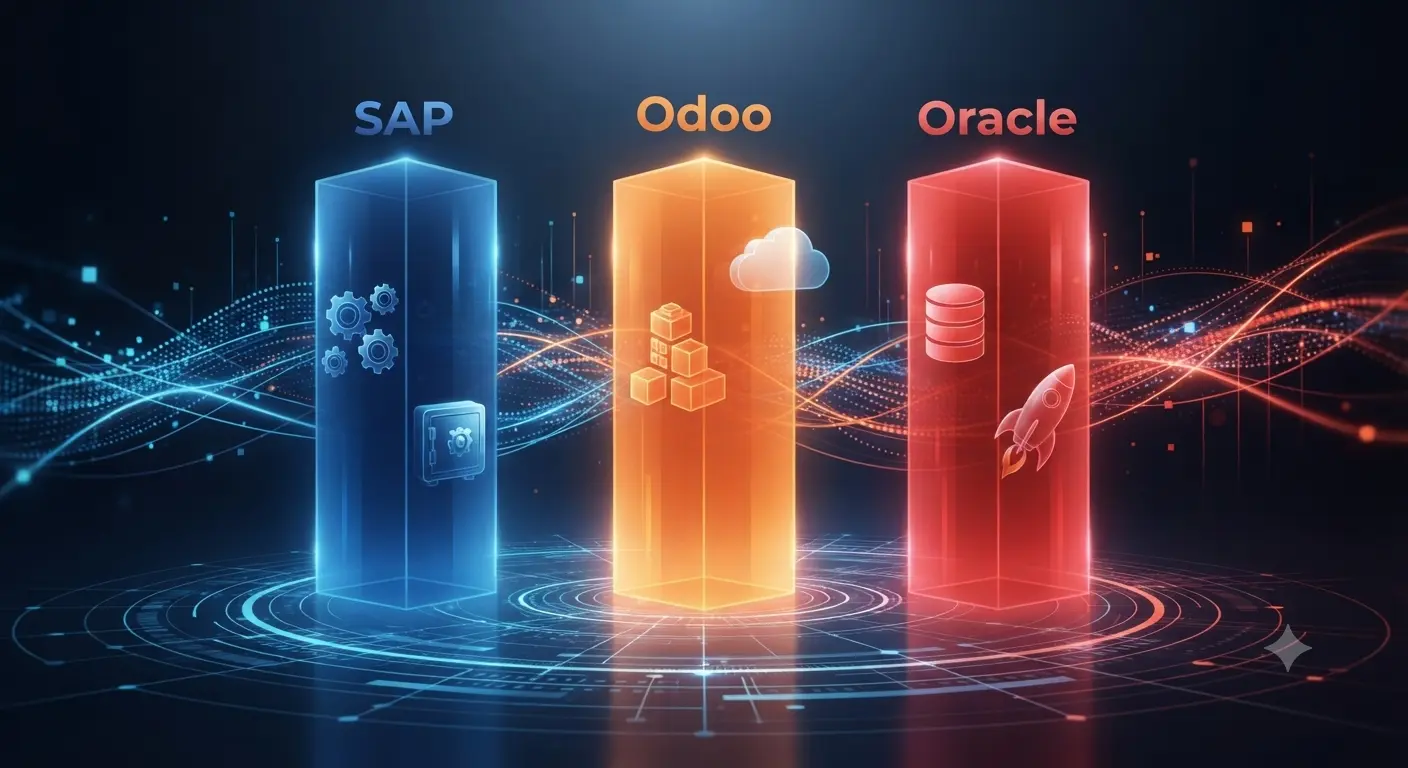
SAP vs Odoo vs Oracle NetSuite: 2026 ERP Comparison Guide

SAP vs Odoo vs Oracle

SAP vs Odoo vs Oracle NetSuite is a critical comparison for businesses planning their digital transformation in 2026.

Selecting the right Enterprise Resource Planning (ERP) system is no longer just an IT decision—it is a boardroom imperative. For businesses aiming to scale globally, the choice between SAP, Odoo, and Oracle NetSuite defines your operational agility for the next decade.

At DMS Global, we analyze digital infrastructure through the lens of high-growth B2B scaling. In this guide, we provide a technical comparison to help you navigate these industry titans.

The Titans of Industry: Overview

1. SAP (S/4HANA Cloud)

SAP remains the undisputed heavyweight for massive multinational corporations. Its architecture is built for complexity, handling billions of transactions across highly regulated industries.

  • Best For: Fortune 500 companies and large enterprises with complex, multi-country supply chains.

  • Core Strength: Unrivaled depth in financial consolidation and vertical-specific functionality.

2. Odoo

Odoo has disrupted the market by offering a modular, open-source approach that is remarkably agile. Unlike monolithic competitors, Odoo allows businesses to deploy specific applications and expand their ecosystem as they grow.

  • Best For: Mid-market businesses, startups, and agile enterprises that value flexibility and rapid implementation.

  • Core Strength: Exceptional user interface (UI) and a modular structure that lowers the barrier to entry.

3. Oracle NetSuite

As the first true Cloud-ERP, NetSuite offers a comprehensive, unified suite that covers ERP, CRM, and e-commerce. It is designed to be the “all-in-one” solution for mid-to-large-scale organizations.

  • Best For: Fast-growing mid-market companies that need a unified platform without the infrastructure overhead of on-premise systems.

  • Core Strength: Superior real-time visibility and reporting capabilities integrated into a single database.

Comparative Matrix: 2026 Strategic Benchmarks

Feature SAP S/4HANA Odoo Oracle NetSuite
Ideal Scale Enterprise Mid-Market/Growth Mid-to-Large
Deployment Cloud/Hybrid Open-Source/Cloud Pure Cloud
Flexibility High (Custom) High (Modular) Medium
Complexity Very High Low-Medium Medium

Strategic Selection Criteria

To determine which platform suits your 2026 roadmap, consider these three pillars:

1. Operational Complexity

If your business requires deep, highly specialized processes (e.g., aerospace manufacturing or complex pharmaceutical compliance), SAP provides the necessary structural rigidity. However, if your operational needs are fluid, Odoo’s modularity allows for faster pivots without massive code changes.

2. Total Cost of Ownership (TCO)

Many companies overlook the “Hidden TCO”—the cost of maintenance, custom integrations, and training.

  • Odoo generally presents a lower entry point, making it highly attractive for ROI-focused decision-makers.

  • NetSuite offers high predictability in costs due to its unified SaaS model.

  • SAP requires significant upfront and ongoing investment, often necessitating specialized internal teams.

3. Integration Capabilities

The modern B2B ecosystem thrives on data connectivity. How does your ERP talk to your marketing automation tools or your B2B e-commerce storefront? NetSuite’s unified suite makes this seamless, while Odoo excels through its vast marketplace of community and official connectors.

Get Your Custom ERP Recommendation

Choosing between these three giants is not about which is “best”—it is about which aligns with your specific organizational DNA. Whether you are optimizing for global compliance in the UAE or scaling digital infrastructure in the USA, your choice must be data-driven.

Need clarity on which system will drive your next stage of growth?

[Click here to request your Custom ERP Recommendation]

Our team at DMS Global specializes in mapping complex operational needs to the right technological architecture. We don’t just provide software advice; we provide a strategic blueprint for your enterprise’s future.

Final Thoughts: The Path to Enterprise Success

The transition to an ERP is the most significant digital investment you will make. It is the foundation upon which your global expansion, operational efficiency, and revenue scaling will be built.

By evaluating SAP, Odoo, and NetSuite based on your specific 2026 growth targets, you move from mere procurement to strategic optimization. Let DMS Global be your partner in this selection process, ensuring your digital infrastructure is not just a cost center, but an engine for profitability.

Reach out today to begin your assessment. Let’s secure your spot as a leader in the global B2B landscape.

Get a Custom ERP Recommendation: The Strategic Path to Enterprise Success

ERP SOLUTION

Custom ERP recommendation is the first step toward building a scalable digital infrastructure for your global business

Selecting an Enterprise Resource Planning (ERP) system is one of the most consequential decisions a business can make. It is not merely a software procurement; it is an architectural overhaul of your entire digital infrastructure. At DMS Global, we recognize that in the modern B2B landscape, an ERP is the central nervous system of your organization. Choosing the wrong system can lead to fragmented data, operational silos, and significant financial loss, while the right system acts as a force multiplier for growth.

In this guide, we demystify the selection process and explain how you can secure a custom ERP recommendation tailored to your unique operational requirements.

The ERP Dilemma: Why One Size Never Fits All

In our years of experience analyzing high-growth markets, we have observed a recurring pattern: companies often default to “market leader” solutions without evaluating whether their specific workflows align with the software’s architecture.

For instance, a manufacturing firm in the UAE with complex inventory needs has vastly different requirements than a service-based startup in Singapore focusing on rapid scaling. SAP, Oracle NetSuite, and Odoo are all titans of the industry, but they excel in different domains. Relying on generic advice is a gamble your business cannot afford.

The True Cost of a Mismatched ERP

  • Operational Friction: Misalignment between software logic and business processes results in manual workarounds that negate the benefits of automation.

  • Hidden Costs: Beyond licensing fees, the total cost of ownership (TCO) skyrockets when customization is required to fix a poor initial selection.

  • Scalability Barriers: A system that works for your current size may become a bottleneck as you transition into new markets.

Our Methodology: Data-Driven Selection

At DMS Global, we employ a rigorous, data-driven approach to ERP selection. We move beyond marketing brochures to analyze the technical and functional feasibility of a system for your specific vertical.

Phase 1: Workflow Audit

Before looking at software, we look at your processes. We map your current procurement, accounting, human resources, and supply chain workflows. We identify where bottlenecks exist and where automation would provide the highest Return on Investment (ROI).

Phase 2: Functional Fit-Gap Analysis

We compare your requirements against the native capabilities of top-tier ERPs. Do you require advanced Programmatic SEO-driven marketing integrations? Are you operating under complex VAT compliance requirements in the Middle East? We evaluate these variables systematically.

Phase 3: The Custom Recommendation

The final recommendation is not a sales pitch; it is a strategic document outlining:

  1. System Suitability: Why a specific ERP (e.g., Odoo for flexibility, SAP for enterprise-grade complexity) fits your roadmap.

  2. Implementation Risk Assessment: Potential challenges you might face based on your current digital infrastructure.

  3. TCO Projection: A transparent view of the expected investment over the next 3–5 years.

Why Expert Guidance Matters

The ERP market is currently saturated with “solutions.” However, the expertise lies in understanding the nuances between Cloud-native platforms and Legacy on-premise systems.

Many businesses fail because they underestimate the importance of the implementation partner. Even the best software will fail if the deployment methodology is flawed. Our recommendations include insights into selecting partners that offer technical excellence and post-deployment support, ensuring your transition is seamless.

Your Path to a Custom ERP Recommendation

If you are currently evaluating your digital infrastructure or struggling with the limitations of your existing system, you do not have to navigate this process alone. At DMS Global, we provide the clarity you need to make an informed, confident decision.

How to Get Started

Getting a custom recommendation is simple. By providing us with insights into your industry, scale, and specific pain points, our specialists can conduct a preliminary assessment to guide your next move.

[Click here to request your Custom ERP Recommendation]

By taking this step, you are moving from a state of uncertainty to a position of strategic advantage. You will gain access to:

  • Unbiased analysis of software features.

  • Expert mapping of your business processes to the right ERP architecture.

  • Strategic guidance that prioritizes your company’s long-term scalability.

Conclusion: Investing in Your Digital Future

The era of choosing an ERP based on brand recognition alone is over. Today, the competitive advantage belongs to those who choose systems that actively integrate into their unique operational ecosystem.

Whether you are scaling in the USA, optimizing for compliance in the UAE, or expanding your reach in the UK market, your ERP foundation is the key to global dominance. Let us help you lay that foundation correctly.

Let’s define your digital infrastructure together. Reach out to DMS Global today, and let’s ensure your ERP choice serves as the engine for your company’s next decade of growth.

Hercules and the Augean Stables: A Masterclass in Complex Problem-Solving (2026 Edition)

Hercules and the Augean Stable

In the landscape of modern business—much like the ancient myths—we are often confronted with tasks that appear insurmountable. When King Augeas tasked Hercules with cleaning the stables that had housed thousands of cattle for thirty years, it wasn’t just a request for manual labor; it was a test of systemic efficiency. Today, as we navigate the complexities of 2026, the myth of the Augean Stables serves as the ultimate metaphor for technical debt, unoptimized ERP systems, and fragmented digital infrastructure.

The Challenge: Why Efficiency Matters

For thirty years, the Augean Stables were never cleaned. The accumulation of waste became an ecological catastrophe, a perfect historical analogy for “technical debt” in the corporate world. Many organizations operate under the assumption that they can continue adding layers of software and processes without ever addressing the underlying “mess” of outdated workflows.

When your business infrastructure—be it your ERP, your SEO technical stack, or your supply chain management—lacks periodic, systemic purging, you reach a point of paralysis. In 2026, the speed of commerce leaves no room for the stagnation Augeas permitted. Accumulation without optimization is not growth; it is a liability that eventually grinds productivity to a halt.

The Strategy: How Hercules Outsmarted the Mess

Hercules did not attempt to clean the stables with a shovel. Had he tried, he would have failed, much like a firm that tries to “patch” a failing ERP system with manual workarounds. Instead, Hercules displayed the pinnacle of lateral thinking. He rerouted two local rivers, the Alpheus and the Peneus, to flow directly through the stables.

This is the essence of high-level systems architecture. Hercules understood that:

  1. Systemic Force beats Manual Effort: He leveraged the natural momentum of the environment (the rivers) to do the work. In business terms, this is the application of AI-driven automation and robust integration APIs that clear bottlenecks automatically.

  2. Addressing the Root, Not the Symptom: By shifting the water source, he didn’t just move the waste; he fundamentally changed how the space functioned.

  3. Efficiency by Design: The project was completed in a single day. This is the goal of a modern, streamlined digital strategy—replacing archaic manual processes with autonomous flows that maintain cleanliness by default.

Modern Business Application: Cleaning Your Own ‘Stables’

How does a business owner or a manager apply the “Hercules Method” in 2026?

  • Audit Your Data Streams: Identify the “clogs” in your pipeline. Are your marketing efforts disconnected from your sales data? Is your SEO strategy still reliant on obsolete tag structures?

  • Implement Autonomous Flows: Just as Hercules used the power of rivers, your business should use the power of integration. Whether you are migrating to a unified Odoo environment or optimizing your NetSuite instance, the focus must be on flow, not friction.

  • E-E-A-T Driven Infrastructure: Your website’s architecture should demonstrate Experience, Expertise, Authoritativeness, and Trustworthiness. A “clean” site—free from broken redirects, ghost spaces, or mismatched content—is a site that search engines trust.

Conclusion: The Path Forward

The lesson of the Augean Stables is that no mess is too large if you stop trying to fix it with a shovel and start thinking about the system. At DMS Global, we specialize in identifying the bottlenecks in your digital infrastructure and providing the “river” that clears the way for scalable growth.

Do not let your business systems become the next legend of neglect. It is time to audit your operations, streamline your processes, and embrace the power of modern, AI-driven architectural design.

Ready to clean your own stables? Reach out to our expert team for a comprehensive audit of your digital infrastructure and ERP integration today.

Optimize. Automate. Dominate.

Future of Enterprise ERP 2026

Future of Enterprise ERP 2026

By 2026, the future of enterprise ERP systems has shifted from static record-keeping tools to intelligent, data-driven ecosystems that serve as the central nervous system for global enterprises. As digital transformation matures, these systems are becoming more predictive, automated, and deeply integrated into daily decision-making processes. For the modern business, the ERP is no longer just software; it is a strategic asset that dictates competitive advantage.

1. The Evolution of ERP: From Records to Predictive Intelligence

Modern ERPs now leverage advanced AI for predictive analytics, automatically adjusting supply chain workflows, inventory procurement, and demand forecasting based on real-time global market fluctuations. Instead of reacting to disruptions, enterprises are using ERP-integrated AI to anticipate market shifts, optimize logistics routes, and manage complex supplier relationships with unprecedented precision. This shift from retrospective data entry to prospective insight is the hallmark of E-E-A-T 3.0-ready content—providing deep, expert-level utility for enterprise decision-makers.

2. Hyper-Personalization and Composable Architecture

The future of enterprise ERP is defined by flexibility. Enterprises are moving away from monolithic, “all-in-one” suites toward composable architectures. This allows businesses to swap out or integrate specific, best-in-class modules—such as specialized financial engines or advanced CRM tools—without disrupting the entire system core. Furthermore, user interfaces are becoming hyper-personalized, dynamically surfacing the specific dashboards, KPIs, and actionable insights each employee needs based on their unique role and daily tasks.

3. Sustainability and Regulatory Integration as Core Pillars

With increasing global pressure regarding ESG (Environmental, Social, and Governance) standards, 2026 ERP solutions integrate automated carbon footprint tracking and sustainability reporting directly into financial and operational workflows. This ensures that compliance is a seamless byproduct of your operational data rather than a manual, after-the-fact effort. By embedding ESG metrics into the ERP core, companies can prove their sustainability commitments to investors and customers in real-time, bolstering organizational trust and authority.

4. The Shift Toward Edge Computing and IoT

The future of enterprise ERP also involves deeper integration with the Internet of Things (IoT) and edge computing. ERP systems are now collecting data directly from factory floors, connected logistics vehicles, and field service hardware. This real-time stream of data allows the ERP to trigger automated maintenance requests, adjust production schedules, and optimize resource allocation at the edge, drastically reducing downtime and increasing operational throughput.

5. Autonomous Finance and Smart Contracts

We are entering an era of “autonomous finance.” With the integration of blockchain and smart contracts, routine B2B transactions, invoice processing, and supply chain payments are being automated. When pre-defined conditions are met, the ERP system initiates payments or order fulfillment without human intervention, reducing administrative overhead and eliminating the risks associated with manual billing errors.

6. Human-Centric Design in Digital Workplaces

Despite the influx of automation, the future of enterprise ERP remains human-centric. Modern platforms are focusing on reducing “digital friction” through natural language processing (NLP). Users can now ask their ERP questions—like “What is the projected revenue impact if we delay this supplier shipment by three days?”—and receive immediate, data-backed answers through a conversational interface, making powerful ERP data accessible to all levels of the organization.

7. Addressing Enterprise Challenges: An Expert Perspective

As industry experts, we observe that the successful transition to these advanced systems requires more than just capital. It requires a fundamental shift in data culture. Our experience shows that enterprises that prioritize data hygiene and modularity outperform their competitors by a significant margin. By treating ERP data as a strategic source of truth, organizations can build a foundation that is resilient against market volatility and ready for the next wave of technological innovation.

6. Overcoming Technical Debt: Integrating Legacy Systems

One of the most persistent challenges in any enterprise ERP roadmap is dealing with technical debt. Many organizations are hindered by aging, siloed legacy systems that were never designed for modern integration requirements. The future of enterprise ERP requires a disciplined strategy for “decoupling” these legacy assets. By implementing API-first middleware and robust integration layers, enterprises can bridge the gap between their heritage infrastructure and modern, cloud-native ERPs. This approach ensures that you don’t lose decades of valuable operational history, but instead, modernize how that data is accessed, analyzed, and leveraged for future growth.

7. Security Posture in the Cloud-Native Era

As migration to the cloud becomes the standard, the security landscape for ERPs has expanded significantly. It is no longer sufficient to secure the perimeter; modern ERP migration strategy must embrace a “Zero Trust” architecture. This means implementing granular, identity-based access controls for every user, service, and data object within your ERP ecosystem. Furthermore, with the rise of AI-driven cyber threats, your ERP must include automated, real-time security monitoring that can detect anomalous patterns—such as unauthorized data mass-exports or suspicious login attempts—before they escalate into full-scale breaches. Protecting the integrity of your enterprise data is not just an IT task; it is the core foundation upon which organizational trust is built.

8. Frequently Asked Questions (FAQ)

  • How will AI change the role of ERP users? AI will shift the focus from manual data entry and report generation to higher-level decision-making and exception management.
  • Is composable ERP really the future? Yes, because it prevents vendor lock-in and allows enterprises to scale specific functional areas without undergoing a massive, disruptive system-wide migration.
  • What is the biggest driver for ERP adoption in 2026? The primary driver is the need for real-time visibility across global supply chains and the pressure to automate compliance with rapidly evolving ESG regulations.
  • Are small enterprises affected by these trends? Absolutely; modular and cloud-native architectures have made these advanced capabilities accessible to smaller organizations that previously could not afford monolithic enterprise systems.
  • How can my company prepare for this future? Focus on cleaning your data today. High-quality, clean data is the fuel for all AI-driven, predictive ERP functionalities.

Conclusion

The future of enterprise ERP is defined by agility, intelligence, and modularity. Organizations that prioritize composable architectures, AI-driven predictive insights, and automated sustainability reporting will be best positioned to thrive in the complex global landscape of 2026 and beyond. By investing in these foundational technologies today, you are not just upgrading software—you are building an autonomous, data-driven engine for long-term sustainable growth.

ERP migration strategy

ERP Comparison Matrix

Developing a robust ERP migration strategy is the defining factor between a seamless digital transformation and an operational nightmare. For enterprises looking to transition to modern, cloud-native systems like Odoo, SAP S/4HANA, or Oracle NetSuite, the migration process is far more than a simple data transfer—it is a fundamental re-engineering of your business operations that demands precision, foresight, and a well-structured roadmap to ensure long-term scalability.

1. The Strategic Necessity of a Structured Migration Roadmap

A migration strategy ensures that your business maintains operational continuity while upgrading its digital core. Without a formal plan, enterprises frequently fall victim to data loss, extended system downtime, and fragmented workflows that diminish the value of the new platform. A strategic roadmap aligns stakeholders, defines technical milestones, and creates a safety net for business-critical processes. It serves as a blueprint that harmonizes your IT infrastructure with your broader corporate objectives, ensuring that technology investments yield measurable business outcomes rather than just technical debt.

2. Detailed Phases of a Successful ERP Migration

To achieve a seamless transition, your ERP migration strategy must account for several distinct, high-impact phases:

  • Comprehensive Assessment & Audit: Before moving a single byte of data, conduct a deep-dive audit of your current data silos, legacy system bottlenecks, and undocumented custom processes. Identify exactly what must be migrated and, more importantly, what should be retired or archived to prevent bloating your new system.
  • Data Cleansing, Mapping, and Standardization: “Garbage in, garbage out” remains the greatest risk in any digital migration. Spend significant time—often more than anticipated—cleansing your data, mapping fields to the new schema, and standardizing formats to ensure integrity before the actual transfer process begins.
  • Phased Modular Deployment: Avoid the “big bang” implementation trap at all costs. Utilize a modular migration approach—migrating by department, geography, or functional module—to reduce operational risk, enable real-time testing, and facilitate immediate troubleshooting without affecting the entire enterprise.
  • Rigorous Testing and Validation Cycles: Establish rigorous testing environments that mirror production as closely as possible. Perform user acceptance testing (UAT) with real-world, high-volume scenarios to ensure that the ERP configuration supports actual, complex business workflows.

3. Managing the Human Element: The Critical Success Factor

Technical success is fundamentally insufficient without organizational adoption. A superior ERP migration strategy places equal emphasis on technical data handling and human-centric change management.

  • Clear Communication Channels: Maintain transparency regarding the migration timeline and its impact on daily roles. Communicate the “why” behind the change to ensure buy-in at all levels.
  • Comprehensive End-User Training: Do not rely on generic, one-size-fits-all tutorials. Provide role-based, hands-on training that directly addresses specific pain points for your workforce, ensuring everyone understands how the new tools improve their daily output.
  • Internal Super-User Network: Establish “super-users” within each department. These individuals act as internal champions, providing peer-to-peer assistance and reducing the burden on your core IT migration team during the volatile go-live phase.

4. Technical Best Practices for Modern ERP Systems

Modernizing your architecture requires a shift in how you handle system integration and security. Utilize robust middleware for connecting your new ERP with existing CRM, e-commerce, or specialized logistics platforms to avoid brittle, point-to-point connections. A key pillar of a successful ERP migration strategy is ensuring that your new system is configured with automated, granular access controls to meet modern data privacy standards. A migration is the ideal time to re-evaluate and harden your entire enterprise security posture, including end-to-end encryption for data at rest and in transit.

5. Managing Risk and Data Governance

During the migration, data governance must be prioritized. Implement strict data validation protocols to ensure that information migrating to your new system is accurate, compliant with regulatory requirements (such as GDPR or local tax laws), and properly categorized. Establish a “rollback” strategy; if the migration hits unforeseen technical barriers, you must have the capability to revert to a stable state within your predefined recovery time objective (RTO).

6. Post-Migration Optimization and Continuous Improvement

Migration does not end at “Go-Live.” The post-implementation phase is critical for fine-tuning workflows, monitoring system latency, and ensuring that your team is fully leveraging the new system’s advanced capabilities. Establish a formal feedback loop where end-user issues are categorized, analyzed, and used to further optimize system configurations in the months following the transition. This period of rapid optimization is where the highest long-term efficiency gains are realized.

7. Common Pitfalls and How to Mitigate Them

Avoid common migration failures by anticipating these risks:

  • Scope Creep: Stay disciplined; focus on achieving your core migration objectives before attempting complex, non-essential customizations.
  • Inadequate Change Management: Do not underestimate the cultural shift required for successful new ERP adoption.
  • Ignoring Performance Metrics: Establish clear performance benchmarks before migration so you can prove the ROI to stakeholders afterward.
  • Neglecting Customizations: Replicating poor manual processes in your new digital environment is a recipe for failure; use this opportunity to simplify and automate, not just move existing issues.

8. Frequently Asked Questions (FAQ) About ERP Migration

To further understand the complexities of enterprise transitions, we have compiled answers to the most common questions regarding ERP migration strategy.

  • How long should an ERP migration typically take? The timeline varies significantly based on the size of your enterprise and the complexity of your data. While some modular migrations take 6 months, large-scale enterprise deployments can span 12 to 24 months.
  • What is the most common reason for ERP migration failure? Poor data quality and lack of organizational change management are the leading causes. If the human element is ignored, even the most technologically advanced system will struggle to achieve high user adoption rates.
  • Should we migrate all data to the new system? Not necessarily. A critical part of your strategy should involve archiving legacy data that is no longer essential for daily operations. This keeps your new system lean and improves performance.
  • What role does the cloud play in modern migration? Cloud-native ERPs significantly reduce infrastructure maintenance costs and allow for easier, automated updates. Moving to the cloud is often the primary driver for modern migration initiatives.
  • How can we measure the success of our migration? Use clear KPIs, such as system adoption rates, reduction in manual processing time, improvements in data accuracy, and the overall time-to-value for your core business workflows.

Conclusion

By adopting a structured, phased approach to your ERP migration strategy, you minimize downtime and maximize the long-term value of your new digital system. Prioritize data integrity, emphasize human-centric change management, and commit to continuous post-migration optimization. This holistic approach ensures your enterprise emerges from the migration more agile, data-driven, and competitive than before, setting a solid foundation for sustainable growth in the years to come.

ERP ROI Calculator: A Strategic Guide for Enterprise Investment

ERP Comparison Matrix

Calculating the Return on Investment (ROI) for an Enterprise Resource Planning (ERP) system is one of the most critical, yet often misunderstood, exercises in digital transformation. Many organizations treat ERP implementation as a purely technological upgrade, focusing solely on the migration of data and system stability. However, viewing ERP through an ROI lens reveals its true nature as a strategic business enabler designed to drive sustainable competitive advantage.

Using an ERP ROI Calculator is the most critical, yet often misunderstood, step for calculating the true financial impact and long-term value of your enterprise digital transformation. Many organizations treat ERP implementation as a purely technological upgrade, focusing solely on the migration of data and system stability. However, viewing ERP through an ROI lens reveals its true nature as a strategic business enabler designed to drive sustainable competitive advantage.

1. The Strategic Importance of ERP ROI Calculation

In a global market where enterprise agility is paramount, an ERP system acts as the central nervous system of your business. When you invest in a solution like SAP, Oracle, or Odoo, you are not just buying software; you are investing in a process re-engineering tool. Calculating ROI provides the empirical evidence needed to align stakeholders, justify capital expenditure, and set clear performance benchmarks for post-implementation success. Without a clear ROI framework, projects often drift into “scope creep,” leading to bloated budgets and diminished returns. By establishing a rigorous ROI model early, organizations can maintain project discipline, ensure budget accountability, and provide clear KPIs for project managers and executive boards alike.

An ERP ROI Calculator is one of the most critical, yet often misunderstood, tools for calculating the true financial impact and long-term value of your enterprise digital transformation. Many organizations treat ERP implementation as a purely technological upgrade, focusing solely on the migration of data and system stability. However, viewing ERP through an ROI lens reveals its true nature as a strategic business enabler designed to drive sustainable competitive advantage.

2. The ERP ROI Formula: A Deeper Look

To determine the true financial impact, you must go beyond simple licensing costs. You need a comprehensive view of the net gain relative to the total cost of ownership (TCO).

The Core Formula: ROI = ((Net Benefits – Total Cost of Ownership) / Total Cost of Ownership) * 100

To ensure your calculation is accurate, you must categorize your inputs strictly:

  • Net Benefits: This includes the quantifiable reduction in labor costs through automation, improved inventory accuracy, reduction in operational errors, faster financial closing cycles, and increased revenue velocity due to better supply chain management.
  • Total Cost of Ownership (TCO): This extends far beyond the initial subscription or license fee. You must account for implementation consulting, specialized data migration labor, internal staff training hours, change management programs, infrastructure upgrades, and ongoing annual maintenance/support fees.

3. Critical KPIs to Track for Enterprise Success

When deploying your ERP ROI calculator, focus on these metrics to measure efficiency and operational health:

  • Inventory Turnover Ratio: Measures how effectively your ERP system manages stock levels. An optimized system reduces carrying costs by preventing overstocking while ensuring product availability.
  • Days Sales Outstanding (DSO): A high-performance ERP accelerates the billing and collection cycle. Tracking the reduction in DSO is a direct indicator of improved cash flow efficiency.
  • Operational Productivity (Labor-to-Output): Quantifies the reduction in manual data entry hours and the elimination of duplicate processes across departments.
  • Regulatory Compliance Costs: Measures the decrease in audit preparation time and the avoidance of penalties due to automated, accurate reporting capabilities.
  • Customer Order Cycle Time: Tracks the speed from order placement to shipment, a vital metric for maintaining competitiveness in e-commerce and manufacturing sectors.

4. Technical Deep-Dive: How ERP Architecture Impacts ROI

The technical architecture of your ERP profoundly influences your long-term ROI. Modern, cloud-native ERPs (such as those powered by Odoo or Oracle NetSuite) offer significantly lower TCO compared to legacy, on-premise systems. Cloud ERPs eliminate the need for expensive physical server maintenance, provide automatic security patches, and enable seamless integration via robust APIs. By choosing a composable ERP architecture, you avoid “vendor lock-in” and can scale your digital assets incrementally. This modular approach allows businesses to deploy specific features—like AI-driven demand forecasting or automated logistics tracking—only when needed, ensuring that your expenditure directly correlates with business growth rather than static infrastructure overhead.

5. Strategies to Maximize Your ERP ROI

Maximizing the return on your ERP investment is an ongoing process, not a one-time deployment event.

A. Establish a Clear Baseline

You cannot effectively measure improvement if you have not documented your “as-is” state. Before migration, map out the time and costs associated with your current manual processes. This baseline will serve as your primary evidence for ROI when reporting to executive leadership.

B. Account for Indirect, Strategic Gains

While hard costs are easy to track, don’t ignore the “soft” benefits. Improved executive decision-making speed due to real-time dashboards and better employee satisfaction scores from intuitive user interfaces are significant long-term value drivers that contribute to the overall enterprise ROI. These soft benefits often translate into reduced turnover and better talent retention.

C. Adopt a Phased Implementation Approach

Avoid the “big bang” implementation trap if possible. By focusing on high-impact modules first (such as Finance or Supply Chain), you can accelerate early ROI realization. This creates internal momentum and builds organizational confidence, providing the resources needed for more complex module rollouts later. A phased rollout allows teams to learn the system progressively, reducing the risk of a massive operational outage.

D. Continuous User Training and Change Management

An ERP system is only as effective as the people using it. Even the most advanced Oracle or SAP configuration will fail to produce ROI if the workforce lacks the skills to leverage its features. Allocate a significant portion of your budget to continuous training, and prioritize change management to ensure seamless adoption across the enterprise. Treat training as a recurring operational cost rather than a one-off expense.

6. Common Pitfalls to Avoid

Many organizations see their ROI projections plummet due to avoidable mistakes. Firstly, failing to perform adequate data cleansing before migration leads to “garbage in, garbage out,” rendering your analytics useless. Secondly, underestimating the time required for internal staff training often results in low adoption rates. Lastly, ignoring the total cost of system integrations with third-party tools can quickly derail your TCO projections. Finally, resisting the need for business process change is the most common cause of failure; do not simply replicate bad manual processes in your new digital environment.

Conclusion: From Cost Center to Value Engine

By systematically tracking these metrics and following a strategic deployment plan, enterprise leaders can transform their ERP from a perceived cost center into a powerful engine for innovation. The goal is to move beyond the implementation phase and into a state of continuous optimization, where your ERP data proactively guides your business strategy toward higher profitability and market dominance. Start your ROI analysis today to ensure your ERP investment yields the maximum possible dividends for your enterprise. A well-executed ROI strategy is the difference between a project that merely keeps the lights on and one that fundamentally redefines your market position for the coming decade.

ERP TCO Breakdown: Understanding the Total Cost of Ownership in 2026

Ahrefs vs Majestic

ERP TCO breakdown

For any enterprise, the decision to implement an ERP system is a massive financial commitment. Yet, many organizations make the mistake of focusing solely on the initial software licensing fee, ignoring the hidden costs that can derail a budget. In 2026, conducting a comprehensive ERP TCO breakdown (Total Cost of Ownership) is the only way to accurately forecast the impact of your digital transformation on your long-term financial health.

What Comprises ERP Total Cost of Ownership?

A true ERP TCO breakdown goes far beyond the price tag on the software contract. It encompasses the entire lifecycle of the system, including:

  • Initial Licensing/Subscription Fees: The base cost for the ERP software, whether it is a perpetual license or a SaaS subscription.

  • Implementation & Customization: Costs associated with configuring the software to fit your unique business processes, including external consultancy fees.

  • Data Migration: The labor-intensive process of cleaning, formatting, and transferring historical data from legacy systems.

  • Infrastructure & Hardware: For on-premise solutions, this includes servers, networking, and security hardware. For cloud ERP, this is reflected in higher subscription tiers.

  • Training & Change Management: The cost of time and resources spent training staff, which is often the most underestimated line item.

  • Maintenance & Ongoing Support: Recurring costs for updates, security patches, system upgrades, and dedicated IT support personnel.

Hidden Costs That Derail Budgets

The primary reason ERP projects go over budget is the presence of “hidden” costs. When conducting your ERP TCO breakdown, pay close attention to:

  • Feature Creep: The tendency to add unnecessary customizations during implementation, which spikes both development and maintenance costs.

  • Integration Complexity: Connecting your ERP with third-party tools (like CRM or e-commerce platforms) often requires expensive custom APIs.

  • Productivity Dip: The short-term decline in operational efficiency during the transition period is a significant, yet rarely quantified, cost of ownership.

  • System Upgrades: The periodic need to migrate to newer versions of the software can be costly if the custom configurations made during implementation are not easily transferable.

Strategizing for Long-Term Financial Success

To ensure your ERP TCO breakdown yields an accurate projection, follow these strategic steps:

  1. Define Clear Scope: Limit the initial implementation to core features. You can always add modules later, which keeps initial costs manageable.

  2. Factor in Internal Resources: Don’t forget to calculate the internal salary costs of the team members dedicated to the ERP project.

  3. Plan for Scalability: Choose a vendor that provides flexible pricing models, allowing you to pay only for the users and features you currently need.

  4. Prioritize Training: Invest heavily in user adoption. A system that no one uses has the highest TCO because it provides zero ROI.

Why Accurate TCO Analysis Matters in 2026

In the current economic climate, fiscal responsibility is paramount. Executives require a granular ERP TCO breakdown to justify the investment to stakeholders. By understanding every dollar allocated to the system, you can set realistic expectations for ROI and demonstrate how the ERP platform contributes to bottom-line profitability over its 5-to-10-year lifespan.

Conclusion: Making an Informed Investment

An ERP is not just a software purchase; it is a foundational change to how your business operates. By performing a rigorous ERP TCO breakdown, you mitigate risk, avoid budget surprises, and set your organization on a path to sustained efficiency and growth throughout 2026 and beyond.

For a clearer look at how specific platforms compare in terms of cost-to-performance, we recommend our analysis on Odoo vs SAP ERP, which helps you see which architecture offers the best value for your specific industry requirements.

Managing Vendor Relationships for Long-Term Value

The relationship with your ERP vendor is a critical factor in the long-term TCO. Selecting a partner that provides transparent pricing and proactive support can significantly reduce the risk of unexpected costs. When vetting vendors, ask for detailed service-level agreements (SLAs) that clearly outline the costs for future upgrades, additional user licenses, and specialized training modules. A strong vendor partnership ensures that your system remains optimized for your business needs without requiring constant, expensive re-configurations. Furthermore, prioritize vendors that offer community-driven support and extensive documentation, as these resources can lower your reliance on costly third-party consultants and empower your internal team to handle routine maintenance. By focusing on a long-term strategic partnership, you ensure that your ERP TCO breakdown remains favorable throughout the entire life of your investment.

ERP for Education Sector: Transforming Academic Management in 2026

ERP for Education Sector

The education sector in 2026 is witnessing a digital revolution. Educational institutions, from K-12 schools to prestigious universities, are moving away from fragmented, legacy administrative systems toward a unified ERP for education sector platforms. This transition is not merely about digitizing records; it is about creating a holistic ecosystem that enhances student outcomes, optimizes faculty performance, and streamlines institutional operations.

Why Education Institutions Need Specialized ERPs

Modern schools and universities face unique challenges that traditional enterprise software cannot address. They must balance student success, faculty management, complex enrollment processes, and stringent regulatory reporting. An integrated ERP for education sector software acts as the central hub, ensuring that data flows seamlessly between admissions, academics, finance, and human resources.

Key Challenges in Modern Academic Institutions

  • Siloed Data Systems: When the admissions office uses a different system than the registrar or the finance department, it leads to data inconsistency and operational bottlenecks.

  • Complex Enrollment Processes: Manual registration and application processing are prone to human error and create unnecessary delays for prospective students.

  • Student Retention Pressures: Academic institutions must proactively track student performance to intervene early when students fall behind, a task that is nearly impossible without centralized analytics.

  • Faculty & Staff Management: Balancing complex teaching schedules, payroll, and research output requires a robust management tool.

Core Modules of an Education-Focused ERP

To be effective, your platform must include these critical modules:

  1. Student Information System (SIS): A comprehensive database for student profiles, attendance, grades, and academic history.

  2. Admissions & Enrollment Management: End-to-end automation of the application process, from inquiry to final registration.

  3. Learning Management System (LMS) Integration: Seamless connectivity between administrative tasks and the actual online/hybrid classroom environments.

  4. Financial & Fee Management: Automated billing, tuition tracking, scholarship management, and transparent reporting for institutional stakeholders.

  5. Human Resources & Payroll: Simplified faculty recruitment, credential tracking, performance reviews, and compensation management.

The Strategic Advantage of Integrated Education ERPs

Implementing a specialized ERP for education sector solution provides significant competitive advantages:

  • Enhanced Student Engagement: By providing students with intuitive portals for grades, schedules, and administrative support, institutions create a better learning experience.

  • Data-Driven Decision Making: Administrators can leverage advanced reporting to identify trends in enrollment, student performance, and operational costs.

  • Operational Efficiency: Automation of repetitive tasks allows staff to focus on higher-value activities like student mentorship and academic research.

Implementation Best Practices

  1. Define Institutional KPIs: Before selection, clearly outline the goals—whether it is improving enrollment rates, reducing administrative costs, or increasing student retention.

  2. Ensure Scalability: Choose a system that can grow with your institution, accommodating future increases in student population and service offerings.

  3. Prioritize User Experience (UX): Students and faculty are accustomed to consumer-grade digital experiences; an unintuitive interface will face low adoption rates.

  4. Data Security & Compliance: Given the sensitive nature of student records, prioritize systems that offer top-tier data protection and meet educational regulatory standards.

Future-Proofing Your Academic Institution

In 2026, technology is the backbone of institutional excellence. Institutions that fail to modernize their administrative infrastructure risk being left behind in a competitive global education market.

For those evaluating their options, understanding the underlying cost and ROI structure is vital. We recommend reviewing our insights on ERP TCO Breakdown to ensure you are accounting for the long-term investment beyond the initial licensing costs.

The Role of Cloud-Based ERP in Scaling Education

In 2026, the shift toward cloud-based infrastructure is a game-changer for educational institutions. A cloud-hosted ERP for education sector solution offers several distinct advantages that legacy on-premise systems simply cannot match. First, it enables accessibility; administrators, faculty, and students can access critical information from anywhere, whether they are on campus or working remotely. Second, cloud platforms provide superior data security and automatic updates, ensuring that the institution is always running the latest version of the software with the most up-to-date security patches. Finally, the cloud model allows for seamless scalability, enabling schools to add new modules or increase capacity as their student population grows without the need for massive hardware investments. By embracing cloud technology, academic institutions position themselves to be more agile, cost-efficient, and responsive to the evolving needs of the modern learner.

Building a Culture of Data-Driven Success

Beyond just operational efficiency, the ultimate goal of an ERP for education sector implementation is to foster a culture of data-driven success. When faculty and administrators have immediate access to accurate, real-time data, they can make informed decisions that directly impact the student experience. For instance, by analyzing attendance patterns or performance trends in specific subjects, educators can provide personalized interventions for students who may be at risk of falling behind. Furthermore, transparent reporting helps institutional leaders communicate effectively with stakeholders, including parents, donors, and regulatory bodies. A unified ERP creates a single source of truth that aligns every department with the institution’s primary mission: delivering high-quality education. By leveraging these insights, schools can move away from reactive administrative management and toward a proactive approach that prioritizes long-term institutional health and continuous academic improvement.