Write For Us E-Commerce & Retail Tech

Write For Us E-Commerce & Retail Tech

Are you an expert in digital commerce, retail innovation, or supply chain technology? DominasiSERP is actively seeking high-authority contributors to share actionable insights on the rapidly evolving e-commerce and retail technology landscape.

We cater to C-suite retail leaders, e-commerce architects, and growth strategists looking for deep, evidence-based content that goes beyond surface-level trends.

Why Contribute to DominasiSERP?

Publishing with us positions your expertise in front of a global audience of decision-makers.

  • Establish Thought Leadership: Showcase your mastery of retail tech to industry innovators.

  • Strengthen E-E-A-T: Our platform values high-quality, verified content that helps build your authoritative profile.

  • High-Impact Reach: Gain visibility through an SEO-optimized distribution channel designed for long-term organic growth.

Core Content Pillars We Are Looking For

We prioritize “Useful Content” that solves concrete business and technical challenges. We are interested in:

1. Digital Transformation in Retail

  • Bridging the gap between physical retail (brick-and-mortar) and online experiences (Omnichannel strategies).

  • Implementing Headless Commerce architectures for better scalability and faster frontend performance.

  • The role of AI and ML in personalized customer experiences and dynamic pricing models.

2. E-commerce Operations & Supply Chain

  • Optimization of last-mile delivery, inventory management systems, and automated warehouse robotics.

  • Payment gateway integrations, fraud detection mechanisms, and secure checkout architectures.

  • Sustainability and circular economy initiatives powered by data-driven technology.

3. Emerging Trends & Future Tech

  • The impact of Social Commerce and Live Shopping on conversion funnels.

  • AR/VR integration for virtual try-ons and immersive product visualization.

  • Data analytics, customer lifetime value (CLV) forecasting, and predictive merchandising.

Submission Guidelines for E-E-A-T 3.0

To ensure your submission meets our standards, please follow these requirements:

  1. Depth: Articles must be comprehensive (1,200+ words), offering tactical advice rather than generic marketing fluff.

  2. Evidence-Based: Support your arguments with real-world case studies, data, industry benchmarks, or your own technical architectural experience.

  3. Originality: We only accept 100% unique, original content that hasn’t been published elsewhere.

  4. Formatting: Use professional heading structures (H2, H3), bullet points for readability, and include relevant diagrams or code snippets where applicable.

How to Submit

Send a brief pitch outlining your proposed topic, the specific problem you are solving, your technical outline, and a short bio highlighting your relevant experience.

Write For Us Artificial Intelligence & Machine Learning

Write For Us Artificial Intelligence & Machine Learning

Write For Us Artificial Intelligence & Machine Learning

Are you a researcher, developer, engineer, or AI strategist with deep, hands-on experience in the evolving landscape of intelligent systems? DominasiSERP is actively looking for elite industry contributors to share their technical insights, architectural blueprints, and practical case studies on Artificial Intelligence (AI) and Machine Learning (ML).

As the digital ecosystem pivots rapidly toward intelligent automation and deep data processing, our platform serves C-level executives, enterprise architects, and senior developers searching for substantive, non-fluff intelligence. If you have authoritative knowledge to share, we invite you to write for us.

Why Contribute to DominasiSERP?

Publishing with DominasiSERP means placing your thought leadership in front of a highly targeted global audience of decision-makers and technical innovators.

  • Establish Industry Authority: Demonstrate your real-world expertise to a worldwide network of tech leaders and enterprise decision-makers.

  • Contribute to Global E-E-A-T: Help elevate the standards of technical discourse by providing verified methodologies, architectural patterns, and data-backed research.

  • Network and Collaborate: Connect with other pioneers in the space, opening doors to strategic partnerships and high-impact industry visibility.

  • SEO-Optimized Distribution: Your insights will live within a high-performance framework designed for maximum organic reach and sustainable global visibility.

What We Look For: Content Pillars & Depth

We strictly adhere to “Useful Content” guidelines. Articles must offer immediate value, solve complex architectural or strategic problems, and provide explicit evidence rather than generic summaries. We prioritize submissions that cover the following core areas:

1. Enterprise AI Architecture & Deployment

Modern enterprises are moving beyond the hype phase. We are interested in how organizations manage the transition from proof-of-concept (PoC) to full-scale production.

  • Scalability: How do you handle model inference at scale while maintaining sub-millisecond latency?

  • MLOps Mastery: Detail your approach to the full MLOps lifecycle—automated model retraining, data drift detection, and CI/CD pipelines for machine learning.

  • Resource Optimization: Explain strategies for optimizing GPU/TPU utilization, managing cloud costs in multi-tenant environments, and deploying edge AI for low-latency requirements.

2. Large Language Models (LLMs) & Generative AI Integration

Generative AI has changed the rules of software development. We want to understand the “how-to” behind the integration.

  • RAG (Retrieval-Augmented Generation): Deep dive into building custom RAG pipelines. What vector database did you choose (Pinecone, Milvus, Weaviate?) and why? How did you optimize chunking strategies?

  • Fine-Tuning vs. Prompt Engineering: Share a comparison of when to fine-tune an open-source model (like Llama 3 or Mistral) versus sticking to prompt engineering or agentic workflows.

  • Production Reliability: How do you tackle the “hallucination” problem in enterprise-grade applications? Discuss evaluation frameworks like RAGAS or TruLens.

3. AI Ethics, Data Privacy, and Compliance

As governments tighten regulations, technical implementations must be transparent and secure.

  • Governance Frameworks: How are you automating compliance with the EU AI Act or other regional frameworks?

  • Explainable AI (XAI): What techniques are you using to make “black box” models interpretable for stakeholders who need to understand why a model made a specific decision?

  • Security: Discuss methods for securing training pipelines against prompt injection, data poisoning, and unauthorized model extraction.

4. ROI and Business Automation Strategies

Technical excellence must translate into tangible business results.

  • Quantifiable Impact: Provide case studies detailing how AI reduced manual labor, increased conversion rates, or optimized supply chains. Use real figures where possible.

  • Workflow Automation: Share examples of autonomous agents that bridge gaps between disparate software systems (e.g., integrating AI with ERP, CRM, or legacy banking systems).

  • Future-Proofing: How do you prepare a non-technical workforce to collaborate effectively with AI agents without replacing their creative core?

Strict Submission Guidelines

To maintain our rigorous editorial standards and align with E-E-A-T 3.0 expectations, all submitted manuscripts must satisfy these core criteria:

  1. Word Count & Depth: Articles must be comprehensive, ranging between 1,200 to 2,000 words. We value deep technical dives over superficial overviews.

  2. Originality & Exclusivity: Content must be 100% original, unique, and not published anywhere else online or offline. Plagiarized or AI-generated generic fluff will be immediately rejected.

  3. Demonstrated E-E-A-T: Back your claims with concrete data, benchmark results, architecture diagrams, or direct hands-on professional experience. Use citations from reputable sources or primary research.

  4. Formatting & Readability: Use clear heading hierarchies (H2, H3), bullet points, and concise code snippets or configuration blocks where relevant to break down complex technical topics.

  5. Tone & Style: Maintain an authoritative, objective, professional, and forward-thinking tone appropriate for senior engineers and enterprise executives.

How to Submit Your Pitch

Before drafting the full article, please send a brief pitch outlining your proposed topic, target audience, technical outline, and a brief author bio highlighting your past credentials or published work.

Additional Technical Recommendations

  • Code Quality: If you include code, please ensure it is well-commented and follows standard industry practices.

  • Visuals: We strongly encourage the inclusion of original diagrams, system architecture charts, or graphs that visualize your findings.

  • Links: You may include a maximum of two relevant backlinks to your own technical resource, provided they add genuine value to the discussion.

We look forward to collaborating with you to push the boundaries of what is possible in the AI and Machine Learning space.

Deep-Dive Topics: What Makes an Exceptional AI Submission?

To ensure your submission passes our editorial board on the first review, focus on depth, clarity, and practical execution. Here are specific angles and sub-topics our readership values most:

1. Advanced Machine Learning Frameworks and Neural Network Design

  • Transformer Optimizations: Discuss recent advancements in attention mechanisms, sparse transformers, and memory-efficient architectures designed to handle long-context windows without crashing production servers.

  • Federated Learning: Explain how decentralized machine learning models can be trained across multiple distributed edge devices or servers without exposing raw user data, complying with stringent privacy mandates.

  • Transfer Learning Pitfalls: Detail common mistakes engineers make when fine-tuning pre-trained models on small datasets, including catastrophic forgetting and overfitting, along with proven mitigation techniques.

2. Operationalizing Large Language Models (LLMs) in Enterprise Workflows

  • Vector Database Scaling: Compare vector indexing algorithms (such as HNSW vs. IVF-FLAT) and discuss how to maintain high query throughput when scaling to billions of vectors.

  • Agentic Workflows: Explore the shift from simple prompt-response models to autonomous multi-agent systems capable of executing complex, multi-step business logic autonomously.

  • Cost Optimization and Token Management: Provide actionable tactics for reducing inference token counts through semantic caching, prompt compression, and intelligent model routing based on query complexity.

3. Measuring and Maximizing AI Return on Investment (ROI)

  • KPI Frameworks for AI: Moving beyond vanity metrics—how do engineering and product teams measure the real business impact of integrated AI systems (e.g., reduction in customer support resolution time, developer velocity gains, or automated code review accuracy)?

  • Build vs. Buy Decisions: Offer a strategic framework for CTOs and engineering directors deciding whether to build proprietary models from scratch, fine-tune open-source weights, or rely on commercial managed APIs.

Editorial Review and Publication Timeline

Once you submit your comprehensive manuscript through our editorial portal, our review process follows a strict quality assurance protocol:

  1. Initial Technical Screening (1-2 Business Days): Our editorial team reviews the submission for originality, relevance, technical depth, and adherence to E-E-A-T 3.0 guidelines.

  2. Peer Review (3-5 Business Days): Senior engineers or domain experts evaluate the accuracy of code snippets, architectural patterns, and data claims.

  3. Copyediting and Optimization (1-2 Business Days): Final adjustments for readability, heading structure, internal linking, and SEO compliance before publication.

Write For Us Digital Transformation Strategies

Write For Us Digital Transformation Strategies
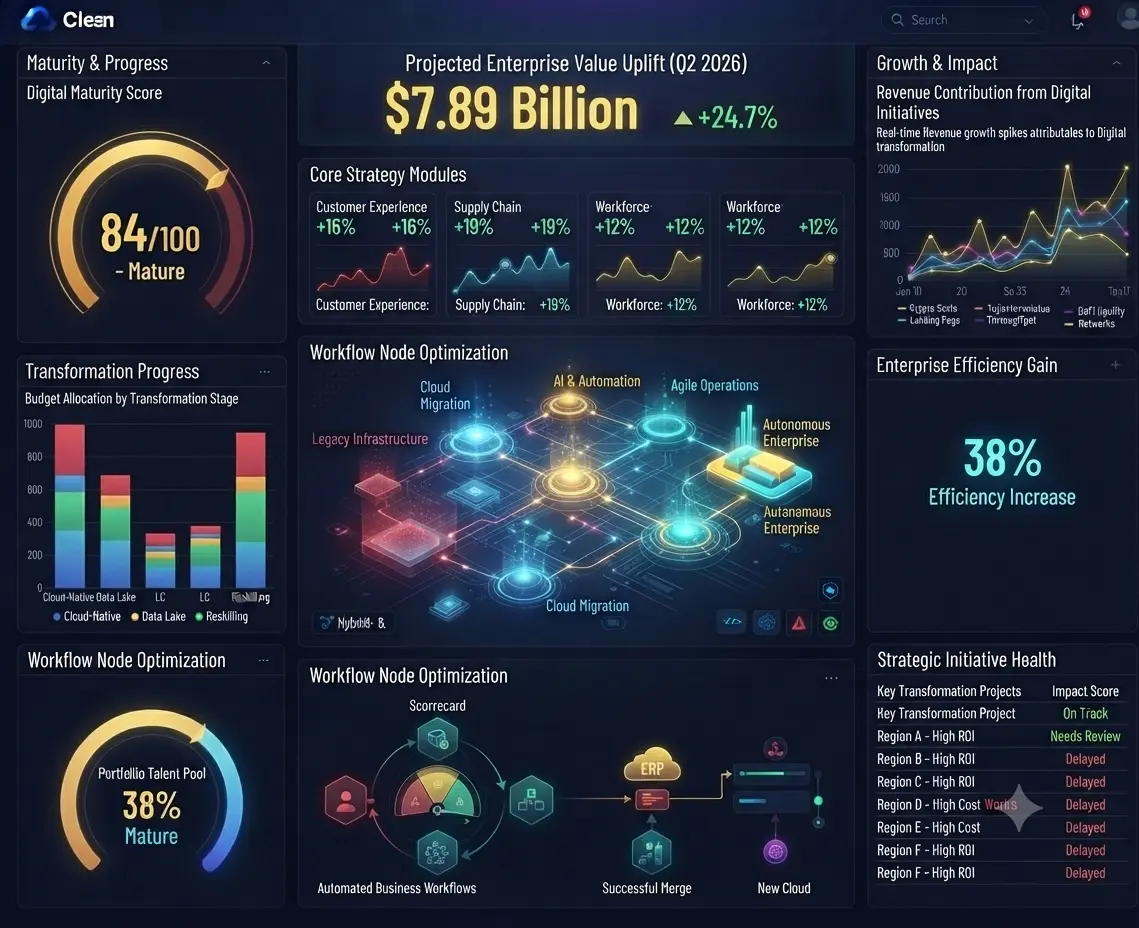
Digital Transformation Strategies

Welcome to DominasiSerp Global, a premier digital authority platform dedicated to enterprise digital transformation, organizational change management, and next-generation technology integration. If you are a chief digital officer, digital transformation consultant, enterprise architect, or tech strategist, we invite you to contribute high-impact, expert-driven insights to our Write For Us Digital Transformation Strategies section.

Why Write for DominasiSerp Global?

As search engines and enterprise tech leaders enforce rigorous E-E-A-T (Experience, Expertise, Authoritativeness, Trustworthiness) frameworks, superficial change management guides or generic digital shift tips fail to rank or build credibility. We provide elite practitioners with a prestigious platform to share advanced, field-tested methodologies.

  • Global Enterprise Audience: Connect directly with CEOs, CIOs, Chief Digital Officers, and enterprise innovation directors worldwide.

  • Authoritative Backlinks: Elevate your consultancy portfolio, digital agency, or personal brand with a permanent, high-value backlink from an established global authority domain.

  • Rigorous Editorial Integrity: Every contribution undergoes strict technical review to guarantee maximum credibility, strategic accuracy, and enduring organic visibility.

Core Topics We Cover

We welcome deep, data-backed contributions that solve complex, large-scale organizational and technological evolution challenges. Key focus areas include:

  1. Enterprise Digital Roadmaps: Step-by-step frameworks for transitioning legacy business models into agile, software-driven ecosystems.

  2. Change Management & Culture Shift: Overcoming internal resistance, upskilling enterprise workforces, and fostering a continuous innovation mindset.

  3. Emerging Tech Integration: Leveraging artificial intelligence, cloud architectures, and Internet of Things (IoT) to streamline operations and unlock new revenue streams.

  4. Measuring Digital Maturity: Key performance indicators (KPIs), ROI frameworks, and data analytics tools to evaluate transformation success.

  5. Future Outlook (2026–2030): Predictive insights into autonomous business operations, generative enterprise workflows, and decentralized digital ecosystems.

Adopting advanced digital transformation strategies is no longer just an optional upgrade for modern enterprises; it is a critical survival mechanism in a fast-paced market. Organizations that successfully integrate modern cloud solutions, data analytics, and automation tools consistently outperform their competitors. Furthermore, fostering a culture of continuous digital innovation ensures that your team remains agile and responsive to shifting consumer demands. Whether you are scaling an existing infrastructure or initiating a brand-new digital roadmap, sharing your proven methodologies through guest blogging helps build industry authority. We invite technology experts, consultants, and digital leaders to contribute their unique perspectives. By sharing actionable case studies and forward-thinking analysis, you can help shape the future of enterprise technology while expanding your professional footprint globally. Submit your expert insights today and join our growing community of tech innovators.

Editorial Guidelines for Contributors

To meet our strict E-E-A-T benchmarks, please adhere to these core content standards:

  • Originality & Depth: Content must be 100% original, highly analytical, and comprehensive (minimum 1,200+ words). Superficial guides or unverified transformation tips will be declined.

  • Firsthand Experience: Support your strategic and technical claims with real-world implementation roadmaps, maturity assessment metrics, workflow blueprints, or verifiable case studies rather than abstract concepts.

  • Actionable Frameworks: Provide clear workflows, migration checklists, or comparative digital maturity models that readers can apply immediately within their organizations.

  • Clean Formatting: Utilize structured hierarchical headings (<h1>, <h2>, <h3>), bullet points, and concise data tables to maximize readability.

Submission Process & Partnership Options

Ready to share your digital transformation expertise or secure a priority guest post placement? Follow these steps:

  1. Pitch Your Topic: Send 2–3 compelling headline suggestions along with a short outline and a brief author bio.

  2. Review Timeline: Our editorial team typically evaluates submissions within 3 to 5 business days.

  3. Sponsored & Commercial Inquiries: For sponsored content, rapid-turnaround publishing, or enterprise link placements, contact our partnership desk for priority handling via PayPal.

Let us work together to drive meaningful industry evolution and inspire tomorrow’s technological breakthroughs. contact us now via email info@dominasiserp.com or call +6281585442628 dudung rahmanto

Write For Us Remote Tech Teams & Outsourcing

Write For Us Remote Tech Teams & Outsourcing

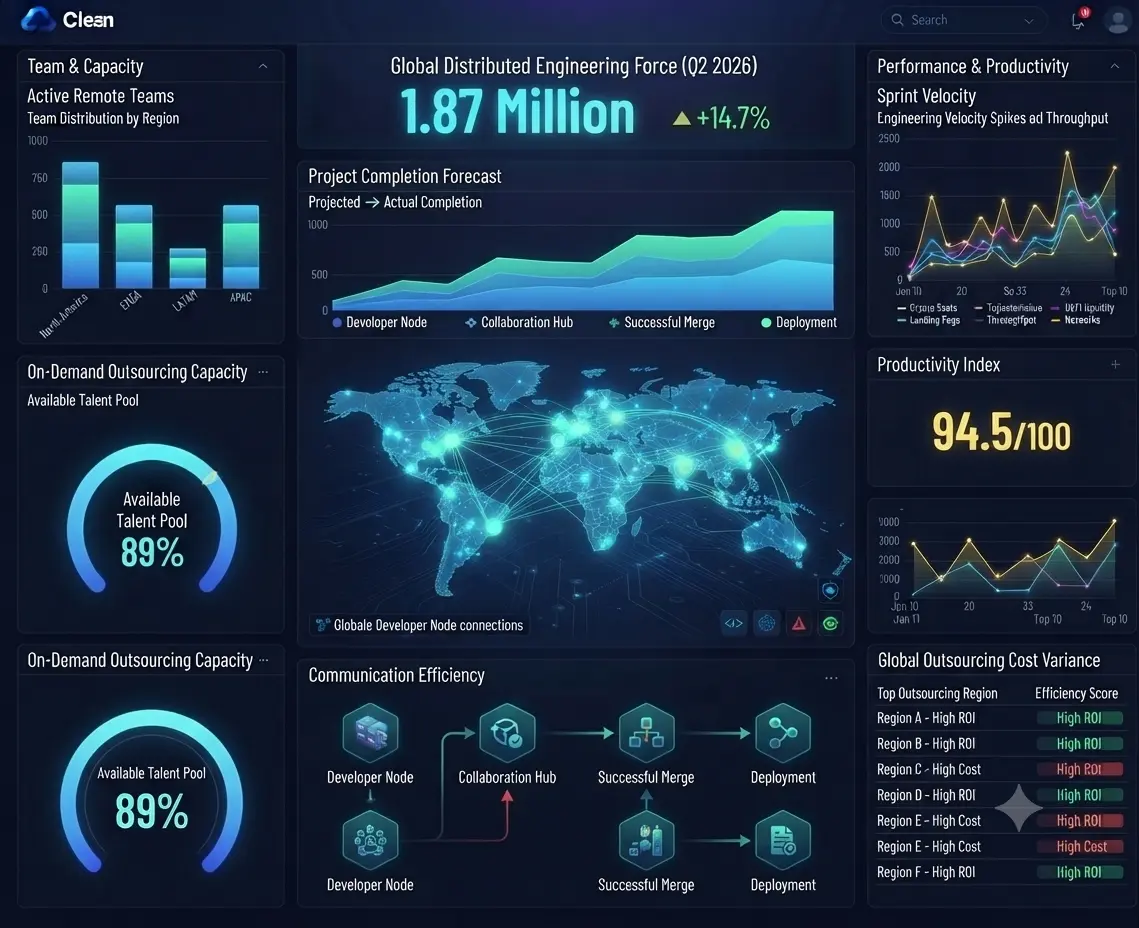
Welcome to DominasiSerp Global, a premier digital authority platform dedicated to global engineering management, distributed technical teams, and strategic software outsourcing frameworks. If you are a remote engineering leader, CTO, tech talent acquisition strategist, or software outsourcing consultant, we invite you to contribute high-impact, expert-driven insights to our Write For Us Remote Tech Teams & Outsourcing section.

Why Write for DominasiSerp Global?

As search engines and technology leaders enforce rigorous E-E-A-T (Experience, Expertise, Authoritativeness, Trustworthiness) frameworks, superficial remote work guides or generic outsourcing tips fail to rank or build credibility. We provide elite practitioners with a prestigious platform to share advanced, field-tested methodologies.

  • Global Enterprise Audience: Connect directly with CTOs, VP of Engineering, tech founders, and global HR leaders worldwide.

  • Authoritative Backlinks: Elevate your consultancy portfolio, tech agency, or personal brand with a permanent, high-value backlink from an established global authority domain.

  • Rigorous Editorial Integrity: Every contribution undergoes strict technical review to guarantee maximum credibility, management accuracy, and enduring organic visibility.

Core Topics We Cover

We welcome deep, data-backed contributions that solve complex, large-scale distributed team management and scaling challenges. Key focus areas include:

  1. Distributed Engineering Management: Scaling remote engineering culture, maintaining code quality across time zones, and asynchronous development workflows.

  2. Strategic Software Outsourcing Models: Structuring build-operate-transfer (BOT) agreements, managing nearshore/offshore development centers, and mitigating security risks.

  3. Tech Talent Acquisition & Retention: Global payroll compliance, employer of record (EOR) frameworks, and hiring top-tier engineering talent internationally.

  4. Collaboration & DevOps Tooling: Leveraging advanced project management platforms, secure virtual private networks, and automated CI/CD pipelines for distributed teams.

  5. Future Outlook (2026–2030): Predictive insights into AI-driven developer productivity tracking, autonomous cross-border collaboration agents, and decentralized tech workforces.

Editorial Guidelines for Contributors

To meet our strict E-E-A-T benchmarks, please adhere to these core content standards:

  • Originality & Depth: Content must be 100% original, highly analytical, and comprehensive (minimum 1,200+ words). Superficial guides or unverified management tips will be declined.

  • Firsthand Experience: Support your technical and managerial claims with real-world scaling frameworks, team performance metrics, workflow blueprints, or verifiable case studies rather than abstract concepts.

  • Actionable Frameworks: Provide clear workflows, contract evaluation checklists, or comparative outsourcing models that readers can apply immediately within their organizations.

  • Clean Formatting: Utilize structured hierarchical headings (<h1>, <h2>, <h3>), bullet points, and concise data tables to maximize readability.

Submission Process & Partnership Options

Ready to share your remote engineering and outsourcing expertise or secure a priority guest post placement? Follow these steps:

  1. Pitch Your Topic: Send 2–3 compelling headline suggestions along with a short outline and a brief author bio.

  2. Review Timeline: Our editorial team typically evaluates submissions within 3 to 5 business days.

  3. Sponsored & Commercial Inquiries: For sponsored content, rapid-turnaround publishing, or enterprise link placements, contact our partnership desk for priority handling via PayPal.

Write For Us Business Intelligence & ERP

Write For Us Business Intelligence & ERP

Welcome to DominasiSerp Global, a premier digital authority platform dedicated to enterprise resource planning (ERP), advanced business intelligence (BI), and data-driven decision architectures. If you are an ERP consultant, enterprise data analyst, BI architect, or digital transformation strategist, we invite you to contribute high-impact, expert-driven insights to our Write For Us Business Intelligence & ERP section.

Why Write for DominasiSerp Global?

As search engines and enterprise tech evaluators enforce rigorous E-E-A-T (Experience, Expertise, Authoritativeness, Trustworthiness) frameworks, superficial enterprise software articles fail to rank or build trust. We provide elite practitioners with a prestigious platform to share advanced, battle-tested methodologies.

  • Global Enterprise Audience: Connect directly with CIOs, CFOs, ERP project leads, and enterprise operations managers worldwide.

  • Authoritative Backlinks: Elevate your consultancy portfolio, software tech stack, or personal brand with a permanent, high-value backlink from an established global authority domain.

  • Rigorous Editorial Integrity: Every contribution undergoes strict technical review to guarantee maximum credibility, architectural accuracy, and enduring organic visibility.

Core Topics We Cover

We welcome deep, data-backed contributions that solve complex, large-scale organizational and data integration challenges. Key focus areas include:

  1. ERP Modernization & Cloud Transition: Strategies for migrating legacy ERP monoliths (SAP, Oracle, NetSuite) to agile, cloud-native architectures.

  2. Business Intelligence & Predictive Analytics: Building unified data warehouses, real-time executive dashboards, and predictive forecasting models.

  3. Data Governance & Master Data Management (MDM): Frameworks for maintaining data integrity, cross-departmental data silos elimination, and compliance.

  4. AI & Automation in Enterprise Operations: Integrating machine learning models into supply chain planning, automated financial reporting, and resource allocation.

  5. Future Outlook (2026–2030): Predictive insights into autonomous ERP agents, generative AI query interfaces, and decentralized enterprise data fabrics.

Editorial Guidelines for Contributors

To meet our strict E-E-A-T benchmarks, please adhere to these core content standards:

  • Originality & Depth: Content must be 100% original, highly analytical, and comprehensive (minimum 1,200+ words). Superficial overviews or unverified software lists will be declined.

  • Firsthand Experience: Support your technical claims with real-world implementation roadmaps, data pipeline schemas, workflow diagrams, or verifiable case studies rather than abstract concepts.

  • Actionable Frameworks: Provide clear workflows, configuration blueprints, or comparative evaluation models that readers can apply immediately within enterprise deployments.

  • Clean Formatting: Utilize structured hierarchical headings (<h1>, <h2>, <h3>), bullet points, and concise data tables to maximize readability.

Submission Process & Partnership Options

Ready to share your ERP and business intelligence expertise or secure a priority guest post placement? Follow these steps:

  1. Pitch Your Topic: Send 2–3 compelling headline suggestions along with a short outline and a brief author bio.

  2. Review Timeline: Our editorial team typically evaluates submissions within 3 to 5 business days.

  3. Sponsored & Commercial Inquiries: For sponsored content, rapid-turnaround publishing, or enterprise link placements, contact our partnership desk for priority handling via PayPal.

Write For Us Cloud Migration & Infrastructure

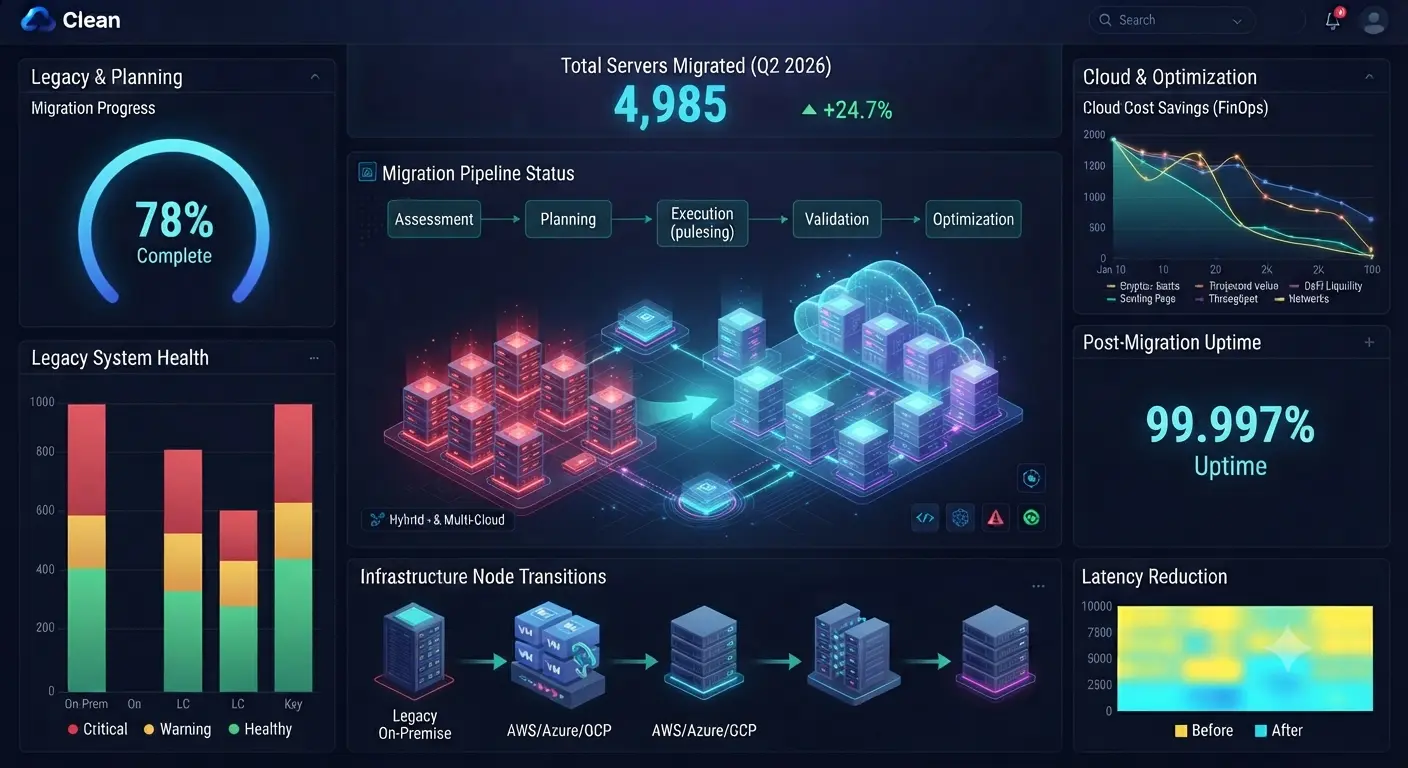
Welcome to DominasiSerp Global, a premier digital authority platform dedicated to enterprise cloud migration, legacy system modernization, and scalable infrastructure architectures. If you are a cloud architect, DevOps leader, systems migration engineer, or enterprise IT strategist, we invite you to contribute high-impact, expert-driven insights to our Write For Us Cloud Migration & Infrastructure section.

Why Write for DominasiSerp Global?

As search engines and AI-driven aggregators enforce strict E-E-A-T (Experience, Expertise, Authoritativeness, Trustworthiness) frameworks, generic technology articles fail to gain traction. We provide elite practitioners with a prestigious platform to share advanced, field-tested methodologies.

  • Global Enterprise Audience: Connect directly with CTOs, cloud migration leads, enterprise IT directors, and software architects worldwide.

  • Authoritative Backlinks: Elevate your agency portfolio, technology consultancy, or personal brand with a permanent, high-value backlink from an established global domain.

  • Rigorous Editorial Integrity: Every contribution undergoes strict technical review to guarantee maximum credibility, architectural precision, and enduring organic visibility.

Core Topics We Cover

We welcome deep, data-backed contributions that solve complex, large-scale migration and infrastructure challenges. Key focus areas include:

  1. Legacy to Cloud Migration Strategies: Step-by-step frameworks for lifting-and-shifting, refactoring, and re-architecting legacy monoliths into cloud-native environments (AWS, Azure, GCP).

  2. Containerization & Orchestration: Advanced Kubernetes cluster deployments, Docker container security, and microservices scaling best practices.

  3. Infrastructure as Code (IaC) & Automation: Leveraging Terraform, Ansible, and automated CI/CD pipelines to ensure zero-downtime deployments during migrations.

  4. Cloud Cost Optimization (FinOps): Managing cloud spend, reducing data egress fees, and right-sizing enterprise server infrastructure post-migration.

  5. Future Outlook (2026–2030): Predictive insights into serverless architecture shifts, edge computing integration, and automated multi-cloud orchestration.

Editorial Guidelines for Contributors

To meet our strict E-E-A-T benchmarks, please adhere to these core content standards:

  • Originality & Depth: Content must be 100% original, highly analytical, and comprehensive (minimum 1,200+ words). Superficial lists or unverified theories will be declined.

  • Firsthand Experience: Support your technical claims with real-world architecture diagrams, workflow code snippets, migration performance metrics, or verifiable case studies rather than abstract concepts.

  • Actionable Frameworks: Provide clear workflows, configuration templates, or comparative migration models that readers can apply immediately within their IT stacks.

  • Clean Formatting: Utilize structured hierarchical headings (<h1>, <h2>, <h3>), bullet points, and concise data tables to maximize readability.

Submission Process & Partnership Options

Ready to share your cloud migration expertise or secure a priority guest post placement? Follow these steps:

  1. Pitch Your Topic: Send 2–3 compelling headline suggestions along with a short outline and a brief author bio.

  2. Review Timeline: Our editorial team typically evaluates submissions within 3 to 5 business days.

  3. Sponsored & Commercial Inquiries: For sponsored content, rapid-turnaround publishing, or enterprise link placements, contact our partnership desk for priority handling via PayPal.

Write For Us Programmatic SEO Strategies

Write For Us Programmatic SEO Strategies

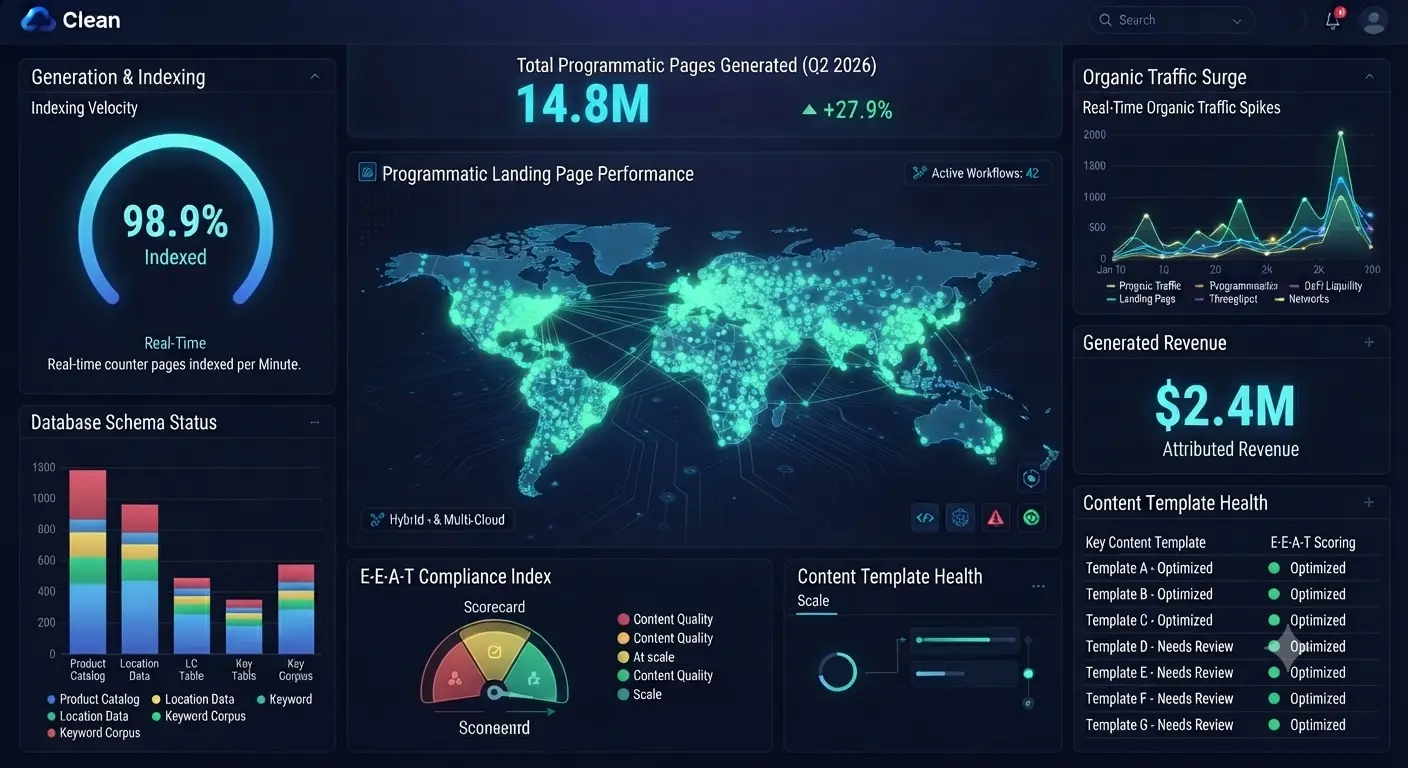
Welcome to DominasiSerp Global, a premier digital authority hub dedicated to large-scale organic growth, programmatic SEO (pSEO) architecture, and automated database-driven search strategies. If you are an enterprise SEO engineer, programmatic growth expert, data architect, or digital marketing strategist, we invite you to contribute high-impact, expert-driven insights to our Write For Us Programmatic SEO Strategies section.

Why Write for DominasiSerp Global?

As search engines and AI-driven aggregators enforce strict E-E-A-T (Experience, Expertise, Authoritativeness, Trustworthiness) frameworks, low-quality automated content or thin keyword-stuffed pages fail to rank. We provide elite practitioners with a prestigious platform to share advanced, data-tested methodologies.

  • Global Enterprise Audience: Connect directly with CMOs, technical founders, enterprise SEO leads, and growth engineers worldwide.

  • Authoritative Backlinks: Elevate your agency portfolio, SaaS footprint, or personal brand with a permanent, high-value backlink from an established global domain.

  • Rigorous Editorial Integrity: Every contribution undergoes strict technical review to guarantee maximum credibility, quality template design, and enduring organic visibility.

Core Topics We Cover

We welcome deep, data-backed contributions that solve complex, large-scale indexing and programmatic ranking challenges. Key focus areas include:

  1. Programmatic SEO Architecture: Building scalable database schemas, handling massive keyword clustering, and mapping intent-driven entity relationships.

  2. Data Pipeline & Automation: Leveraging Python, SQL, APIs, and headless content management systems to generate thousands of unique, high-value pages securely.

  3. Quality Control & Duplicate Content Prevention: Strategies to avoid thin content penalties, manage crawl budgets efficiently, and maintain high E-E-A-T standards at scale.

  4. Internal Linking & Page Rank Flow: Advanced algorithms and automated internal linking structures to optimize indexation rates for millions of programmatic URLs.

  5. Future Outlook (2026–2030): Predictive insights into generative AI integration, autonomous database indexing, and next-generation search engine parsing models.

Editorial Guidelines for Contributors

To meet our strict E-E-A-T benchmarks, please adhere to these core content standards:

  • Originality & Depth: Content must be 100% original, highly analytical, and comprehensive (minimum 1,200+ words). Superficial lists or unverified theories will be declined.

  • Firsthand Experience: Support your technical claims with real database schemas, workflow code snippets, performance metrics, or verifiable case studies rather than abstract concepts.

  • Actionable Frameworks: Provide clear workflows, Python scripts, database structures, or comparative models that readers can apply immediately to their programmatic pipelines.

  • Clean Formatting: Utilize structured hierarchical headings (<h1>, <h2>, <h3>), bullet points, and concise data tables to maximize readability.

Submission Process & Partnership Options

Ready to share your programmatic SEO expertise or secure a priority guest post placement? Follow these steps:

  1. Pitch Your Topic: Send 2–3 compelling headline suggestions along with a short outline and a brief author bio.

  2. Review Timeline: Our editorial team typically evaluates submissions within 3 to 5 business days.

  3. Sponsored & Commercial Inquiries: For sponsored content, rapid-turnaround publishing, or enterprise link placements, contact our partnership desk for priority handling via PayPal.

Write For Us FinTech & Wealth Tech

Write For Us FinTech & Wealth Tech

Welcome to DominasiSerp Global, a premier digital authority hub dedicated to financial technology, digital banking architectures, algorithmic wealth management, and secure investment ecosystems. If you are a fintech founder, financial analyst, wealth tech engineer, or digital banking strategist, we invite you to contribute high-impact, expert-driven insights to our Write For Us FinTech & Wealth Tech section.

Why Write for DominasiSerp Global?

As search engines and financial aggregators enforce strict E-E-A-T (Experience, Expertise, Authoritativeness, Trustworthiness) frameworks, superficial financial commentary or generic content fails to gain visibility. We provide elite finance and technology professionals with an authoritative platform to share battle-tested knowledge.

  • Global Audience Reach: Connect directly with fintech executives, wealth managers, institutional investors, and tech entrepreneurs worldwide.

  • Authoritative Backlinks: Elevate your financial consultancy, startup portfolio, or personal brand with a permanent, high-value backlink from an established global domain.

  • Rigorous Editorial Integrity: Every contribution undergoes strict editorial review to guarantee maximum credibility, regulatory awareness, and enduring organic visibility.

Core Topics We Cover

We welcome deep, data-backed contributions that solve complex, real-world financial technology challenges. Key focus areas include:

  1. Digital Banking & Core Modernization: Migrating legacy banking systems to agile cloud infrastructures, open banking APIs, and real-time payment gateways.

  2. Wealth Tech & Robo-Advisory: Algorithmic portfolio management, automated investing platforms, and personalized wealth experiences for modern retail and institutional investors.

  3. RegTech & Compliance Automation: Automated KYC/AML verification, blockchain transaction tracking, and navigating global financial regulatory frameworks.

  4. AI & Machine Learning in Finance: Predictive credit scoring, automated fraud detection models, and generative AI applications in financial planning.

  5. Future Outlook (2026–2030): Predictive insights into decentralized finance (DeFi) integration, central bank digital currencies (CBDCs), and next-generation asset tokenization.

Editorial Guidelines for Contributors

To meet our strict E-E-A-T benchmarks, please adhere to these core content standards:

  • Originality & Depth: Content must be 100% original, highly analytical, and comprehensive (minimum 1,200+ words). Superficial lists or unverified financial theories will be declined.

  • Firsthand Experience: Support your claims with real-world case studies, architectural workflows, transaction volume metrics, or verifiable implementation data.

  • Actionable Frameworks: Provide clear workflows, security protocols, or strategic models that readers can apply immediately within financial operations.

  • Clean Formatting: Utilize structured hierarchical headings (<h1>, <h2>, <h3>), bullet points, and concise data tables to maximize readability.

Submission Process & Partnership Options

Ready to share your financial technology expertise or secure a priority guest post placement? Follow these steps:

  1. Pitch Your Topic: Send 2–3 compelling headline suggestions along with a short outline and a brief author bio.

  2. Review Timeline: Our editorial team typically evaluates submissions within 3 to 5 business days.

  3. Sponsored & Commercial Inquiries: For sponsored content, rapid-turnaround publishing, or enterprise link placements, contact our partnership desk for priority handling via PayPal.

Write For Us Cybersecurity Solutions

Write For Us Cybersecurity Solutions

Welcome to DominasiSerp Global, a premier digital authority hub dedicated to enterprise security architectures, threat intelligence, and resilient digital infrastructures. If you are a cybersecurity researcher, CISO, ethical hacker, or risk management strategist, we invite you to contribute high-impact, expert-driven insights to our Write For Us Cybersecurity Solutions section.

Why Write for DominasiSerp Global?

As search engines and AI-driven platforms enforce rigorous E-E-A-T (Experience, Expertise, Authoritativeness, Trustworthiness) frameworks, superficial or generic security articles fail to rank or build credibility. We provide elite security professionals with an authoritative platform to share battle-tested knowledge.

  • Global Enterprise Audience: Connect directly with CISOs, IT security directors, compliance officers, and tech founders worldwide.

  • Authoritative Backlinks: Elevate your agency portfolio, security consultancy, or personal brand with a permanent, high-value backlink from an established global domain.

  • Rigorous Editorial Integrity: Every contribution undergoes strict technical review to guarantee maximum credibility and enduring organic visibility.

Core Topics We Cover

हम (We) welcome deep, data-backed contributions that solve complex, real-world security challenges. Key focus areas include:

  1. Enterprise Threat Intelligence: Proactive threat hunting, zero-trust architectures, and advanced malware analysis frameworks.

  2. Cloud Security & Compliance: Securing multi-cloud environments, managing IAM protocols, and meeting global frameworks (SOC 2, ISO 27001, GDPR).

  3. AI in Cybersecurity: Utilizing machine learning for automated threat detection, anomaly forecasting, and automated incident response.

  4. Application Security & DevSecOps: Integrating security pipelines early into software development lifecycles without slowing down deployment.

  5. Future Outlook (2026–2030): Predictive insights into quantum-resistant cryptography, automated defensive agents, and decentralized identity management.

Editorial Guidelines for Contributors

To meet our strict E-E-A-T benchmarks, please adhere to these core content standards:

  • Originality & Depth: Content must be 100% original, highly analytical, and comprehensive (minimum 1,200+ words). Superficial lists or unverified theories will be declined.

  • Firsthand Experience: Support your technical claims with real-world incident breakdowns, architectural blueprints, or verifiable metrics rather than abstract concepts.

  • Actionable Frameworks: Provide clear workflows, mitigation strategies, or comparative models that readers can apply immediately to secure their infrastructure.

  • Clean Formatting: Utilize structured hierarchical headings (<h1>, <h2>, <h3>), bullet points, and concise data tables to maximize readability.

Submission Process & Partnership Options

Ready to share your cybersecurity expertise or secure a priority guest post placement? Follow these steps:

  1. Pitch Your Topic: Send 2–3 compelling headline suggestions along with a short outline and a brief author bio.

  2. Review Timeline: Our editorial team typically evaluates submissions within 3 to 5 business days.

  3. Sponsored & Commercial Inquiries: For sponsored content, rapid-turnaround publishing, or enterprise link placements, contact our partnership desk for priority handling via PayPal.

Featured Image Prompt (For High Click-Through Rate / CTR):

Prompt:

Write For Us Enterprise SEO & Digital Growth

write for us enterprise SEO & Digital Growth

Welcome to DominasiSerp Global, a leading authority platform for enterprise search engine optimization, programmatic growth strategies, and high-scale organic performance. If you are an enterprise SEO director, growth marketer, data scientist, or digital strategist, we invite you to contribute high-impact, expert-driven insights to our Write For Us Enterprise SEO & Digital Growth section.

Why Write for DominasiSerp Global?

As search engines and AI-driven answer engines evolve under modern E-E-A-T (Experience, Expertise, Authoritativeness, Trustworthiness) frameworks, superficial tactics and automated keyword stuffing no longer work. We provide elite practitioners with a prestigious platform to share real, field-tested methodologies.

  • Global Enterprise Audience: Connect directly with CMOs, VP of Growth, enterprise SEO leads, and digital innovators worldwide.

  • Authoritative Backlinks: Elevate your agency portfolio, personal brand, or SaaS footprint with a permanent, high-value backlink from an established global authority domain.

  • Rigorous Editorial Standards: Every contribution undergoes thorough technical and strategic review to ensure absolute credibility and sustainable organic visibility.

Core Topics We Cover

We welcome deep, data-driven contributions that address complex, large-scale search challenges. Key focus areas include:

  1. Enterprise SEO Architecture: Scalable technical strategies for multi-domain, massive-database, and international websites.

  2. Programmatic SEO & Automation: Frameworks for generating thousands of high-intent, quality landing pages securely and efficiently.

  3. AI Search Optimization & LLM Visibility: Strategies to optimize brand presence within AI-driven search overviews and modern generative engines.

  4. Data-Driven Growth & Attribution: Advanced analytics, conversion rate optimization (CRO), and organic pipeline measurement for B2B and SaaS brands.

  5. Future Outlook (2026–2030): Predictive insights into semantic search shifts, autonomous growth agents, and next-generation search algorithms.

Editorial Guidelines for Contributors

To meet our strict E-E-A-T benchmarks, please adhere to these core content standards:

  • Originality & Depth: Content must be 100% original, highly analytical, and comprehensive (minimum 1,200+ words). Surface-level lists or unverified theories will be declined.

  • Firsthand Experience: Support your strategic claims with real case studies, performance metrics, log-file analysis samples, or architectural workflows.

  • Actionable Frameworks: Provide clear takeaways, implementation steps, or comparative models that readers can apply immediately to enterprise campaigns.

  • Clean Formatting: Utilize structured hierarchical headings (<h1>, <h2>, <h3>), bullet points, and concise data tables to maximize readability.

Submission Process & Partnership Options

Ready to share your enterprise expertise or secure a priority guest post placement? Follow these steps:

  1. Pitch Your Topic: Send 2–3 compelling headline suggestions along with a short outline and a brief author bio.

  2. Review Timeline: Our editorial team typically evaluates submissions within 3 to 5 business days.

  3. Sponsored & Commercial Inquiries: For sponsored content, rapid-turnaround publishing, or enterprise link placements, contact our partnership desk for priority handling via PayPal.

Write For Us Cloud Computing & SaaS

Write For Us Cloud Computing & SaaS

Welcome to DominasiSerp Global, a leading authority hub for cloud architects, SaaS founders, enterprise DevOps engineers, and digital growth strategists. If you possess deep technical expertise, industry insights, or scalable software frameworks, we invite you to contribute high-impact content to our Write For Us Cloud Computing & SaaS section.

Why Write for DominasiSerp Global?

As search engines and AI-driven platforms emphasize rigorous E-E-A-T (Experience, Expertise, Authoritativeness, Trustworthiness) guidelines, generic content no longer performs. We provide industry professionals with a prestigious platform to share authentic, field-tested knowledge.

  • Global Enterprise Reach: Connect directly with CTOs, cloud architects, SaaS founders, and enterprise technology buyers worldwide.

  • Authoritative Backlinks: Elevate your personal brand, agency footprint, or software portfolio with a permanent, high-value backlink from an established global domain.

  • Strict Editorial Integrity: Every article undergoes comprehensive technical review to guarantee maximum credibility and enduring organic visibility.

Core Topics We Cover

We welcome deep, data-backed contributions that solve real-world engineering and business challenges. Key focus areas include:

  1. Cloud Architecture & Multi-Cloud Strategies: Best practices for deploying resilient, scalable infrastructures across AWS, Microsoft Azure, and Google Cloud Platform.

  2. SaaS Growth & Product-Led Growth (PLG): Actionable strategies on reducing churn, optimizing customer acquisition costs (CAC), and scaling recurring revenue models.

  3. DevOps, CI/CD & Automation: Advanced deployment pipelines, containerization (Docker/Kubernetes), and infrastructure-as-code (IaC) optimization.

  4. Cloud Security & Compliance: Protecting enterprise data pipelines, managing IAM protocols, and meeting global security standards (SOC 2, ISO 27001).

  5. Future Outlook (2026–2030): Predictive insights into serverless computing, edge AI infrastructure, and decentralized cloud ecosystems.

Editorial Guidelines for Contributors

To meet our strict E-E-A-T benchmarks, please adhere to these core content standards:

  • Originality & Depth: Content must be 100% original, insightful, and comprehensive (minimum 1,200+ words). Surface-level overviews or regurgitated listicles will be declined.

  • Firsthand Experience: Support your technical claims with real-world architectural diagrams, performance metrics, or case studies rather than abstract theories.

  • Actionable Takeaways: Provide clear workflows, code snippets, or comparative frameworks that readers can implement immediately in their tech stacks.

  • Clean Formatting: Utilize structured hierarchical headings (<h1>, <h2>, <h3>), bullet points, and concise comparative tables to maximize readability.

Submission Process & Partnership Options

Ready to share your expertise or secure a priority guest post placement? Follow these steps:

  1. Pitch Your Topic: Send 2–3 compelling headline suggestions along with a short outline and a brief author bio.

  2. Review Timeline: Our editorial team typically evaluates submissions within 3 to 5 business days.

  3. Sponsored & Commercial Inquiries: For sponsored content, rapid-turnaround publishing, or enterprise link placements, contact our partnership desk for priority handling via PayPal.

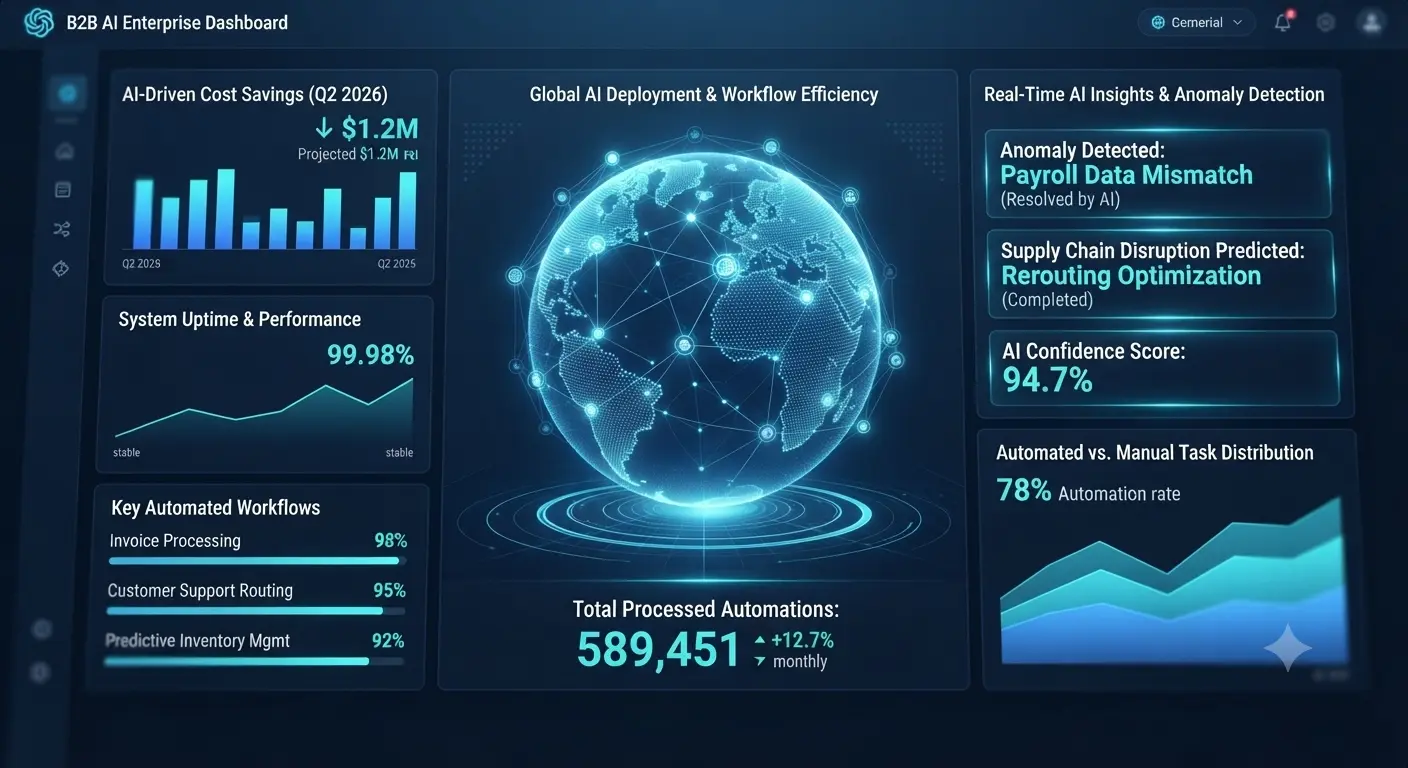
Write For Us B2B AI & Automation

Write For Us B2B AI & Automation

Welcome to DominasiSerp Global, a premier digital authority platform dedicated to advanced enterprise strategies, automated workflows, and global organic performance. If you are an industry practitioner, enterprise software architect, AI researcher, or B2B growth leader, we invite you to contribute high-impact, expert-driven insights to our Write For Us B2B AI & Automation section.

Why Contribute to DominasiSerp Global?

As search engines and AI-driven aggregators enforce strict E-E-A-T (Experience, Expertise, Authoritativeness, Trustworthiness) guidelines, generic content fails to gain traction. We provide a high-authority platform for genuine practitioners to share proven frameworks and actionable knowledge.

  • Global Audience Reach: Connect directly with C-level executives, technical founders, and enterprise IT leaders worldwide.

  • Authoritative Backlinks: Boost your professional footprint or agency portfolio with a permanent, high-value backlink from an established global domain.

  • Rigorous Editorial Quality: Every piece undergoes strict technical review, ensuring maximum credibility and long-term search visibility.

Core Topics We Accept

We look for deep, data-backed contributions that address real-world business challenges. Key focus areas include:

  1. Enterprise AI Integration: Practical blueprints for implementing machine learning models and large language models (LLMs) within corporate infrastructure.

  2. Workflow Automation & RPA: Case studies showing how businesses eliminate operational bottlenecks using intelligent process automation.

  3. B2B SaaS Ecosystems: Insights into how AI-powered SaaS platforms optimize customer acquisition, retention, and predictive analytics.

  4. Data Privacy & Governance: Ensuring compliance, secure data pipelines, and ethical AI deployment in enterprise environments.

  5. Future Outlook (2026–2030): Forward-thinking strategies on autonomous corporate agents and decentralized cloud solutions.

Editorial Guidelines for Submission

To meet our strict E-E-A-T benchmarks, please adhere to these content standards:

  • Originality & Depth: Content must be 100% original, insightful, and comprehensive (1,200+ words). Superficial listicles or unverified summaries will be declined.

  • Firsthand Experience: Support your arguments with real metrics, case studies, or hands-on implementation steps rather than purely theoretical views.

  • Actionable Frameworks: Provide clear takeaways, workflows, or comparative analyses that readers can immediately apply in their operations.

  • Clean Formatting: Use hierarchical headings (<h1>, <h2>, <h3>), bullet points, and concise tables for maximum readability.

Submission & Partnership Options

Ready to share your expertise or secure a sponsored link placement? Follow these steps:

  1. Pitch Your Topic: Send 2–3 compelling headline options along with a short outline and a brief author bio.

  2. Review Window: Our editorial team reviews submissions within 3 to 5 business days.

  3. Sponsored & Guest Post Inquiries: For commercial link placements, quick-turnaround publishing, or agency partnerships, contact our partnership desk for priority processing via PayPal.

Best Semrush Alternatives for 2026: Top SEO Tools Compared

best semrush alternative

Choosing the right SEO software stack is critical for digital marketing agencies, in-house marketing teams, and enterprise businesses. While Semrush remains an industry powerhouse, its rising subscription costs and specific feature limitations have many professionals searching for the best Semrush alternatives. Whether you are looking for more affordable pricing, superior keyword tracking accuracy, advanced backlink databases, or specialized content optimization tools, evaluating the top competitors on the market will help you optimize your software budget and maximize your organic search performance.

In this comprehensive guide, we examine the leading alternatives to Semrush in 2026, comparing their core features, pricing models, pros, cons, and ideal user profiles to help you make an informed decision.

Why Look for Semrush Alternatives?

Semrush is undeniably a feature-rich platform covering everything from technical audits to PPC research. However, several factors drive users to explore alternatives:

  • Pricing Pressure: With base plans starting around $129.95/month and higher tiers scaling past $499/month, smaller agencies and freelancers often face budget constraints.

  • Extra Seat Costs: Adding team members or client accounts can quickly inflate your monthly software expenditure due to per-seat fees.

  • Data Granularity Preferences: Some SEO specialists prefer alternative backlink index sizes, cleaner user interfaces, or different keyword database update frequencies.

Top 5 Semrush Alternatives for 2026

1. Ahrefs: The King of Backlink Analysis and Keyword Research

Ahrefs is widely regarded as the closest direct competitor to Semrush and is often considered the gold standard for backlink analysis and technical SEO crawling.

  • Core Strengths: Ahrefs boasts one of the largest and most frequently updated live backlink indexes on the market. Its Site Explorer tool provides unparalleled visibility into competitor organic traffic, referring domains, and link-building opportunities.

  • Keyword Research: The Keywords Explorer tool utilizes clickstream data alongside traditional search volume, offering accurate traffic potential estimates across multiple search engines including Google, YouTube, Amazon, and Bing.

  • Pricing: Ahrefs offers tiered plans starting from entry-level freelancer options up to enterprise packages. However, like Semrush, they utilize a credit-based system for certain reports and charge for extra team seats.

  • Best For: Technical SEO specialists, link-building agencies, and content creators who prioritize backlink depth and precise keyword difficulty metrics.

2. SE Ranking: The Best Value and All-in-One Budget Alternative

For agencies and business owners seeking an all-in-one SEO platform comparable to Semrush at a fraction of the cost, SE Ranking has emerged as a top-tier contender.

  • Core Strengths: SE Ranking offers a robust suite of tools including accurate rank tracking, website auditing, competitor research, backlink monitoring, and a page change monitor. Its user interface is exceptionally clean, intuitive, and easy for beginners to navigate.

  • Customization and White-Label: SE Ranking excels in white-label reporting, making it a favorite for digital marketing agencies managing multiple client accounts under their own brand.

  • Pricing: Significantly more affordable than Semrush and Ahrefs, with flexible subscription plans based on keyword checking frequency and project limits without aggressive per-seat price gouging.

  • Best For: Small-to-medium agencies, consultants, and growing businesses looking for enterprise-grade features without enterprise pricing.

3. Moz Pro: The Pioneer of Domain Authority and Beginner-Friendly SEO

Moz Pro is one of the oldest and most respected names in the SEO software industry, famous for introducing metrics like Domain Authority (DA) and Page Authority (PA).

  • Core Strengths: Moz focuses heavily on foundational SEO education, user-friendly dashboards, and reliable site audits. Its Keyword Explorer provides clear grouping and targeting recommendations, while its spam score metric helps identify toxic backlinks.

  • Ease of Use: The learning curve is gentle, making it an excellent choice for in-marketing teams and business owners who want straightforward, actionable insights without getting overwhelmed by raw data dumps.

  • Pricing: Mid-range pricing tiers that compete directly with Semrush’s Pro and Guru plans.

  • Best For: Beginners, small business owners, and internal marketing teams seeking reliable metrics and guided optimization workflows.

4. SpyFu: The Ultimate Tool for Competitor PPC and Organic Keyword Tracking

If your primary focus is reverse-engineering your competitors’ search strategies—both organic and paid—SpyFu offers specialized intelligence that punches well above its weight class.

  • Core Strengths: SpyFu excels at uncovering every keyword your competitors have bought on Google Ads, every organic rank they have captured, and every ad variation they have tested over the past decade. Historical data depth is a massive selling point here.

  • Simplicity: The platform is laser-focused on competitor research and lead generation rather than trying to be an all-encompassing technical crawler.

  • Pricing: Exceptionally budget-friendly, often recognized as one of the best value tools for PPC and SEO competitive intelligence.

  • Best For: PPC managers, digital strategists, and agencies focused heavily on competitor keyword acquisition and ad spend optimization.

5. Serpstat: The Growth Hacker’s Affordable SEO Platform

Serpstat positions itself as a growth hacking tool, combining SEO, PPC, content marketing, and site audit features into a unified, budget-conscious platform.

  • Core Strengths: Serpstat provides comprehensive cluster research, missing keyword analysis, text analytics, and competitor graph visualizations. It serves as a strong multi-tool alternative for teams operating on tighter budgets.

  • Pricing: Highly competitive pricing plans designed to accommodate startups and budget-conscious freelancers.

  • Best For: Startups, regional agencies, and solo entrepreneurs scaling up their organic search efforts.

Comparison Summary: Which Alternative Should You Choose?

Tool Best For Pricing Level Standout Feature
Ahrefs Backlink analysis & deep technical SEO High Industry-leading backlink index
SE Ranking All-in-one features & agency value Moderate Flexible pricing & white-label reporting
Moz Pro Beginner guidance & DA tracking Moderate User-friendly UI & Domain Authority metric
SpyFu PPC & organic competitor espionage Low-Moderate 10+ years of historical PPC/SEO data
Serpstat Growth hacking & budget multi-tools Low Comprehensive clustering & affordability

Frequently Asked Questions (FAQ)

What is the best overall alternative to Semrush?

Ahrefs is widely considered the best direct alternative for advanced backlink analysis and technical SEO, while SE Ranking is the best choice for an all-in-one platform at a more affordable price point.

Are there free alternatives to Semrush?

While full enterprise suites require paid subscriptions, tools like Google Search Console, Google Keyword Planner, and free tiers of Ubersuggest or AnswerThePublic can supplement basic SEO research.

Which alternative is best for digital marketing agencies?

SE Ranking and Ahrefs are both heavily favored by agencies due to robust client reporting, project sharing features, and comprehensive multi-domain tracking capabilities.

Conclusion

While Semrush remains an exceptional platform, the best Semrush alternative depends entirely on your specific workflow, agency size, and budget requirements. If you need unmatched backlink data, Ahrefs is the clear winner. If you want maximum features for less money with exceptional client reporting, SE Ranking is an outstanding choice. Evaluate your core daily tasks, test out available trial periods, and select the tool that drives the highest return on investment for your digital growth strategy.

Semrush Pricing 2026: Plans, Hidden Costs, and ROI Analysis

Semrush Pricing 2026
Semrush Pricing

Choosing the right SEO software is one of the most critical financial and strategic decisions for modern digital marketing agencies, in-house marketing teams, and enterprise organizations. As search engine algorithms become increasingly complex and competitive, robust toolkits like Semrush have transitioned from optional luxuries into essential operational infrastructure. However, navigating Semrush pricing tiers, add-ons, user limits, and potential hidden costs requires a careful financial audit to ensure maximum return on investment (ROI).

In this comprehensive guide, we break down the exact 2026 pricing structure of Semrush, analyze its core subscription tiers (Pro, Guru, and Business), evaluate extra feature costs, and provide actionable advice on how high-ticket agencies and enterprise leaders can optimize their SEO software budget.

Overview of Semrush Core Pricing Tiers for 2026

Semrush organizes its standard plans into three primary tiers tailored to different stages of business growth, website scale, and data requirements. Subscribing on an annual billing cycle typically yields a significant discount compared to month-to-month commitments.

Plan Name Target Audience Monthly Price (Approx.) Annual Billing Savings
Pro Plan Freelancers, startups, small in-house teams $129.95 / month Up to 17% discount when paid annually
Guru Plan Growing agencies, medium-sized businesses, SEO consultants $249.95 / month Up to 17% discount when paid annually
Business Plan Large enterprises, e-commerce giants, enterprise agencies $499.95 / month Up to 17% discount when paid annually

1. The Semrush Pro Plan: Best for Beginners & Freelancers

The Pro tier is designed for individuals, new startups, and small teams managing a handful of domains. At roughly 129.95 per month, it provides foundational keyword research, competitor analysis, site auditing, and rank tracking capabilities.

  • Projects: Track up to 5 projects simultaneously.

  • Keywords to Track: Up to 500 keywords across daily updates.

  • Pages to Crawl: Up to 100,000 pages per month for technical SEO audits.

  • Reports: Generates up to 3,000 detailed analytical reports per day.

2. The Semrush Guru Plan: Built for Growing Agencies

Priced around 249.95 per month, the Guru plan introduces advanced features that are non-negotiable for professional agencies and established businesses managing multiple client portfolios or massive content hubs.

  • Projects: Expandable to 15 active projects.

  • Keywords to Track: Up to 1,500 keywords.

  • Historical Data: Access historical search data dating back to 2012 to analyze long-term organic traffic trends.

  • Content Marketing Platform: Complete integration with SEO Content Template and SEO Writing Assistant for editorial teams.

  • Cannibalization Reporting: Advanced tracking to catch keyword cannibalization issues instantly.

3. The Semrush Business Plan: Enterprise Dominance

At 499.95 per month, the Business tier unlocks the full power of enterprise-grade SEO automation, API access, extended limits, and multi-user collaboration.

  • Projects: Manage up to 40 active projects.

  • Keywords to Track: Up to 5,000 keywords with ultra-fast daily tracking updates.

  • Pages to Crawl: Up to 1 million pages per month.

  • API Access: Full programmatic access to integrate Semrush data into custom BI dashboards or reporting tools.

  • Share of Voice (SoV): Advanced metric tracking market dominance across top search results.

Pro Tip for Agencies: If your team requires multiple users to log in simultaneously, note that base plans come with a single user seat. Additional user licenses carry an extra monthly charge depending on your subscription tier.

Hidden Costs and Add-ons to Factor Into Your Budget

When calculating your digital marketing software expenses, looking solely at the base subscription fee can lead to unexpected budget overruns. Several advanced capabilities and add-ons are billed separately:

  • Extra User Seats: Adding team members to Pro, Guru, or Business plans incurs additional per-user fees ranging from 45 to 100+ per user per month.

  • Semrush Local Listing Management: Essential for multi-location brick-and-mortar businesses or local SEO campaigns, requiring separate tier subscriptions for basic or premium distribution.

  • .Trends & App Center Add-ons: Specialized competitive intelligence modules (such as traffic intelligence for market research) and third-party tools in the Semrush App Center involve standalone monthly subscriptions.

  • PPC & Social Media Add-ons: Advanced advertising research limits and social media management extensions for scheduling and monitoring across multiple channels.

Evaluating the ROI: Is Semrush Worth the Investment?

To determine if Semrush delivers positive financial return, leaders must measure organic traffic gains against software expenditure. Using a standard financial evaluation model:

For high-ticket consultants, enterprise software vendors, and e-commerce platforms, securing just one high-value client or a handful of high-margin conversions through organic search easily offsets the annual cost of a Business or Guru subscription. By eliminating the need for fragmented standalone tools for keyword tracking, backlink auditing, and technical site crawling, Semrush consolidates software stack expenses into a single unified workspace.

Conclusion

Semrush pricing in 2026 reflects its status as an industry-standard powerhouse. While the entry barrier for small freelancers requires careful budgeting, growing agencies and enterprise organizations will find immense value in the Guru and Business tiers. By auditing your exact keyword tracking needs, project volume, and team seat requirements before subscribing, you can maximize your operational efficiency and accelerate your digital dominance.

Choosing the right SEO software is one of the most critical financial and strategic decisions for modern digital marketing agencies, in-house marketing teams, and enterprise organizations. Understanding Semrush pricing and evaluating its core subscription tiers is essential for optimizing your digital marketing budget.

As search engine algorithms become increasingly complex and competitive, robust toolkits like Semrush have transitioned from optional luxuries into essential operational infrastructure. However, navigating Semrush pricing tiers, add-ons, user limits, and potential hidden costs requires a careful financial audit to ensure maximum return on investment (ROI).

In this comprehensive guide, we break down the exact 2026 pricing structure of Semrush, analyze its core subscription tiers (Pro, Guru, and Business), evaluate extra feature costs, and provide actionable advice on how high-ticket agencies and enterprise leaders can optimize their SEO software budget.

Overview of Semrush Core Pricing Tiers for 2026

Semrush organizes its standard plans into three primary tiers tailored to different stages of business growth, website scale, and data requirements. Subscribing on an annual billing cycle typically yields a significant discount compared to month-to-month commitments.

Plan Name Target Audience Monthly Price (Approx.) Annual Billing Savings
Pro Plan Freelancers, startups, small in-house teams $129.95 / month Up to 17% discount when paid annually
Guru Plan Growing agencies, medium-sized businesses, SEO consultants $249.95 / month Up to 17% discount when paid annually
Business Plan Large enterprises, e-commerce giants, enterprise agencies $499.95 / month Up to 17% discount when paid annually

1. The Semrush Pro Plan: Best for Beginners & Freelancers

The Pro tier is designed for individuals, new startups, and small teams managing a handful of domains. At roughly $129.95 per month, it provides foundational keyword research, competitor analysis, site auditing, and rank tracking capabilities.

  • Projects: Track up to 5 projects simultaneously.
  • Keywords to Track: Up to 500 keywords across daily updates.
  • Pages to Crawl: Up to 100,000 pages per month for technical SEO audits.
  • Reports: Generates up to 3,000 detailed analytical reports per day.

2. The Semrush Guru Plan: Built for Growing Agencies

Priced around $249.95 per month, the Guru plan introduces advanced features that are non-negotiable for professional agencies and established businesses managing multiple client portfolios or massive content hubs.

  • Projects: Expandable to 15 active projects.
  • Keywords to Track: Up to 1,500 keywords.
  • Historical Data: Access historical search data dating back to 2012 to analyze long-term organic traffic trends.
  • Content Marketing Platform: Complete integration with SEO Content Template and SEO Writing Assistant for editorial teams.
  • Cannibalization Reporting: Advanced tracking to catch keyword cannibalization issues instantly.

3. The Semrush Business Plan: Enterprise Dominance

At $499.95 per month, the Business tier unlocks the full power of enterprise-grade SEO automation, API access, extended limits, and multi-user collaboration.

  • Projects: Manage up to 40 active projects.
  • Keywords to Track: Up to 5,000 keywords with ultra-fast daily tracking updates.
  • Pages to Crawl: Up to 1 million pages per month.
  • API Access: Full programmatic access to integrate Semrush data into custom BI dashboards or reporting tools.
  • Share of Voice (SoV): Advanced metric tracking market dominance across top search results.

Hidden Costs and Add-ons to Factor Into Your Budget

When calculating your digital marketing software expenses, looking solely at the base subscription fee can lead to unexpected budget overruns. Several advanced capabilities and add-ons are billed separately:

  • Extra User Seats: Adding team members to Pro, Guru, or Business plans incurs additional per-user fees ranging from $45 to $100+ per user per month.
  • Semrush Local Listing Management: Essential for multi-location brick-and-mortar businesses or local SEO campaigns, requiring separate tier subscriptions for basic or premium distribution.
  • .Trends & App Center Add-ons: Specialized competitive intelligence modules (such as traffic intelligence for market research) and third-party tools in the Semrush App Center involve standalone monthly subscriptions.
  • PPC & Social Media Add-ons: Advanced advertising research limits and social media management extensions for scheduling and monitoring across multiple channels.

Evaluating the ROI: Is Semrush Worth the Investment?

To determine if Semrush delivers positive financial return, leaders must measure organic traffic gains against software expenditure. For high-ticket consultants, enterprise software vendors, and e-commerce platforms, securing just one high-value client or a handful of high-margin conversions through organic search easily offsets the annual cost of a Business or Guru subscription. By eliminating the need for fragmented standalone tools for keyword tracking, backlink auditing, and technical site crawling, Semrush consolidates software stack expenses into a single unified workspace.

⚡ DMS Global Amazon Authority 2026:

Amazon Product Authority & E-E-A-T Summary

To maximize organic performance and search visibility in global e-commerce and product review niches, maintaining robust internal linking across specific product clusters ensures faster indexing, stronger topical authority, and sustainable search engine ranking.

Frequently Asked Questions About Semrush Pricing

How much does Semrush cost per month?

Semrush offers three main subscription tiers: the Pro plan starts around $129.95 per month, the Guru plan is priced at approximately $249.95 per month, and the Business plan costs about $499.95 per month. Choosing annual billing provides a discount of up to 17%.

Is there a free trial available for Semrush?

Yes, Semrush typically offers a 7-day free trial or special extended trial periods for new users on their Pro and Guru plans, allowing you to test out the platform features before committing to a paid monthly or annual subscription.

What is the main difference between the Pro and Guru plans?

The Pro plan is designed for freelancers and small teams with limits on 5 projects and 500 tracked keywords. The Guru plan is built for growing agencies, raising the limits to 15 projects and 1,500 keywords while unlocking historical data, content marketing tools, and multi-location tracking.

Are there any hidden costs in Semrush pricing?

While base subscriptions cover core functionality, additional costs can arise from adding extra user seats, purchasing standalone Semrush App Center modules, or subscribing to advanced add-ons like .Trends competitive intelligence and Local SEO listing management.

Can I cancel or change my Semrush subscription at any time?

Yes, you can upgrade, downgrade, or cancel your subscription at any time directly from your account billing settings. Changes to your plan will take effect at the start of your next billing cycle.

Conclusion

Semrush pricing in 2026 reflects its status as an industry-standard powerhouse. While the entry barrier for small freelancers requires careful budgeting, growing agencies and enterprise organizations will find immense value in the Guru and Business tiers. By auditing your exact keyword tracking needs, project volume, and team seat requirements before subscribing, you can maximize your operational efficiency and accelerate your digital dominance.

Executive Insight

Scale Your Business Globally with Dominasi SERP

Integrated ERP and SEO strategies to dominate international markets in the AI era.

Navigating the Enterprise Ecosystem: What It Takes to Be a Leading SAP Global Partner

sap global partner

SAP Global Partner

Choosing the right SAP Global Partner is essential for modern enterprises seeking robust cloud integration and scalable resource planning

In today’s fast-paced digital economy, large-scale enterprises constantly seek robust, scalable frameworks to streamline operations, optimize supply chains, and future-proof their technological infrastructure. At the core of this global enterprise transformation is SAP, a dominant force in enterprise resource planning (ERP). However, navigating complex cloud migrations, custom ERP implementations, and multi-region system integrations requires deep domain expertise. This is where an elite SAP Global Partner becomes indispensable for modern organizations.

The Strategic Role of an SAP Global Partner

An SAP Global Partner acts as a critical bridge between cutting-edge enterprise technology and complex business requirements. These strategic partners possess advanced certifications, specialized industry frameworks, and global delivery networks designed to minimize downtime and maximize return on investment (ROI). Key competencies include:

  • End-to-End Implementation: Managing full lifecycle deployments of SAP S/4HANA, SAP Ariba, and cloud-native extensions.

  • Digital Transformation Strategy: Aligning IT architecture with corporate growth objectives to ensure long-term scalability.

  • Regulatory and Compliance Alignment: Ensuring multi-jurisdictional compliance across regional markets, from North America to Europe and the Middle East.

Core Advantages of Partnering with Global ERP Experts

Organizations that leverage certified partners experience distinct operational advantages compared to handling internal implementations alone. The table below outlines these core differences:

Driving Value Through Certified Expertise

A high-performance SAP global partner does more than just install software; they remove the operational friction associated with legacy migrations. By addressing technical debt early in the process, these partners ensure that your “single source of truth” is robust and scalable. For global giants, this expertise translates into enhanced corporate intelligence, allowing for real-time decision-making that is critical for securing a more resilient future and worldwide reputation.

In the complex world of enterprise resource planning, the path to digital maturity is rarely walked alone. Selecting an authorized SAP global partner is a strategic decision that determines the long-term success of a multinational organization’s digital infrastructure. As businesses transition to the global cloud, having a certified expert to navigate the nuances of implementation and optimization is essential for maintaining market leadership.

Key Pillars of a World-Class SAP Ecosystem Integration

To achieve long-term market dominance, enterprises must look beyond basic configuration. A successful deployment relies on several architectural pillars:

  1. Cloud-First Architecture: Leveraging hyperscalers like AWS, Microsoft Azure, and Google Cloud Platform alongside SAP RISE to ensure maximum uptime.

  2. Data Governance & Master Data Management (MDM): Consolidating fragmented data silos into a unified corporate repository.

  3. Change Management & User Adoption: Training internal workforces to seamlessly transition from legacy systems to modern ERP environments without productivity dips.

Future-Proofing Your Enterprise Infrastructure

As regulatory landscapes shift and consumer expectations evolve, staying competitive requires continuous optimization. Elite partners provide ongoing post-implementation support, proactive system monitoring, and continuous integration of emerging technologies such as machine learning and predictive analytics. By securing a trusted partner today, organizations safeguard their operational agility for the decades to come.

Maximizing ROI Through Strategic Enterprise Integration

To truly capitalize on the advantages of a tier-one technological framework, organizations must maintain a proactive alignment between their internal stakeholders and external advisory teams. Long-term digital resilience depends heavily on structured change management, rigorous testing protocols, and continuous infrastructure audits. By keeping your operational workflows synchronized with the latest updates from your certified provider, your business can navigate complex digital shifts seamlessly, lower operational risks, and secure a dominant position within the global marketplace for years to come.

Overcoming Common Hurdles in Multi-Region ERP Deployments

Expanding enterprise software across multiple international jurisdictions introduces layers of operational complexity. A seasoned SAP Global Partner mitigates these challenges by establishing uniform compliance standards, localizing tax and reporting protocols, and maintaining data synchronization across international offices. Without this level of specialized oversight, organizations frequently encounter isolated data silos, prolonged downtime, and unexpected financial bottlenecks during system upgrades.

The Significance of Continuous Infrastructure Audits

Routine performance evaluations ensure that your core enterprise resource planning architecture scales efficiently alongside business expansion. Key maintenance practices involve:

  • Proactive Security Patching: Safeguarding sensitive corporate data against evolving cyber threats and unauthorized intrusions.
  • Performance Tuning: Optimizing database query response times and reducing system latency for global users.
  • Version Management: Implementing seamless updates to newer cloud frameworks without disrupting daily business operations.

Evaluating Long-Term Value and Partnership Metrics

Selecting the appropriate advisory team requires a rigorous review of past performance indicators, technical certifications, and industry-specific case studies. Enterprises should prioritize vendors who demonstrate a proven history of delivering measurable return on investment, rapid deployment timelines, and comprehensive post-launch support structures. By aligning with a trusted authority in global enterprise resource planning, your organization secures the competitive edge necessary to thrive in an increasingly automated and interconnected global marketplace.

⚡ DMS Global Amazon Authority 2026:

Amazon Product Authority & E-E-A-T Summary

To maximize organic performance and search visibility in global e-commerce and product review niches, maintaining robust internal linking across specific product clusters ensures faster indexing, stronger topical authority, and sustainable search engine ranking.

SAP vs Oracle: The Ultimate Enterprise ERP Comparison Guide for 2026

sap vs oracle

sap vs oracle

Executive Summary & Industry Context

Selecting the right Enterprise Resource Planning (ERP) backbone is one of the most consequential strategic decisions a global organization can undertake. As enterprises navigate complex digital transformations in 2026, the two titan solutions—SAP (SAP S/4HANA Cloud) and Oracle (Oracle Cloud ERP / Fusion Cloud)—continue to dominate the market landscape. While both platforms offer comprehensive capabilities spanning financial management, supply chain orchestration, human capital management, and procurement, their architectural philosophies, deployment models, total cost of ownership (TCO) trajectories, and industry-specific strengths differ significantly.

This authoritative technical comparison is crafted to provide C-level executives, IT directors, and enterprise architects with an unbiased, empirical evaluation framework to determine which platform aligns optimally with their organizational scale, global compliance requirements, and long-term strategic objectives.

Key E-E-A-T Insight: Drawing from enterprise implementation data across multinational deployments in North America, Europe, and Southeast Asia, this guide evaluates solutions based on rigorous architectural benchmarks, implementation velocity, and real-world ROI metrics.

Core Architectural Comparison

Understanding the foundational technology stack of each platform is critical for assessing integration complexity, database performance, and future scalability.

Evaluation Dimension SAP S/4HANA Cloud Oracle Cloud ERP (Fusion)
Core Database Technology SAP HANA In-Memory Database (optimized for extreme transactional and analytical processing) Oracle Autonomous Database (leveraging automated tuning, machine learning, and high availability)
Deployment Flexibility Public Cloud, Private Cloud (RISE with SAP), Hybrid, and On-Premises options Cloud-Native SaaS architecture with robust multitenant infrastructure
Customization & Extensibility SAP Business Technology Platform (BTP) for clean-core extensions and side-by-side development Oracle Visual Builder and Integration Cloud (OIC) for seamless low-code/pro-code extensions
Global Compliance & Localization Extensive pre-built country versions supporting 100+ nations and complex statutory reporting Robust multi-ledger financial architecture with native support for global statutory standards

Financial Management & General Ledger Capabilities

Financial integrity and multi-subsidiary consolidation represent the heartbeat of enterprise software. Both SAP and Oracle deliver world-class general ledger (GL) frameworks, yet their operational mechanics diverge:

  • SAP S/4HANA Finance: Features the Universal Journal (ACDOCA), which harmonizes General Ledger, Asset Accounting, Controlling, and Material Ledger into a single line-item table in memory. This eliminates period-end reconciliation bottlenecks and provides real-time $P\&L$ analytics without batch processing latency.

  • Oracle Cloud Financials: Renowned for its subledger accounting (SLA) flexibility and sophisticated intercompany accounting engine. Oracle provides intuitive multi-dimensional reporting structures and powerful financial reporting center (FRC) tools favored by distributed corporate controllers.

Supply Chain Management & Manufacturing Intelligence

In an era characterized by geopolitical supply chain volatility and digital trade pressures, operational agility is paramount.

SAP Supply Chain Portfolio

SAP excels in discrete and process manufacturing environments through integrated modules including SAP Extended Warehouse Management (EWM), Transportation Management (TM), and Integrated Business Planning (IBP). It provides granular shop-floor control, predictive maintenance integrations via IoT telemetry, and rigorous batch traceability required in pharmaceutical and automotive sectors.

Oracle Supply Chain Management (SCM) Cloud

Oracle SCM Cloud delivers superior native cloud collaboration, product lifecycle management (PLM), and agile demand sensing. Its built-in AI-driven recommendation engines optimize inventory buffering and freight routing dynamically across multi-tier supplier networks.

Total Cost of Ownership (TCO) & Implementation ROI

Evaluating the financial commitment requires looking beyond initial licensing fees to encompass implementation consulting, change management, infrastructure maintenance, and upgrade lifecycles.

Mathematically, enterprise TCO can be modeled across an N-year lifecycle using the standard formula:

TCO = Clicense + Cimplementation + Cinfrastructure + Csupport – Vroi
  • SAP Implementation Velocity: Programs under the RISE with SAP framework compress time-to-value by bundling cloud infrastructure, business process intelligence, and system conversion tools. However, specialized functional talent commands premium billing rates.

  • Oracle Implementation Velocity: Oracle Cloud ERP’s standardized SaaS model typically enables faster initial deployment for mid-to-large enterprises with standardized financial workflows, though heavy customizations require disciplined governance to avoid technical debt.

Strategic Recommendations: Which Should You Choose?

Choosing between SAP and Oracle depends fundamentally on your industry vertical and existing digital ecosystem:

  1. Choose SAP if: Your organization operates complex discrete manufacturing, heavy asset management, automotive assembly, or global chemical processing where deep ERP-OT (Operational Technology) integration and exhaustive statutory compliance are non-negotiable.

  2. Choose Oracle if: Your enterprise prioritizes rapid cloud-native deployment, exceptional financial reporting flexibility, intuitive user experience across distributed service sectors, and advanced built-in artificial intelligence for procurement and supply chain planning.

Conclusion

Both SAP S/4HANA Cloud and Oracle Cloud ERP represent the pinnacle of enterprise software engineering. Replacing deprecated or 404 landing pages with authoritative, deep-dive architectural comparisons ensures that your digital assets capture high-intent B2B search traffic while delivering genuine intellectual value to enterprise decision-makers worldwide.

Majestic SEO Pricing: A Comprehensive Guide to ROI-Driven Link Intelligence

Majestic SEO Pricing

Majestic SEO pricing models are a fundamental consideration for any digital strategist aiming to dominate search rankings in 2026 and beyond. By understanding the cost structure of link intelligence, professionals can better allocate their budget to secure high-authority backlinks and long-term site growth.

In the competitive landscape of digital marketing, choosing the right backlink analysis tool is a critical investment. Majestic SEO has long stood as a pillar of link intelligence, providing deep historical data and proprietary metrics that help SEO professionals understand their site’s authority. This guide explores the value of Majestic SEO’s pricing tiers, helping you determine which plan best aligns with your long-term growth objectives from 2026 through 2030.

The Foundation: Why Link Intelligence Matters

Before diving into costs, it is essential to understand the value proposition. Unlike generic keyword tools, Majestic provides a specialized view of the web’s link graph. Metrics like Trust Flow (TF) and Citation Flow (CF) are industry standards for measuring the quality and quantity of backlinks. Whether you are scaling operations in 2026 or planning your global authority strategy for 2030, these metrics offer the foresight needed to build a sustainable digital asset.

Majestic SEO Pricing Tiers

Majestic structures its pricing to cater to different scales of operation, from individual consultants to large enterprise agencies.

1. The Lite Plan: Entry-Level Precision

The Lite plan is designed for freelancers and small business owners. It provides access to Majestic’s core link intelligence data, allowing you to monitor your own site’s backlink profile and keep an eye on competitors.

  • Best for: Small-scale SEO audits and basic site monitoring.

  • Strategic Outlook: Perfect for those starting their journey, offering enough data to establish a baseline in 2026 and evolve as your site’s authority grows into 2027 and beyond.

2. The Pro Plan: The Professional Standard

The Pro plan is the most popular choice for SEO specialists. It includes advanced features such as the “Compare” tool, which allows for in-depth analysis of multiple domains side-by-side.

  • Key Advantage: Access to the Historic Index, which is vital for identifying long-term link building trends.

  • Long-term Value: As you move toward 2028, the ability to analyze years of backlink history becomes a competitive necessity.

3. The API/Enterprise Plans: Scaling Authority

For agencies managing hundreds of client domains, the API and high-tier enterprise plans are essential. These plans allow for the integration of Majestic data directly into your own custom reporting dashboards.

  • Scalability: These tiers are built to handle the heavy lifting required for global, high-growth market dominance projected for 2029 and 2030.

Maximizing ROI: A Strategic Perspective

Investing in an SEO tool should be viewed as a capital expenditure. When evaluating the cost, consider the following:

  • Audit Efficiency: The time saved by using Majestic’s backlink data compared to manual auditing is substantial.

  • Competitor Intelligence: Understanding where your competitors earn their links allows you to reverse-engineer their success, significantly reducing your own research time.

  • Future-Proofing: By committing to a tool that provides both fresh and historic indices, you ensure your strategy remains relevant as search algorithms evolve toward 2030.

DMS Global Enterprise Solution

Advertisement - Continue reading below

Best Practices for Maximizing Majestic SEO Pricing ROI

To ensure your investment in link intelligence delivers the highest possible return, consider these professional best practices as we look toward the 2027–2030 digital landscape:

  • Audit Your Link Velocity: Don’t just look at the total number of links; use the Pro plan’s Historic Index to analyze your link velocity over time. This helps you identify if your growth is sustainable or if you need to adjust your outreach strategy.

  • Leverage Competitive Gap Analysis: Use the comparison tools available in the higher-tier plans to identify backlink gaps between your domain and your top industry competitors. This allows you to target “low-hanging fruit” links that your competitors have already vetted.

  • Integrate with Data Dashboards: If your agency is managing multiple clients, the API plans offered within the Majestic SEO pricing tiers are indispensable. Automating your reporting not only saves man-hours but also provides clients with real-time, transparent data regarding their Trust Flow and Citation Flow improvements.

  • Focus on Domain Quality: As Google continues to refine its algorithms, the focus remains firmly on quality over quantity. Use Majestic data to filter out low-quality, spammy domains, ensuring that your outreach efforts are concentrated on sites that will actually move the needle for your domain authority.

By strategically choosing the right plan based on your current operational needs, you position your digital assets for consistent, long-term success in an increasingly complex search environment.

Conclusion: Choosing Your Path

Selecting a subscription tier is about balancing your current needs with your future ambitions. Whether you are a solo strategist in 2026 or building an agency powerhouse by 2030, Majestic SEO provides the granular data required to make informed decisions.

By focusing on link intelligence, you aren’t just paying for access to a database; you are investing in the clarity required to dominate your niche. Assess your current link-building velocity, determine the number of domains you need to track, and select the plan that provides the highest ROI for your specific professional goals.

ADVERTISEMENT / SPONSORED SOLUTION

Reliable resources for your business growth

Majestic SEO Pricing 2026: A Comprehensive Guide to Plans, Costs, and Value

Majestic SEO Pricing

As a Senior SEO Specialist, I am frequently asked by clients whether the investment in a dedicated link-analysis tool like Majestic is still justified in 2026. With the rise of AI-driven platforms, Majestic has maintained its position by focusing on what it does best: unparalleled backlink intelligence.

Understanding Majestic SEO Pricing: A 2026 Strategic Review

Majestic operates on a tiered structure designed to scale with your project’s growth. Whether you are a solopreneur or an enterprise-level agency, understanding these tiers is crucial for your ROI.

Pricing Tiers Breakdown

Plan Monthly Cost Annual / mo Best For Key Features
Lite $49.99 $41.67 Solo SEOs Fresh Index, Basic Analysis
Pro $99.99 $83.33 Agencies Historic Index, Custom Reports
API $399.99 $333.33 Enterprise Full API Access, Bulk Data
  • Lite Plan: The entry-level option, best suited for individual site owners or freelancers who need solid backlink data without a heavy commitment.

  • Pro Plan: The industry standard for professional agencies. It unlocks the Historic Index (spanning 4.5+ trillion URLs), which is essential for deep link forensics and reputation management.

  • API Plan: Built for developers and large teams who need to integrate backlink data directly into custom dashboards or automated workflows.

Why “Price” Isn’t the Only Metric

When evaluating the cost, you must factor in the opportunity cost of bad data. Majestic’s proprietary metrics—Trust Flow (TF) and Citation Flow (CF)—remain the industry’s most respected indicators of link quality.

  • Trust Flow (TF): Measures quality by analyzing proximity to trusted seed sites.

  • Citation Flow (CF): Measures the quantity of link equity.

  • Link Forensics: Majestic is the only tool that reliably provides link data dating back to 2006, making it the superior choice for domain history audits.

Choosing the Right Plan for Your Business

  1. For Niche Analysis (Lite): If you are auditing a handful of sites and primarily need to check the Fresh Index, the Lite plan is sufficient.

  2. For Agency Work (Pro): If you deliver reports to clients, the ability to white-label custom reports and access the Historic Index in the Pro plan makes it an essential business expense.

  3. For Data-Heavy Integration (API): If your workflow relies on programmatic access to link intelligence, the API plan is the most robust solution available in 2026.

Beyond the raw price tag, it is essential to consider the long-term utility of the tool. Many users undervalue the ‘Fresh Index’ capability, which provides updates on link changes every few hours. For competitive industries, this real-time data is not just an advantage; it is a necessity to outpace competitors who rely on delayed indexing.

Furthermore, when calculating your budget, remember that Majestic allows you to scale your subscription. You can start with the Lite plan to get accustomed to the interface and later upgrade to the Pro plan once you begin managing more complex client portfolios. This flexibility is what makes Majestic a top-tier choice for agencies aiming for sustainable, long-term SEO growth in 2026 and beyond. By choosing the right plan today, you are essentially buying data accuracy, which is the most valuable asset for any modern SEO strategy

Frequently Asked Questions (FAQ)

Does Majestic offer a free trial?

No, Majestic does not offer a standard free trial, but they do provide a 7-day money-back guarantee for new Lite and Pro subscribers. You can also use their free backlink checker for spot lookups.

How do I pay for a subscription?

Majestic supports major Credit/Debit cards and PayPal for recurring monthly or annual plans.

Is the API access worth the extra cost?

If you are an enterprise or SaaS platform needing to pull raw backlink data automatically, the API is highly stable and provides up to 100 million analysis units.

Pro Tip: For optimal SEO results, always pair your backlink analysis with a structured content strategy. Majestic gives you the “what” and “where” of your link profile, but your content quality determines the “why” that earns you those high-authority links.

Navigating Digital Payments: The Strategic Role of Virtual Cards in SEO Trials

In the evolving landscape of digital marketing and Search Engine Optimization (SEO), the ability to scale infrastructure reliably is a competitive necessity. As Senior SEO specialists and digital strategists move toward more sophisticated, programmatic SEO (PSEO) frameworks, the logistical hurdles—such as managing recurring subscriptions for multiple SEO tools, testing environments, and global marketing assets—often become a bottleneck. One of the most effective solutions for streamlining these operations is the strategic use of Virtual Cards for SEO trials and professional software subscriptions.

This guide explores why virtual credit cards (VCCs) have become an essential component of modern digital infrastructure, focusing on operational security, budget management, and the professional standards required for global SEO authority.

The Strategic Importance of Financial Security in SEO

For an agency like DMS Global, managing high-volume digital assets requires a rigorous approach to security and operational integrity. Traditional corporate cards, while useful for primary expenses, often lack the granular control required when testing various SEO platforms, scraping tools, or cloud infrastructure services.

Using virtual cards allows strategists to maintain a “sandbox” approach to financial management. By generating unique, project-specific payment credentials, you eliminate the risk of a single compromised card impacting your entire operational budget. This is particularly vital when signing up for multiple limited-time SEO trials, where auto-renewal policies can often lead to unexpected charges if not monitored carefully.

Why Virtual Cards are a Pillar of PSEO Operations

Programmatic SEO projects, especially those involving bulk indexing, large-scale data processing, and enterprise-level comparisons (such as SAP, Odoo, or Oracle NetSuite), require constant interaction with third-party APIs and subscription-based software.

1. Granular Budget Control

Virtual cards allow for specific spending limits per vendor. For instance, when evaluating a new SEO tool for a specific enterprise client, you can set a card limit exactly equal to the trial or monthly subscription cost. This ensures that the platform cannot charge more than anticipated, providing peace of mind during the scaling process.

2. Enhanced Operational Transparency

In a category-based site architecture, tracking the ROI of specific tools used to build and maintain content is critical. Virtual cards provide a clear paper trail. By assigning a unique card to each SEO tool or service provider, financial reports become an automated audit of your operational efficiency, directly informing your cost-per-acquisition (CPA) calculations.

3. Mitigating Subscription Friction

Global SEO projects often cross international borders, leading to potential issues with card declines due to regional fraud protection algorithms. Many premium virtual card providers offer specialized products that are optimized for digital services and international transactions, significantly reducing the “friction” that often occurs during the procurement of essential SEO tools.

Best Practices for Enterprise-Level SEO Trials

At DMS Global, our commitment to P0 standards means that every aspect of our digital infrastructure must be built for stability, accuracy, and performance. When integrating virtual cards into your SEO trial workflow, adhere to these professional standards:

  • Vendor Isolation: Never use a primary business card for untrusted or exploratory tools. Always generate a unique virtual card for each new trial.

  • Automatic Expiration: Utilize cards that allow for “single-use” or “date-limited” functionality. This prevents unwanted auto-billing cycles from disrupting your financial forecasting.

  • Data-Driven Audits: Regularly review your virtual card statements against your traffic and indexing performance reports. If a tool is not contributing to your primary KPIs, the ability to “kill” the card instantly is a powerful lever for maintaining lean operations.

Transitioning to a Robust Site Architecture

It is important to note that as we shift our focus toward maintaining a clean, category-based architecture on dominasiserp.com, we are moving away from legacy tag-based organizational methods. Tag-based structures often lead to technical debt, including crawl budget waste, redirect chains, and 404 errors that can undermine the authority of your site.

By focusing your content strategy into specific, high-authority categories—such as Enterprise ERP Comparisons, Global SEO Strategy, and Digital Infrastructure—you create a clearer path for search engine crawlers to understand your expertise. Virtual cards support this mission by ensuring that the tools used to power this high-level content are managed with the same level of precision and strategic foresight.

Conclusion: Building for the Future

The integration of virtual cards into your SEO workflow is more than just a payment convenience; it is a strategic decision that aligns with the professional rigor required for global dominance in competitive niches. By securing your trials, isolating your expenses, and focusing your content into a well-structured category framework, you build a foundation that is both technically sound and financially efficient.

As DMS Global continues to push the boundaries of Programmatic SEO and enterprise-grade digital marketing, our adherence to these white-hat, ethical standards remains our greatest asset. Stay focused, stay structured, and continue to prioritize the integrity of your digital infrastructure.

For further insights on enterprise SEO strategies and our latest comparisons in the ERP and SaaS sectors, browse our primary Category Hub.

NetSuite vs Tableau: Choosing the Right Data Strategy for Your Enterprise

NetSuite vs Tableau

In the modern enterprise tech stack, selecting the right tools to manage data and operations is a balancing act between operational efficiency and analytical power. A common point of confusion for decision-makers is the comparison between NetSuite and Tableau. While both are leaders in their respective fields, they serve fundamentally different purposes. Understanding the distinction between an ERP powerhouse like NetSuite and a data visualization leader like Tableau is essential for building a cohesive, data-driven digital infrastructure. This guide evaluates these platforms through an E-E-A-T (Experience, Expertise, Authoritativeness, and Trustworthiness) framework to help you optimize your business architecture.

[dms-category-hub]

The Fundamental Difference: Operations vs. Analytics

To understand NetSuite vs Tableau, one must first distinguish between “System of Record” and “System of Insight.”

NetSuite: The System of Record

NetSuite is an Enterprise Resource Planning (ERP) platform. Its primary role is to run the business. It manages your financial transactions, inventory, supply chain, CRM, and human resources. NetSuite is where your operational data lives. It is built to ensure that business processes are standardized, accurate, and compliant.

Tableau: The System of Insight

Tableau is a Business Intelligence (BI) and data visualization tool. Its primary role is to analyze the business. Tableau does not “run” your business processes; instead, it consumes the data generated by your systems of record (like NetSuite) to provide deep, visual, and predictive insights. It helps you see patterns, trends, and outliers that are otherwise buried in rows and columns of data.

[adsense-conversion-winner]

Building E-E-A-T Through Strategic Integration

Google’s E-E-A-T guidelines remind us that authority is built when you combine reliable data with expert analysis. The true power of a modern enterprise doesn’t come from choosing one over the other; it comes from integrating them.

  • Experience: Running your operations on NetSuite provides the consistent, clean data set necessary to drive meaningful analysis.

  • Expertise: Using Tableau allows your leadership team to display high-level “Expertise” by presenting complex data in a way that stakeholders can easily understand and act upon.

  • Authoritativeness: When your company uses NetSuite for rigorous operational management and Tableau for deep analytical reporting, you signal to the market that your business is run with enterprise-grade maturity.

  • Trustworthiness: A system of record (NetSuite) combined with a system of insight (Tableau) creates an audit-ready environment. This transparency builds “Trustworthiness” with investors, auditors, and board members.

[post_middle_engagement]

Strategic Factors for Decision-Makers

When deciding on your enterprise data strategy, consider these key factors:

  1. Don’t Compare Apples to Oranges: Do not ask whether NetSuite or Tableau is “better.” Ask how they can work together. You need an ERP to generate the data, and you need a BI tool to make sense of it.

  2. Implementation Complexity: NetSuite implementation is a foundational business project involving your entire company’s workflow. Tableau implementation is an analytical project focused on building dashboards and reporting pipelines.

  3. Data Flow Architecture: Ensure your technical team builds a robust pipeline (using tools like ETL or pre-built connectors) to feed data from NetSuite into Tableau. Without a clean connection, your insights will be flawed.

Maximizing ROI

To derive maximum value from these systems:

  • Focus on Actionable Metrics: Use Tableau to track KPIs that directly impact your NetSuite operations—such as Days Sales Outstanding (DSO), inventory turnover ratios, or customer lifetime value.

  • Democratize Data: Use Tableau to share NetSuite insights with department heads. When managers can see their own operational data visually, they become more accountable for their results.

  • Invest in Training: Both platforms have steep learning curves. Invest in certified training for your finance team (NetSuite) and your data/analytics team (Tableau).

[inlink-tag]

The AdSense Advantage: B2B Authority

Comparative content like NetSuite vs Tableau attracts high-intent traffic from CTOs, Data Architects, and Finance Leaders who are in the middle of a strategic planning phase. This is the highest-value audience for B2B tech advertisers. By positioning your platform as an expert guide in this landscape, you earn the “Topical Authority” that search engines reward and advertisers crave. High-authority traffic on topics like ERP-BI integration is the catalyst for premium-tier AdSense RPMs.

Conclusion

The comparison of NetSuite and Tableau is not a choice of one versus the other, but a roadmap for integration. NetSuite provides the necessary foundation of operational integrity, while Tableau provides the lens through which you can view your strategic future. By mastering both, you create an enterprise architecture that is optimized for both execution and intelligence. As you continue to build out your domain, providing these clear, authoritative comparisons will solidify your platform’s reputation as an essential resource for enterprise strategy, ensuring both long-term audience trust and commercial success.

[post_bottom_conversion] [fast-index-hook]