Cloud Infrastructure
Overview: Selecting the Right Cloud Provider
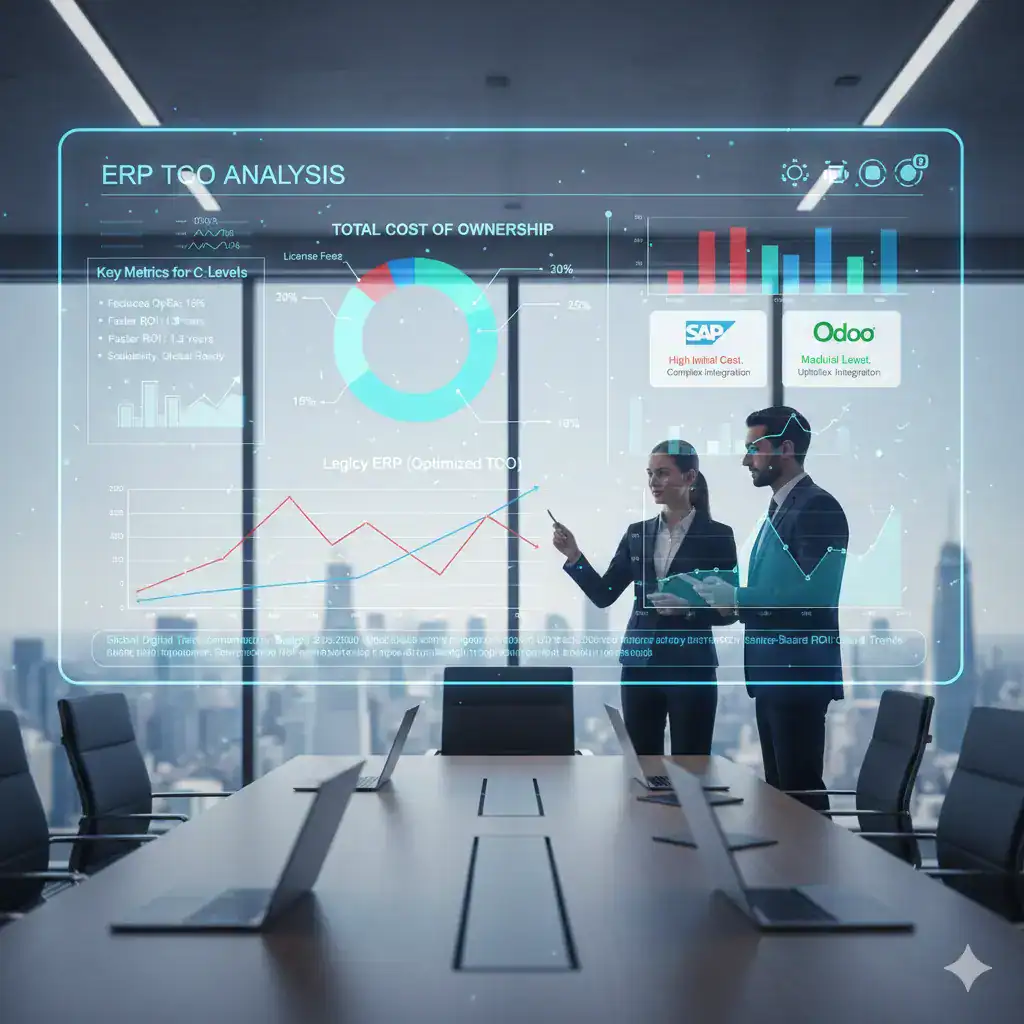
For mid-size enterprises, choosing between AWS, Azure, and Google Cloud is no longer just about technical features—it is about Total Cost of Ownership (TCO) and operational efficiency.
1. AWS: The Industry Standard
AWS offers the most extensive service catalog. For enterprises requiring mature tools, AWS provides unmatched stability, though costs can scale quickly if not monitored.
2. Azure: The Microsoft Ecosystem Advantage
If your organization relies heavily on Microsoft 365 or Windows Server, Azure offers seamless integration and often significant cost savings through existing enterprise agreements.
3. Google Cloud (GCP): Performance and Data Analytics
GCP stands out for its superior data analytics, machine learning capabilities, and flexible pricing models, making it a favorite for data-heavy projects.
Comparative Analysis Matrix
| Provider | Best For | Pricing Model |
|---|---|---|
| AWS | Global Scalability | Pay-as-you-go |
| Azure | Microsoft Integration | Enterprise Agreements |
| GCP | Data/ML Projects | Sustained Use Discounts |
Why Cloud Infrastructure Matters for Scalability Choosing the right Cloud Infrastructure is not just about the monthly bill; it is about long-term business agility. For mid-size enterprises, the infrastructure serves as the backbone of every digital operation. A robust cloud setup ensures that as your user base grows, your applications can scale seamlessly without manual intervention. By leveraging the right provider, businesses can deploy resources globally in minutes, ensuring high availability and disaster recovery, which are essential for maintaining professional authority and uptime.
DMS Global Enterprise Solution
Advertisement - Continue reading below
Key Factors When Comparing Cloud Infrastructure Providers When evaluating Cloud Infrastructure services, stakeholders must look beyond the sticker price. Several technical parameters directly influence your total cost of ownership (TCO):
-
Compute Instance Types: Different workloads require different CPU and RAM configurations. Misalignment here is the number one cause of cloud waste.
-
Data Transfer Costs: Egress fees can balloon quickly. Understanding how data flows within your architecture is key to keeping costs predictable.
-
Storage Tiers: Utilizing cold storage for non-critical historical data can significantly lower your monthly infrastructure expenditure compared to keeping everything on high-performance drives.
-
Managed Services: Sometimes paying a premium for managed databases or Kubernetes clusters actually saves money by reducing the engineering hours required to maintain the system.
Optimizing for ROI in 2026 To stay competitive in 2026, the Cloud Infrastructure strategy must shift from a “set it and forget it” mentality to an active optimization cycle. Enterprises that regularly audit their resource utilization, implement automated scaling policies, and leverage spot instances for non-critical workloads will always outperform those that don’t. DMS Global focuses on these nuances, ensuring that your enterprise cloud environment remains an asset rather than a liability.
Additional Technical Deep Dive: Enterprise Cloud Considerations
Compliance and Security Protocols When selecting a Cloud Infrastructure provider, compliance is non-negotiable for mid-size enterprises. Whether you operate in finance, healthcare, or retail, you must ensure that your cloud partner adheres to global standards like ISO 27001, SOC 2, and GDPR. A well-architected Cloud Infrastructure allows for granular control over data residency, ensuring that your sensitive information remains within legally required boundaries while still being accessible to your global workforce.
The Role of Automation in Modern Infrastructure Manual management of servers is a relic of the past. To truly benefit from your Cloud Infrastructure investment, you must embrace Infrastructure as Code (IaC) tools like Terraform or CloudFormation. Automation not only reduces the risk of human error—which is the most common cause of security breaches—but also allows your development team to replicate production environments in minutes. This agility is what sets industry leaders apart from the competition.
Future-Proofing Your Business As we look beyond 2026, the integration of Artificial Intelligence and edge computing will redefine how we perceive Cloud Infrastructure. By staying platform-agnostic or using multi-cloud strategies, your enterprise gains the flexibility to switch providers if one offers a better solution for a specific AI-driven task. Remember, the goal of your infrastructure is to support your business vision, not to trap you into a single ecosystem that limits your ability to innovate.
The Financial Impact of Infrastructure Misconfiguration Many enterprises underestimate the long-term financial burden of poorly architected Cloud Infrastructure. It is not just about the monthly subscription fees; it is about the “hidden” operational costs. When your Cloud Infrastructure is not optimized for your specific workload, you end up paying for idle CPU cycles and wasted storage. Implementing a FinOps culture is essential in 2026. By tracking resource usage and aligning it with actual business demand, companies can reduce their monthly cloud spend by up to 30% without sacrificing performance.
Scaling Strategies for Global Enterprise When your operations span multiple regions, the complexity of your Cloud Infrastructure increases exponentially. You need to consider data sovereignty laws, latency issues, and the cost of inter-region data transfer. Choosing a provider that offers a robust global backbone is crucial. Whether you are using AWS, Azure, or Google Cloud, your infrastructure must be designed for elasticity. This means using auto-scaling groups and load balancers to ensure that your application remains responsive whether you have 10 users or 10,000.
Monitoring and Maintenance A “set-and-forget” approach to Cloud Infrastructure is a recipe for disaster. Constant monitoring is required to detect performance bottlenecks before they affect your end-users. Tools like CloudWatch, Azure Monitor, and Google Cloud Operations Suite provide deep visibility into your system health. By setting up automated alerts, your engineering team can proactively address issues, maintaining the high availability that is expected of a professional enterprise service. Furthermore, regularly patching and updating your containerized environments ensures that your security posture remains solid against emerging threats.
Conclusion
Selecting the right provider depends on your current infrastructure and long-term growth strategy. Always consider your egress costs and support requirements before migrating.
🚀 Master Global SEO & ERP
Ready to scale your enterprise? Get exclusive insights used by unicorn founders.
Get it on Lemon SqueezyReliable resources for your business growth
💡 Strategic ERP Insights for Executives
Beyond understanding TCO, choosing the right platform is critical for long-term ROI. Explore our high-stakes comparisons:
- 🚀 Odoo vs NetSuite: Strategic Comparison for Global Scaling
- 📊 The 2026 ERP Selection Framework: Avoiding Hidden Implementation Costs
*Optimized for high-ticket decision making and ROI analysis.
Read also: Linode vs AWS for more insights on linode