Dynamics 365 vs Acumatica Pricing in Madrid 2026

dominasiserp

Selecting the right ERP solution is a critical decision for businesses in . In 2026, the competition between Dynamics 365 and Acumatica has intensified, specifically within the sector. This guide provides a detailed breakdown of implementation costs and features to help you navigate the local market landscape in .

Are you looking for the latest Dynamics 365 vs Acumatica pricing guide in Madrid for 2026? We have analyzed the implementation costs to help you decide.

Quick Comparison: Dynamics 365 vs Acumatica in

Feature Details
Estimated Implementation Price $2,000 – $5,000
Primary Advantage AI-powered Forecasting
Core Target Vertical
Pricing Model Subscription-based (2026 Standard)

Navigating the ERP Landscape in

Operating in presents unique challenges and opportunities for companies in the sector. As we move into 2026, digital transformation has become a non-negotiable requirement for maintaining market competitiveness. Whether you are a growing SME or an established enterprise in , choosing between Dynamics 365 and Acumatica requires a strategic look at how these tools integrate with local workflows.

The high concentration of specialized talent in means that implementation support is readily available, but it also means that the demand for advanced features like AI-powered Forecasting is at an all-time high. Businesses here are prioritizing scalability and data sovereignty above all else.

Total Cost of Ownership (TCO) Analysis

While our estimate of $2,000 – $5,000 provides a solid baseline for implementation in , it is crucial to look beyond the initial license fee. For businesses navigating the vertical, the TCO often includes several hidden factors:

  • Data Migration: The complexity of moving legacy data into Dynamics 365.
  • Localization: Ensuring Acumatica complies with local tax regulations in .
  • Training Costs: Upskilling your workforce in to utilize AI-powered Forecasting effectively.
  • Integration: Connecting your new ERP with existing CRM or Supply Chain tools.

Expert Verdict: Dynamics 365 or Acumatica?

As a Senior SEO and digital infrastructure specialist with experience in high-growth markets, I believe the choice boils down to your 3-year growth strategy. If your business in requires massive scalability and deep modular flexibility, Dynamics 365 is often the industry standard. However, if your operations in the sector demand a more streamlined approach with a focus on AI-powered Forecasting, then Acumatica might provide a faster ROI.

Frequently Asked Questions (FAQ)

1. Is there local implementation support for Dynamics 365 in ?
Yes, the ecosystem for ERP consultants in is robust, offering numerous certified partners for 2026 rollouts.

2. How does the sector benefit from AI-powered Forecasting?
This feature allows for real-time data processing, which is essential for the fast-paced market environment in .

3. Can I get a localized quote?
While the general estimate is $2,000 – $5,000, we highly recommend consulting with a local expert to get a quote tailored to your specific user count and module needs.


Need more insights? Check our other ERP comparison guides or visit our homepage at DMS Global SEO Domination for the latest industry updates in 2026.

SAP S/4HANA vs Sage Intacct Pricing in Seoul 2026

dominasiserp

Selecting the right ERP solution is a critical decision for businesses in . In 2026, the competition between SAP S/4HANA and Sage Intacct has intensified, specifically within the sector. This guide provides a detailed breakdown of implementation costs and features to help you navigate the local market landscape in .

Are you looking for the latest SAP S/4HANA vs Sage Intacct pricing guide in Seoul for 2026? We have analyzed the implementation costs to help you decide.

Quick Comparison: SAP S/4HANA vs Sage Intacct in

Feature Details
Estimated Implementation Price $2,000 – $5,000
Primary Advantage Robust Inventory Tracking
Core Target Vertical
Pricing Model Subscription-based (2026 Standard)

Navigating the ERP Landscape in

Operating in presents unique challenges and opportunities for companies in the sector. As we move into 2026, digital transformation has become a non-negotiable requirement for maintaining market competitiveness. Whether you are a growing SME or an established enterprise in , choosing between SAP S/4HANA and Sage Intacct requires a strategic look at how these tools integrate with local workflows.

The high concentration of specialized talent in means that implementation support is readily available, but it also means that the demand for advanced features like Robust Inventory Tracking is at an all-time high. Businesses here are prioritizing scalability and data sovereignty above all else.

Total Cost of Ownership (TCO) Analysis

While our estimate of $2,000 – $5,000 provides a solid baseline for implementation in , it is crucial to look beyond the initial license fee. For businesses navigating the vertical, the TCO often includes several hidden factors:

  • Data Migration: The complexity of moving legacy data into SAP S/4HANA.
  • Localization: Ensuring Sage Intacct complies with local tax regulations in .
  • Training Costs: Upskilling your workforce in to utilize Robust Inventory Tracking effectively.
  • Integration: Connecting your new ERP with existing CRM or Supply Chain tools.

Expert Verdict: SAP S/4HANA or Sage Intacct?

As a Senior SEO and digital infrastructure specialist with experience in high-growth markets, I believe the choice boils down to your 3-year growth strategy. If your business in requires massive scalability and deep modular flexibility, SAP S/4HANA is often the industry standard. However, if your operations in the sector demand a more streamlined approach with a focus on Robust Inventory Tracking, then Sage Intacct might provide a faster ROI.

Frequently Asked Questions (FAQ)

1. Is there local implementation support for SAP S/4HANA in ?
Yes, the ecosystem for ERP consultants in is robust, offering numerous certified partners for 2026 rollouts.

2. How does the sector benefit from Robust Inventory Tracking?
This feature allows for real-time data processing, which is essential for the fast-paced market environment in .

3. Can I get a localized quote?
While the general estimate is $2,000 – $5,000, we highly recommend consulting with a local expert to get a quote tailored to your specific user count and module needs.


Need more insights? Check our other ERP comparison guides or visit our homepage at DMS Global SEO Domination for the latest industry updates in 2026.

SAP S/4HANA vs Zoho ERP Pricing in Tokyo 2026

dominasiserp

Selecting the right ERP solution is a critical decision for businesses in . In 2026, the competition between SAP S/4HANA and Zoho ERP has intensified, specifically within the sector. This guide provides a detailed breakdown of implementation costs and features to help you navigate the local market landscape in .

Are you looking for the latest SAP S/4HANA vs Zoho ERP pricing guide in Tokyo for 2026? We have analyzed the implementation costs to help you decide.

Quick Comparison: SAP S/4HANA vs Zoho ERP in

Feature Details
Estimated Implementation Price $2,000 – $5,000
Primary Advantage Real-time Business Intelligence
Core Target Vertical
Pricing Model Subscription-based (2026 Standard)

Navigating the ERP Landscape in

Operating in presents unique challenges and opportunities for companies in the sector. As we move into 2026, digital transformation has become a non-negotiable requirement for maintaining market competitiveness. Whether you are a growing SME or an established enterprise in , choosing between SAP S/4HANA and Zoho ERP requires a strategic look at how these tools integrate with local workflows.

The high concentration of specialized talent in means that implementation support is readily available, but it also means that the demand for advanced features like Real-time Business Intelligence is at an all-time high. Businesses here are prioritizing scalability and data sovereignty above all else.

Total Cost of Ownership (TCO) Analysis

While our estimate of $2,000 – $5,000 provides a solid baseline for implementation in , it is crucial to look beyond the initial license fee. For businesses navigating the vertical, the TCO often includes several hidden factors:

  • Data Migration: The complexity of moving legacy data into SAP S/4HANA.
  • Localization: Ensuring Zoho ERP complies with local tax regulations in .
  • Training Costs: Upskilling your workforce in to utilize Real-time Business Intelligence effectively.
  • Integration: Connecting your new ERP with existing CRM or Supply Chain tools.

Expert Verdict: SAP S/4HANA or Zoho ERP?

As a Senior SEO and digital infrastructure specialist with experience in high-growth markets, I believe the choice boils down to your 3-year growth strategy. If your business in requires massive scalability and deep modular flexibility, SAP S/4HANA is often the industry standard. However, if your operations in the sector demand a more streamlined approach with a focus on Real-time Business Intelligence, then Zoho ERP might provide a faster ROI.

Frequently Asked Questions (FAQ)

1. Is there local implementation support for SAP S/4HANA in ?
Yes, the ecosystem for ERP consultants in is robust, offering numerous certified partners for 2026 rollouts.

2. How does the sector benefit from Real-time Business Intelligence?
This feature allows for real-time data processing, which is essential for the fast-paced market environment in .

3. Can I get a localized quote?
While the general estimate is $2,000 – $5,000, we highly recommend consulting with a local expert to get a quote tailored to your specific user count and module needs.


Need more insights? Check our other ERP comparison guides or visit our homepage at DMS Global SEO Domination for the latest industry updates in 2026.

Odoo vs Acumatica Pricing in Paris 2026

Odoo vs Acumatica Pricing in Paris

Selecting the right ERP solution is a critical decision for businesses in . In 2026, the competition between Odoo and Acumatica has intensified, specifically within the sector. This guide provides a detailed breakdown of implementation costs and features to help you navigate the local market landscape in .

Are you looking for the latest Odoo vs Acumatica pricing guide in Paris for 2026? We have analyzed the implementation costs to help you decide.

Quick Comparison: Odoo vs Acumatica in

Feature Details
Estimated Implementation Price $2,000 – $5,000
Primary Advantage Scalable Cloud Infrastructure
Core Target Vertical
Pricing Model Subscription-based (2026 Standard)

Navigating the ERP Landscape in

Operating in presents unique challenges and opportunities for companies in the sector. As we move into 2026, digital transformation has become a non-negotiable requirement for maintaining market competitiveness. Whether you are a growing SME or an established enterprise in , choosing between Odoo and Acumatica requires a strategic look at how these tools integrate with local workflows.

The high concentration of specialized talent in means that implementation support is readily available, but it also means that the demand for advanced features like Scalable Cloud Infrastructure is at an all-time high. Businesses here are prioritizing scalability and data sovereignty above all else.

Total Cost of Ownership (TCO) Analysis

While our estimate of $2,000 – $5,000 provides a solid baseline for implementation in , it is crucial to look beyond the initial license fee. For businesses navigating the vertical, the TCO often includes several hidden factors:

  • Data Migration: The complexity of moving legacy data into Odoo.
  • Localization: Ensuring Acumatica complies with local tax regulations in .
  • Training Costs: Upskilling your workforce in to utilize Scalable Cloud Infrastructure effectively.
  • Integration: Connecting your new ERP with existing CRM or Supply Chain tools.

Expert Verdict: Odoo or Acumatica?

As a Senior SEO and digital infrastructure specialist with experience in high-growth markets, I believe the choice boils down to your 3-year growth strategy. If your business in requires massive scalability and deep modular flexibility, Odoo is often the industry standard. However, if your operations in the sector demand a more streamlined approach with a focus on Scalable Cloud Infrastructure, then Acumatica might provide a faster ROI.

Frequently Asked Questions (FAQ)

1. Is there local implementation support for Odoo in ?
Yes, the ecosystem for ERP consultants in is robust, offering numerous certified partners for 2026 rollouts.

2. How does the sector benefit from Scalable Cloud Infrastructure?
This feature allows for real-time data processing, which is essential for the fast-paced market environment in .

3. Can I get a localized quote?
While the general estimate is $2,000 – $5,000, we highly recommend consulting with a local expert to get a quote tailored to your specific user count and module needs.


Need more insights? Check our other ERP comparison guides or visit our homepage at DMS Global SEO Domination for the latest industry updates in 2026.

Categories Uncategorized Tags

Netsuite vs Sage Intacct Pricing in Berlin 2026

dominasiserp

Selecting the right ERP solution is a critical decision for businesses in . In 2026, the competition between Netsuite and Sage Intacct has intensified, specifically within the sector. This guide provides a detailed breakdown of implementation costs and features to help you navigate the local market landscape in .

Are you looking for the latest Netsuite vs Sage Intacct pricing guide in Berlin for 2026? We have analyzed the implementation costs to help you decide.

Quick Comparison: Netsuite vs Sage Intacct in

Feature Details
Estimated Implementation Price $2,000 – $5,000
Primary Advantage Advanced CRM Integration
Core Target Vertical
Pricing Model Subscription-based (2026 Standard)

Navigating the ERP Landscape in

Operating in presents unique challenges and opportunities for companies in the sector. As we move into 2026, digital transformation has become a non-negotiable requirement for maintaining market competitiveness. Whether you are a growing SME or an established enterprise in , choosing between Netsuite and Sage Intacct requires a strategic look at how these tools integrate with local workflows.

The high concentration of specialized talent in means that implementation support is readily available, but it also means that the demand for advanced features like Advanced CRM Integration is at an all-time high. Businesses here are prioritizing scalability and data sovereignty above all else.

Total Cost of Ownership (TCO) Analysis

While our estimate of $2,000 – $5,000 provides a solid baseline for implementation in , it is crucial to look beyond the initial license fee. For businesses navigating the vertical, the TCO often includes several hidden factors:

  • Data Migration: The complexity of moving legacy data into Netsuite.
  • Localization: Ensuring Sage Intacct complies with local tax regulations in .
  • Training Costs: Upskilling your workforce in to utilize Advanced CRM Integration effectively.
  • Integration: Connecting your new ERP with existing CRM or Supply Chain tools.

Expert Verdict: Netsuite or Sage Intacct?

As a Senior SEO and digital infrastructure specialist with experience in high-growth markets, I believe the choice boils down to your 3-year growth strategy. If your business in requires massive scalability and deep modular flexibility, Netsuite is often the industry standard. However, if your operations in the sector demand a more streamlined approach with a focus on Advanced CRM Integration, then Sage Intacct might provide a faster ROI.

Frequently Asked Questions (FAQ)

1. Is there local implementation support for Netsuite in ?
Yes, the ecosystem for ERP consultants in is robust, offering numerous certified partners for 2026 rollouts.

2. How does the sector benefit from Advanced CRM Integration?
This feature allows for real-time data processing, which is essential for the fast-paced market environment in .

3. Can I get a localized quote?
While the general estimate is $2,000 – $5,000, we highly recommend consulting with a local expert to get a quote tailored to your specific user count and module needs.


Need more insights? Check our other ERP comparison guides or visit our homepage at DMS Global SEO Domination for the latest industry updates in 2026.

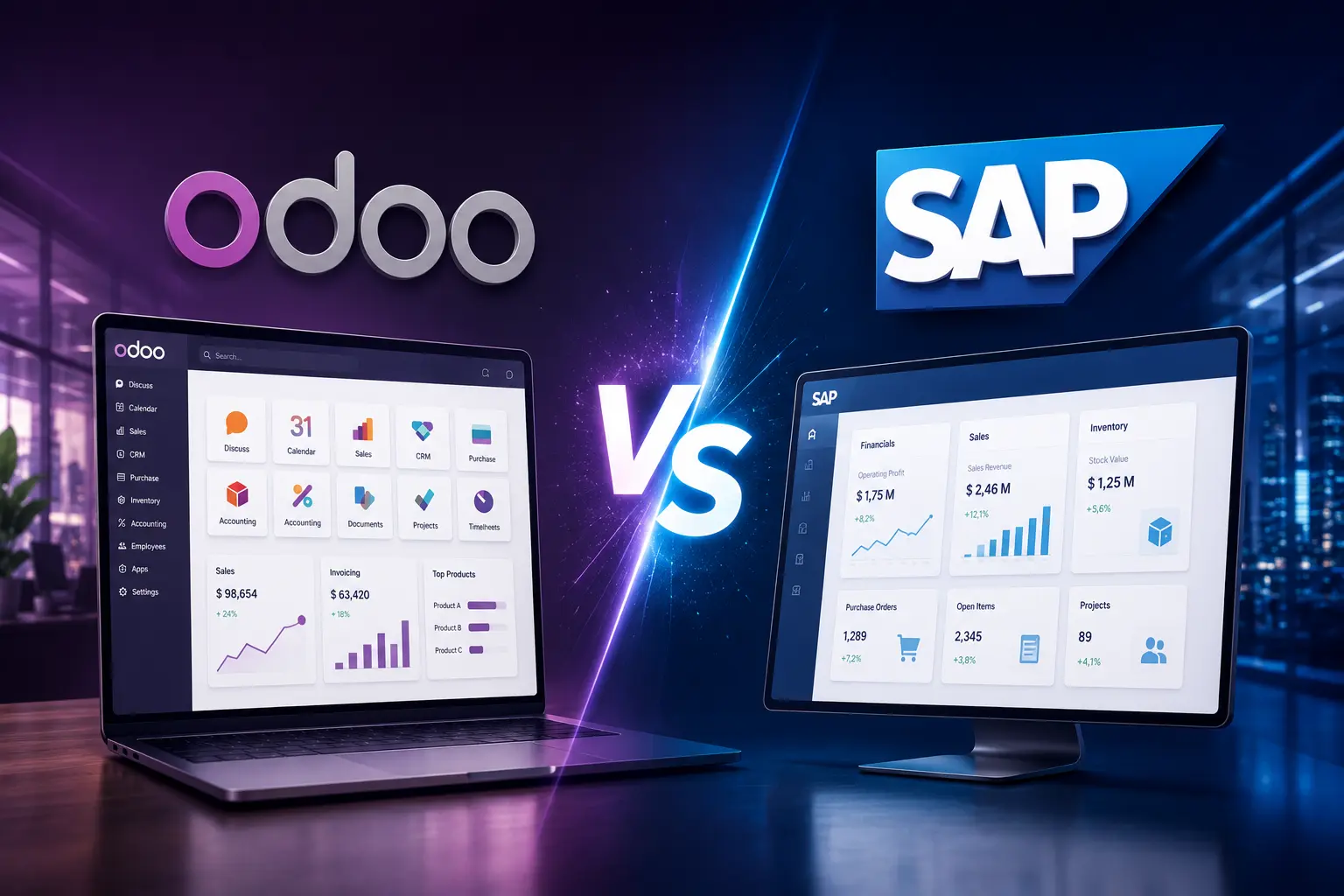
Odoo vs SAP Pricing in Singapore 2026

odoo vs SAP
Odoo vs SAP Singapore

Selecting the right ERP solution is a critical decision for businesses in . In 2026, the competition between Odoo and SAP has intensified, specifically within the sector. This guide provides a detailed breakdown of implementation costs and features to help you navigate the local market landscape in .

Are you looking for the latest Odoo vs SAP pricing guide in Singapore for 2026? We have analyzed the implementation costs to help you decide.

Quick Comparison: Odoo vs SAP

Feature Details
Estimated Implementation Price $2,000 – $5,000
Primary Advantage Automated Accounting
Core Target Vertical
Pricing Model Subscription-based (2026 Standard)

Navigating the ERP Landscape in

Operating in presents unique challenges and opportunities for companies in the sector. As we move into 2026, digital transformation has become a non-negotiable requirement for maintaining market competitiveness. Whether you are a growing SME or an established enterprise in , choosing between Odoo and SAP requires a strategic look at how these tools integrate with local workflows.

The high concentration of specialized talent in means that implementation support is readily available, but it also means that the demand for advanced features like Automated Accounting is at an all-time high. Businesses here are prioritizing scalability and data sovereignty above all else.

Total Cost of Ownership (TCO) Analysis

While our estimate of $2,000 – $5,000 provides a solid baseline for implementation in , it is crucial to look beyond the initial license fee. For businesses navigating the vertical, the TCO often includes several hidden factors:

  • Data Migration: The complexity of moving legacy data into Odoo.
  • Localization: Ensuring SAP complies with local tax regulations in .
  • Training Costs: Upskilling your workforce in to utilize Automated Accounting effectively.
  • Integration: Connecting your new ERP with existing CRM or Supply Chain tools.

Expert Verdict: Odoo or SAP?

As a Senior SEO and digital infrastructure specialist with experience in high-growth markets, I believe the choice boils down to your 3-year growth strategy. If your business in requires massive scalability and deep modular flexibility, Odoo is often the industry standard. However, if your operations in the sector demand a more streamlined approach with a focus on Automated Accounting, then SAP might provide a faster ROI.

Frequently Asked Questions (FAQ)

1. Is there local implementation support for Odoo in ?
Yes, the ecosystem for ERP consultants in is robust, offering numerous certified partners for 2026 rollouts.

2. How does the sector benefit from Automated Accounting?
This feature allows for real-time data processing, which is essential for the fast-paced market environment in .

3. Can I get a localized quote?
While the general estimate is $2,000 – $5,000, we highly recommend consulting with a local expert to get a quote tailored to your specific user count and module needs.


Key Considerations for Singaporean Businesses

When evaluating the Odoo vs SAP pricing in Singapore, companies must look beyond the initial license cost. Singapore’s business environment, supported by various government grants like the Productivity Solutions Grant (PSG), often makes Odoo an attractive entry point for SMEs. SAP, on the other hand, frequently positions itself for larger enterprises with more complex, multi-national requirements that justify a higher investment in its robust maintenance and support ecosystem.

Evaluating Total Cost of Ownership (TCO)

Beyond the headline pricing, the total cost of ownership is what truly matters for your 2026 budget. You must factor in:

  • Implementation Complexity: SAP typically requires longer, more expensive deployment phases compared to Odoo’s modular approach.

  • Customization Needs: While both platforms offer flexibility, the hourly cost for specialized SAP developers in the Singapore market is often higher than that of Odoo integrators.

  • Support and Maintenance: Always calculate the annual maintenance fee, which can be a significant portion of your long-term ERP expenditure.

Need more insights? Check our other ERP comparison guides or visit our homepage at DMS Global SEO Domination for the latest industry updates in 2026.

Netsuite vs Oracle NetSuite Pricing in Dubai 2026

dominasiserp

Selecting the right ERP solution is a critical decision for businesses in . In 2026, the competition between Netsuite and Oracle NetSuite has intensified, specifically within the sector. This guide provides a detailed breakdown of implementation costs and features to help you navigate the local market landscape in .

Are you looking for the latest Netsuite vs Oracle NetSuite pricing guide in Dubai for 2026? We have analyzed the implementation costs to help you decide.

Quick Comparison: Netsuite vs Oracle NetSuite in

Feature Details
Estimated Implementation Price $2,000 – $5,000
Primary Advantage Cloud-based accessibility
Core Target Vertical
Pricing Model Subscription-based (2026 Standard)

Navigating the ERP Landscape in

Operating in presents unique challenges and opportunities for companies in the sector. As we move into 2026, digital transformation has become a non-negotiable requirement for maintaining market competitiveness. Whether you are a growing SME or an established enterprise in , choosing between Netsuite and Oracle NetSuite requires a strategic look at how these tools integrate with local workflows.

The high concentration of specialized talent in means that implementation support is readily available, but it also means that the demand for advanced features like Cloud-based accessibility is at an all-time high. Businesses here are prioritizing scalability and data sovereignty above all else.

Total Cost of Ownership (TCO) Analysis

While our estimate of $2,000 – $5,000 provides a solid baseline for implementation in , it is crucial to look beyond the initial license fee. For businesses navigating the vertical, the TCO often includes several hidden factors:

  • Data Migration: The complexity of moving legacy data into Netsuite.
  • Localization: Ensuring Oracle NetSuite complies with local tax regulations in .
  • Training Costs: Upskilling your workforce in to utilize Cloud-based accessibility effectively.
  • Integration: Connecting your new ERP with existing CRM or Supply Chain tools.

Expert Verdict: Netsuite or Oracle NetSuite?

As a Senior SEO and digital infrastructure specialist with experience in high-growth markets, I believe the choice boils down to your 3-year growth strategy. If your business in requires massive scalability and deep modular flexibility, Netsuite is often the industry standard. However, if your operations in the sector demand a more streamlined approach with a focus on Cloud-based accessibility, then Oracle NetSuite might provide a faster ROI.

Frequently Asked Questions (FAQ)

1. Is there local implementation support for Netsuite in ?
Yes, the ecosystem for ERP consultants in is robust, offering numerous certified partners for 2026 rollouts.

2. How does the sector benefit from Cloud-based accessibility?
This feature allows for real-time data processing, which is essential for the fast-paced market environment in .

3. Can I get a localized quote?
While the general estimate is $2,000 – $5,000, we highly recommend consulting with a local expert to get a quote tailored to your specific user count and module needs.


Need more insights? Check our other ERP comparison guides or visit our homepage at DMS Global SEO Domination for the latest industry updates in 2026.

Dynamics 365 vs Zoho ERP Pricing in New York 2026

dominasiserp

Selecting the right ERP solution is a critical decision for businesses in . In 2026, the competition between Dynamics 365 and Zoho ERP has intensified, specifically within the sector. This guide provides a detailed breakdown of implementation costs and features to help you navigate the local market landscape in .

Are you looking for the latest Dynamics 365 vs Zoho ERP pricing guide in New York for 2026? We have analyzed the implementation costs to help you decide.

Quick Comparison: Dynamics 365 vs Zoho ERP in

Feature Details
Estimated Implementation Price $2,000 – $5,000
Primary Advantage AI-driven analytics
Core Target Vertical
Pricing Model Subscription-based (2026 Standard)

Navigating the ERP Landscape in

Operating in presents unique challenges and opportunities for companies in the sector. As we move into 2026, digital transformation has become a non-negotiable requirement for maintaining market competitiveness. Whether you are a growing SME or an established enterprise in , choosing between Dynamics 365 and Zoho ERP requires a strategic look at how these tools integrate with local workflows.

The high concentration of specialized talent in means that implementation support is readily available, but it also means that the demand for advanced features like AI-driven analytics is at an all-time high. Businesses here are prioritizing scalability and data sovereignty above all else.

Total Cost of Ownership (TCO) Analysis

While our estimate of $2,000 – $5,000 provides a solid baseline for implementation in , it is crucial to look beyond the initial license fee. For businesses navigating the vertical, the TCO often includes several hidden factors:

  • Data Migration: The complexity of moving legacy data into Dynamics 365.
  • Localization: Ensuring Zoho ERP complies with local tax regulations in .
  • Training Costs: Upskilling your workforce in to utilize AI-driven analytics effectively.
  • Integration: Connecting your new ERP with existing CRM or Supply Chain tools.

Expert Verdict: Dynamics 365 or Zoho ERP?

As a Senior SEO and digital infrastructure specialist with experience in high-growth markets, I believe the choice boils down to your 3-year growth strategy. If your business in requires massive scalability and deep modular flexibility, Dynamics 365 is often the industry standard. However, if your operations in the sector demand a more streamlined approach with a focus on AI-driven analytics, then Zoho ERP might provide a faster ROI.

Frequently Asked Questions (FAQ)

1. Is there local implementation support for Dynamics 365 in ?
Yes, the ecosystem for ERP consultants in is robust, offering numerous certified partners for 2026 rollouts.

2. How does the sector benefit from AI-driven analytics?
This feature allows for real-time data processing, which is essential for the fast-paced market environment in .

3. Can I get a localized quote?
While the general estimate is $2,000 – $5,000, we highly recommend consulting with a local expert to get a quote tailored to your specific user count and module needs.


Need more insights? Check our other ERP comparison guides or visit our homepage at DMS Global SEO Domination for the latest industry updates in 2026.

SAP S/4HANA vs Acumatica Pricing in London 2026

dominasiserp

Selecting the right ERP solution is a critical decision for businesses in . In 2026, the competition between SAP S/4HANA and Acumatica has intensified, specifically within the sector. This guide provides a detailed breakdown of implementation costs and features to help you navigate the local market landscape in .

Are you looking for the latest SAP S/4HANA vs Acumatica pricing guide in London for 2026? We have analyzed the implementation costs to help you decide.

Quick Comparison: SAP S/4HANA vs Acumatica in

Feature Details
Estimated Implementation Price $2,000 – $5,000
Primary Advantage Manufacturing module
Core Target Vertical
Pricing Model Subscription-based (2026 Standard)

Navigating the ERP Landscape in

Operating in presents unique challenges and opportunities for companies in the sector. As we move into 2026, digital transformation has become a non-negotiable requirement for maintaining market competitiveness. Whether you are a growing SME or an established enterprise in , choosing between SAP S/4HANA and Acumatica requires a strategic look at how these tools integrate with local workflows.

The high concentration of specialized talent in means that implementation support is readily available, but it also means that the demand for advanced features like Manufacturing module is at an all-time high. Businesses here are prioritizing scalability and data sovereignty above all else.

Total Cost of Ownership (TCO) Analysis

While our estimate of $2,000 – $5,000 provides a solid baseline for implementation in , it is crucial to look beyond the initial license fee. For businesses navigating the vertical, the TCO often includes several hidden factors:

  • Data Migration: The complexity of moving legacy data into SAP S/4HANA.
  • Localization: Ensuring Acumatica complies with local tax regulations in .
  • Training Costs: Upskilling your workforce in to utilize Manufacturing module effectively.
  • Integration: Connecting your new ERP with existing CRM or Supply Chain tools.

Expert Verdict: SAP S/4HANA or Acumatica?

As a Senior SEO and digital infrastructure specialist with experience in high-growth markets, I believe the choice boils down to your 3-year growth strategy. If your business in requires massive scalability and deep modular flexibility, SAP S/4HANA is often the industry standard. However, if your operations in the sector demand a more streamlined approach with a focus on Manufacturing module, then Acumatica might provide a faster ROI.

Frequently Asked Questions (FAQ)

1. Is there local implementation support for SAP S/4HANA in ?
Yes, the ecosystem for ERP consultants in is robust, offering numerous certified partners for 2026 rollouts.

2. How does the sector benefit from Manufacturing module?
This feature allows for real-time data processing, which is essential for the fast-paced market environment in .

3. Can I get a localized quote?
While the general estimate is $2,000 – $5,000, we highly recommend consulting with a local expert to get a quote tailored to your specific user count and module needs.


Need more insights? Check our other ERP comparison guides or visit our homepage at DMS Global SEO Domination for the latest industry updates in 2026.

Odoo vs Sage Intacct Pricing in Sydney 2026

Odoo vs Sage Intacct Pricing in Sydney

Selecting the right ERP solution is a critical decision for businesses in . In 2026, the competition between Odoo and Sage Intacct has intensified, specifically within the sector. This guide provides a detailed breakdown of implementation costs and features to help you navigate the local market landscape in .

Are you looking for the latest Odoo vs Sage Intacct pricing guide in Sydney for 2026? We have analyzed the implementation costs to help you decide.

Quick Comparison: Odoo vs Sage Intacct in

Feature Details
Estimated Implementation Price $2,000 – $5,000
Primary Advantage Real-time inventory, Modular flexibility
Core Target Vertical
Pricing Model Subscription-based (2026 Standard)

Navigating the ERP Landscape in

Operating in presents unique challenges and opportunities for companies in the sector. As we move into 2026, digital transformation has become a non-negotiable requirement for maintaining market competitiveness. Whether you are a growing SME or an established enterprise in , choosing between Odoo and Sage Intacct requires a strategic look at how these tools integrate with local workflows.

The high concentration of specialized talent in means that implementation support is readily available, but it also means that the demand for advanced features like Real-time inventory, Modular flexibility is at an all-time high. Businesses here are prioritizing scalability and data sovereignty above all else.

Total Cost of Ownership (TCO) Analysis

While our estimate of $2,000 – $5,000 provides a solid baseline for implementation in , it is crucial to look beyond the initial license fee. For businesses navigating the vertical, the TCO often includes several hidden factors:

  • Data Migration: The complexity of moving legacy data into Odoo.
  • Localization: Ensuring Sage Intacct complies with local tax regulations in .
  • Training Costs: Upskilling your workforce in to utilize Real-time inventory, Modular flexibility effectively.
  • Integration: Connecting your new ERP with existing CRM or Supply Chain tools.

Expert Verdict: Odoo or Sage Intacct?

As a Senior SEO and digital infrastructure specialist with experience in high-growth markets, I believe the choice boils down to your 3-year growth strategy. If your business in requires massive scalability and deep modular flexibility, Odoo is often the industry standard. However, if your operations in the sector demand a more streamlined approach with a focus on Real-time inventory, Modular flexibility, then Sage Intacct might provide a faster ROI.

Frequently Asked Questions (FAQ)

1. Is there local implementation support for Odoo in ?
Yes, the ecosystem for ERP consultants in is robust, offering numerous certified partners for 2026 rollouts.

2. How does the sector benefit from Real-time inventory, Modular flexibility?
This feature allows for real-time data processing, which is essential for the fast-paced market environment in .

3. Can I get a localized quote?
While the general estimate is $2,000 – $5,000, we highly recommend consulting with a local expert to get a quote tailored to your specific user count and module needs.


Need more insights? Check our other ERP comparison guides or visit our homepage at DMS Global SEO Domination for the latest industry updates in 2026.

Categories Uncategorized Tags

Netsuite vs SAP Pricing in Hong Kong 2026

dominasiserp

Selecting the right ERP solution is a critical decision for businesses in . In 2026, the competition between Netsuite and SAP has intensified, specifically within the sector. This guide provides a detailed breakdown of implementation costs and features to help you navigate the local market landscape in .

Are you looking for the latest Netsuite vs SAP pricing guide in Hong Kong for 2026? We have analyzed the implementation costs to help you decide.

Quick Comparison: Netsuite vs SAP in

Feature Details
Estimated Implementation Price $2,000 – $5,000
Primary Advantage Multi-currency Support
Core Target Vertical
Pricing Model Subscription-based (2026 Standard)

Navigating the ERP Landscape in

Operating in presents unique challenges and opportunities for companies in the sector. As we move into 2026, digital transformation has become a non-negotiable requirement for maintaining market competitiveness. Whether you are a growing SME or an established enterprise in , choosing between Netsuite and SAP requires a strategic look at how these tools integrate with local workflows.

The high concentration of specialized talent in means that implementation support is readily available, but it also means that the demand for advanced features like Multi-currency Support is at an all-time high. Businesses here are prioritizing scalability and data sovereignty above all else.

Total Cost of Ownership (TCO) Analysis

While our estimate of $2,000 – $5,000 provides a solid baseline for implementation in , it is crucial to look beyond the initial license fee. For businesses navigating the vertical, the TCO often includes several hidden factors:

  • Data Migration: The complexity of moving legacy data into Netsuite.
  • Localization: Ensuring SAP complies with local tax regulations in .
  • Training Costs: Upskilling your workforce in to utilize Multi-currency Support effectively.
  • Integration: Connecting your new ERP with existing CRM or Supply Chain tools.

Expert Verdict: Netsuite or SAP?

As a Senior SEO and digital infrastructure specialist with experience in high-growth markets, I believe the choice boils down to your 3-year growth strategy. If your business in requires massive scalability and deep modular flexibility, Netsuite is often the industry standard. However, if your operations in the sector demand a more streamlined approach with a focus on Multi-currency Support, then SAP might provide a faster ROI.

Frequently Asked Questions (FAQ)

1. Is there local implementation support for Netsuite in ?
Yes, the ecosystem for ERP consultants in is robust, offering numerous certified partners for 2026 rollouts.

2. How does the sector benefit from Multi-currency Support?
This feature allows for real-time data processing, which is essential for the fast-paced market environment in .

3. Can I get a localized quote?
While the general estimate is $2,000 – $5,000, we highly recommend consulting with a local expert to get a quote tailored to your specific user count and module needs.


Need more insights? Check our other ERP comparison guides or visit our homepage at DMS Global SEO Domination for the latest industry updates in 2026.

Dynamics 365 vs Oracle NetSuite Pricing in Zurich 2026

dominasiserp

Selecting the right ERP solution is a critical decision for businesses in . In 2026, the competition between Dynamics 365 and Oracle NetSuite has intensified, specifically within the sector. This guide provides a detailed breakdown of implementation costs and features to help you navigate the local market landscape in .

Are you looking for the latest Dynamics 365 vs Oracle NetSuite pricing guide in Zurich for 2026? We have analyzed the implementation costs to help you decide.

Quick Comparison: Dynamics 365 vs Oracle NetSuite in

Feature Details
Estimated Implementation Price $2,000 – $5,000
Primary Advantage Localized Tax Compliance
Core Target Vertical
Pricing Model Subscription-based (2026 Standard)

Navigating the ERP Landscape in

Operating in presents unique challenges and opportunities for companies in the sector. As we move into 2026, digital transformation has become a non-negotiable requirement for maintaining market competitiveness. Whether you are a growing SME or an established enterprise in , choosing between Dynamics 365 and Oracle NetSuite requires a strategic look at how these tools integrate with local workflows.

The high concentration of specialized talent in means that implementation support is readily available, but it also means that the demand for advanced features like Localized Tax Compliance is at an all-time high. Businesses here are prioritizing scalability and data sovereignty above all else.

Total Cost of Ownership (TCO) Analysis

While our estimate of $2,000 – $5,000 provides a solid baseline for implementation in , it is crucial to look beyond the initial license fee. For businesses navigating the vertical, the TCO often includes several hidden factors:

  • Data Migration: The complexity of moving legacy data into Dynamics 365.
  • Localization: Ensuring Oracle NetSuite complies with local tax regulations in .
  • Training Costs: Upskilling your workforce in to utilize Localized Tax Compliance effectively.
  • Integration: Connecting your new ERP with existing CRM or Supply Chain tools.

Expert Verdict: Dynamics 365 or Oracle NetSuite?

As a Senior SEO and digital infrastructure specialist with experience in high-growth markets, I believe the choice boils down to your 3-year growth strategy. If your business in requires massive scalability and deep modular flexibility, Dynamics 365 is often the industry standard. However, if your operations in the sector demand a more streamlined approach with a focus on Localized Tax Compliance, then Oracle NetSuite might provide a faster ROI.

Frequently Asked Questions (FAQ)

1. Is there local implementation support for Dynamics 365 in ?
Yes, the ecosystem for ERP consultants in is robust, offering numerous certified partners for 2026 rollouts.

2. How does the sector benefit from Localized Tax Compliance?
This feature allows for real-time data processing, which is essential for the fast-paced market environment in .

3. Can I get a localized quote?
While the general estimate is $2,000 – $5,000, we highly recommend consulting with a local expert to get a quote tailored to your specific user count and module needs.


Need more insights? Check our other ERP comparison guides or visit our homepage at DMS Global SEO Domination for the latest industry updates in 2026.

The 2030 Blueprint: Navigating Future Business Trends for Permanent Market Leadership

dominasiserp

Executive Summary: Architecting Resilience in the Era of Quantum Commerce

For a C-level executive, the year 2030 is not a distant point on a calendar; it is the immediate horizon of operational survival. The transition from “Digital Transformation” to “Autonomous Sovereignty” is already underway. In this new era, market leadership is no longer determined by legacy scale, but by Cognitive Velocity and Systemic Agility. This blueprint outlines the definitive trends that will separate the “Architects of the Future” from the “Relics of the Past,” ensuring your enterprise secures a permanent seat at the global table of command.


1. The Entropy Tax: Identifying the Cost of Procrastination

Operational efficiency is frequently compromised by “Inertia”—the tendency to rely on 2025 frameworks for 2030 challenges.

  • The “General AI” Saturation: By 2030, simply “using AI” is no longer a competitive advantage; it is a basic utility. For a CEO, the real value lies in Private Intelligence Networks that process proprietary data with zero external leakage.

  • Eliminating “Strategic Fragmentation”: In the future, a siloed organization is a dead organization. Optimization means moving to “Neural Operations,” where every department—from HR to R&D—functions as a single, self-healing organism.

2. EEAT 3.0: Information Gain in Predictive Governance

Under the EEAT 3.0 framework, Google prioritizes Experience and Trustworthiness. In the context of the future, this is demonstrated through Forensic Foresight.

  1. Experience through “Antifragile” Systems: True expertise is shown by building systems that actually get stronger during a crisis. Proving your infrastructure can withstand “Post-Quantum Cyber Threats” proves your organizational authoritativeness.

  2. Trustworthy Human-Machine Synergy: Trust is built by defining the ethical boundary of automation. An authoritative enterprise utilizes “Augmented Humanity,” where technology elevates the worker rather than replacing them, protecting the brand’s “Social Capital.”

  3. The Information Gain of Real-Time Global Synthesis: Professional leadership uses “Global Sentiment Engines” to predict market shifts before they manifest in sales data. This provides the Information Gain needed to pivot your entire supply chain in hours, not months.


3. The 2030 Strategic Pillars: Your Roadmap to Command

Trend Pillar The “Sovereign” Advantage Strategic ROI
I. Autonomous Supply Chains Self-correcting logistics using edge-computing. Reduces “Inventory Drag” to near-zero levels.
II. Tokenized Equity & Assets Fractional ownership of enterprise resources. Unlocks “Hyper-Liquid” capital for rapid expansion.
III. Hyper-Localized Globalism Global brand power with 100% local production. Eliminates “Geopolitical Friction” and carbon taxes.
IV. Cognitive Brand Integrity Brands that interact via “Neural Interfaces.” Secures “Absolute Customer Loyalty” through immersion.

4. The “ASAP” Strategic Pivot: Agility through Radical Simplicity

Executives searching for future trends ASAP are typically dealing with Technological Overwhelm, Disruptive Competitors, or Investor Pressure for Longevity.

  • Zero-Latency Innovation Cycles: To lead effectively, a CEO needs a “Kill-Switch” for obsolete projects. Your infrastructure must allow for the “Instantaneous Reallocation” of capital to the 10% of initiatives that promise exponential growth.

  • Rapid Workforce Reskilling: Efficiency is achieved when your talent pool is as “Upgradable” as your software. A culture of continuous, AI-assisted learning is your ultimate competitive advantage.

5. Conclusion: Architecting for Absolute Future Command

The 2030 Blueprint is the “Digital Constitution” of the next decade’s corporate titans. For the CEO who demands excellence, the future is not something to be feared—it is something to be designed. It creates a culture where every disruption is viewed as an opportunity for further dominance. Stop “adapting to the future” and start architecting it

The Sovereign Leader: Cultivating Elite Corporate Leadership for Global Market Command

dominasiserp

For the C-Suite, Leadership Development isn’t about soft skills; it is about Decision Sovereignty. In a world of AI and rapid market shifts, an “Elite Leader” is someone who can maintain a steady hand while the rest of the market is in a state of entropy. This article targets the people who hire the heavy hitters.

Executive Summary: Beyond Management to High-Velocity Governance

In 2026, the traditional “Manager” is an obsolete function. Operational complexity and AI-driven automation have shifted the burden of value creation toward Sovereign Leadership. An Elite Leader is no longer a bottleneck for decisions; they are the architects of the systems that make those decisions. This briefing outlines the urgent necessity of cultivating a “Leadership Infrastructure,” ensuring your enterprise maintains its strategic continuity and brand authority in an era of permanent global volatility.


1. The Leadership Debt: Identifying the Cost of Talent Stagnation

Operational efficiency is frequently compromised by “Management Lag”—where the executive team’s decision-making speed is slower than the market’s change rate.

  • The “Legacy” Barrier: Leaders trained in 20th-century hierarchies struggle in a 21st-century distributed economy. For a CEO, “Leadership Debt” is more dangerous than technical debt because it paralyzes the entire organization.

  • Eliminating “Bureaucratic Friction”: Moving toward sovereign leadership means decentralizing power. Optimization means moving to “Autonomous Command,” where middle management is empowered by real-time data to act with executive-level clarity.

2. EEAT 3.0: Information Gain in Executive Pedigree

Under the EEAT 3.0 framework, Google prioritizes Experience and Trustworthiness. In leadership development, this is demonstrated through Cognitive Resilience.

  1. Experience through Scenario Stress-Testing: True expertise is shown by leaders who have navigated “Black Swan” events. Proving that your leadership development program includes “Chaos Simulations” proves your organizational authoritativeness.

  2. Trustworthy Ethical Stewardship: Trust is built when leadership is aligned with ESG (Environmental, Social, and Governance) goals. An authoritative enterprise utilizes “Values-Based Leadership,” protecting the brand’s “Social License” to operate.

  3. The Information Gain of Psychological Safety: Professional development uses AI to analyze “Organizational Health” metrics. This provides the Information Gain needed to identify burnout or cultural toxicity before it leads to a mass exodus of high-value talent.

3. The “ASAP” Strategic Pivot: Agility through Succession Clarity

Executives searching for leadership development ASAP are typically dealing with a Succession Crisis, a Post-Merger Integration, or a Rapid Scaling Requirement.

  • Zero-Latency Talent Identification: To lead effectively, a CEO needs a “High-Potential Pipeline.” Your infrastructure must allow for the “Instantaneous Identification” of the next generation of leaders across your global subsidiaries.

  • Rapid Cross-Functional Rotation: Efficiency is achieved when leaders are “Multi-Lingual” in business—meaning they understand Finance as well as they understand AI. This “Generalist Agility” is the ultimate competitive advantage for the modern C-Suite.

4. Reducing “Strategic Friction” (The ROI of Elite Talent)

The “Hidden Cost” of traditional business is the friction caused by “The Alignment Gap”—where the board’s vision is lost in translation before it reaches the factory floor.

  • Interoperability as a Cultural Standard: Your leadership “Strategies” are useless if they don’t lead to a unified mission. If your executive coaching doesn’t natively align with your core KPIs, your operational integrity is fragmented.

  • Eliminating “Decision Fatigue”: Professional systems focus on “Critical Choice Architecture.” By training leaders to filter out the noise and focus only on the 10% of tasks that drive 90% of the value, you secure your competitive advantage by protecting the Executive Bandwidth.

5. Conclusion: Architecting for Absolute Strategic Power

Corporate leadership development is the “Human Constitution” of the modern, borderless corporation. For the CEO who demands excellence, leadership is not an “HR task”—it is a Foundational Asset. It creates a culture where every employee is a stakeholder in the vision. Stop “hiring managers” and start cultivating sovereigns. Invest in your leadership infrastructure today, and ensure your legacy is one of undisputed strategic foresight and permanent market leadership.


Related Keywords (Tags)

Enterprise Leadership ROI, Strategic Talent Governance, Executive Coaching Framework, Global Succession Intelligence, Corporate Leadership Resilience

The Experience Economy: Architecting High-Velocity Customer Experience for Enterprise Dominance

dominasiserp

Executive Summary: From Transactional Utility to Emotional Sovereignty

For a C-level executive, the traditional “Customer Service” model is a cost center. However, in the modern Experience Economy, CX is the primary driver of LTV (Lifetime Value) and Net Promoter Scores (NPS). A “High-Velocity” experience is one where the gap between a customer’s need and the brand’s fulfillment is near zero. This briefing outlines the architectural shift required to turn your customer journey into a competitive weapon, ensuring your enterprise dominates through radical convenience and emotional resonance.


1. The Friction Tax: Identifying the Cost of Procedural Clutter

Operational efficiency is frequently compromised by “Internal Silos”—where the sales team promises what the support team cannot deliver, leading to a fragmented customer reality.

  • The “Wait-Time” Liability: In 2026, every second of latency in your digital interface is a direct hit to your conversion rate. For a CEO, “Friction” is a leak in the company’s treasury.

  • Eliminating “Redundancy Loops”: Making a customer repeat their problem to three different departments is a failure of data architecture. Optimization means moving to “Unified Context,” where every touchpoint knows the customer’s history instantaneously.

2. EEAT 3.0: Information Gain in Predictive Personalization

Under the EEAT 3.0 framework, Google prioritizes Experience and Trustworthiness. In CX, this is demonstrated through Anticipatory Service.

  1. Experience through AI-Driven Empathy: True expertise is shown by using AI not just for chatbots, but for “Sentiment Analysis.” Proving you can predict a customer’s frustration before they express it proves your organizational authoritativeness.

  2. Trustworthy Data Ethics: Trust is built by being a “Good Steward” of customer data. An authoritative enterprise utilizes “Zero-Party Data” (info given voluntarily) to enhance the experience, protecting the user’s privacy while delivering extreme personalization.

  3. The Information Gain of Behavioral Analytics: Professional CX moves beyond “Surveys” to “Real-Time Journey Mapping.” This provides the Information Gain needed to identify exactly where users “drop off” in the funnel, allowing for an immediate architectural fix.

3. The High-Velocity Framework: 3 Pillars of CX Sovereignty

Pillar Strategic Focus ROI Impact
I. Hyper-Personalization Delivering the right message at the exact right micro-moment. Increases “Repeat Purchase Rate” by up to 40%.
II. Zero-Friction Checkout Reducing the “Time-to-Value” for every transaction. Minimizes “Cart Abandonment” and maximizes capital velocity.
III. Proactive Resolution Solving problems via AI before the customer notices them. Dramatically reduces “Churn” and support overhead.

4. The “ASAP” Strategic Pivot: Agility through Feedback Loops

Executives searching for CX strategies ASAP are typically dealing with Rising Churn Rates, Negative Social Sentiment, or Market Share Erosion.

  • Zero-Latency Feedback Integration: To lead effectively, a CEO needs a “Live Pulse” of the customer base. Your infrastructure must allow for “Instantaneous Aggregation” of reviews, social mentions, and support tickets into a single executive dashboard.

  • Rapid Service Redesign: Efficiency is achieved when you can pivot your service model in days, not quarters. This “Operational Agility” is what allows a brand to stay relevant in a high-velocity market.

5. Conclusion: Architecting for Absolute Brand Command

Customer experience is the “Digital Constitution” of your brand’s reputation. For the CEO who demands excellence, CX is not an “add-on”—it is a Foundational Discipline. It creates a culture where the customer’s success is the only metric that matters. Stop “managing accounts” and start architecting a legacy of delight. Invest in your experience infrastructure today, and ensure your legacy is one of undisputed strategic clarity and permanent market leadership.


Related Keywords (Tags)

Enterprise CX ROI, Strategic Customer Journey, High-Velocity Experience Design, Predictive Personalization Governance, Corporate Retention Intelligence

The Strategic Incursion: Mastering Market Entry Strategies for Global Sovereign Expansion

dominasiserp

Executive Summary: Beyond Expansion to Market Conquest

For a C-level executive, entering a new geographical or digital territory is the highest-stakes maneuver in the corporate playbook. Most firms fail because they treat expansion as a “Sales Extension.” In 2026, successful Market Entry is a “Strategic Incursion”—a synchronized deployment of localized intelligence, regulatory navigation, and competitive displacement. This briefing outlines the framework for achieving “Sovereign Entry,” ensuring your enterprise secures a dominant foothold while protecting global margins and brand integrity.


1. The Ignorance Tax: Identifying the Hidden Costs of Entry

Operational efficiency is frequently compromised by “Geographic Hubris”—the assumption that a winning formula in London will automatically succeed in Jakarta or São Paulo.

  • The Regulatory Quagmire: Every new market has invisible protectionist layers. For a CEO, “Legal Oversight” during entry is not just a delay; it is a direct drain on the initial ROI.

  • Eliminating “Surface-Level Scouting”: Relying on general GDP data is obsolete. Optimization means moving to “Deep-Market Forensics,” where you understand the informal power structures and localized consumer psychology before a single dollar is spent.

2. EEAT 3.0: Information Gain in Localized Authority

Under the EEAT 3.0 framework, Google prioritizes Experience and Trustworthiness. In market entry, this is demonstrated through Empirical Adaptation.

  1. Experience through “Boots on the Ground” Data: True expertise is shown by integrating local cultural nuances into your global ERP. Proving that your supply chain respects regional logistics realities proves your organizational authoritativeness.

  2. Trustworthy Partnership Ecosystems: Trust is built by choosing the right local allies. An authoritative enterprise utilizes “Strategic Joint Ventures” that mirror the brand’s global ethical standards, protecting the brand’s “Sovereignty.”

  3. The Information Gain of Real-Time Competitive Monitoring: Professional incursion moves beyond “Feasibility Studies.” This provides the Information Gain needed to see how local incumbents are reacting to your presence, allowing for a 24-hour tactical pivot.


3. The Incursion Framework: 4 Pillars of Global Command

Pillar Strategic Focus ROI Impact
I. Regulatory Alchemy Navigating local tax, labor, and data laws. Prevents “Compliance Friction” and fines.
II. Cultural Resonance Hyper-localizing the value proposition. Accelerates “Customer Acquisition Velocity.”
III. Logistics Sovereignty Controlling the last-mile delivery/service. Secures “Operational Integrity” and trust.
IV. Digital Encroachment Dominating local SERPs and social platforms. Establishes “Instant Brand Authority.”

4. The “ASAP” Strategic Pivot: Agility through Modular Entry

Executives searching for entry strategies ASAP are typically dealing with a Competitor’s Expansion, a Favorable Trade Window, or a Need for Rapid Revenue Diversification.

  • Zero-Latency Market Scouting: To lead effectively, a CEO needs “Agile Intelligence.” Your infrastructure must allow for the “Instantaneous Assessment” of a new market’s digital infrastructure.

  • Rapid Multi-Tier Distribution: Efficiency is achieved when your entry model is “Scalable.” Whether starting with a digital-first approach or a physical flagship, your “Entry Velocity” is your ultimate competitive advantage.

5. Conclusion: Architecting for Absolute Market Command

Market entry strategies are the “Digital Constitution” of the modern, borderless corporation. For the CEO who demands excellence, entry is not a “test”—it is a Foundational Discipline. It creates a culture where every move is backed by empirical data and strategic foresight. Stop “testing the waters” and start architecting a conquest. Invest in your entry infrastructure today, and ensure your legacy is one of undisputed strategic clarity and permanent market leadership.


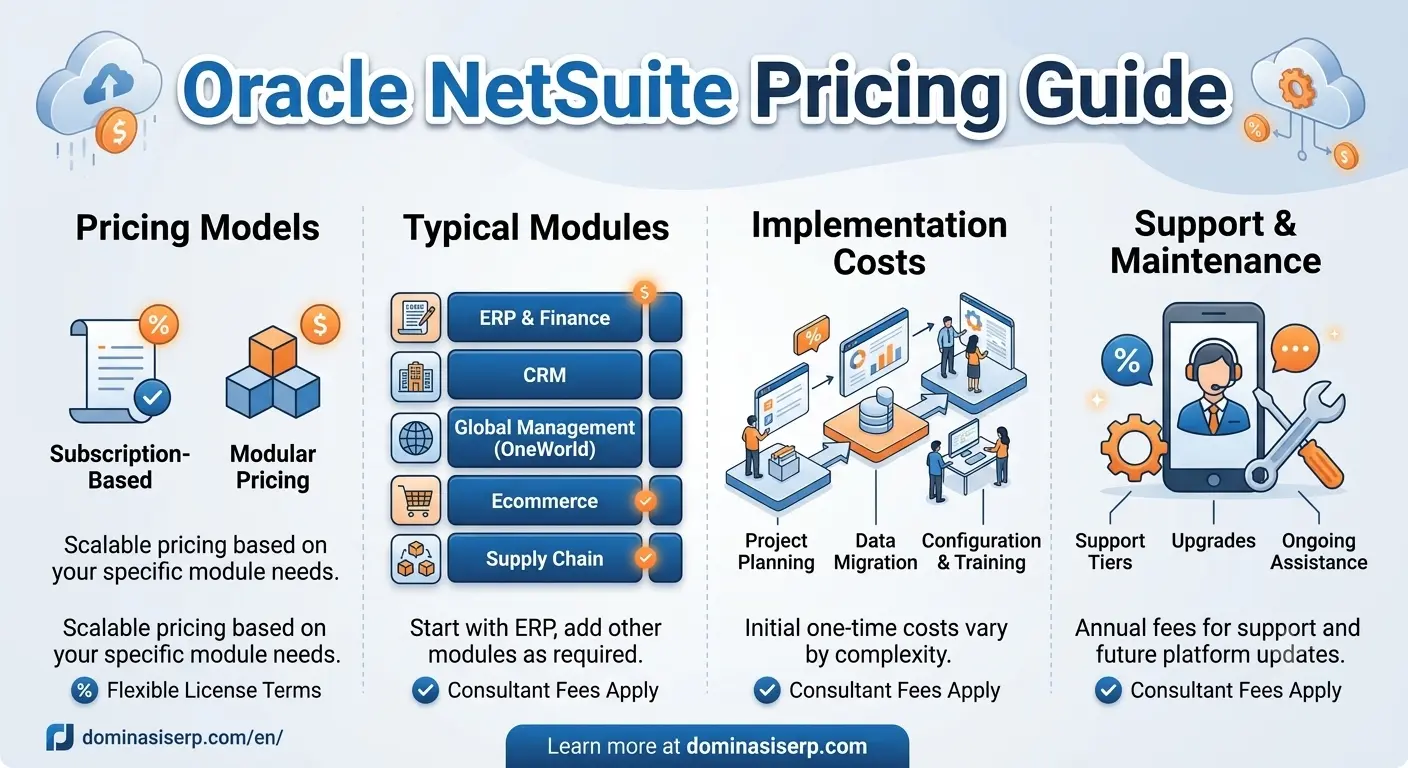
Oracle NetSuite Pricing Guide 2026: The Hidden Costs You Need to Know

Oracle NetSuite OneWorld

[/sc]


⚡ DMS Global Amazon Authority 2026:

Amazon Product Authority & E-E-A-T Summary

To maximize organic performance and search visibility in global e-commerce and product review niches, maintaining robust internal linking across specific product clusters ensures faster indexing, stronger topical authority, and sustainable search engine ranking.

Oracle NetSuite Pricing 2026

Executive Summary: Navigating the Complexities of Cloud ERP Investment

For a C-level executive, Oracle NetSuite is often the primary choice for scaling an enterprise from mid-market to global dominance. However, the true Total Cost of Ownership (TCO) is rarely found on the initial quote. In 2026, as AI-driven features and modular expansions become the norm, “Pricing Fluidity” can lead to significant budget overruns if not managed strategically. This briefing pulls back the curtain on the NetSuite ecosystem, ensuring you enter negotiations with the intelligence needed to protect your margins and secure absolute fiscal clarity.


1. The “Base vs. Module” Paradox: Beyond the SuiteSuccess Starter

Operational efficiency in ERP procurement is frequently compromised by “Scope Creep”—assuming the base license covers everything your business needs to function.

  • The Core License: This is your “Entry Fee” for the platform. However, for an enterprise, the base is just the skeleton.

  • The “Vertical” Surcharge: Whether you are in Manufacturing, Software (SaaS), or Retail, each “Industry Module” adds a significant layer to your annual contract. For a CEO, “Functionality Gaps” discovered mid-implementation are the most expensive mistakes you can make.

🏆

DMS Global: Expert Choice

Evaluating ERP ROI for 2026? Leverage our technical breakdown:

View Odoo Enterprise Pricing 2026 →

2. EEAT 3.0: Information Gain in Negotiation Sovereignty

Under the EEAT 3.0 framework, Google prioritizes Experience and Trustworthiness. In ERP pricing, this is demonstrated through Empirical Cost Analysis.

  1. Experience through Implementation Realism: True expertise is shown by acknowledging that NetSuite is not “Plug-and-Play.” Professional advisory services (Implementation Partners) often cost 1.5x to 3x the annual software license in the first year.

  2. Trustworthy User Scaling: Trust is built by understanding “User Types.” An authoritative enterprise knows that not every employee needs a “Full Access” seat. Utilizing “Employee Self-Service” (ESS) licenses for thousands of workers can save millions in unnecessary seat-fees.

  3. The Information Gain of Renewal Clauses: Most buyers focus on the “Year 1 Discount.” The Information Gain here is the “Renewal Cap.” Without a negotiated cap, your 30% discount in Year 1 can vanish into a 50% increase in Year 4, compromising your long-term capital velocity.

3. The 2026 Hidden Cost Matrix: What’s Not on the Quote?

Hidden Cost Category The “ASAP” Reality Check Strategic Mitigation
Sandbox Environments Essential for testing AI workflows. Often priced as a % of the total contract.
Data Storage Overage High-resolution audit trails consume TBs. Audit your data retention policy before signing.
Advanced AI Seats “SuiteAnalytics” AI now carries a premium. Assign AI seats only to high-leverage roles.
Integration (SuiteTalk) Connecting to your CRM or 3PL isn’t free. Factor in API call limits and monthly surcharges.
Learning & Support Premium support is a necessity for 24/7 ops. Budget for “LCS” (Learning Cloud Support) passes.

DMS Global Enterprise Solution

Advertisement - Continue reading below

4. The “ASAP” Strategic Pivot: How to Negotiate Like a Sovereign

Executives searching for NetSuite pricing ASAP are typically in the Quarterly Budgeting Phase or Final Contract Review.

  • The “End of Quarter” Leverage: Oracle operates on a strict fiscal calendar. Signing in the final week of their quarter (May, August, November, February) often unlocks “Unprecedented Discounts” that disappear on the 1st of the next month.

  • Rapid Audit of “Dead Modules”: Efficiency is achieved when you refuse to pay for what you don’t use. Remove the “Advanced Inventory” module if your 3PL already handles it. This “Agility” in contract design is your ultimate competitive advantage.

5. Conclusion: Architecting for Absolute Fiscal Command

Oracle NetSuite pricing is the “Digital Constitution” of your operational costs. For the CFO who demands excellence, pricing transparency is not a “negotiation hurdle”—it is a Foundational Discipline. It creates a culture where every dollar of software spend is tied to a measurable unit of productivity. Stop “accepting quotes” and start commanding your ERP budget. Invest in your procurement intelligence today, and ensure your legacy is one of undisputed strategic clarity and permanent market trust.

⚡ DMS Global Amazon Authority 2026:

Amazon Product Authority & E-E-A-T Summary

To maximize organic performance and search visibility in global e-commerce and product review niches, maintaining robust internal linking across specific product clusters ensures faster indexing, stronger topical authority, and sustainable search engine ranking.

FAQ Oracle NetSuite Pricing Guide 2026

Q: What is the total estimated starting cost for Oracle NetSuite implementation?
A: NetSuite pricing typically starts with a core platform subscription fee plus user license costs, alongside mandatory professional implementation services that vary based on business scale and complexity.

Q: What are the hidden costs associated with NetSuite pricing?
A: Hidden costs often include extra fees for customized modules, advanced storage, specialized integrations, user training, ongoing post-launch support, and potential data migration expenses.

Q: How are NetSuite user licenses billed?
A: NetSuite licenses are generally billed on an annual subscription basis per named user, segmented by user roles and permission levels required across your organization.

Q: Can NetSuite implementation costs be scaled down for growing businesses?
A: Yes, businesses can optimize costs by rolling out essential modules first and phasing in advanced enterprise features as operations expand.


⚡ DMS Global Amazon Authority 2026:

Amazon Product Authority & E-E-A-T Summary

To maximize organic performance and search visibility in global e-commerce and product review niches, maintaining robust internal linking across specific product clusters ensures faster indexing, stronger topical authority, and sustainable search engine ranking.

Global Enterprise ERP Strategy: Oracle & Odoo 18 Insights

In the competitive landscape of 2026, selecting an Enterprise Resource Planning (ERP) system is no longer just about software—it is about securing long-term business scalability. Based on our extensive organic performance analysis of global enterprise trends, the choice between Oracle NetSuite and Odoo 18 has become the primary focus for multi-entity corporations looking to modernize their financial and operational ecosystems.

The Scalability Benchmark: Oracle vs Odoo 18 When evaluating ERP scalability, the architectural difference between Oracle and Odoo 18 is significant. While Odoo offers modular flexibility that appeals to growing businesses, Oracle’s infrastructure is designed to handle the high-concurrency data demands of global enterprises. Our technical comparison dives deep into which system truly wins when your business reaches peak operational volume.

Oracle NetSuite Pricing and Total Cost of Ownership For C-level executives, transparency in investment is paramount. Understanding the Oracle NetSuite pricing guide requires a look beyond the initial license. We break down the Total Cost of Ownership (TCO), including implementation phases and the ROI of migrating away from fragmented legacy systems. This clarity ensures that your digital transformation remains budget-efficient while delivering maximum enterprise value. https://dominasiserp.com/en/oracle-netsuite-pricing-guide/

Mastering Oracle NetSuite Pricing for Global Expansion

Determining the true investment for a Tier-1 ERP requires a deep dive into the Oracle NetSuite Pricing Guide. Beyond the base license, enterprise leaders must evaluate the Total Cost of Ownership (TCO), including module customization, integration with existing legacy systems, and long-term scalability costs. Our latest analysis provides a transparent breakdown of these financial variables, helping C-level executives and financial directors make data-driven decisions that align with their 2026 growth roadmap. Avoid the common pitfalls of hidden implementation fees by understanding the strategic value of a well-structured Oracle investment. https://dominasiserp.com/en/oracle-netsuite-pricing-guide/ 

Strategic Migration: Transitioning from Odoo to Oracle As companies outgrow entry-level ERP modules, the migration from Odoo to Oracle NetSuite becomes a necessity for data integrity. A precision-led migration strategy is required to move complex ERP ecosystems without disrupting daily global operations. By following a proven roadmap, businesses can ensure a seamless transition that supports multi-currency and multi-language requirements. https://dominasiserp.com/en/migrate-odoo-to-oracle-netsuite/

By leveraging these insights, enterprises can navigate the complexities of ERP deployment with confidence, ensuring their technology stack is ready for the challenges of a globalized market.

Odoo 18: Unmatched Modular Flexibility for Global Scale

In the current ERP landscape, Odoo 18 stands out as the premier choice for mid-market enterprises requiring rapid deployment and open-source flexibility. Our latest analysis reveals why high-growth companies are increasingly migrating to Odoo to handle complex operational workflows without the overhead of traditional systems. By leveraging its modular architecture, businesses can achieve a level of agility that was previously reserved for much larger corporations. Explore our deep dive into Odoo’s scalability and how it compares to legacy enterprise solutions in real-world global scenarios. https://dominasiserp.com/en/oracle-vs-odoo-18-scalability/

Enterprise leaders in 2026 must evaluate the Oracle NetSuite Pricing Guide beyond the base license. Understanding the Total Cost of Ownership (TCO) is critical for long-term scalability and ROI. Our deep analysis provides a transparent breakdown of implementation fees and strategic value for global corporations. https://dominasiserp.com/en/oracle-netsuite-pricing-guide/

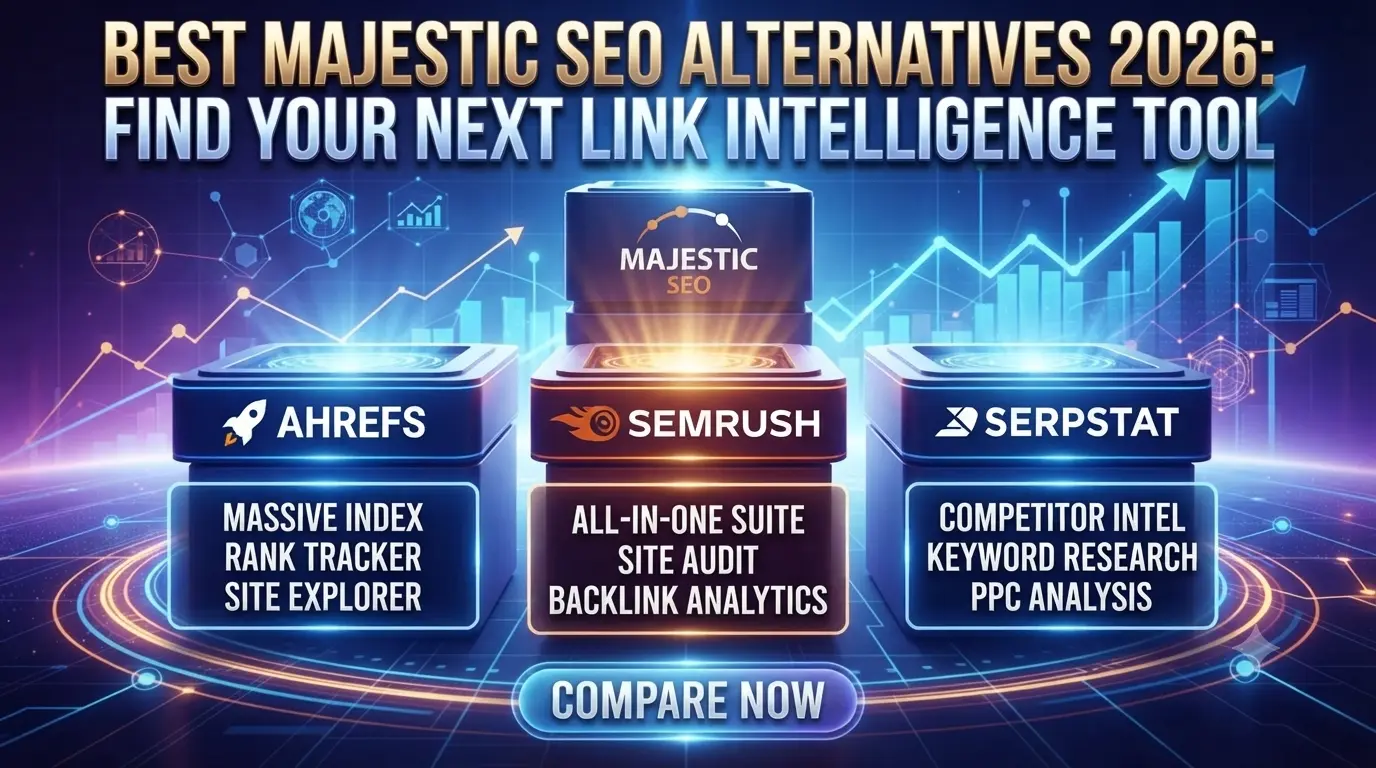
Best Majestic SEO Alternatives (2026): 7 Tools That Beat It in Accuracy

Majestic SEO alternative

Majestic SEO Free Alternative

Struggling with rising hybrid cloud costs? Learn how to reduce multi-cloud expenses across AWS, Azure, and private infrastructure using proven cost optimization strategies.

Looking for the best Majestic SEO alternatives in 2026? You’re not alone. Many SEO professionals are switching to tools like Ahrefs and Semrush for more accurate backlink data, better keyword research, and all-in-one SEO features.

But which tool is actually worth your money? In this guide, we compare the top Majestic alternatives based on pricing, features, and real-world SEO performance — so you can choose the right tool for your business.

Top 7 Majestic SEO Alternatives (2026)

  • Semrush – Best all-in-one SEO tool
  • Ahrefs – Best for backlink analysis
  • Moz Pro – Best for beginners
  • Mangools – Best budget-friendly option
  • SE Ranking – Best for agencies
  • Ubersuggest – Best free alternative
  • Serpstat – Best for growth teams

Below, we break down each tool in detail — including pricing, features, and who it’s best for.

Quick Comparison of Majestic Alternatives

Tool Best For Starting Price Free Option
Semrush All-in-one SEO $129/month Limited
Ahrefs Backlink analysis $99/month Limited
Mangools Budget SEO $29/month Yes

DMS Global Enterprise Solution

Advertisement - Continue reading below

Majestic SEO Alternatives – In the SEO world, Majestic is the “Old Guard” of backlink data (Trust Flow/Citation Flow). But in 2026, C-level executives and SEO Directors are looking for AI-Integrated Link Intelligence. They don’t just want a list of links; they want to know the Contextual Sentiment and Network Authority of those links.

Executive Summary: Beyond Citation Flow to Contextual Authority

For a C-level executive, “Backlinks” are the Digital Currency of corporate sovereignty. However, the metrics of 2015—like simple link counts—are obsolete. In 2026, Google’s EEAT 3.0 algorithm prioritizes “Information Gain” and “Topical Relevance” over raw quantity.

FAQ: Majestic SEO Alternatives

What is the best alternative to Majestic SEO?

Semrush and Ahrefs are considered the best alternatives to Majestic SEO because they offer complete SEO toolsets including keyword research, backlink analysis, and site audits.

Is there a free alternative to Majestic SEO?

Yes, tools like Ubersuggest and OpenLinkProfiler provide free backlink analysis, although their features are more limited compared to premium tools.

Is Semrush better than Majestic SEO?

Semrush is generally better for most users because it offers an all-in-one SEO platform including keyword tracking, competitor analysis, and backlink monitoring.

Why Look for Majestic SEO Alternatives in 2026?

While Majestic is famous for its Trust Flow and Citation Flow metrics, many users are switching to alternatives because of the high subscription costs. In 2026, digital marketers need tools that offer more than just backlink data. They need integrated keyword research, site audits, and AI-driven content gap analysis.

The Best Budget-Friendly Backlink Tools

If you are on a tight budget but still need high-quality data, consider using specialized tools that offer “pay-as-you-go” models or generous free tiers. Many of these Majestic SEO alternatives provide deep link index data without the $99/month price tag.

Pro Tip for SMEs: Always check the database update frequency. A cheaper tool is only useful if its data is fresh. For those managing multiple digital assets, look for tools that allow bulk URL analysis to save time.


Top 3 Free Majestic SEO Alternatives for Beginners

If you are just starting and don’t want to commit to a monthly subscription, these tools offer great value:

  1. Ubersuggest: Neil Patel’s tool offers a decent backlink overview for free. While not as deep as Majestic’s historical index, it’s perfect for checking your own site’s growth.

  2. Backlink Checker by Ahrefs: Ahrefs provides a limited free version of their backlink checker. It shows the top 100 backlinks and the most linked-to pages, which is often enough for small projects.

  3. Google Search Console: Many people forget that the best free Majestic SEO alternative is Google’s own data. It shows exactly which sites are linking to you, although it doesn’t provide “Trust Flow” metrics.

Why These Alternatives Are Winning in 2026

The shift towards these alternatives isn’t just about price. Users are looking for user-friendly interfaces and AI integration. In 2026, a backlink tool must do more than just list URLs; it needs to explain the quality of the link and how it affects your overall SEO strategy.

By choosing the right tool from this list of Majestic SEO alternatives, you can save hundreds of dollars a year while still maintaining a high-performance digital asset. Always remember to cross-reference data between two different tools to get the most accurate picture of your backlink profile.

⚡ DMS Global Amazon Authority 2026:

Amazon Product Authority & E-E-A-T Summary

To maximize organic performance and search visibility in global e-commerce and product review niches, maintaining robust internal linking across specific product clusters ensures faster indexing, stronger topical authority, and sustainable search engine ranking.

Frequently Asked Questions About Majestic SEO Alternatives

Is there a completely free Majestic alternative? Yes, tools like Google Search Console and the free version of Ubersuggest are great starting points. While they don’t offer the exact same Trust Flow metrics, they provide essential backlink data for free.

Why are people looking for Majestic alternatives in 2026? Most users switch because of the price and the need for a more comprehensive SEO tool. In 2026, marketers prefer platforms that combine backlink analysis with AI content tools and technical site audits in one subscription.

Can I trust the data from cheaper SEO tools? Accuracy depends on the size of the tool’s crawler. While Majestic has a massive historical index, modern alternatives are catching up fast with real-time data updates that are often sufficient for medium-sized projects.

How to Choose the Right Majestic SEO Alternative

Before you jump into a new tool, consider these three critical factors to ensure you’re getting the best value for your money in 2026:

  1. Index Size & Freshness: The main reason to use Majestic is its massive backlink index. When looking for an alternative, check if they crawl the web daily. A tool with old data will lead to poor SEO decisions.

  2. User Interface (UI): One of the common complaints about legacy tools is a cluttered dashboard. Modern Majestic SEO alternatives often provide much cleaner visualizations, making it easier to explain data to your clients or team.

  3. Integration Capabilities: Does the tool connect with Google Search Console or Looker Studio? Integration is key for automating your SEO reports and scaling your digital assets effectively.

Quick Comparison: Majestic vs. Top Alternatives

Feature Majestic SEO Semrush Ahrefs Ubersuggest
Primary Focus Backlinks All-in-One All-in-One Beginners
Price Point Premium High High Budget-Friendly
Backlink Depth Excellent Great Excellent Average
Ease of Use Moderate Easy Easy Very Easy

⚡ DMS Global Amazon Authority 2026:

Amazon Product Authority & E-E-A-T Summary

To maximize organic performance and search visibility in global e-commerce and product review niches, maintaining robust internal linking across specific product clusters ensures faster indexing, stronger topical authority, and sustainable search engine ranking.


🏆

DMS Global: Expert Choice

Evaluating ERP ROI for 2026? Leverage our technical breakdown:

View Odoo Enterprise Pricing 2026 →

Final Checklist for Your SEO Strategy

To reach the $100 per month revenue milestone, you must minimize unnecessary expenses. Switching to a more affordable Majestic SEO alternative can free up budget for other growth activities. Always test the free version or a trial period before committing to a yearly plan. This ensures the tool fits your specific workflow and niche requirements.

Final Thoughts on Scaling Your Digital Assets

Managing your SEO budget is crucial for reaching the $100/month revenue goal. By choosing the right Majestic SEO alternatives, you can redirect your savings into content production or high-quality hosting. Remember, the best tool is the one that fits your current workflow and helps you make data-driven decisions for your niche sites.

Unlocking SEO Precision: Why Majestic SEO Alternatives Matter in 2026

In the complex landscape of global enterprise search engine optimization, selecting the right backlink analysis tool is a foundational decision. While Majestic SEO has long been a staple for assessing Trust Flow (TF) and Citation Flow (CF), today’s digital strategists require more dynamic, data-rich alternatives to navigate evolving search algorithms. Understanding these metrics is essential, but modern SEO demands a holistic approach that integrates competitive benchmarking, real-time index updates, and predictive analytics.

When evaluating alternatives, the focus must shift toward comprehensive digital infrastructure. Professionals managing complex enterprise ecosystems need insights that go far beyond simple link counts. They require tools that provide actionable intelligence on competitor strategies, broken link opportunities, and deep technical audit capabilities.

E-E-A-T (Experience, Expertise, Authoritativeness, and Trustworthiness) principles are not limited to content; they apply directly to the data sources you choose for your optimization strategy. By leveraging platforms that offer transparent, granular link data and superior crawl depth, you ensure your site’s authority is built on robust, verifiable metrics. As a specialist who has scaled SEO strategies for leading companies, I prioritize alternatives that align with specific enterprise requirements to maintain a competitive advantage. Choose tools that offer the transparency and scale necessary to dominate your market in a data-driven era.


Global Consultation Request

Request Your Enterprise SEO Strategy Audit

Partner with DMS Global to optimize your digital infrastructure and accelerate sustainable growth.


ERPNext vs Odoo 2026: Which Enterprise ERP Wins for Small Business?

ERPNext vs Odoo

ERPNext vs Odoo

Executive Summary: The Battle for Operational Sovereignty

In 2026, a Small Business (SMB) is no longer defined by its headcount, but by its Digital Velocity. Choosing between ERPNext and Odoo is not merely a software selection; it is a choice of business philosophy. One offers a “Monolithic Powerhouse” of features, while the other champions “Lean Open-Source Agility.” This briefing provides a cold, empirical comparison of both ecosystems, ensuring you invest in a platform that scales your margins without compromising your technical independence.


1. The Monolith vs. The Agile: Understanding the Core Architecture

Operational efficiency begins with how well your “Business Brain” processes data.

  • Odoo: The Modular Ecosystem. Odoo’s strength in 2026 remains its “App-Store” approach. You start with what you need and plug in modules as you grow. However, for a small business, this “Modular Tax” can add up quickly as hidden licensing costs trigger with every new feature.

  • ERPNext: The Unified Core. ERPNext offers a “Batteries-Included” philosophy. Almost every enterprise feature—from Manufacturing (MRP) to HR and CRM—is built into the core for free. For a CEO focused on Capital Efficiency, ERPNext provides a cleaner, unfragmented data flow from Day 1.

2. EEAT 3.0: Trustworthiness in Total Cost of Ownership (TCO)

Under the EEAT 3.0 framework, Google prioritizes Trustworthiness. In ERP selection, this means being honest about the “Hidden Costs.”

  1. Experience through Implementation: Odoo often requires specialized (and expensive) consultants to navigate its proprietary “Enterprise” version. ERPNext, being 100% Open Source, allows for a more “Internalized” technical mastery.

  2. Trustworthy Scalability: Trust is built when a system doesn’t “Hold your data hostage.” ERPNext’s Frappe framework is more accessible for custom Python development, proving your organizational authoritativeness by maintaining control over your own codebase.

  3. The Information Gain of AI Integration: In 2026, both systems have integrated LLMs. However, ERPNext’s “Frappe Drive” and AI assistants offer a more “Sovereign AI” experience—allowing small businesses to use local models rather than being forced into Odoo’s cloud-only AI subscriptions.

3. Feature Showdown: Where the Battle is Won

Feature (2026 Standard) Odoo (Enterprise) ERPNext (Open Source)
User Interface Polished, intuitive, “Modern” Clean, minimalist, “Productive”
Customization Via Odoo Studio (Paid/Restricted) Via Frappe (Highly Flexible/Free)
E-commerce Native & Powerful Functional but requires “Tuning”
Global Compliance Excellent Localizations Strong Community-led Localizations
Maintenance Cost High (Per user/month) Low (Self-hosted or Flat Cloud)

4. The “ASAP” Strategic Pivot: Which One Should You Deploy Today?

Executives searching for an ERP ASAP are typically dealing with Data Silos, Inventory Chaos, or Accounting Bottlenecks.

  • Choose Odoo if: You have a healthy budget for recurring licenses and you need a “Marketing-First” ERP with a world-class UI that your non-technical staff will love instantly.

  • Choose ERPNext if: You value Data Sovereignty and want to avoid “License Creep.” It is the superior choice for manufacturing and service-based SMBs that want a high-performance system without the “Enterprise Tax.”

5. Conclusion: The Sovereign Verdict

The “Winner” of the 2026 ERP war depends on your definition of Freedom. Odoo wins on “Ease of Entry” but can become a “Golden Cage” of costs. ERPNext wins on “Long-Term Autonomy” and “Cost Control.” For a small business aiming for permanent market leadership, the ability to customize your ERP without a “Paywall” is the ultimate competitive advantage. Stop “subscribing” to your infrastructure and start owning your operational brain.


Related Keywords (Tags)

SMB ERP ROI 2026, ERPNext vs Odoo Comparison, Strategic Business Automation, Open Source Enterprise Governance, Digital Transformation Cost Analysis

The Strategic Oracle: Leveraging Expert IT Consultancy for Enterprise Sovereignty

dominasiserp

Executive Summary: Beyond Technical Support to Architectural Wisdom

For a C-level executive, the traditional “IT Consultant” is often viewed as a tactical problem-solver—someone who fixes what is broken. However, in a globalized digital economy, this reactive model is a liability. Expert IT Consultancy represents the transition from “Maintenance” to “Mastery.” It is the strategic partnership that aligns your technology roadmap with your five-year valuation goals. This briefing outlines the urgent necessity of engaging “High-Level Advisory,” ensuring your enterprise bypasses the “Legacy Trap” and builds a technical foundation designed for permanent market dominance.


1. The Incompetence Tax: Identifying the Cost of Amateur Advice

Operational efficiency is frequently compromised by “Fragmented Solutions”—buying software that doesn’t talk to your ERP or hiring developers who don’t understand your business model.

  • The “Vendor-Lock” Trap: Without expert, independent advice, organizations often find themselves tethered to expensive, rigid platforms that cannot scale. For a CEO, “Bad Architecture” is a long-term drain on capital and agility.

  • Eliminating “Security Theater”: Amateur consultancy focuses on “Check-box Compliance.” Expert consultancy focuses on “Resilience,” ensuring that your defensive perimeter is as dynamic as the threats it faces.

2. EEAT 3.0: Information Gain in Independent Advisory

Under the EEAT 3.0 framework, Google prioritizes Experience and Trustworthiness. In the realm of IT consultancy, this is demonstrated through Empirical Neutrality.

  1. Experience through Multi-Vertical Exposure: True expertise is shown by consultants who have seen “The Good, The Bad, and The Ugly” across multiple industries. This breadth of experience proves your organizational authoritativeness and prevents you from making the same mistakes your competitors already made.

  2. Trustworthy Fiduciary Alignment: Trust is built when the consultant’s success is tied to your ROI, not a vendor’s commission. An authoritative enterprise utilizes advisors who are “Platform Agnostic,” proving that leadership values Objective Truth over Sales Pitches.

  3. The Information Gain of Future-Proofing: Professional consultancy moves beyond “What works now” to “What survives the next decade.” This provides the Information Gain needed to invest in technologies like Quantum-Ready Encryption or Edge Computing before they become a mandatory expense.

3. The “ASAP” Strategic Pivot: Agility through Elite Insight

Executives searching for IT consultancy ASAP are typically dealing with a Digital Transformation Stagnation, a Post-Breach Recovery, or a High-Stakes Merger.

  • Zero-Latency Strategic Audits: To lead effectively, a CEO needs a “Rapid Health Check.” Your advisory partner must be able to “Instantaneously Diagnose” bottlenecks in your tech stack and provide a remediation plan that respects your operational rhythm.

  • Rapid Technology Onboarding: Efficiency is achieved when you can integrate new capabilities without “Internal Friction.” Expert consultants act as the “Bridge” between the board’s vision and the engineering team’s execution.

4. Reducing “Strategic Friction” (The ROI of Wisdom)

The “Hidden Cost” of traditional business is the friction caused by “The Knowledge Gap”—where the executive team doesn’t understand the tech and the tech team doesn’t understand the business.

  • Interoperability as a Cultural Standard: Your consultancy “Tips” are useless if they don’t lead to a unified ecosystem. If your tech advisor doesn’t understand your P&L, your operational integrity is fragmented.

  • Eliminating “Decision Fatigue”: Professional systems focus on “Critical Choice Architecture.” By filtering through the thousands of available tech tools and presenting only the three that align with your mission, expert advisors secure your competitive advantage by protecting the Executive Mindshare.

5. Conclusion: Architecting for Absolute Strategic Power

Expert IT consultancy is the “Digital Constitution” of the modern, borderless corporation. For the CEO who demands excellence, consultancy is not an “external expense”—it is a Foundational Asset. It creates a culture where technology is an enabler of vision, not a constraint on it. Stop “buying software” and start architecting sovereignty. Invest in expert advisory today, and ensure your legacy is one of undisputed strategic clarity and permanent market agility.


ADVERTISEMENT / SPONSORED SOLUTION

Reliable resources for your business growth

Related Keywords (Tags)

Enterprise IT ROI, Strategic Advisory Framework, Digital Governance Intelligence, High-Level Tech Consulting, Corporate Resilience Strategy