Gold Price Forecast 2027: Expert Analysis and Market Trends

Gold Price Forecast 2027

Gold price forecast 2027 is currently a top priority for global investors seeking clarity in an uncertain economic climate. As we analyze the market, this gold price forecast 2027 reveals how central bank policies and inflationary pressures are set to influence precious metal valuations over the coming months. Understanding these trends is essential for anyone looking to optimize their portfolio strategy as we move toward 2027.

As we approach the latter half of 2026, the financial landscape is shifting beneath our feet. For investors globally, one question dominates the conversation in boardrooms and trading pits alike: What will happen to the price of gold in 2027? As we navigate a period of geopolitical realignment and evolving monetary policies, gold remains the ultimate barometer of market sentiment. This analysis breaks down the fundamental drivers and expert forecasts shaping the gold outlook for 2027.

The Macroeconomic Drivers of Gold Performance

The trajectory of gold prices is rarely a matter of chance; it is a mathematical reflection of macroeconomic health. To forecast 2027, we must evaluate three primary pillars: central bank behavior, inflation persistence, and global interest rate cycles.

1. Central Bank Accumulation

Since 2023, central banks in emerging markets have been buying gold at an unprecedented pace. This is not merely a hedge; it is a strategic move toward dedolarization. When the world’s largest monetary authorities prioritize physical gold over sovereign debt, they create a permanent price floor for the metal. Data from the World Gold Council suggests this trend will continue well into 2027, providing structural support that keeps the price elevated regardless of short-term volatility.

2. The Inflation Hedge Re-examined

While inflation rates in major economies have seen moderation compared to the 2022-2023 peak, the “sticky” nature of service-sector inflation remains a concern. Gold performs best when real interest rates—nominal interest rates minus inflation—are low or negative. If the economic environment in 2027 is characterized by moderate growth but lingering inflation, gold will likely outperform traditional bonds as a store of value.

3. Geopolitical Risk and “Safe Haven” Demand

The ongoing fragmentation of global trade blocs has fundamentally altered the investment landscape. In times of localized conflict or trade protectionism, the liquidity of gold—its ability to be traded anywhere in the world without counterparty risk—becomes its most valuable feature. As institutional investors move toward a “gold-plus-cash” model, the demand for bullion is projected to rise steadily through the first half of 2027.

poor mans gold

Why Silver is Considered the ‘Poor Man’s Gold’ and Why That’s Changing

Expert Consensus: What to Expect in 2027

Market analysts are divided into two main camps regarding 2027. The first group, the “Structural Bulls,” argue that the structural shift in supply-chain security will drive gold toward new all-time highs. They point to the declining output of major mining operations as a constraint that will limit supply while demand continues to scale.

The second group, the “Normalization Advocates,” suggest that once the global credit cycle stabilizes and equity markets find a new equilibrium, gold may see a period of consolidation. However, even these analysts rarely predict a “crash.” Instead, they foresee a “higher-for-longer” plateau, where gold prices remain elevated, reinforcing their status as a necessary hedge in any diversified portfolio.

Strategic Asset Allocation: Gold vs. Alternatives

For the savvy investor, 2027 is not just about betting on gold; it is about proper asset allocation. How does gold compare to other assets in the current cycle?

  • Gold vs. Equities: Equities have historically provided better growth during periods of economic expansion. However, when market volatility rises (measured by the VIX), gold consistently exhibits a low correlation to stocks, acting as the stabilizer that prevents catastrophic portfolio drawdowns.

  • Gold vs. Cryptocurrencies: While digital assets often share the “alternative store of value” narrative, gold provides physical finality. In 2027, professional portfolios will likely continue to split allocations between digital assets for growth and gold for preservation.

Navigating the Market in 2027: Practical Steps

  1. Prioritize Liquidity: Ensure your gold holdings are in highly liquid forms, such as bullion coins or widely traded ETFs. Avoid complex derivative structures unless you have professional hedging expertise.

  2. Dollar Cost Averaging (DCA): Timing the market is notoriously difficult. Instead of a lump-sum purchase, use a DCA strategy to accumulate positions consistently, smoothing out the impact of short-term price swings.

  3. Monitor Central Bank Flows: Keep a close eye on the monthly reports from major central banks. Their buying patterns are the “smart money” indicators for the gold market.

Conclusion

The forecast for 2027 is one of cautious optimism. While no asset is immune to market cycles, gold’s unique position as a non-sovereign, liquid asset makes it indispensable for the years ahead. Whether you are a long-term institutional investor or an individual securing your retirement account, the trend is clear: gold is moving from a “peripheral hedge” back to a “core asset” in the global financial system.
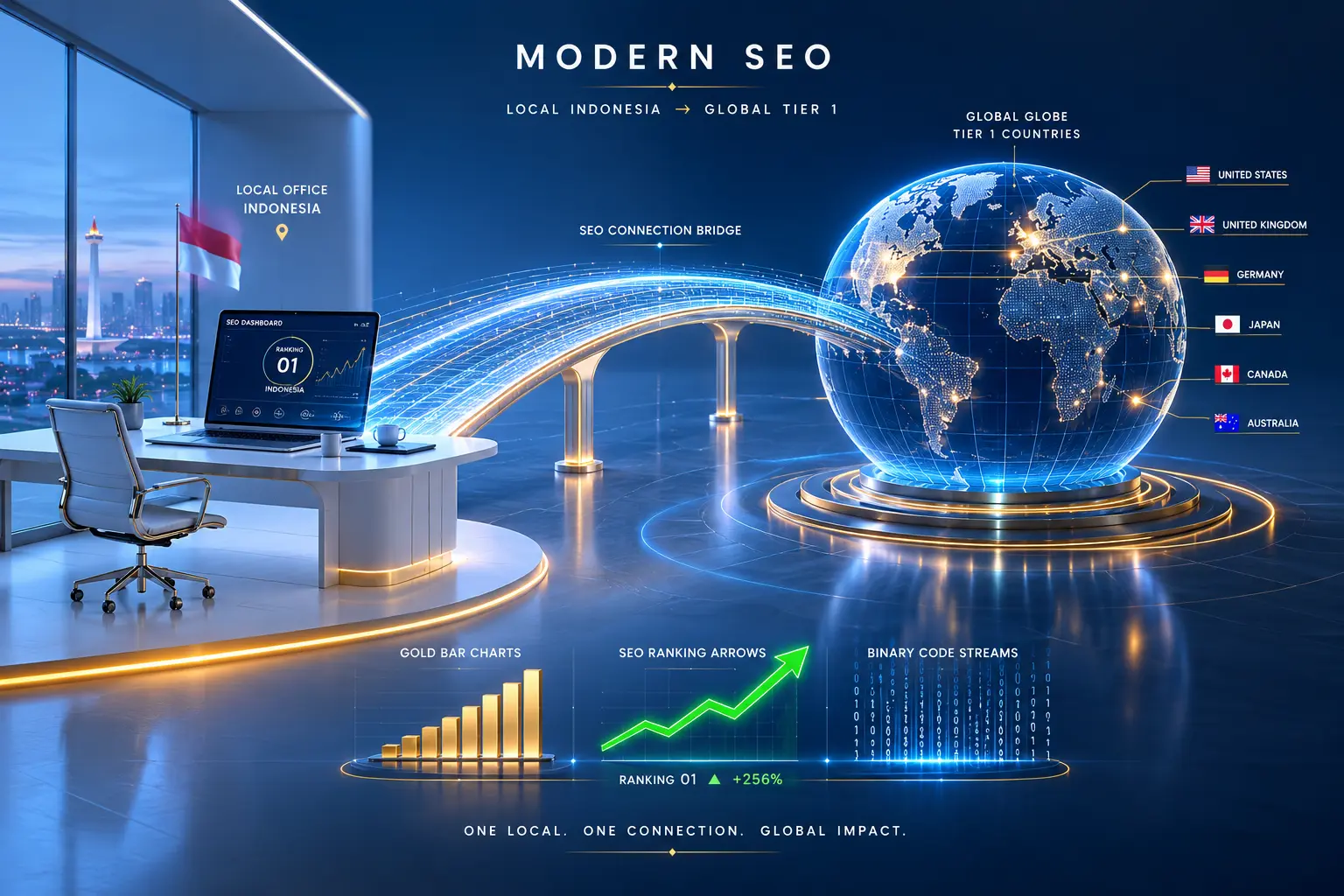
Modern SEO

SEO Modern

SEO Modern: The DMS Global Framework for 2026 and Beyond

In 2026, the search engine landscape has fundamentally shifted. For many in the digital marketing industry, the old playbook—relying on massive budgets for backlinks or aggressive keyword stuffing—no longer applies. Today, the true measure of SEO success lies in structural efficiency, algorithmic literacy, and the ability to leverage global economic advantages through digital assets.

The End of the “Backlink-First” Era

For years, the industry was obsessed with buying links. However, modern SEO favors entities that demonstrate authority, relevance, and data-driven consistency. Instead of purchasing expensive, risky backlinks, we focus on building a robust site architecture using WordPress as the core engine. By transitioning from messy, tag-based structures to clean, category-based taxonomies, sites achieve better crawlability and indexation.

DMS Global Enterprise Solution

Advertisement - Continue reading below

AI as Your Chief of Staff

We are no longer just writing for search engines; we are orchestrating content systems. AI tools are now essential “Chiefs of Staff” that assist in keyword research, structural planning, and data analysis. This isn’t about letting AI write low-quality content; it’s about using AI to extract actionable insights from data—turning raw information into a coherent content strategy.

Global Scaling & The Currency Advantage

The ultimate goal of modern SEO is not just ranking; it is achieving a “Currency Advantage”. By targeting Tier 1 markets while operating with the operational cost-efficiency of a “modal dengkul” (low-capital) startup, you create a powerful hedge against domestic economic volatility. Earning in USD while spending in IDR is the most effective way to secure long-term financial sovereignty.

The DMS Global Methodology

Success in 2026 demands a shift in mindset:

  • Process Over Tactics: Consistency is the only path to exponential growth.

  • Organic First: Avoid the dependency of paid advertising. Focus on building a sustainable organic traffic machine that doesn’t shut down when your ad budget runs out.

  • Data-Driven Decisions: Use Google Search Console (GSC) as your primary compass to find “gold” in your search queries.

  • Global Positioning: Even if you are operating from Indonesia, your content must be optimized for the global stage in English to reach the highest-value audiences.

Looking Toward 2030

🏆

DMS Global: Expert Choice

Evaluating ERP ROI for 2026? Leverage our technical breakdown:

View Odoo Enterprise Pricing 2026 →

The next four years will separate the digital “consumers” from the “owners”. To remain relevant until 2030, you must develop skills beyond traditional education: algorithmic literacy, data analysis, and financial intelligence.

Building a digital asset is not just about making money; it is about creating a “lifeboat” in an unpredictable global economy. Whether you are a small business owner or a digital marketer, the SEO Modern approach provides a scalable, low-cost framework to compete at the highest level.

The systems are ready. The methodology is proven. Now, the rest depends on your execution.

Stop Wasting Time: The Only 10 AI Tools You Need to Scale Your Digital Assets in 2026

best ai seo tools

By: Dudung Arief Rahmanto (Senior SEO Specialist)

In 2026, the question is no longer “which AI tool should I use?” but “which system actually scales my revenue?”. After managing thousands of ERP-related articles and programmatic SEO projects, I’ve learned one hard truth: most AI tools are just noise.

If you are still manually researching keywords or writing content from scratch, you are effectively paying a “laziness tax” to your competitors. This guide isn’t just a list—it’s the exact workflow I use at DMS Global to automate content production and maintain topical authority without burning out.

The 2026 “Co-Creation” Model: How We Work

True E-E-A-T isn’t just about what you write; it’s about the perspective you bring. AI handles the framework and data processing, but you are the conductor.

My workflow follows a three-step cycle: Monitor, Audit, Create. We use AI to detect volatility, audit content gaps in real-time, and deploy content that answers user intent better than any static page.

The 10 Essential Tools for Your 2026 Stack

I have filtered these based on three criteria: efficiency, integration capability, and ROI.

Tool  Recommended Tool Why It’s a Must-Have
Search Intelligence Perplexity AI Best for real-time data and finding verifiable sources for citations.
SEO Workflow Surfer SEO The gold standard for monitoring AI visibility and optimizing content structure.
Content Creation Claude 3.5/4 Unmatched nuance and “human-like” tone compared to standard models.
Competitor Audit SE Ranking Predictive keyword suggestions and automated traffic forecasting.
Automation Make.com Connects your SEO data to your content pipelines without manual input.
Visuals Ideogram 3.0 Professional, brand-aligned imagery that AI systems recognize easily.
Technical SEO Cursor AI-driven coding to fix schema and site architecture in minutes.
Brand Presence Profound Measures “Share of Voice” across AI search and conversational snippets.
Knowledge Mgmt Notion AI Centralizes your strategy, prompts, and content schedules.
Data Analytics Semrush AI Essential for competitor benchmarking and keyword clustering.

Building Your “Defensible” Authority

Why does this stack work for DMS Global? Because it integrates AI agents into the strategy.

The Hidden Costs of Not Using AI in 2026

Many SEOs are still hesitant to adopt a full AI stack, fearing it will “devalue” their work. However, in 2026, the cost of manual labor is a competitive disadvantage. Consider these three areas where you are losing money:

  • Research Latency: Manual keyword research takes hours. AI tools can crawl SERPs and analyze intent in seconds.
  • Content Stagnation: Search engines now prioritize “freshness.” AI helps you update and refresh your content clusters daily, not monthly.
  • Technical Debt: Fixing site architecture issues used to require a developer. With AI-assisted coding tools, you can resolve technical SEO errors in minutes.

My Proven AI Workflow: From Zero to Authority

People often ask me how I manage to produce high-quality ERP comparisons while maintaining an SEO blog. The secret is the “DMS Global Workflow”:

  1. Data Extraction: Use Perplexity to gather raw data on competitors.
  2. Contextual Writing: Feed that data into Claude 3.5. Tell it: “Write like an expert who has 10 years of experience in ERP implementation.”
  3. Quality Assurance: Manually inject your own “lived experience.” Add specific anecdotes from your projects in Jakarta or global implementations. This is what Google’s E-E-A-T loves.
  4. Distribution: Use AI to repurpose the article into LinkedIn updates, newsletter snippets, and short-form video scripts.

The Future: AI Agents and Beyond (2027-2030)

Looking ahead, we are moving from “tools” to “autonomous agents.” Imagine an agent that proactively detects your site’s traffic drop, analyzes the SERP, drafts a fix, and requests re-indexing while you sleep. This isn’t science fiction; it is the trajectory of the AI tools we are using today. By mastering these 10 tools now, you are future-proofing your career.

Final Thought: You are the Pilot

AI is not here to replace you; it is here to replace the “manual you.” By adopting these tools, you are buying back your time. Invest that time into high-level strategy, client relations, and building your brand. That is how you dominate the search landscape in 2026 and beyond.

  1. Optimize for Micro-Interfaces: Google’s Search Generative Experience (SGE) now pulls content into summary boxes. By using hierarchical headings and concise, data-backed summaries, we make it easy for AI to cite our work as the definitive source.

  2. Multimodal Optimization: We don’t just write text. We label images with contextual alt-text and provide chaptered transcripts for video content.

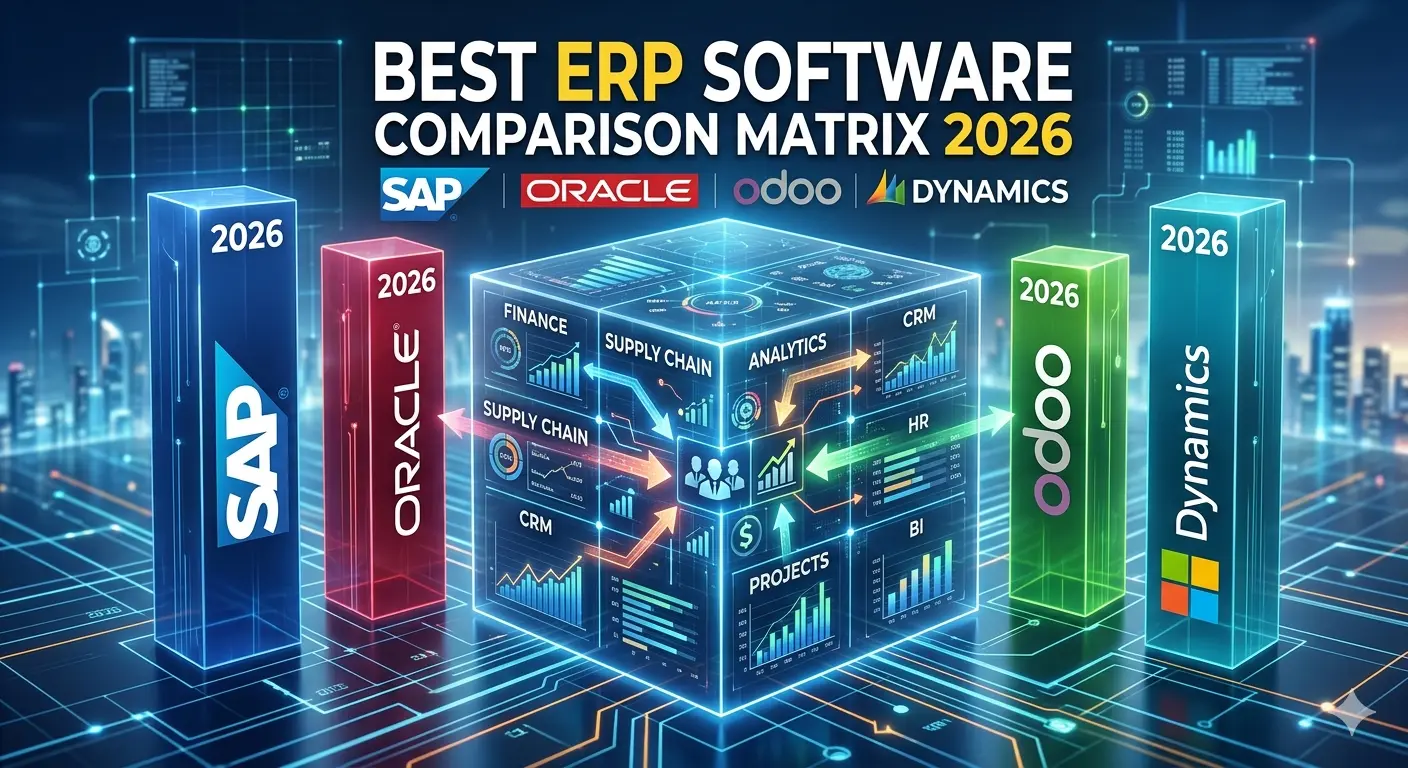
  3. The “Human Injector”: Every piece of content is reviewed for “lived experience.” If a tool suggests a fact, I cross-reference it with my own project data (e.g., our ERP comparison matrix) to ensure accuracy.

The Bottom Line: SEO as a System

Stop treating SEO as a series of manual tasks. Treat it as a scalable machine. The brands winning in 2026 are not the ones with the largest budgets, but the ones with the smartest systems.

By automating the “boring stuff” (keyword research, technical audits, reporting) with the tools above, you free yourself to do what AI cannot: build real relationships and provide unique, expert-led value.

Are you ready to automate your authority? Share your thoughts on our latest ERP comparison matrix below!

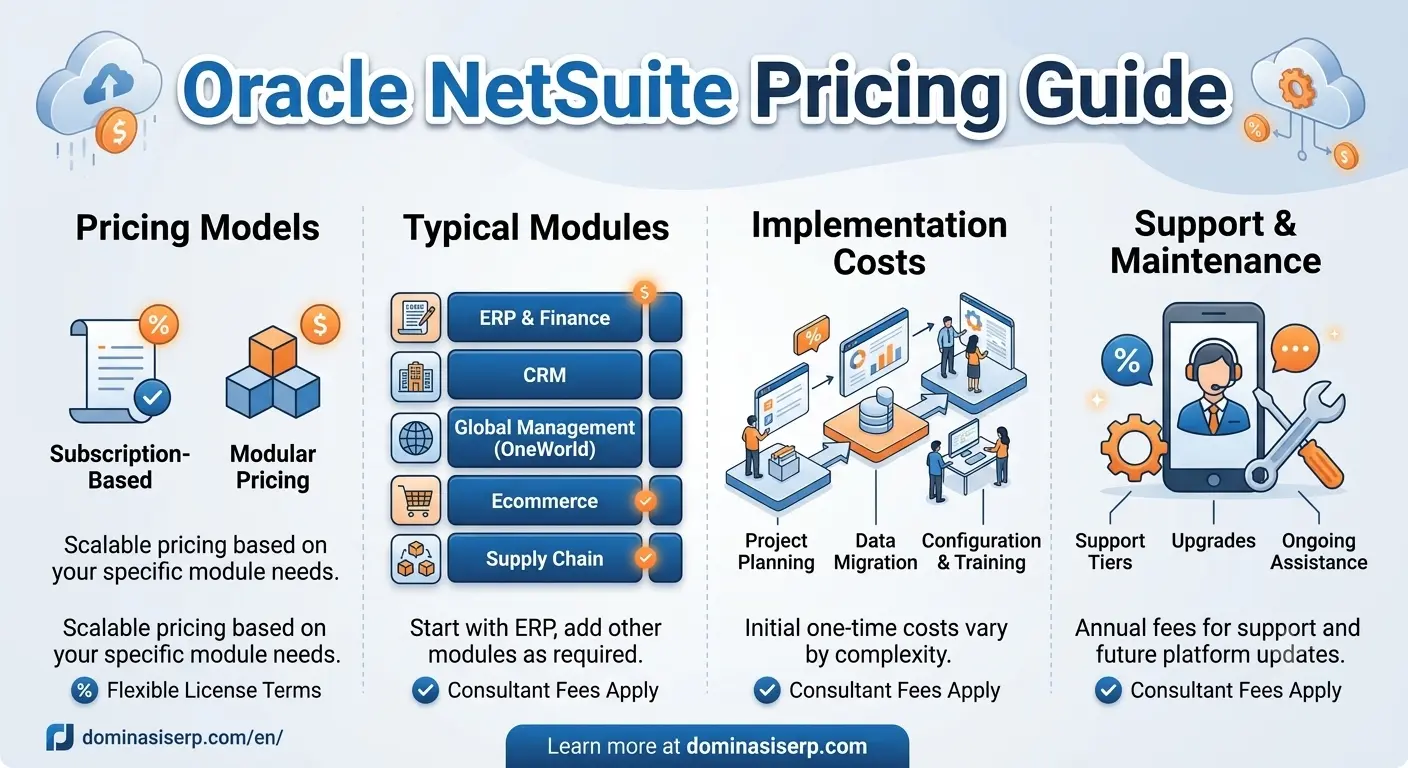
Oracle NetSuite Implementation Guide for 2026

Oracle NetSuite OneWorld

Navigating the complex Oracle NetSuite landscape in 2026 requires more than just installation—it demands strategic alignment.
Many firms experience stalled deployments due to poor data migration and misaligned configurations.

Feature NetSuite Traditional ERP
Deployment Cloud-Native On-Premise
Maintenance Low (SaaS) High (Manual)
Scalability High Limited

NetSuite leverages a unified multi-subsidiary management core that simplifies global financial reporting significantly compared to fragmented legacy systems. In 2026, the competitive advantage lies in real-time data visibility; NetSuite allows decision-makers to move from reactive reporting to predictive analytics without the need for complex manual reconciliation.
Focus on iterative module deployment, starting with financial core before expanding to CRM and inventory management. 1) Modular Phase-in, 2) Data Mapping, 3) Process Automation, 4) Real-time Dashboard Setup, 5) User Adoption Training
Secure your cloud future with NetSuite. Contact our expert team for a bespoke implementation audit today.”

FAQ
Q: Is NetSuite suitable for SMEs? A: While high-cost, it offers unparalleled scalability for high-growth SMEs aiming to build an enterprise-level data core.

Every ERP migration hides potential pitfalls that can silently erode your operational ROI if left unaddressed.

ERP Migration Strategy

Every ERP migration hides potential pitfalls that can silently erode your operational ROI if left unaddressed.
“Hidden costs” often emerge from custom code maintenance, unexpected data cleansing efforts, and prolonged training phases.

Factor Risk Outcome
Custom Code High Technical Debt
Maintenance Frequent Budget Drain
Data Quality Poor Migration Failure

The most significant ‘hidden’ factor is technical debt—customizations made during early stages that become impossible to upgrade later. A rigorous TCO analysis is essential to separate necessary operational costs from ‘vanity’ customizations that drain resources.
Perform a rigorous TCO analysis pre-migration. Invest heavily in change management to ensure organizational adoption. 1) TCO Benchmarking, 2) Technical Debt Audit, 3) Change Management Strategy, 4) ROI Tracking, 5) Long-term Maintenance Planning.
Don’t let migration costs spiral. Reach out for a comprehensive TCO risk assessment to protect your budget

FAQ
Q: How to reduce hidden ERP costs? A: Focus on native functionality first, reduce custom code, and invest in staff training to maximize existing features.

Scaling a startup requires an ERP that grows with you, not one that binds you to unnecessary complexity.

Scaling a startup requires an ERP that grows with you, not one that binds you to unnecessary complexity

Scaling a startup requires an ERP that grows with you, not one that binds you to unnecessary complexity.
Startups often hit a “scaling wall” when their manual tools fail to handle increased transaction volumes and complex workflows.

Feature Minimal Setup Full Scale
Apps Core (Acc + Sales) All Modules
Investment Low Scalable
Complexity Simple High

Odoo’s strength lies in its ability to start with minimal apps (e.g., Accounting + Sales) and expand seamlessly as revenue grows. In 2026, this flexibility is a massive advantage over ‘all-or-nothing’ legacy ERPs that require massive upfront investment.
egin with a lean Odoo stack. Avoid over-customization in the first year to maintain update compatibility. 1) Core App Setup, 2) Scalable Database Design, 3) API Integration Strategy, 4) User Feedback Loop, 5) Iterative Feature Expansion.
Ready to scale your startup? Implement Odoo for sustainable growth. Let’s discuss your expansion plan now.

FAQ
Q: How fast can I scale Odoo? A: Odoo is designed for velocity; you can add modules incrementally as your business processes evolve, making it ideal for startups

SAP vs Odoo: Which ERP Suits Your Enterprise Best?

SAP vs Odoo Which ERP Suits Your Enterprise Best

Choosing between SAP and Odoo for your enterprise is a pivotal decision that defines your operational future. In 2026, the ERP landscape is shifting toward agility and cloud-native integration, leaving many businesses caught between legacy power and modern flexibility. This analysis cuts through the noise to help you decide which platform truly aligns with your long-term growth trajectory.
Enterprises often struggle with “ERP bloat,” where high licensing costs and complex implementation timelines stifle innovation. Choosing the wrong system can lead to fragmented data, poor adoption rates, and significant budget overruns that jeopardize your competitive edge.

Feature SAP Odoo
Deployment On-Premise / Private Cloud SaaS / Flexible Cloud
Scalability Enterprise-Ready High-Growth Agile
Pricing Tiered Enterprise Modular App-Based

From a technical architectural standpoint, SAP relies on a monolithic, rock-solid framework that guarantees data integrity at the cost of speed. Conversely, Odoo’s modular approach allows developers to add only the functionality required, reducing the technical debt typically associated with traditional ERP deployments. In 2026, the real insight is this: don’t choose an ERP for what you need today; choose it for where your data architecture needs to be in 2030.
Successful implementation starts with a gap analysis that separates ‘must-have’ features from ‘nice-to-have’ add-ons. Prioritize user training in the first 90 days to ensure a smooth transition, regardless of whether you choose SAP’s structured environment or Odoo’s flexible ecosystem. 1) Discovery & Audit, 2) Data Cleansing, 3) Phased Rollout, 4) Change Management, 5) Continuous Optimization.
Selecting the right ERP is about balancing current constraints with future potential. If you need help evaluating your specific enterprise needs, reach out for our professional ERP alignment consultation today.

FAQ
Q: Can Odoo handle the complex compliance needs of a global enterprise? A: Yes, Odoo’s localization modules are designed to handle multi-currency, multi-tax, and regional reporting, but require professional configuration to match the stringent standards often handled ‘out-of-the-box’ by SAP

Odoo vs SAP Pricing in Singapore 2026: Comprehensive Implementation Guide

Selecting the optimal ERP solution in Singapore is a mission-critical decision for organizations navigating the complexities of the 2026 digital economy. In this comprehensive breakdown, we contrast the cost structures and operational capabilities of Odoo vs SAP, specifically tailored for the local market landscape in Singapore.

Feature Category Odoo SAP
Deployment Cloud & On-Premise Cloud-First (SaaS)
Target Market SME & Mid-Market Enterprise & Large Org
Local Support High Availability Global Network
Pricing Model Subscription-Based Tiered Licensing

In Singapore, the ERP landscape is evolving rapidly due to unique regional business requirements and regulatory demands. When analyzing Odoo vs SAP specifically for this market, organizations must prioritize not just licensing costs, but also local implementation support, data residency compliance, and integration with regional business workflows that are characteristic of Singapore’s enterprise environment in 2026.

As industry consultants, our perspective on Odoo vs SAP is that value transcends the initial license fee. For businesses in Singapore, long-term success hinges on robust local support structures and the ability of the chosen ERP to scale seamlessly with regional growth. We strongly recommend a pilot implementation phase to validate operational fit before committing to a full-scale deployment in 2026.

odoo pricing guide

Ready to optimize your ERP investment in Singapore?

Choosing between Odoo vs SAP is complex, but you don’t have to navigate it alone. Our team at DMS Global specializes in tailoring ERP strategies for the local market in Singapore. Contact us today for a strategic consultation to future-proof your business infrastructure for 2026 and beyond.

Microsoft Dynamics vs SAP Pricing in London 2026: A CFO’s Analysis

Microsoft Dynamics vs SAP Pricing in London 2026 A CFO’s Analysis

Selecting the optimal ERP solution in London is a mission-critical decision for organizations navigating the complexities of the 2026 digital economy. In this comprehensive breakdown, we contrast the cost structures and operational capabilities of Microsoft Dynamics vs SAP, specifically tailored for the local market landscape in London.

Feature Category Microsoft Dynamics SAP
Deployment Cloud & On-Premise Cloud-First (SaaS)
Target Market SME & Mid-Market Enterprise & Large Org
Local Support High Availability Global Network
Pricing Model Subscription-Based Tiered Licensing

In London, the ERP landscape is evolving rapidly due to unique regional business requirements and regulatory demands. When analyzing Microsoft Dynamics vs SAP specifically for this market, organizations must prioritize not just licensing costs, but also local implementation support, data residency compliance, and integration with regional business workflows that are characteristic of London’s enterprise environment in 2026.

As industry consultants, our perspective on Microsoft Dynamics vs SAP is that value transcends the initial license fee. For businesses in London, long-term success hinges on robust local support structures and the ability of the chosen ERP to scale seamlessly with regional growth. We strongly recommend a pilot implementation phase to validate operational fit before committing to a full-scale deployment in 2026.

Ready to optimize your ERP investment in London?

Choosing between Microsoft Dynamics vs SAP is complex, but you don’t have to navigate it alone. Our team at DMS Global specializes in tailoring ERP strategies for the local market in London. Contact us today for a strategic consultation to future-proof your business infrastructure for 2026 and beyond.

Oracle vs NetSuite Pricing in New York 2026: Total Cost of Ownership Review

Oracle vs NetSuite Pricing in New York
Oracle New York

Selecting the optimal ERP solution in New York is a mission-critical decision for organizations navigating the complexities of the 2026 digital economy. In this comprehensive breakdown, we contrast the cost structures and operational capabilities of Oracle vs NetSuite, specifically tailored for the local market landscape in New York.

Feature Category Oracle NetSuite
Deployment Cloud & On-Premise Cloud-First (SaaS)
Target Market SME & Mid-Market Enterprise & Large Org
Local Support High Availability Global Network
Pricing Model Subscription-Based Tiered Licensing

In New York, the ERP landscape is evolving rapidly due to unique regional business requirements and regulatory demands. When analyzing Oracle vs NetSuite specifically for this market, organizations must prioritize not just licensing costs, but also local implementation support, data residency compliance, and integration with regional business workflows that are characteristic of New York’s enterprise environment in 2026.

As industry consultants, our perspective on Oracle vs NetSuite is that value transcends the initial license fee. For businesses in New York, long-term success hinges on robust local support structures and the ability of the chosen ERP to scale seamlessly with regional growth. We strongly recommend a pilot implementation phase to validate operational fit before committing to a full-scale deployment in 2026.

Comprehensive Overview of Oracle Solutions for New York Enterprises

Operating a modern enterprise in New York requires robust digital infrastructure capable of handling high transaction volumes, strict regulatory compliance, and rapid market shifts. Organizations across Manhattan, Brooklyn, and surrounding boroughs increasingly rely on advanced enterprise resource planning systems to streamline operations. When evaluating Oracle New York implementations, business leaders must look beyond basic licensing fees and analyze the complete total cost of ownership, including cloud migration, custom module integration, employee training, and ongoing technical maintenance.

Key Cost Factors in New York Enterprise Deployments

Implementing an enterprise system in a high-cost metropolitan market like New York involves several unique financial variables:

  • Infrastructure Licensing: Deciding between localized on-premise hardware and scalable cloud infrastructure significantly impacts upfront capital expenditure and long-term operational budgets.

  • Customization and Integration: Complex corporate environments often require tailored API integrations with legacy financial software, CRM platforms, and supply chain management tools.

  • Consulting and Implementation Labor: Professional services rates for certified ERP consultants in the New York region tend to reflect local market demands, making efficient project scoping critical for budget control.

  • Support and Maintenance Services: Continuous system monitoring, security updates, and regular patches ensure high availability and protect sensitive corporate data against emerging cyber threats.

Strategic Advantages of Optimizing Your ERP Architecture

A well-optimized ERP deployment transforms raw data into actionable business intelligence. By consolidating financial reporting, inventory control, and customer relationship management into a single unified database, corporate leadership can make faster, data-driven decisions. Furthermore, modern cloud-native architectures eliminate traditional hardware bottlenecks, allowing New York businesses to scale their computing resources seamlessly as they expand into global markets.

Best Practices for Successful ERP Implementation in New York

Deploying a complex enterprise system requires meticulous planning, cross-functional collaboration, and strict adherence to project timelines. Organizations in competitive commercial hubs like New York often face unique operational pressures that demand structured deployment methodologies.

  • Define Clear Business Objectives: Before selecting a specific software architecture, stakeholders must map out core operational bottlenecks, reporting requirements, and long-term scalability targets to ensure the chosen platform aligns with corporate growth.

  • Invest in Comprehensive Staff Training: User adoption is frequently the biggest hurdle during system transitions. Providing targeted training programs for finance, supply chain, and administrative teams ensures seamless day-to-day operations post-launch.

  • Partner with Certified Local Experts: Collaborating with experienced consultants who understand regional compliance standards and industry-specific workflows can significantly reduce deployment risks and accelerate time-to-value.

  • Continuous Performance Monitoring: Post-implementation audits allow IT management to identify system inefficiencies, optimize database queries, and fine-tune automated workflows to maintain peak operational performance.

Future-Proofing Your Enterprise Infrastructure

As digital transformation accelerates across global markets, maintaining legacy systems can severely limit a company’s agility. Modern cloud solutions offer automated updates, enhanced data security protocols, and elastic resource allocation that adapts instantly to shifting business demands. By maintaining a forward-looking technology roadmap, enterprises can secure a distinct competitive advantage and sustain long-term profitability in an increasingly data-driven economy.

Maximizing ROI on Enterprise Software Investments

Achieving a high return on investment from an enterprise software deployment requires continuous evaluation of operational workflows and employee productivity metrics. Companies that establish clear key performance indicators early in the project lifecycle are better positioned to measure the tangible benefits of their digital transformation efforts.

  • Streamlined Financial Closing Cycles: Automating general ledger reconciliations and accounts payable workflows significantly reduces the time required to close monthly financial periods, allowing accounting teams to focus on strategic analysis rather than manual data entry.

  • Enhanced Supply Chain Visibility: Real-time tracking of inventory levels, shipment statuses, and vendor performance minimizes stockouts and reduces holding costs across regional distribution networks.

  • Data-Driven Decision Making: Integrated business intelligence dashboards consolidate data from multiple operational silos, empowering executives to identify emerging trends and allocate resources efficiently.

Navigating Regulatory and Compliance Standards

Operating within major metropolitan commercial hubs introduces complex regulatory compliance requirements across data privacy, financial reporting, and labor standards. Modern enterprise architectures incorporate robust security controls, automated audit trails, and role-based access permissions to ensure sensitive corporate data remains protected against unauthorized access. Maintaining strict compliance not only mitigates potential legal risks but also builds greater trust with enterprise clients, partners, and stakeholders.

Conclusion and Next Steps for Enterprise Growth

Selecting and deploying the ideal enterprise resource planning solution is a foundational step toward securing long-term operational excellence and market leadership. By carefully evaluating total cost ownership, leveraging certified consulting expertise, and maintaining a robust cloud infrastructure, organizations can successfully navigate modern technological challenges and position themselves for sustained profitability in the years ahead.

Ready to optimize your ERP investment in New York?

Choosing between Oracle vs NetSuite is complex, but you don’t have to navigate it alone. Our team at DMS Global specializes in tailoring ERP strategies for the local market in New York. Contact us today for a strategic consultation to future-proof your business infrastructure for 2026 and beyond.

Acumatica vs NetSuite Pricing in Toronto 2026: Mid-Market ERP Selection

Acumatica vs NetSuite Pricing

Selecting the optimal ERP solution in Toronto is a mission-critical decision for organizations navigating the complexities of the 2026 digital economy. In this comprehensive breakdown, we contrast the cost structures and operational capabilities of Acumatica vs NetSuite, specifically tailored for the local market landscape in Toronto.

Feature Category Acumatica NetSuite
Deployment Cloud & On-Premise Cloud-First (SaaS)
Target Market SME & Mid-Market Enterprise & Large Org
Local Support High Availability Global Network
Pricing Model Subscription-Based Tiered Licensing

In Toronto, the ERP landscape is evolving rapidly due to unique regional business requirements and regulatory demands. When analyzing Acumatica vs NetSuite specifically for this market, organizations must prioritize not just licensing costs, but also local implementation support, data residency compliance, and integration with regional business workflows that are characteristic of Toronto’s enterprise environment in 2026.

As industry consultants, our perspective on Acumatica vs NetSuite is that value transcends the initial license fee. For businesses in Toronto, long-term success hinges on robust local support structures and the ability of the chosen ERP to scale seamlessly with regional growth. We strongly recommend a pilot implementation phase to validate operational fit before committing to a full-scale deployment in 2026.

Ready to optimize your ERP investment in Toronto?

Choosing between Acumatica vs NetSuite is complex, but you don’t have to navigate it alone. Our team at DMS Global specializes in tailoring ERP strategies for the local market in Toronto. Contact us today for a strategic consultation to future-proof your business infrastructure for 2026 and beyond.

Infor vs Epicor Pricing in Tokyo 2026: Industrial ERP Comparison

Infor vs Epicor Pricing

Selecting the optimal ERP solution in Tokyo is a mission-critical decision for organizations navigating the complexities of the 2026 digital economy. In this comprehensive breakdown, we contrast the cost structures and operational capabilities of Infor vs Epicor, specifically tailored for the local market landscape in Tokyo.

Feature Category Infor Epicor
Deployment Cloud & On-Premise Cloud-First (SaaS)
Target Market SME & Mid-Market Enterprise & Large Org
Local Support High Availability Global Network
Pricing Model Subscription-Based Tiered Licensing

In Tokyo, the ERP landscape is evolving rapidly due to unique regional business requirements and regulatory demands. When analyzing Infor vs Epicor specifically for this market, organizations must prioritize not just licensing costs, but also local implementation support, data residency compliance, and integration with regional business workflows that are characteristic of Tokyo’s enterprise environment in 2026.

As industry consultants, our perspective on Infor vs Epicor is that value transcends the initial license fee. For businesses in Tokyo, long-term success hinges on robust local support structures and the ability of the chosen ERP to scale seamlessly with regional growth. We strongly recommend a pilot implementation phase to validate operational fit before committing to a full-scale deployment in 2026.

Ready to optimize your ERP investment in Tokyo?

Choosing between Infor vs Epicor is complex, but you don’t have to navigate it alone. Our team at DMS Global specializes in tailoring ERP strategies for the local market in Tokyo. Contact us today for a strategic consultation to future-proof your business infrastructure for 2026 and beyond.

Workday vs Oracle Pricing in Paris 2026: Modernizing Enterprise Operations

Workday vs Oracle Pricing in Paris

Selecting the optimal ERP solution in Paris is a mission-critical decision for organizations navigating the complexities of the 2026 digital economy. In this comprehensive breakdown, we contrast the cost structures and operational capabilities of Workday vs Oracle, specifically tailored for the local market landscape in Paris.

Feature Category Workday Oracle
Deployment Cloud & On-Premise Cloud-First (SaaS)
Target Market SME & Mid-Market Enterprise & Large Org
Local Support High Availability Global Network
Pricing Model Subscription-Based Tiered Licensing

In Paris, the ERP landscape is evolving rapidly due to unique regional business requirements and regulatory demands. When analyzing Workday vs Oracle specifically for this market, organizations must prioritize not just licensing costs, but also local implementation support, data residency compliance, and integration with regional business workflows that are characteristic of Paris’s enterprise environment in 2026.

As industry consultants, our perspective on Workday vs Oracle is that value transcends the initial license fee. For businesses in Paris, long-term success hinges on robust local support structures and the ability of the chosen ERP to scale seamlessly with regional growth. We strongly recommend a pilot implementation phase to validate operational fit before committing to a full-scale deployment in 2026.

Ready to optimize your ERP investment in Paris?

Choosing between Workday vs Oracle is complex, but you don’t have to navigate it alone. Our team at DMS Global specializes in tailoring ERP strategies for the local market in Paris. Contact us today for a strategic consultation to future-proof your business infrastructure for 2026 and beyond.

ERPNext vs Zoho Pricing in Dubai 2026: Scalable Solutions for Emerging Markets

ERPNext vs Zoho Pricing in Dubai

Selecting the optimal ERP solution in Dubai is a mission-critical decision for organizations navigating the complexities of the 2026 digital economy. In this comprehensive breakdown, we contrast the cost structures and operational capabilities of ERPNext vs Zoho, specifically tailored for the local market landscape in Dubai.

Feature Category ERPNext Zoho
Deployment Cloud & On-Premise Cloud-First (SaaS)
Target Market SME & Mid-Market Enterprise & Large Org
Local Support High Availability Global Network
Pricing Model Subscription-Based Tiered Licensing

In Dubai, the ERP landscape is evolving rapidly due to unique regional business requirements and regulatory demands. When analyzing ERPNext vs Zoho specifically for this market, organizations must prioritize not just licensing costs, but also local implementation support, data residency compliance, and integration with regional business workflows that are characteristic of Dubai’s enterprise environment in 2026.

As industry consultants, our perspective on ERPNext vs Zoho is that value transcends the initial license fee. For businesses in Dubai, long-term success hinges on robust local support structures and the ability of the chosen ERP to scale seamlessly with regional growth. We strongly recommend a pilot implementation phase to validate operational fit before committing to a full-scale deployment in 2026.

Ready to optimize your ERP investment in Dubai?

Choosing between ERPNext vs Zoho is complex, but you don’t have to navigate it alone. Our team at DMS Global specializes in tailoring ERP strategies for the local market in Dubai. Contact us today for a strategic consultation to future-proof your business infrastructure for 2026 and beyond.

Sage vs QuickBooks Pricing in Sydney 2026: Choosing the Right Accounting Core

Sage vs QuickBooks Pricing

Selecting the optimal ERP solution in Sydney is a mission-critical decision for organizations navigating the complexities of the 2026 digital economy. In this comprehensive breakdown, we contrast the cost structures and operational capabilities of Sage vs QuickBooks, specifically tailored for the local market landscape in Sydney.

Feature Category Sage QuickBooks
Deployment Cloud & On-Premise Cloud-First (SaaS)
Target Market SME & Mid-Market Enterprise & Large Org
Local Support High Availability Global Network
Pricing Model Subscription-Based Tiered Licensing

In Sydney, the ERP landscape is evolving rapidly due to unique regional business requirements and regulatory demands. When analyzing Sage vs QuickBooks specifically for this market, organizations must prioritize not just licensing costs, but also local implementation support, data residency compliance, and integration with regional business workflows that are characteristic of Sydney’s enterprise environment in 2026.

As industry consultants, our perspective on Sage vs QuickBooks is that value transcends the initial license fee. For businesses in Sydney, long-term success hinges on robust local support structures and the ability of the chosen ERP to scale seamlessly with regional growth. We strongly recommend a pilot implementation phase to validate operational fit before committing to a full-scale deployment in 2026.

Ready to optimize your ERP investment in Sydney?

Choosing between Sage vs QuickBooks is complex, but you don’t have to navigate it alone. Our team at DMS Global specializes in tailoring ERP strategies for the local market in Sydney. Contact us today for a strategic consultation to future-proof your business infrastructure for 2026 and beyond.

SYSPRO vs SAP Pricing in Jakarta 2026: Manufacturing ERP Strategy

SYSPRO vs SAP Pricing

Selecting the optimal ERP solution in Jakarta is a mission-critical decision for organizations navigating the complexities of the 2026 digital economy. In this comprehensive breakdown, we contrast the cost structures and operational capabilities of SYSPRO vs SAP, specifically tailored for the local market landscape in Jakarta.

Feature Category SYSPRO SAP
Deployment Cloud & On-Premise Cloud-First (SaaS)
Target Market SME & Mid-Market Enterprise & Large Org
Local Support High Availability Global Network
Pricing Model Subscription-Based Tiered Licensing

In Jakarta, the ERP landscape is evolving rapidly due to unique regional business requirements and regulatory demands. When analyzing SYSPRO vs SAP specifically for this market, organizations must prioritize not just licensing costs, but also local implementation support, data residency compliance, and integration with regional business workflows that are characteristic of Jakarta’s enterprise environment in 2026.

As industry consultants, our perspective on SYSPRO vs SAP is that value transcends the initial license fee. For businesses in Jakarta, long-term success hinges on robust local support structures and the ability of the chosen ERP to scale seamlessly with regional growth. We strongly recommend a pilot implementation phase to validate operational fit before committing to a full-scale deployment in 2026.

Ready to optimize your ERP investment in Jakarta?

Choosing between SYSPRO vs SAP is complex, but you don’t have to navigate it alone. Our team at DMS Global specializes in tailoring ERP strategies for the local market in Jakarta. Contact us today for a strategic consultation to future-proof your business infrastructure for 2026 and beyond.

FreshBooks vs Xero Pricing in Hong Kong 2026: Small Business ERP Breakdown

FreshBooks vs Xero Pricing

Selecting the optimal ERP solution in Hong Kong is a mission-critical decision for organizations navigating the complexities of the 2026 digital economy. In this comprehensive breakdown, we contrast the cost structures and operational capabilities of reshBooks vs Xero, specifically tailored for the local market landscape in Hong Kong.

Feature Category reshBooks Xero
Deployment Cloud & On-Premise Cloud-First (SaaS)
Target Market SME & Mid-Market Enterprise & Large Org
Local Support High Availability Global Network
Pricing Model Subscription-Based Tiered Licensing

In Hong Kong, the ERP landscape is evolving rapidly due to unique regional business requirements and regulatory demands. When analyzing reshBooks vs Xero specifically for this market, organizations must prioritize not just licensing costs, but also local implementation support, data residency compliance, and integration with regional business workflows that are characteristic of Hong Kong’s enterprise environment in 2026.

As industry consultants, our perspective on reshBooks vs Xero is that value transcends the initial license fee. For businesses in Hong Kong, long-term success hinges on robust local support structures and the ability of the chosen ERP to scale seamlessly with regional growth. We strongly recommend a pilot implementation phase to validate operational fit before committing to a full-scale deployment in 2026.

Ready to optimize your ERP investment in Hong Kong?

Choosing between reshBooks vs Xero is complex, but you don’t have to navigate it alone. Our team at DMS Global specializes in tailoring ERP strategies for the local market in Hong Kong. Contact us today for a strategic consultation to future-proof your business infrastructure for 2026 and beyond.

Berhenti Main Adsense Lokal Kalau Masih Mau Pakai Cara ‘Dengkul’ di 2026.

SEO Dengkul

Local vs Global: Why Your Adsense Earning Stagnant? (Mei 2026 Update)

Banyak yang bertanya kenapa traffic puluhan ribu di Indonesia hasilnya tidak sebanding dengan traffic ratusan di negara Tier 1. Jawabannya ada pada CPC (Cost-Per-Click) dan CPM (Cost-Per-Mille) [cite: 930de0.png].

Metrik (Mei 2026) Pasar Lokal (ID) Pasar Global (Tier 1)
Avg. CPC Rp300 – Rp2.500 $0.50 – $5.00+
Avg. CPM < Rp10.000 $2.00 – $10.00+
Difficulty Low – Medium High (Requires Authority)

Di 2026, kunci bermain global bukan lagi sekadar backlink masif, melainkan infrastruktur digital dan data structure yang solid agar kontenmu dianggap authority oleh Google [cite: 9224c6.png].

Ready to shift to Global Market?

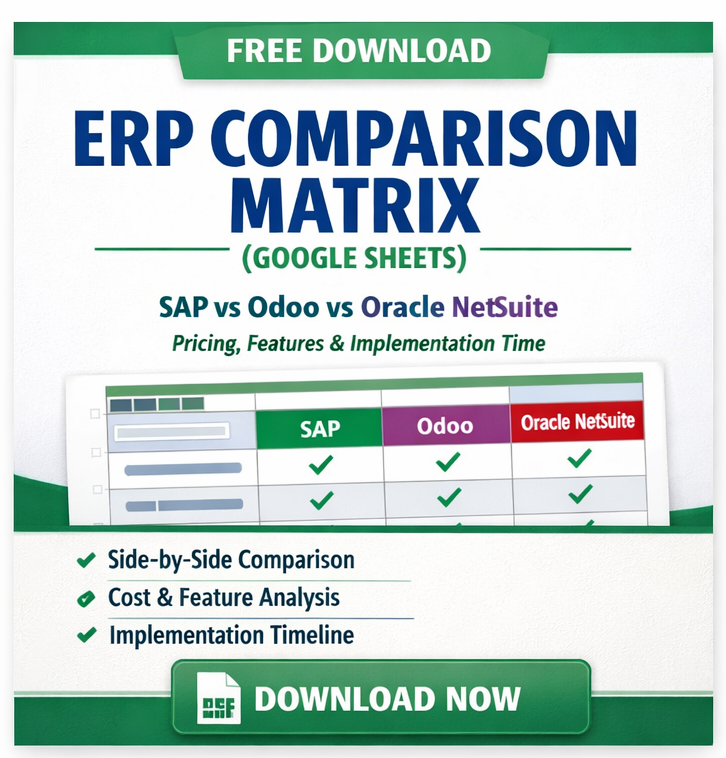
Saya baru saja mengupdate ERP Comparison Matrix yang saya gunakan untuk menembus pasar Tier 1. Kamu bisa pelajari polanya secara gratis melalui link di bawah ini.

erp comparison matric

At DMS Global, our infrastructure is precision-engineered for high-value B2B niches. We bypass low-intent traffic to dominate the ERP sector—targeting high-CPC keywords like SAP, Odoo, and Oracle NetSuite. We prioritize data accuracy and enterprise-grade authority over sheer volume, ensuring our digital assets attract decision-makers with real purchasing power. negara2 cpc mahal untuk adsense

📊 DMS Global Performance Metrics

Real-time Ranking Update: February 10, 2026

#1 TCO Strategy & ROI
#2 Global Tax Compliance
Top 10 ERP Comparison Guides

"Our data-driven approach has successfully pushed 5+ strategic enterprise keywords to Page 1 globally this week. We don't just optimize; we dominate international search landscapes."

Oracle NetSuite

Free download

[ Dapatkan Akses Matrix Global & Panduan SEO DMS ]


Punya pengalaman bermain di pasar Tier 1? Share di kolom komentar, kita bedah bareng!


update 28 july 2026


Bahasa Indonesia: Mengapa Negara Tier 1 Sangat Penting untuk AdSense?

Bagi seorang publisher AdSense, pemilihan target audiens adalah kunci keberhasilan finansial. Negara Tier 1—seperti Amerika Serikat, Inggris, Kanada, dan Australia—dianggap sebagai “kasta tertinggi” dalam dunia iklan digital. Mengapa? Karena daya beli penduduknya yang sangat tinggi.

Perusahaan di negara-negara ini berani mengeluarkan anggaran iklan (bid) yang jauh lebih besar. Akibatnya, Cost Per Click (CPC) yang diterima oleh publisher bisa berkali-kali lipat dibandingkan trafik dari negara berkembang. Ketika Anda mendapatkan klik dari pengunjung AS, pendapatan Anda akan tumbuh lebih cepat dengan jumlah trafik yang sama.

Strategi monetisasi yang efektif bukan hanya tentang mengejar jumlah pengunjung, melainkan tentang kualitas trafik. Fokus pada konten berbahasa Inggris yang menjawab masalah spesifik audiens di negara Tier 1 adalah langkah strategis untuk meningkatkan Revenue Per Mille (RPM). Dengan membidik audiens yang tepat, Anda tidak perlu jutaan trafik untuk mencapai target penghasilan bulanan Anda. Ingat, traffic is vanity, revenue is sanity.

English: Why Tier 1 Countries Are Essential for AdSense Success

For an AdSense publisher, targeting the right audience is the cornerstone of financial success. Tier 1 countries—such as the United States, the United Kingdom, Canada, and Australia—are considered the “gold standard” in digital advertising. This is primarily due to their exceptionally high consumer purchasing power.

Advertisers in these nations are willing to allocate significantly larger budgets for their ad campaigns. Consequently, the Cost Per Click (CPC) earned by publishers is often exponentially higher compared to traffic from emerging markets. When you receive a click from a visitor in a Tier 1 country, your revenue grows much faster with a fraction of the traffic volume required elsewhere.

An effective monetization strategy is not just about chasing visitor numbers; it is about traffic quality. Creating English-language content that addresses the specific pain points of Tier 1 audiences is a strategic move to boost your Revenue Per Mille (RPM). By targeting the right demographics, you do not need millions of pageviews to hit your monthly earnings target. Remember: traffic is vanity, revenue is sanity.

DMS Global Enterprise Solution

Advertisement - Continue reading below

💡 Strategic ERP Insights for Executives

Beyond understanding TCO, choosing the right platform is critical for long-term ROI. Explore our high-stakes comparisons:

*Optimized for high-ticket decision making and ROI analysis.

Navigating the Indonesian Enterprise Landscape: A Comprehensive Guide to SAP Partners

In the complex world of Enterprise Resource Planning (ERP), choosing the right implementation partner is as critical as selecting the software itself. For businesses operating in the fast-paced Indonesian market, SAP remains the gold standard for digital transformation. However, successful adoption depends entirely on the technical expertise and strategic alignment of your chosen implementation partner. This guide explores the ecosystem of SAP partners in Indonesia, designed to help enterprise leaders make informed, high-stakes decisions.

The Role of Certified Partners in SAP Implementation

SAP implementation is not merely a software installation; it is a fundamental shift in business operations. A certified partner acts as the bridge between raw technology and tangible business outcomes. Whether deploying S/4HANA or migrating to the cloud, partners provide the industry-specific knowledge required to navigate the nuances of the Indonesian regulatory environment.

Top-Tier SAP Partners in Indonesia

To ensure your digital infrastructure is built on a foundation of reliability, we have curated a list of key SAP partners currently operating in Indonesia. Please note that for the most current certification status and project-specific requirements, always verify details via the official SAP Partner Finder.

  • Equine Global: Recognized for deep expertise in SAP S/4HANA and strategic consulting, serving large-scale enterprises.

  • Integra Solusi Mandiri: Focused on high-performance ERP implementation, upgrades, and business process optimization.

  • Solman Manunggal Informatika: A trusted partner specializing in comprehensive SAP implementation and professional consulting services.

  • Agata Jonle Internasional: A key player in the data analytics space, providing expert services in SAP BW (Business Warehouse) and data-driven decision-making.

  • 3 Consulting Services: Known for specialized SAP module implementation and targeted corporate training to ensure user adoption.

Applying E-E-A-T to Your ERP Content Strategy

In the competitive landscape of digital marketing, simply listing partners is insufficient. To achieve authority, your content—whether on DMS Global or other platforms—must demonstrate Experience, Expertise, Authoritativeness, and Trustworthiness (E-E-A-T).

1. Demonstrating Experience (E)

Avoid generic product descriptions. Instead, focus on “lessons learned” from actual deployments. When writing about SAP partners, include insights derived from implementation timelines, overcoming integration challenges, and optimizing module functionality for specific Indonesian business sectors.

2. Establishing Expertise (E)

Your content must reflect a high level of professional mastery. This is achieved by:

  • Providing technical analyses of SAP functionalities.

  • Referencing specific ERP modules like FI/CO, MM, or SD in the context of real-world business scenarios.

  • Maintaining strict factual accuracy regarding SAP software capabilities.

3. Building Authoritativeness (A)

Authoritativeness is built when your platform becomes the definitive source for ERP information. By consistently publishing high-value guides, comparison matrices, and strategic roadmaps, DMS Global positions itself as a thought leader rather than just a content aggregator.

4. Ensuring Trustworthiness (T)

Trust is the foundation of B2B transactions. Ensure your articles are transparent, avoid “fluff” or misleading claims, and provide clear bylines linking to professional credentials. Every technical claim must be verifiable to maintain credibility with high-value B2B decision-makers.

The Future of SAP in Indonesia

As Indonesian enterprises move toward 2026 and beyond, the demand for sophisticated ERP solutions is surging. The goal for any digital marketing strategy in this niche is to facilitate connections between enterprises and the right experts. By focusing on the E-E-A-T framework, you ensure that your content not only ranks well but serves as a genuine asset for businesses seeking growth through digital transformation.

15+ Tool AI Terbaik 2026 yang Wajib Dikuasai Kreator Indonesia: Dari Edit Foto hingga Bikin Lagu!

Dunia digital di 2026 berubah sangat cepat. Sebagai praktisi SEO dan pengelola digital asset di Dominasi SERP, saya telah menguji banyak tools AI untuk mengefisiensikan alur kerja. Berikut adalah 15+ tools AI terbaik yang wajib dikuasai kreator Indonesia agar produktivitas melonjak 10x lipat.

Daftar 15+ Tool AI Terbaik 2026

Kategori Produktivitas & Riset

  1. ChatGPT (OpenAI): Standar utama untuk brainstorming ide konten dan riset strategis.
  2. Google Gemini: Sangat kuat untuk riset data real-time yang terintegrasi dengan ekosistem Google.
  3. Perplexity AI: Mesin pencari AI yang memberikan referensi sumber akurat, sangat krusial untuk menjaga kredibilitas konten.
  4. Claude (Anthropic): Unggul dalam penulisan kreatif yang lebih natural dan manusiawi.

Kategori Visual & Konten Kreatif

  1. Midjourney: Standar emas untuk menghasilkan karya visual fotorealistik berkualitas tinggi.
  2. Canva AI: Alat desain paling populer di Indonesia, kini makin canggih dengan fitur Magic Studio.
  3. Invideo AI: Mengubah naskah teks menjadi video siap tayang dalam hitungan menit.
  4. Runway Gen-2: Pionir dalam mengubah foto statis menjadi video bergerak yang sinematik.
  5. Luma Dream Machine: AI video generasi baru yang sangat presisi dalam menangkap detail gerakan.
  6. Picsart: *All-in-one* editor untuk manipulasi gambar cepat yang sangat ramah seluler.
  7. Remini: Andalan untuk restorasi foto lama menjadi HD dengan detail wajah yang tajam.

Kategori Audio & Hiburan

  1. Suno AI: Mengubah deskripsi teks menjadi lagu lengkap dengan vokal dan instrumen yang profesional.
  2. Udio: Pesaing terberat Suno dengan kualitas audio yang sangat jernih untuk kebutuhan musik komersial.

Kategori AI Pendukung Lainnya

  1. DeepAI: *Tools* serbaguna untuk berbagai kebutuhan manipulasi visual berbasis AI.
  2. Wombo Dream: Populer untuk membuat seni digital bergaya unik dari *prompt* sederhana.
  3. Hotpot AI: Sangat efektif untuk desain grafis cepat seperti membuat *template* media sosial atau *icon*.

Strategi E-E-A-T 3.0 dalam Menggunakan AI

Di Dominasi SERP, kami menggunakan AI sebagai asisten, bukan pengganti intuisi. Kunci sukses di 2026 adalah Experience (pengalaman mencoba langsung), Expertise (kemampuan memberikan prompt yang tepat), Authoritativeness (memilih tools yang terpercaya), dan Trustworthiness (validasi faktual).

Ingin tahu bagaimana kami mengintegrasikan tools ini untuk menembus pasar global? Simak matriks strategi kami di ERP Comparison Matrix yang sudah kami update untuk kebutuhan 2026-2030.

Master SEO Indonesia 2026: Membangun Dominasi SERP dengan E-E-A-T 3.0 dan Konten Bermanfaat