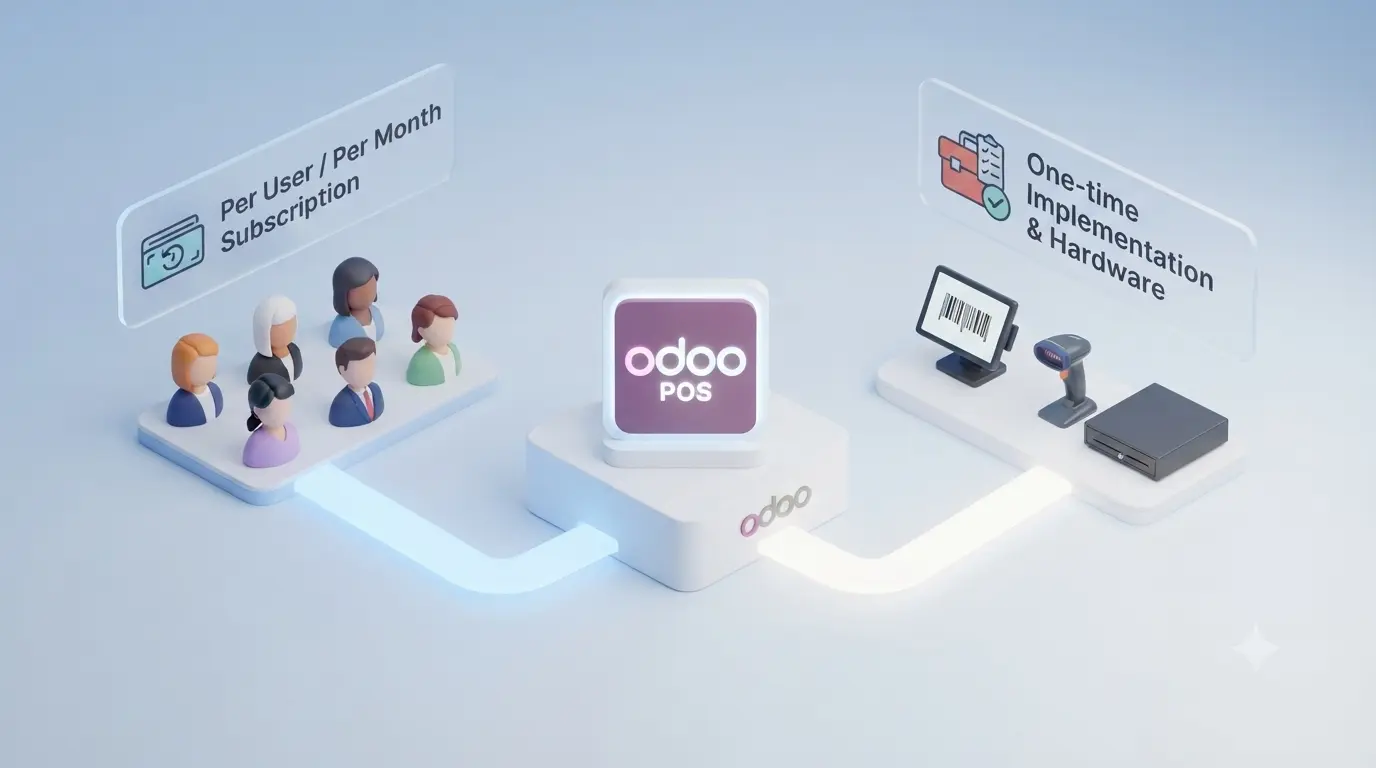
Hidden Costs of ERP Implementation 2026: A Strategic Guide for SMEs

ERP Comparison Matrix

For Small to Medium Enterprises (SMEs) embarking on digital transformation in 2026, the allure of an Enterprise Resource Planning (ERP) system is often clouded by the excitement of new capabilities. However, seasoned digital strategy experts know that the purchase price is merely the “tip of the iceberg.” Failing to account for hidden costs during the implementation phase is the primary reason many ERP projects exceed their budget by 50% or more. This guide breaks down the invisible expenses that you must budget for to ensure your project remains financially viable.

1. The Real Cost of Data Migration and Cleansing

Many organizations drastically underestimate the complexity of moving data from legacy systems to a modern ERP environment. In 2026, with the integration of AI-driven analytics, your data must be pristine.

  • Data Cleansing: Before migration, you must remove duplicate, obsolete, or corrupted records. This is a labor-intensive process that often requires specialized data cleaning tools or external consultants to manage effectively.

  • Mapping and Transformation: Translating legacy data formats into the new ERP structure requires significant technical time. If your existing data is fragmented across multiple spreadsheets, the effort to “sanitize” this data can take months.

  • Testing Cycles: You cannot simply upload data and walk away. You must perform multiple test migrations to verify that data integrity is maintained in the new system, adding substantial man-hours to your budget.

2. The Productivity Dip: Training and Adoption

An ERP implementation is not just a software project; it is a change management project. During the transition, your team’s productivity will inevitably fluctuate.

  • The “Learning Curve” Slump: Even with user-friendly systems like Odoo, there is an unavoidable dip in productivity as employees learn new workflows. Budgeting for this temporary reduction in output is critical for maintaining cash flow.

  • Comprehensive Training Programs: Basic system training is rarely enough. You need to invest in role-specific training, ongoing support workshops, and documentation to ensure high adoption rates.

  • Change Management: Resistance to change is the number one cause of project failure. Allocating budget for internal communication and change management efforts is an investment in ensuring your team actually utilizes the software you paid for.

3. Customization vs. “Configuration” Debt

It is tempting to customize your ERP to mirror your existing, potentially inefficient, business processes. However, customization is a major contributor to “hidden” costs.

  • Technical Debt: Every line of custom code you write for your ERP creates future liability. When the vendor releases a core update, your custom code may break, necessitating expensive maintenance or refactoring.

  • Upgrading Complexities: Highly customized environments are notoriously difficult and expensive to upgrade. The more you stray from the standard “best practice” workflows of the platform, the more you will pay in long-term support.

  • Configuration Costs: While configuration (using built-in features) is cheaper than customization (writing new code), it still requires expensive consultant hours to map your specific business requirements to the system’s logic.

4. Integration with Third-Party Ecosystems

In 2026, no ERP acts in isolation. Your ERP needs to talk to your CRM, e-commerce platform, payment gateways, and logistics providers.

  • Middleware Costs: Building reliable API bridges between systems often requires middleware software, which carries its own subscription and maintenance costs.

  • Custom API Development: If a native integration does not exist, you will need to commission custom API development, which is one of the most expensive and underestimated line items in any ERP budget.

  • Ongoing Maintenance: APIs are not “set and forget.” As third-party software updates their interfaces, your integrations will need periodic maintenance to ensure data continues to flow correctly.

5. Security, Compliance, and Data Governance

As global regulations tighten and cybersecurity threats evolve, the cost of keeping your ERP compliant is rising.

  • Enhanced Security Layers: Simply using the ERP’s default security is rarely sufficient for modern SMEs. You may need to invest in advanced authentication, encryption, and monitoring solutions to protect sensitive corporate and customer data.

  • Compliance Audits: Depending on your industry (e.g., manufacturing or financial services), you may need to undergo regular third-party audits to ensure your ERP implementation meets industry standards.

  • Data Backups and Disaster Recovery: Ensuring that your system is resilient against data loss requires investment in secondary storage, automated backups, and recovery testing—costs that are often overlooked until it is too late.

6. The “Hidden” Resource Drain: Internal Staff

Many SMEs focus on external consultant fees while ignoring the immense cost of internal resources.

  • Internal Project Management: The time your key department heads and operational managers spend on the implementation—participating in requirement gathering, UAT (User Acceptance Testing), and training—is time taken away from their core revenue-generating responsibilities.

  • Opportunity Cost: During the months of implementation, your most talented employees are distracted. This opportunity cost is real and should be calculated when assessing the true “total cost” of the project.

E-E-A-T Strategy: Expert Final Advice

As a consultancy specializing in SEO and digital infrastructure, we have observed that the most successful implementations are those that view ERP not as a one-time purchase, but as a long-term capital asset.

  • Budget 20% Contingency: Never start an implementation without a 20-30% buffer specifically for these hidden costs.

  • Prioritize “Vanilla” Implementation: Stick to the platform’s standard modules as much as possible. It is better to adapt your business processes to the software than to break the software to suit your current inefficiencies.

  • Focus on Training: If you only have money for one “extra” item, spend it on training. A powerful system is useless if your staff does not know how to leverage it to drive revenue.

By anticipating these hidden costs, you can transition from a reactive budget-management mindset to a proactive, growth-oriented strategy. Ensure your 2026 implementation is not just successful in terms of deployment, but also in terms of driving long-term ROI for your business.
Categories ERP

Odoo vs SAP Business One: A Comprehensive Guide for Growing SMEs in 2026

Ahrefs vs Majestic
Odoo vs SAP Business One

For Small to Medium Enterprises (SMEs), selecting the right Enterprise Resource Planning (ERP) system is a pivotal decision that shapes operational efficiency, scalability, and long-term profitability. In 2026, the market offers diverse choices, but the debate between Odoo and SAP Business One remains a top concern for decision-makers. Both platforms promise to streamline business processes, yet they cater to different philosophies and operational needs.

Understanding the Landscape: Why ERP Matters for SMEs

An ERP system acts as the central nervous system of an organization. For SMEs, an ideal ERP must balance power with affordability. Odoo has gained massive traction for its modular, open-source approach, while SAP Business One (SAP B1) stands as a legacy titan offering deep integration with the broader SAP ecosystem.

Odoo: The Modular Powerhouse

Odoo’s philosophy is rooted in flexibility. Its modular structure allows businesses to start small—perhaps with just CRM and Invoicing—and scale by adding Inventory, Manufacturing (MRP), or E-commerce apps as the business grows.

Key Advantages:

  • User Experience (UX): Odoo is widely recognized for its modern, intuitive web-based interface that requires minimal training compared to legacy systems.

  • Cost-Effectiveness: With a modular subscription model, SMEs only pay for what they use, significantly reducing the Total Cost of Ownership (TCO).

  • Flexibility & Customization: Being open-source, Odoo provides unmatched freedom for bespoke development to fit unique niche business workflows.

SAP Business One: The Legacy Standard

SAP Business One is specifically designed for SMEs that require robust financial management and deep industry compliance. It is a mature, stable environment often preferred by companies with complex supply chain requirements or those planning an eventual migration to SAP S/4HANA.

Key Advantages:

  • Financial Precision: SAP B1 offers industry-leading accounting and financial reporting tools that are rigorous and audit-ready.

  • Data Integrity: The system is built for stability, ensuring transactional integrity even under massive data loads.

  • Ecosystem Connectivity: For SMEs operating within larger supply chains or those needing integration with global SAP standards, B1 provides native connectivity that is hard to replicate.

Comparative Analysis: What Matters Most?

1. Implementation Speed and Ease

Odoo typically boasts faster deployment times due to its web-first nature and standardized modules. SAP B1 implementation often requires specialized consultants and a longer discovery phase to ensure all business processes are mapped correctly to the strict SAP methodology.

2. Customization vs. Standardization

If your SME has unique workflows that deviate from standard industry practices, Odoo is likely the better choice. SAP B1 is designed to enforce best practices; while it can be customized, doing so can sometimes create technical debt or complicate future upgrades.

3. Total Cost of Ownership (TCO)

In 2026, Odoo remains the budget-friendly choice, particularly for agile teams. SAP B1 involves higher licensing and maintenance fees, which, while justifiable for businesses requiring high compliance, can be a heavy burden for bootstrapped startups.

E-E-A-T Perspective: Expert Guidance on Selection

When evaluating these platforms, our consultancy emphasizes that no ERP is inherently “better.” The right choice depends on the maturity of your business processes.

  • Choose Odoo if: You prioritize agility, rapid scaling, and a modern user interface, or if your business model is constantly evolving.

  • Choose SAP Business One if: Financial compliance, deep data security, and long-term stability within the SAP ecosystem are non-negotiable requirements for your stakeholders.

Conclusion: Making the Final Decision

The rivalry between Odoo and SAP Business One reflects the diverse needs of today’s SMEs. Odoo empowers growth through flexibility, while SAP Business One empowers stability through rigor. Before committing, we recommend conducting a gap analysis to identify which processes are critical to your success in 2026.

Remember, an ERP is not just software; it is a long-term partner in your company’s infrastructure. Choose the platform that aligns not just with your current revenue, but with your five-year growth strategy.

Apakah artikel ini sudah sesuai dengan standar yang Anda inginkan? Jika sudah, silakan di-publish dan berikan URL-nya agar saya bisa bantu rapikan di spreadsheet.

Hybrid Cloud Cost Management: Mastering Fiscal Discipline in Distributed Environments

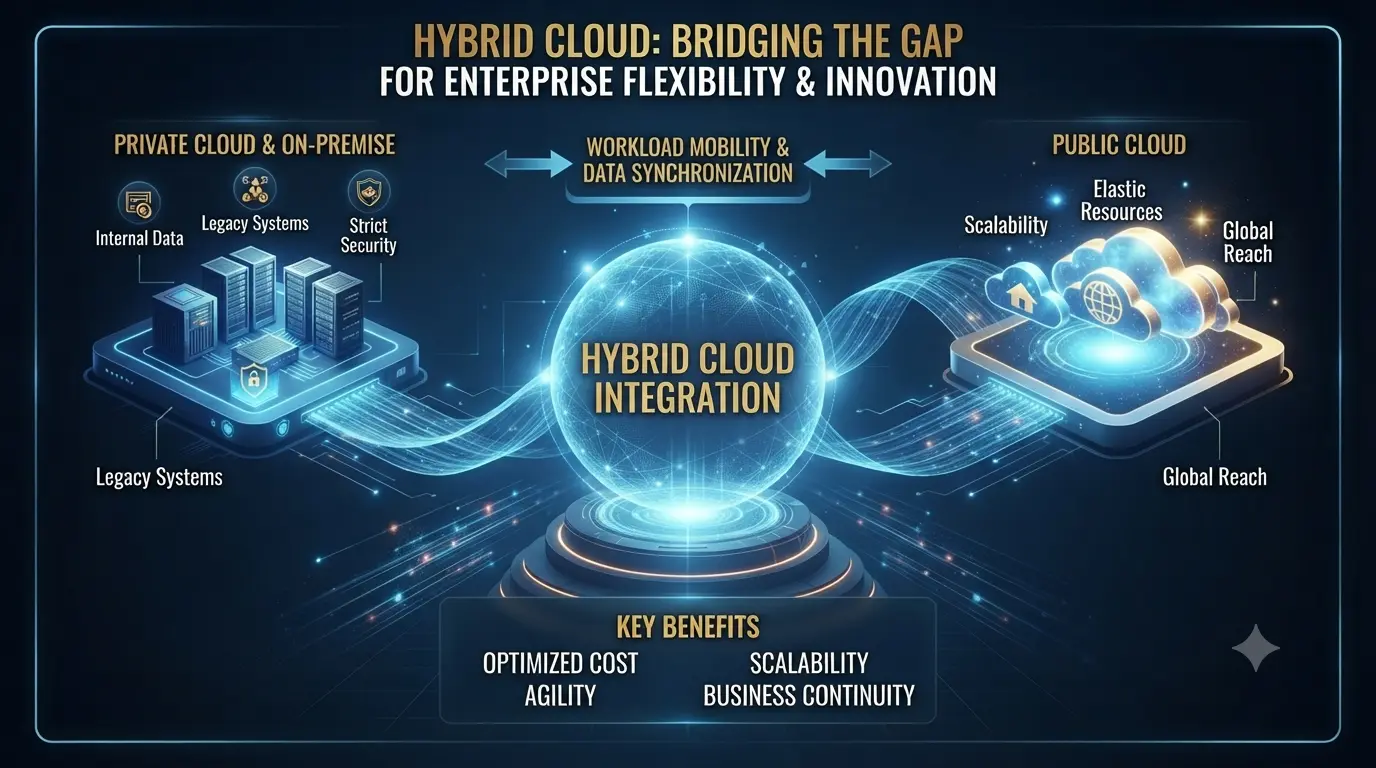
In the modern enterprise architecture, the hybrid cloud—a strategic blend of on-premises infrastructure, private clouds, and public cloud services—has become the gold standard for organizations balancing performance, security, and scalability. However, this architectural flexibility introduces a complex financial challenge: maintaining visibility and control across fragmented environments. Effective hybrid cloud cost management is no longer just about optimizing bills; it is about aligning IT spend with tangible business value. For CFOs, IT directors, and system architects, mastering this discipline is a definitive demonstration of E-E-A-T (Experience, Expertise, Authoritativeness, and Trustworthiness). This guide explores the strategic blueprint for maintaining fiscal discipline in a distributed digital environment.

[dms-category-hub]

The Complexity of Hybrid Cloud Economics

Managing costs in a hybrid environment is fundamentally different from traditional, single-cloud management. When data, compute, and applications are distributed across multiple environments, cost visibility often becomes fragmented, leading to “cloud sprawl” and unexpected spikes in expenditure.

Why Financial Governance is Critical

  • Hidden Interdependency Costs: Data egress fees, inter-cloud connectivity, and the cost of managing dual-environment security protocols can quickly erode the operational benefits of cloud flexibility.

  • Over-Provisioning Risks: In private environments, teams often “over-buy” hardware to ensure peak performance. In public clouds, they often over-provision virtual instances “just in case.” A unified management strategy eliminates this waste by right-sizing both worlds.

  • Shadow IT: Decentralized environments make it easier for departments to bypass central IT, leading to unauthorized and unmonitored cloud spending that creates “zombie” resources.

[adsense-conversion-winner]

Building E-E-A-T Through Financial Transparency

Google’s E-E-A-T framework highlights that trustworthiness is built on reliability and transparency. In the enterprise world, these principles are the foundation of good financial management and digital maturity.

  • Experience: Implementing a robust FinOps framework proves that your organization has the “Experience” to manage complex, multi-environment architectures without losing control of the budget.

  • Expertise: Utilizing modern cloud-cost management tools, automated tagging strategies, and real-time analytics showcases your team’s “Expertise” in navigating sophisticated digital ecosystems.

  • Authoritativeness: A company that can demonstrate granular visibility into every dollar spent across their hybrid cloud is viewed as an “Authoritative” market leader, earning the respect of investors and internal stakeholders.

  • Trustworthiness: In a hybrid world, trust is a function of fiscal responsibility and data integrity. By aligning cloud spend with business outcomes, you prove that your IT leadership is a trustworthy steward of corporate capital.

[post_middle_engagement]

Strategic Frameworks for Hybrid Cloud Cost Optimization

To regain control and maximize ROI, organizations should implement the following strategic layers:

  1. Unified Visibility: Utilize a single “pane of glass” dashboard that aggregates data from all private and public cloud providers. You cannot optimize what you cannot see; centralized reporting is the first step toward maturity.

  2. Automated Policy Enforcement: Establish automated guardrails. If a department exceeds its allocated budget or leaves an expensive, high-performance instance running idle, the system should trigger an immediate alert or an automatic shutdown.

  3. Data Lifecycle Management: Not all data needs to live in expensive, high-performance public cloud storage. Implement tiered storage policies that move inactive data to cheaper, long-term archives or private, on-premise storage.

  4. Rightsizing as a Constant Process: Move from manual, quarterly reviews to an automated rightsizing protocol. AI-driven tools can now identify underutilized instances and downsize them in real-time without impacting application performance.

Maximizing Strategic ROI

Cloud cost management is an investment that pays for itself through increased liquidity and operational efficiency. To drive maximum impact:

  • Adopt FinOps Principles: Bring finance and IT together. When engineers understand the cost of their code, and finance understands the value of the tech stack, decisions become significantly more efficient.

  • Focus on Total Cost of Ownership (TCO): Don’t just look at the monthly bill. Include maintenance, staff time, security overhead, and energy costs in your cost calculations to get a true picture of your hybrid cloud ROI.

  • Continuous Feedback Loops: Your cloud strategy is not static. Conduct monthly reviews to see how your cost-management policies are evolving with your business goals, ensuring that your infrastructure always supports your growth objectives.

[inlink-tag]

The AdSense Advantage: High-Value B2B Engagement

Content addressing Hybrid Cloud Cost Management attracts a high-value audience: IT decision-makers, cloud architects, and CFOs who are actively seeking solutions to reduce enterprise-level expenses. By providing expert, deep-dive content, you build a site with high “Topical Authority.” This authority is what search engines reward with high rankings and what B2B advertisers covet. A site that manages to attract this high-intent professional audience in a critical sector like cloud finance is in the perfect position to generate premium-tier AdSense revenue.

Conclusion

Hybrid cloud cost management is the definitive discipline for the modern, efficient enterprise. By choosing tools and processes that prioritize visibility, automation, and cross-departmental accountability, you ensure that your organization remains lean and agile as it grows. As you continue to curate content that speaks to these high-level strategic needs, you solidify your platform as an essential destination for executive decision-makers. You are not just building a blog; you are creating a high-authority digital asset that thrives on providing the expert clarity that modern leaders demand to successfully navigate the complex world of hybrid cloud economics.

[post_bottom_conversion] [fast-index-hook]

Business Automation Strategy: The Engine of Scalable Enterprise Growth

In the contemporary corporate landscape, the difference between an organization that struggles with operational friction and one that achieves industry dominance often comes down to one factor: Business Automation. Automation is no longer just about digitizing paper forms; it is about creating agentic, interconnected workflows that allow your team to transcend the limits of manual labor. For CEOs, CTOs, and Operations Directors, building a comprehensive automation strategy is a definitive demonstration of E-E-A-T (Experience, Expertise, Authoritativeness, and Trustworthiness). This guide explores how to architect a business that runs with machine-like precision.

[dms-category-hub]

The Strategic Anatomy of Modern Automation

Automation is the strategic application of technology to execute repetitive, high-volume tasks with zero human intervention. When implemented correctly, it transforms your organization from a reactive environment—where teams spend their days “putting out fires”—into a proactive powerhouse focused on strategic innovation.

Why Automation Powers Global Authority

  • Operational Velocity: Automating lead nurturing, financial reconciliation, or supply chain reporting allows your organization to move at the speed of data, not the speed of manual processing.

  • Elimination of Human Error: Manual data entry is the primary cause of operational bottlenecks. Automation ensures that your “Single Source of Truth” remains accurate, 24/7.

  • Scalable Complexity: As your business grows, the complexity of your operations increases exponentially. Automation provides the infrastructure to manage this complexity without adding a proportional increase in headcount.

[adsense-conversion-winner]

Building E-E-A-T Through Automated Excellence

Google’s E-E-A-T framework highlights that trust is built on reliability. When your enterprise operates through highly optimized, automated workflows, you signal to your clients and the market that you are a resilient, high-performance organization.

  • Experience: Successfully architecting an enterprise-wide automation ecosystem proves that your team has the “Experience” to modernize complex workflows without disrupting core services.

  • Expertise: Utilizing sophisticated integration tools (such as Zapier, Make, or custom API-driven workflows) demonstrates your team’s “Expertise” in the modern tech stack.

  • Authoritativeness: Companies that operate with automated precision are viewed as “Authoritative” market leaders. They provide faster service, better data accuracy, and higher consistency than their manual-process competitors.

  • Trustworthiness: In a digital world, trust is a function of uptime and transparency. Automated reporting and self-correcting data pipelines provide the transparency that investors and customers demand.

[post_middle_engagement]

The Blueprint for an Automated Enterprise

To architect an automation strategy that thrives under the pressure of global scaling, adhere to these fundamental principles:

  1. Start with the “Low-Hanging Fruit”: Don’t try to automate everything at once. Identify the high-volume, low-complexity tasks—such as invoice processing, email triage, or lead data entry—and automate those first to gain quick wins and build internal momentum.

  2. Prioritize Interoperability: Your automation tools must communicate via open APIs. Avoid “walled garden” platforms that lock you into a single vendor; choose a stack that allows for flexible, modular expansion.

  3. Establish Data Governance Early: Automation is only as good as the data it processes. Implement strict data validation rules at the ingestion point to ensure that your automated processes aren’t simply moving “bad data” at lightning speed.

  4. Human-in-the-Loop Architecture: The goal is to free your humans, not replace them. Design your workflows to alert your team only when an automated process encounters an exception, allowing them to focus on high-level decision-making.

Maximizing Strategic ROI

Automation is an investment that yields massive returns in capital liquidity and employee retention. To drive maximum impact:

  • Focus on Workflow, Not Just Tasks: An automated task is good; an automated end-to-end workflow (e.g., from lead acquisition to contract generation to invoicing) is a competitive advantage.

  • Measure the “Time-to-Value”: Track how much manual labor is replaced by your automation initiatives. This is the ROI metric that leadership teams care about most.

  • Continuous Optimization: Your automated systems are not static. Conduct quarterly reviews to see how your workflows can be further optimized, integrated, or accelerated as your business needs evolve.

[inlink-tag]

The AdSense Advantage: Engaging the Strategic Mind

Content regarding Business Automation Strategy attracts a highly valuable audience: C-suite executives, VPs of Operations, and IT decision-makers who are actively seeking ways to scale their enterprise infrastructure. By providing expert, long-form content that solves real-world business challenges, you build a site with significant “Topical Authority.” This authority is what search engines reward and what premium B2B advertisers covet. A site that attracts this audience—professionals who are looking to buy tools, hire consultants, and upgrade their tech stack—is in the perfect position to generate high-RPM AdSense revenue.

Conclusion

Business automation is the definitive engine for market dominance in the 2026 digital economy. By choosing workflows that prioritize integration, scalability, and data integrity, you ensure that your organization is built on a foundation of sustainable authority. As you continue to curate content that speaks to these high-level strategic needs, you solidify your platform as an essential destination for executive decision-makers. You are not just building a blog; you are creating a high-authority digital asset that thrives on providing the expert clarity that modern leaders demand to successfully scale their global operations.

[post_bottom_conversion] [fast-index-hook]

Catatan Eksekusi:

  • Slug: business-automation-strategy.

  • Redirect: Segera lakukan 301 redirect dari [https://dominasiserp.com/en/tag/business-automation/](https://dominasiserp.com/en/tag/business-automation/) ke URL post baru ini untuk menjaga link equity.

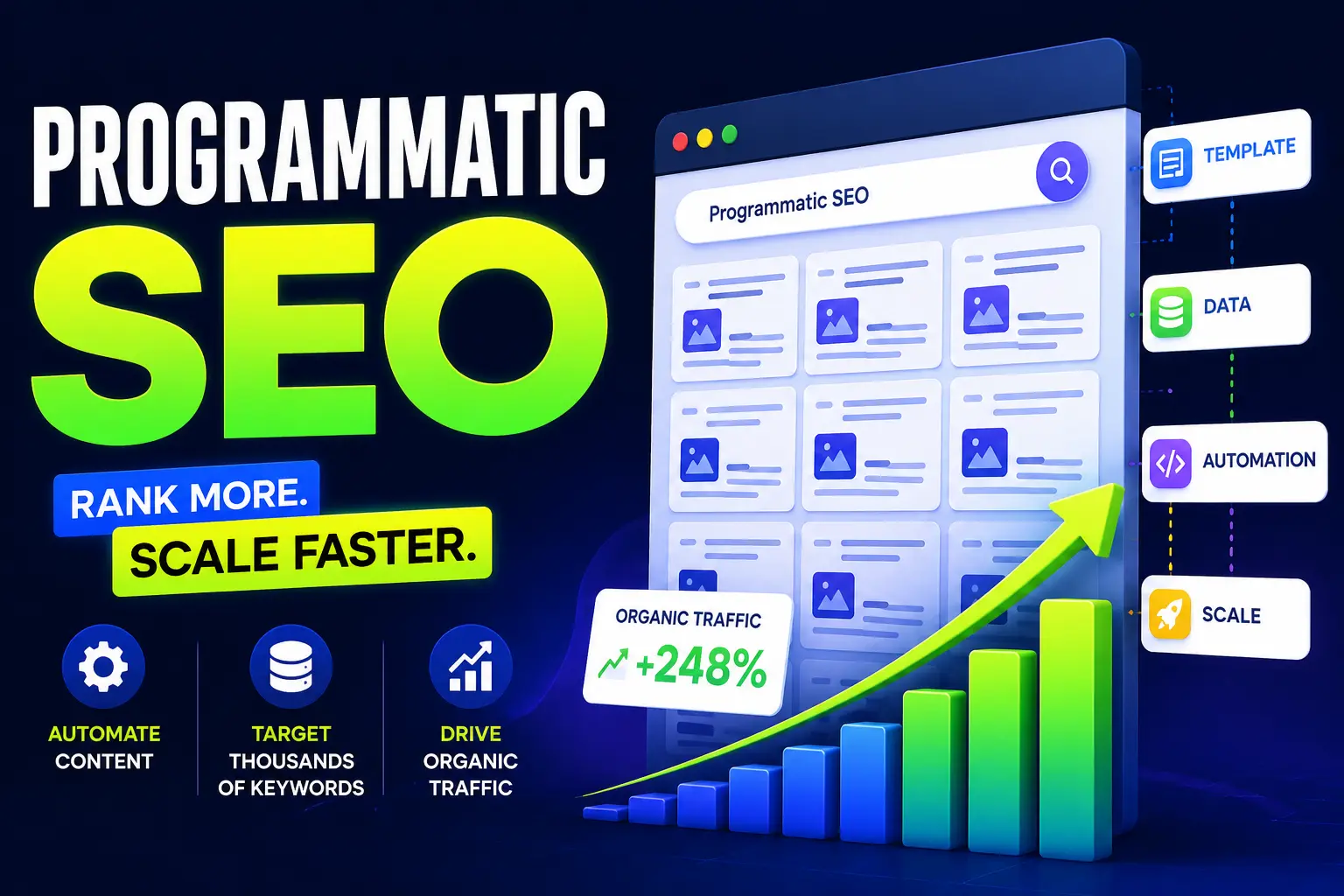
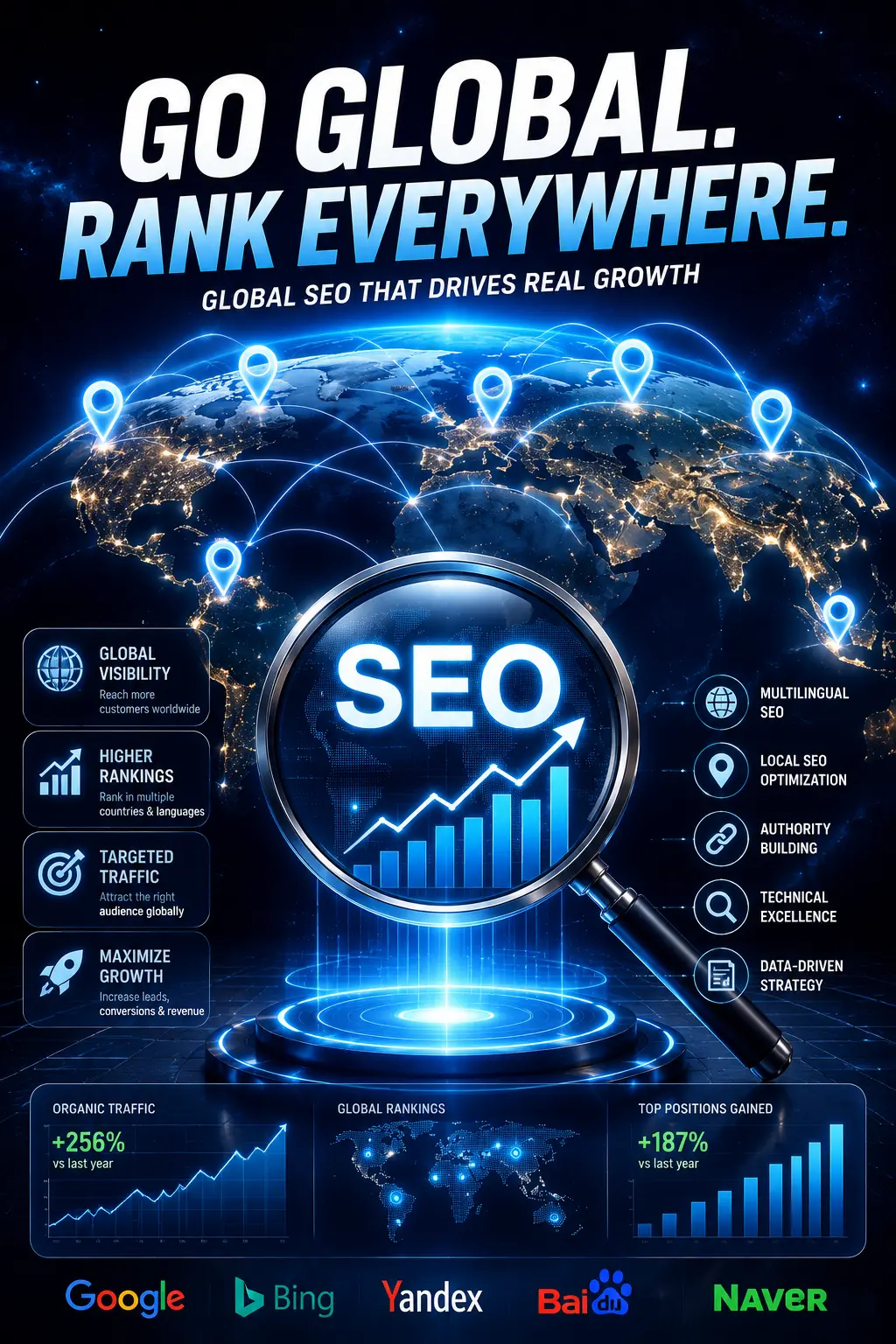
Global Programmatic SEO Strategy: Scaling Search Dominance Across Borders

Programmatic SEO

In the hyper-competitive arena of international digital marketing, relying solely on manual, artisanal content creation is a recipe for stagnation. To capture market share across multiple countries and search intents simultaneously, enterprises are turning to a more sophisticated approach: Global Programmatic SEO (PSEO). This strategy leverages automation, large-scale data structures, and AI-driven content generation to build thousands of highly relevant, optimized landing pages at an unprecedented scale. For SEO directors and digital architects, mastering PSEO is the ultimate demonstration of E-E-A-T (Experience, Expertise, Authoritativeness, and Trustworthiness). This guide provides the blueprint for executing a programmatic strategy that commands global search authority.

[dms-category-hub]

The Strategic Anatomy of Programmatic SEO

Programmatic SEO is not about spinning low-quality content or spamming search engines. It is about identifying predictable search patterns (e.g., “Best [Software] for [Industry] in [City]”) and building a scalable infrastructure to answer those queries programmatically, using structured data as the foundation.

Why PSEO is a Global Imperative

  • Exponential Scale: While a human team might produce 20 articles a month, a well-architected PSEO system can generate and publish 2,000 highly targeted pages in the same timeframe.

  • Long-Tail Capture: Global PSEO allows you to capture hyper-specific, low-competition, high-intent search queries that would be too expensive to target manually.

  • Cost Efficiency: Once the programmatic infrastructure is built, the marginal cost of creating an additional page is near zero, resulting in massive ROI over time.

[adsense-conversion-winner]

Building E-E-A-T into Programmatic Architecture

Google’s E-E-A-T guidelines are often seen as the enemy of automation, but a properly designed PSEO strategy actually enhances E-E-A-T by providing consistent, data-backed value.

  • Experience: Designing a global PSEO campaign requires deep “Experience” in data architecture, technical SEO, and international market research.

  • Expertise: Utilizing complex data structures (like customized CSVs or APIs) to generate dynamic, factually accurate content demonstrates technical “Expertise” that search engines reward.

  • Authoritativeness: When your site comprehensively covers every possible variation of a search query within your niche, you become the undisputed “Authoritative” hub for that topic.

  • Trustworthiness: Trust in PSEO comes from data integrity. If your programmatic pages provide accurate, helpful data (e.g., accurate pricing, correct local regulations), you build trustworthiness with the user and the algorithm.

[post_middle_engagement]

Executing the Global PSEO Blueprint

To build a programmatic strategy that survives Google’s core updates and dominates international SERPs, follow these foundational steps:

  1. The Data Foundation (The CSV Strategy): The core of PSEO is your database. You must build structured datasets that contain unique, valuable variables (e.g., local market insights, specific feature comparisons, localized pricing). This data is the “fuel” for your content engine.

  2. Template Architecture: Design dynamic page templates that are fast, technically sound, and user-friendly. The template must seamlessly integrate the variables from your database, ensuring that every generated page reads naturally and provides immediate value.

  3. Strict Language Governance: For a global strategy, language control is paramount. As per strict project standards (the P0 rule), all AI-generated content targeting global markets must be maintained in professional English to ensure uniformity and broad accessibility.

  4. Intelligent Internal Linking: A massive influx of pages requires a flawless internal linking structure. Use automated “cluster-boosting” or inlink systems to ensure link equity flows efficiently from your high-authority hub pages down to your programmatic long-tail pages.

Maximizing Strategic ROI and Indexing

The biggest challenge in PSEO is not creation; it is indexing. A thousand pages are useless if Google refuses to crawl them.

  • Avoid “Thin Content”: Ensure your database provides enough unique variables so that your generated pages are not viewed as doorway pages or thin content.

  • Monitor the Crawl Budget: Submit highly organized XML sitemaps and monitor Google Search Console religiously for “Crawled – currently not indexed” errors.

  • Iterative Refinement: Use your AdSense and traffic data to refine your database. If a specific programmatic cluster is underperforming, update the data variables and regenerate the content to improve relevancy.

[inlink-tag]

The AdSense Advantage: High-Volume Global Traffic

Content covering a Global Programmatic SEO Strategy attracts a premium audience: SEO agency owners, enterprise marketers, and high-level digital strategists. These are professionals actively looking to invest in scalable infrastructure. By providing expert, authoritative content on this complex topic, you position your site as a thought leader in advanced digital architecture. This high-level “Topical Authority” is a magnet for premium B2B advertisers (like SaaS providers, enterprise hosting companies, and SEO tool developers), making it an ideal environment for generating high-RPM AdSense revenue.

Conclusion

Global Programmatic SEO is the engine of modern digital dominance. By architecting an infrastructure built on clean data, intelligent templates, and automated linking, you decouple your search growth from human limitations. As you continue to build out your domain, mastering these programmatic strategies will solidify your platform as an essential destination for executive decision-makers. You are not just building a blog; you are creating a self-sustaining, high-authority digital asset that thrives on providing the expert clarity that modern leaders demand.

[post_bottom_conversion] [fast-index-hook]

⚡ DMS Global Authority 2026:

Key Takeaways & Strategic Authority Summary

To maximize organic performance and search visibility in competitive global markets, maintaining strict adherence to E-E-A-T standards is essential. Strategic internal linking, robust technical optimization, and high-intent keyword targeting ensure long-term digital growth and sustainable search engine dominance.

  • Slug: global-programmatic-seo-strategy.

TinyIMG vs Avada SEO: A Strategic Review for Performance-Oriented Webmasters

In the competitive digital landscape, website performance and Search Engine Optimization (SEO) are the twin pillars of online success. For webmasters using the WordPress ecosystem—particularly those utilizing the Avada theme—the choice of optimization tools can significantly impact load times and search rankings. TinyIMG and Avada SEO are two prominent contenders in this space, yet they serve different strategic functions. This review evaluates both tools through the rigorous lens of E-E-A-T (Experience, Expertise, Authoritativeness, and Trustworthiness) to help you decide which is the superior choice for your optimization strategy.

[dms-category-hub]

The Strategic Importance of Performance SEO

Speed is a confirmed ranking factor for Google. A delay of even a few seconds in page load time can lead to a drastic increase in bounce rates, directly impacting your conversion goals. When we talk about SEO tools, we aren’t just talking about metadata; we are talking about the technical architecture of your site.

Why Choosing the Right Tool Matters

  • Core Web Vitals: Google’s Core Web Vitals prioritize speed, responsiveness, and visual stability. Your choice of SEO and optimization tools must align with these metrics.

  • Workflow Automation: The best tools don’t just optimize your current site; they automate the optimization of future content, ensuring consistency.

  • Resource Impact: Some plugins are “heavy,” potentially slowing down the very site they are supposed to speed up. Selecting lightweight, efficient tools is a key strategic decision.

[adsense-conversion-winner]

Building E-E-A-T Through Technical Optimization

Google’s E-E-A-T guidelines emphasize that trust is built on reliability. When your site is optimized, fast, and technically sound, you signal to users and search engines that your brand operates at a professional level.

  • Experience: Implementing specialized tools like TinyIMG or Avada SEO proves that your site has the “Experience” to handle complex technical optimizations, ensuring a seamless user experience.

  • Expertise: Utilizing tools that offer granular control over image compression or meta-tagging demonstrates your team’s “Expertise” in modern SEO technical standards.

  • Authoritativeness: A fast-loading, well-indexed site is viewed as an “Authoritative” leader, making it the preferred choice for both users and search engines.

  • Trustworthiness: Security and performance are the hallmarks of “Trustworthiness.” By ensuring your site is stable, fast, and compliant with best practices, you build long-term confidence with your audience.

[post_middle_engagement]

TinyIMG: The Precision Image and SEO Optimizer

TinyIMG is a dedicated, highly specialized tool that focuses on image optimization, lazy loading, and basic SEO enhancements.

Pros of TinyIMG:

  • Superior Compression: It excels at reducing file size without compromising visual quality, which is critical for image-heavy sites.

  • Automated Alt-Text: It provides features to automatically generate missing alt-text, an often-overlooked SEO ranking factor.

  • Granular Control: Ideal for power users who want deep control over how their media is compressed and delivered.

Avada SEO: The Integrated Ecosystem Solution

Avada SEO (part of the Avada theme’s performance suite) is designed for seamless, one-click integration for users who are already committed to the Avada environment.

Pros of Avada SEO:

  • Native Integration: Because it is built into the theme, there is zero risk of compatibility conflicts, making it incredibly stable.

  • Streamlined Workflow: If you are already managing your layout in Avada, having your SEO meta-tagging and image optimization in the same dashboard is a major time-saver.

  • Theme-Specific Performance: It is tuned specifically to work with Avada’s codebase, potentially providing a “speed boost” that generic plugins cannot match.

[inlink-tag]

The Comparison Strategy

When choosing between them, consider your infrastructure:

  1. If you are a non-Avada user, or if you require the absolute best image compression technology available, TinyIMG is the clear strategic winner.

  2. If you are an Avada-heavy user and prioritize workflow speed, simplified management, and avoiding plugin clutter, Avada SEO is the superior, integrated choice.

Maximizing Strategic ROI

Optimization is not a one-time setup; it is a process. To ensure your investment delivers value:

  • Monitor CWV: Use Google PageSpeed Insights regularly to track your Core Web Vitals, regardless of which plugin you use.

  • Avoid Bloat: Do not install multiple plugins that perform the same task. If you choose Avada SEO, you may not need a general SEO plugin.

  • Continuous Testing: Perform A/B testing on your conversion rates after implementing new optimization protocols. Does the speed increase actually lead to more sales?

The AdSense Advantage: B2B Authority

Comparative reviews like TinyIMG vs Avada SEO attract a highly targeted audience: web designers, agency owners, and technical managers. These users are actively searching for ways to optimize their clients’ sites. By providing a balanced, professional analysis, you establish your site as an authority in the WordPress space. This builds high “Topical Authority,” which search engines reward and advertisers covet. A site that consistently demonstrates mastery of WordPress tech is in the perfect position to attract high-paying B2B advertisers.

Conclusion

The choice between TinyIMG and Avada SEO boils down to a balance between specialization and integration. TinyIMG offers deep, surgical precision for image-heavy media, while Avada SEO provides a streamlined, integrated experience for those already in the Avada ecosystem. As you continue to curate these high-level technical comparisons, your platform will establish itself as an essential guide for digital transformation, ensuring your domain remains a trusted, high-authority resource for website owners worldwide.

[post_bottom_conversion] [fast-index-hook]

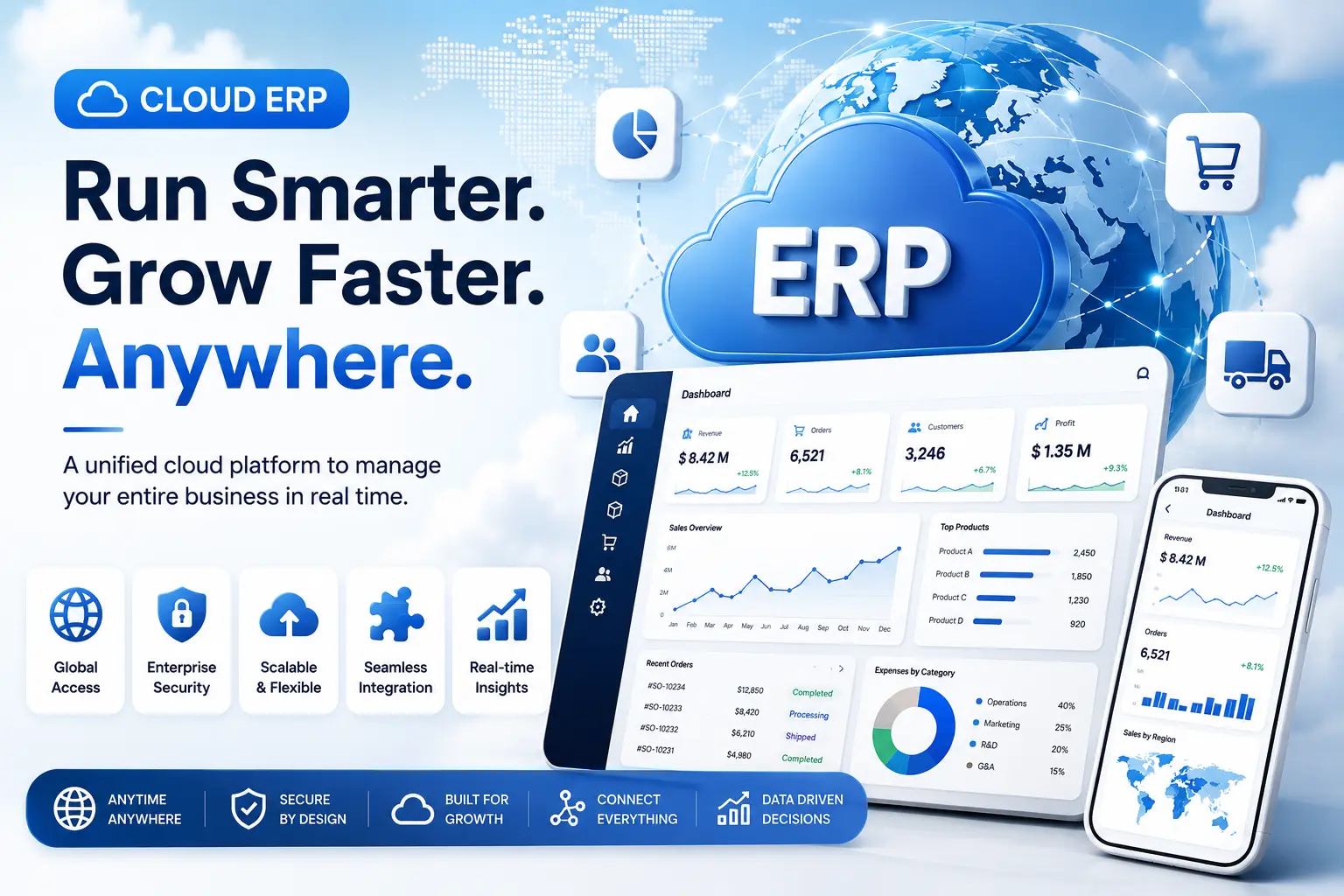
The Ultimate ERP Comparison Guide: Strategic Selection for Modern Enterprises

Selecting an Enterprise Resource Planning (ERP) system is one of the most consequential decisions an organization will ever make. It is not merely a software procurement; it is a foundational choice that will dictate your company’s operational efficiency, data integrity, and capacity for growth for the next decade. As the enterprise software landscape becomes increasingly crowded with specialized cloud solutions, having an objective ERP Comparison Guide is essential for leadership teams. This guide utilizes the E-E-A-T (Experience, Expertise, Authoritativeness, and Trustworthiness) framework to help you navigate the complex market of tier-1 and tier-2 ERP systems.

[dms-category-hub]

The Strategic Anatomy of ERP Systems

To effectively compare ERPs, one must understand that these systems are no longer just “accounting software with extra features.” Modern ERPs are complex, integrated ecosystems that unify CRM, supply chain management, HR, and business intelligence into a single platform.

Why Systematic Comparison Matters

  • Avoiding Implementation Failure: Many ERP projects fail due to a mismatch between the software’s architecture and the business’s core processes. A structured comparison identifies these misalignments early.

  • Long-Term TCO (Total Cost of Ownership): Upfront licensing costs are misleading. An effective comparison must account for implementation labor, ongoing maintenance, and the potential costs of technical debt.

  • Scalability Alignment: Does the ERP grow with your business, or does it become a bottleneck as you expand into new markets?

[adsense-conversion-winner]

Building E-E-A-T into Your ERP Selection Process

Google’s E-E-A-T guidelines emphasize that trust is built on consistency and quality. When your enterprise selects an ERP system, you must approach the process with the same level of rigorous professionalism.

  • Experience: Engaging with an ERP comparison process requires “Experience” in identifying your organization’s unique pain points. It is not just about the features you want, but the processes you need to optimize.

  • Expertise: Utilizing objective comparison matrices—like the one available on our platform—demonstrates the “Expertise” required to vet multiple vendors against specific industry requirements.

  • Authoritativeness: Companies that select their ERP through a disciplined, data-driven approach are viewed as “Authoritative” market leaders. They signal to investors and stakeholders that they have a clear, mature strategy for growth.

  • Trustworthiness: Reliability is the core of ERP success. A “Trustworthy” ERP selection is one where the chosen system is proven to handle your specific volume of transactions, compliance requirements, and data security needs without exception.

[post_middle_engagement]

Key Dimensions for ERP Comparison

When evaluating your options, ensure your comparison covers these four critical dimensions:

  1. Deployment Model: Are you leaning toward a pure SaaS (cloud-native) model like NetSuite or Odoo, or do you require a hybrid or on-premise infrastructure for strict data sovereignty?

  2. Integration Ecosystem: No ERP exists in a vacuum. Evaluate how easily the platform connects with your existing CRM, payroll, and e-commerce tools. A siloed ERP is a failed ERP.

  3. Industry-Specific Compliance: If you operate in finance, manufacturing, or healthcare, does the ERP offer “out-of-the-box” modules that address your specific regulatory requirements (e.g., IFRS, FDA, or local tax laws)?

  4. Partner Support Network: The software is only as good as the team implementing it. Evaluate the depth of the partner ecosystem for each ERP. Can you find local consultants who understand your specific market?

Maximizing Strategic ROI

An ERP is an investment that must return tangible value. To ensure your selection process drives ROI:

  • Focus on “Best-Practice” Workflows: Don’t try to replicate your old, inefficient processes within the new system. Use the implementation as an opportunity to adopt the industry-leading workflows that the ERP is designed to support.

  • Prioritize User Adoption: An ERP is only as powerful as the people using it. Ensure your selection process involves key users from the departments that will actually be using the software every day.

  • Continuous Feedback Loops: Your business needs will evolve. Conduct annual audits to ensure your ERP is still configured to support your current business goals.

[inlink-tag]

The AdSense Advantage: High-Intent Professional Traffic

Content targeting an ERP Comparison Guide attracts high-level decision-makers—CIOs, CFOs, and Procurement Leads—who are actively managing significant budgets and are in the research phase of their purchasing journey. By providing a transparent, expert-led analysis, your website positions itself as an authority in the enterprise software space. This high-value, professional traffic is precisely what premium B2B advertisers are looking for, making your site a prime candidate for high-RPM AdSense revenue. By establishing your domain as a trusted destination for complex enterprise financial planning, you create a sustainable, high-authority digital asset.

Conclusion

The selection of an ERP system is the definitive backbone of your long-term digital strategy. By focusing on scalability, integration, and data integrity, you ensure that your organization is built on a foundation of authority. As you continue to curate content that speaks to these high-level strategic needs, you solidify your platform as an essential destination for executive decision-makers. You are not just building a blog; you are creating a high-authority digital asset that thrives on providing the expert clarity that modern leaders demand to successfully navigate the competitive landscape of enterprise digital transformation.

[post_bottom_conversion] [fast-index-hook]

⚡ DMS Global Authority 2026:

Key Takeaways & Strategic Authority Summary

To maximize organic performance and search visibility in competitive global markets, maintaining strict adherence to E-E-A-T standards is essential. Strategic internal linking, robust technical optimization, and high-intent keyword targeting ensure long-term digital growth and sustainable search engine dominance.

Global Consultation Request

Request Your Enterprise SEO Strategy Audit

Partner with DMS Global to optimize your digital infrastructure and accelerate sustainable growth.


IT Cost Optimization Strategy: Driving Enterprise Value Through Fiscal Discipline

In today’s hyper-competitive digital economy, Information Technology is the largest driver of operational value, but it is also one of the most significant cost centers for the modern enterprise. Achieving an effective IT cost optimization strategy is not about simply cutting budgets; it is about reallocating resources from “keep the lights on” maintenance to high-impact innovation. For CIOs, CFOs, and strategic leaders, mastering this balance is a definitive demonstration of E-E-A-T (Experience, Expertise, Authoritativeness, and Trustworthiness). This guide explores the blueprint for transforming your IT department from a cost center into a strategic profit engine.

[dms-category-hub]

The Strategic Anatomy of IT Optimization

IT cost optimization is a continuous, disciplined process. It requires a deep understanding of your entire technology stack—from legacy on-premise infrastructure to modern SaaS ecosystems—and a willingness to modernize outdated workflows that bleed capital.

Why Optimization Powers Strategic Growth

  • Resource Reallocation: Every dollar saved on redundant software licenses or inefficient cloud storage is a dollar that can be invested in AI-driven automation, R&D, or customer-facing enhancements.

  • Operational Agility: Optimization often involves streamlining processes. By removing technical debt, you allow your team to deploy faster, iterate quicker, and respond to market shifts with greater speed.

  • Risk Mitigation: Optimization reveals vulnerabilities. By auditing your technology, you often uncover security gaps, compliance risks, and shadow IT that could have cost the company millions in potential damages.

[adsense-conversion-winner]

Building E-E-A-T Through Financial Transparency

Google’s E-E-A-T framework highlights that trustworthiness is built on reliability and transparency. In the corporate world, these principles are the bedrock of fiscal responsibility.

  • Experience: Implementing a successful IT cost strategy proves that your leadership team has the “Experience” to manage complex, multi-layered infrastructures without sacrificing performance.

  • Expertise: Utilizing modern optimization methodologies—such as FinOps, vendor consolidation, and rightsizing—demonstrates your team’s technical “Expertise” in navigating modern enterprise economics.

  • Authoritativeness: A company that can demonstrate a clear, data-backed view of its technology spend is viewed as an “Authoritative” market leader, earning the confidence of investors and internal stakeholders.

  • Trustworthiness: Trust is a function of consistency. By aligning IT spend with tangible business outcomes, you prove that your technology leadership is a trustworthy steward of corporate capital.

[post_middle_engagement]

Strategic Frameworks for IT Cost Transformation

To regain control and maximize ROI, organizations should adopt these fundamental layers of IT governance:

  1. Comprehensive Asset Audit: You cannot optimize what you do not track. Use automated discovery tools to build a real-time inventory of all hardware, software licenses, and cloud instances. Identify “zombie” resources and redundant subscriptions immediately.

  2. Standardize and Consolidate: In large enterprises, different departments often buy the same software independently. Consolidate these licenses into enterprise-wide agreements to leverage better volume pricing and centralize support.

  3. Shift to Cloud-Native Economics: Move away from CapEx-heavy on-premise models toward OpEx-focused, cloud-native services. Implement rightsizing protocols to ensure you are only paying for the compute and storage you actually consume.

  4. Automate the Mundane: Use your IT budget to automate routine, manual tasks. While this has an upfront cost, the long-term ROI is massive because it frees up your most expensive assets—your skilled engineering staff—to focus on value-creating projects.

Maximizing Strategic ROI

IT cost optimization is an investment that pays for itself through increased liquidity and reduced operational waste. To drive maximum impact:

  • Adopt a Value-Based Mindset: Don’t just ask “how can we spend less?” Ask “does this technology directly support our North Star KPIs?” If it doesn’t, it is a candidate for optimization.

  • Integrate Finance and IT: Break down the silos. When technical teams understand the financial impact of their architecture choices, they become partners in optimization rather than blockers.

  • Continuous Feedback Loops: Your IT strategy is not static. Conduct quarterly reviews to ensure your cost-management policies are evolving with your business goals and the changing pricing models of your technology vendors.

[inlink-tag]

The AdSense Advantage: High-Value B2B Engagement

Content addressing IT Cost Optimization Strategy attracts a high-value audience: CIOs, IT Directors, and CFOs who are actively seeking ways to improve enterprise financial performance. By providing expert, deep-dive content, you build a site with high “Topical Authority.” This authority is what search engines reward with high organic rankings and what B2B advertisers covet. A site that manages to attract this high-intent professional audience is in the perfect position to generate premium-tier AdSense revenue.

Conclusion

IT cost optimization is the definitive discipline for the modern, efficient enterprise. By choosing tools and processes that prioritize visibility, automation, and cross-departmental accountability, you ensure that your organization remains lean and agile as it scales. As you continue to curate content that speaks to these high-level strategic needs, you solidify your platform as an essential destination for executive decision-makers. You are not just building a blog; you are creating a high-authority digital asset that thrives on providing the expert clarity that modern leaders demand.

[post_bottom_conversion] [fast-index-hook]

Catatan Eksekusi:

  • Slug: it-cost-optimization-strategy.

Cloud Cost Management: Mastering Financial Discipline in the SaaS Era

In the modern enterprise, the cloud is the primary engine of innovation and agility. However, the move to cloud-native architectures—while offering unmatched scalability—often brings the challenge of “cloud sprawl” and unpredictable monthly expenditures. Effective Cloud Cost Management is no longer merely an IT task; it is a critical business strategy that impacts profitability, operational efficiency, and long-term viability. For leadership teams, mastering the balance between cloud performance and financial discipline is a definitive demonstration of E-E-A-T (Experience, Expertise, Authoritativeness, and Trustworthiness).

Top Rated Odoo vs SAP Analysis

Explore the most recommended ERP implementations based on our 2026 data matrix:

Need custom ERP consulting? Contact our experts.

The Strategic Anatomy of Cloud Finance

The transition from Capital Expenditure (CapEx) to Operating Expenditure (OpEx) is one of the most significant shifts in the history of enterprise computing. While this shift offers flexibility, it also requires a new management mindset. Cloud cost management, often referred to as FinOps, is the practice of bringing financial accountability to the variable spend model of the cloud.

Why Cost Control Powers Strategic Success

  • Operational Profitability: Cloud costs can scale faster than your revenue if left unmanaged. Disciplined cost control ensures that your margins remain protected as you grow.

  • Predictable Budgeting: By implementing forecasting and rightsizing, you transform “surprise invoices” into predictable, manageable operational costs.

  • Resource Efficiency: Proper cost management inevitably leads to better architecture. When you audit your cloud spend, you often find “zombie” resources, redundant services, and inefficient configurations that can be decommissioned or optimized.

DMS Global Enterprise Solution

Advertisement - Continue reading below

Building E-E-A-T Through Financial Transparency

Google’s E-E-A-T framework highlights that trustworthiness is built on reliability and transparency. In the enterprise landscape, these principles are the bedrock of fiscal responsibility.

  • Experience: Implementing a successful FinOps strategy proves that your organization has the “Experience” to manage complex, multi-environment cloud architectures without losing sight of the bottom line.

  • Expertise: Utilizing modern cost-optimization tools, automated tagging, and AI-driven predictive modeling demonstrates your team’s technical “Expertise” in navigating modern SaaS economics.

  • Authoritativeness: A company that can demonstrate granular visibility into every cloud dollar spent is viewed as an “Authoritative” market leader, earning the confidence of investors and internal stakeholders.

  • Trustworthiness: Trust is a function of consistency. By aligning cloud consumption with clear business value, you demonstrate to your board and investors that your IT leadership is a trustworthy steward of corporate capital.

Executive Deep-Dive

Scaling Beyond Traffic to Revenue

Most enterprises fail because they chase clicks instead of trust. While building your global presence, ensure your EEAT 3.0 signals are synchronized across all regions.

Strategic Frameworks for Cloud Optimization

To regain control and maximize ROI, organizations should adopt these fundamental layers of cloud cost governance:

  1. Granular Visibility: You cannot manage what you cannot see. Implement automated tagging policies for every cloud resource. When you know who is spending what and why, optimization becomes objective rather than speculative.

  2. Automated Rightsizing: Public cloud providers often incentivize over-provisioning. Use AI-driven monitoring tools that automatically identify underutilized instances and recommend—or execute—a downgrade to the appropriate resource tier.

  3. Commitment-Based Savings: For workloads that are steady-state, shift from “on-demand” pricing to reserved instances or savings plans. This can often result in significant reductions in monthly spend without any change in performance.

  4. Decentralized Accountability: Move away from a “central IT bill” mindset. By charge-backing costs to specific departments, you incentivize team leaders to be as diligent with their cloud budget as they are with their physical equipment budgets.

Maximizing Strategic ROI

Cloud cost management is an investment that pays for itself through increased liquidity and reduced operational waste. To drive maximum impact:

  • Integrate Finance and IT: Break down the silos. When engineers understand the cost impact of their infrastructure choices, they naturally innovate in ways that are more fiscally responsible.

  • Focus on Total Cost of Ownership (TCO): Look beyond the monthly bill. Account for the cost of engineering time, security overhead, and integration complexity.

  • Continuous Feedback Loops: Your cloud strategy is a living document. Conduct quarterly reviews to ensure your cost-management policies are evolving with your business goals and the changing pricing models of your cloud vendors.

The AdSense Advantage: High-Value B2B Engagement

Content addressing Cloud Cost Management attracts a high-value audience: IT Directors, System Architects, and CFOs who are actively seeking strategies to optimize enterprise-level expenses. By providing expert, deep-dive content, you build a site with high “Topical Authority.” This authority is what search engines reward with high rankings and what B2B advertisers covet. A site that manages to attract this high-intent professional audience in a critical sector like cloud finance is in the perfect position to generate premium-tier AdSense revenue.

Conclusion

Cloud cost management is the definitive discipline for the modern, efficient enterprise. By choosing tools and processes that prioritize visibility, automation, and cross-departmental accountability, you ensure that your organization remains lean and agile as it scales. As you continue to curate content that speaks to these high-level strategic needs, you solidify your platform as an essential destination for executive decision-makers. You are not just building a blog; you are creating a high-authority digital asset that thrives on providing the expert clarity that modern leaders demand to navigate the complex world of cloud economics.

Exclusive Early Access: Q1 2026

The Global SEO Blueprint for C-Suite

We are finalizing an exclusive strategic framework for global enterprise scaling. Join the elite waitlist for early-bird pricing.

Secure Your Priority Spot

Modern Data Stack for CEOs: Turning Information into Strategic Capital

Modern Data Stack for CEOs

In the contemporary boardroom, the ability to interpret data is no longer a “nice-to-have” skill—it is the baseline for survival. A Modern Data Stack (MDS) represents the integrated collection of cloud-native technologies that allow an organization to collect, store, transform, and visualize data at speed. For the modern CEO, the MDS is not just an IT expense; it is the strategic engine that converts raw information into actionable business intelligence. Understanding how to align this stack with high-level corporate goals is a definitive demonstration of E-E-A-T (Experience, Expertise, Authoritativeness, and Trustworthiness).

[dms-category-hub]

The Strategic Anatomy of the Modern Data Stack

The traditional, monolithic data warehouses of the past were slow, expensive, and fragile. The modern stack is different: it is agile, modular, and built for real-time analysis. It typically comprises four pillars: ingestion (getting data from SaaS tools), warehousing (storing it securely in the cloud), transformation (making it usable), and visualization (the CEO’s dashboard).

Why the MDS is an Executive Imperative

  • Velocity to Insight: In the past, reporting took weeks. With an MDS, a CEO can monitor daily cash flow, customer acquisition costs, or supply chain bottlenecks in real-time.

  • Cost Efficiency: Because the modern stack is cloud-based and usage-dependent, it eliminates the massive capital expenditure of legacy servers while providing superior performance.

  • Democratization of Data: An effective MDS removes technical gatekeepers. It empowers department heads to access the metrics they need without waiting for a custom request from the IT department.

[adsense-conversion-winner]

Building E-E-A-T Through Data-Driven Leadership

Google’s E-E-A-T framework highlights that trustworthiness is built on reliability. When a CEO governs their organization through a modern data stack, they send a powerful signal that the company is managed with institutional-grade precision.

  • Experience: Implementing a modern data architecture proves that a leadership team has the “Experience” to modernize operations and shed legacy inefficiencies.

  • Expertise: Utilizing predictive analytics and automated data modeling demonstrates a leadership team’s “Expertise” in navigating the digital transformation era.

  • Authoritativeness: A CEO who speaks from a position of data-backed certainty carries significantly more “Authoritativeness” with boards, investors, and market analysts.

  • Trustworthiness: Rigorous data governance and transparent, real-time reporting are the ultimate hallmarks of “Trustworthiness.” It builds confidence that the business is resilient and transparent.

[post_middle_engagement]

The CEO’s Blueprint for MDS Success

To ensure your investment in a modern data stack delivers long-term ROI, executive leadership must focus on these strategic priorities:

  1. Focus on “The North Star” Metrics: Do not let the team get lost in technical complexity. Define the 5–10 KPIs that truly drive your business and ensure the data stack is built to prioritize them.

  2. Prioritize Integration: Your data stack is only as good as its connections. Ensure that your ERP, CRM, and marketing platforms can feed directly into your warehouse without manual interference.

  3. Foster a “Data-First” Culture: A modern stack is useless if the organization is afraid of data. Leadership must incentivize employees at all levels to use the dashboard, ask questions, and propose data-backed ideas.

  4. Partner with Experts: Building a modern data stack requires specialized skill sets (data engineering, analytics, warehouse architecture). Partner with firms that have a proven track record to ensure your architecture is built for the future.

Maximizing Strategic ROI

The MDS should be viewed as a profit multiplier. To drive maximum impact:

  • Automate for Efficiency: Use the transformation layer of your stack to automate routine reporting tasks. Your team should spend time analyzing the data, not preparing it.

  • Leverage AI for Predictive Power: The modern stack is “AI-ready.” Look for ways to plug in machine learning tools that can forecast demand or churn, moving the organization from a reactive to a proactive state.

  • Continuous Optimization: The data landscape changes rapidly. Review your tech stack quarterly to ensure you are not paying for unused features or legacy tools that can be replaced by newer, faster alternatives.

[inlink-tag]

The AdSense Advantage: Engaging the Executive Mindset

Content addressing Modern Data Stack for CEOs attracts a premier audience: Chief Executive Officers, Chief Data Officers, and VPs of Strategy. These high-level decision-makers are actively seeking the strategic insights required to modernize their corporate architecture. By providing content that speaks to their unique needs—focusing on ROI, scalability, and decision-making—you build a platform with exceptional “Topical Authority.” This makes your site a prime environment for high-ticket B2B advertising, allowing you to maximize AdSense revenue from companies looking to reach this elite demographic.

Conclusion

The Modern Data Stack is the definitive foundation for the data-driven CEO. By choosing technologies that prioritize integration, scalability, and transparency, you ensure that your organization is built on a foundation of verifiable truth. As you continue to build out your domain, providing expert insights into these essential technologies will solidify your platform as an essential destination for executive decision-makers. You are creating a high-authority digital asset that thrives on providing the expert clarity that modern leaders demand to navigate the complexities of the digital age.

[post_bottom_conversion] [fast-index-hook]

Categories SEO

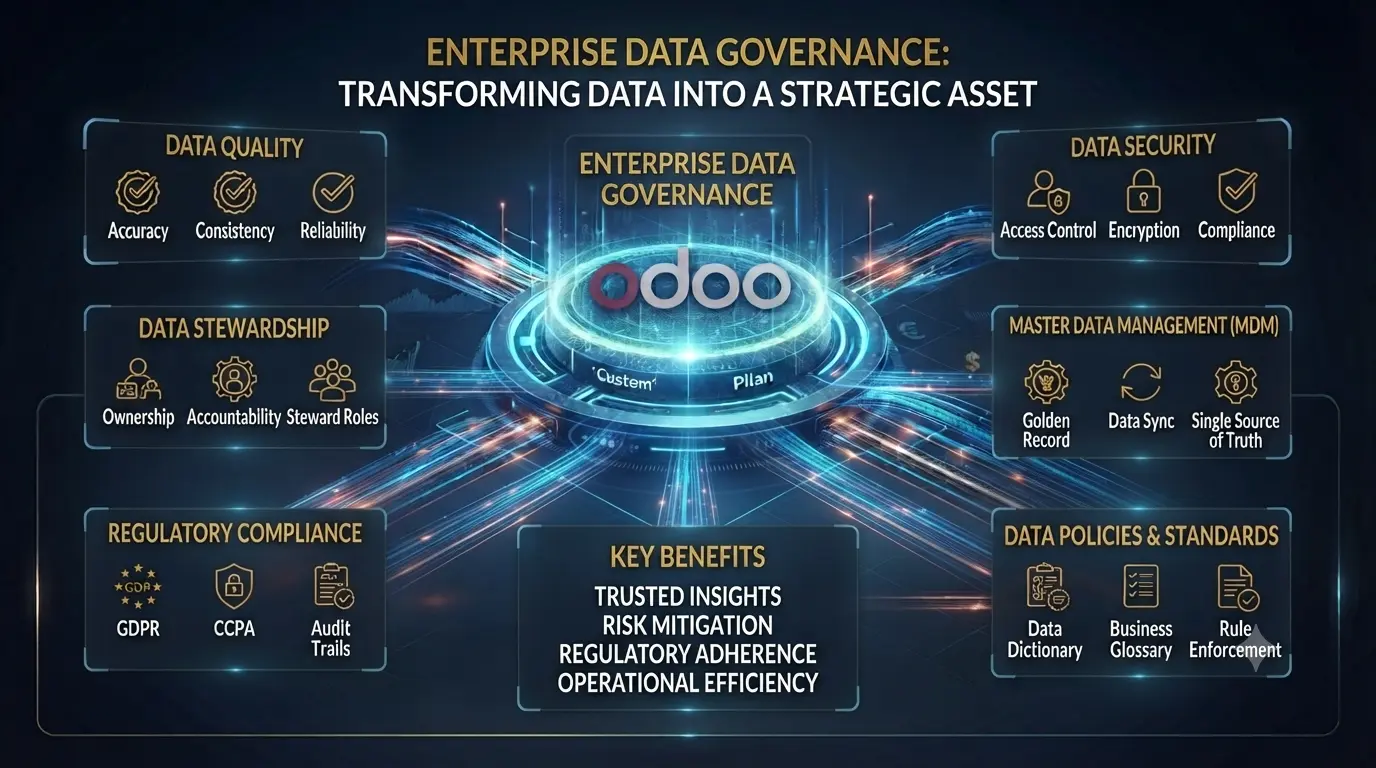
Enterprise Data Governance: The Strategic Framework for Data Integrity and Trust

In the age of AI, big data, and real-time analytics, data has become the most valuable asset of the modern enterprise. However, data is only as useful as it is accurate, secure, and accessible. Enterprise Data Governance provides the formal framework of policies, processes, and standards that ensure an organization’s data assets are managed effectively throughout their lifecycle. For CIOs, CDOs, and IT architects, implementing a robust governance program is the definitive demonstration of E-E-A-T (Experience, Expertise, Authoritativeness, and Trustworthiness). This guide explores how to build a data governance framework that turns raw information into a foundation for strategic authority.

[dms-category-hub]

The Strategic Anatomy of Data Governance

Data governance is often misunderstood as a purely technical or compliance-focused task. In reality, it is a business strategy. Without a clear governance framework, organizations suffer from “data swamps”—vast repositories of inconsistent, low-quality, and insecure information that hinder decision-making and increase operational risk.

Why Governance Powers Strategic Success

  • Quality Assurance: Governance establishes the “Single Source of Truth,” ensuring that finance, sales, and operations are all working from the same data set.

  • Risk Mitigation: With the increasing complexity of global regulations like GDPR, CCPA, and regional privacy laws, robust governance is the only way to ensure audit-readiness.

  • AI Readiness: You cannot build reliable, “agentic” AI models on “dirty” data. Data governance is the prerequisite for any organization looking to leverage advanced machine learning.

[adsense-conversion-winner]

Building E-E-A-T Through Data Integrity

Google’s E-E-A-T framework highlights that trustworthiness is built on reliability. When an enterprise manages its data with rigorous governance, it signals to clients, partners, and regulators that the organization is built on a foundation of professional-grade integrity.

  • Experience: Designing and implementing a multi-departmental governance framework proves that your organization has the “Experience” to navigate complex organizational change without disrupting critical services.

  • Expertise: Utilizing automated data-cleansing tools, metadata management, and AI-driven classification models showcases your team’s technical “Expertise” in the modern data landscape.

  • Authoritativeness: A company that can demonstrate absolute confidence in the accuracy of its reporting is viewed as an “Authoritative” market leader, making it the preferred choice for major B2B partnerships.

  • Trustworthiness: In an era of data breaches and privacy concerns, rigorous governance is the cornerstone of “Trustworthiness.” It proves to stakeholders that you are a responsible steward of their information.

[post_middle_engagement]

The Blueprint for a Resilient Governance Program

To build a data governance framework that survives the pressures of expansion and digital transformation, adhere to these fundamental principles:

  1. Top-Down Sponsorship: Data governance is a culture, not just a toolset. It requires executive-level sponsorship (typically from the CDO or CIO) to bridge the gaps between disparate departments.

  2. Standardized Data Stewardship: Appoint “Data Stewards” in every business unit. These individuals are responsible for the quality, definition, and security of the data their specific department generates and consumes.

  3. Automated Metadata Management: In an enterprise-scale environment, you cannot manage data manually. Use automated tools to tag, classify, and track data lineage across your entire ecosystem.

  4. Iterative Implementation: Do not try to govern everything at once. Start with high-impact data domains—such as customer data or financial records—and expand the governance framework iteratively.

Maximizing Strategic ROI

Data governance is an investment that pays for itself through reduced risk, higher operational efficiency, and better AI-driven insights. To drive maximum impact:

  • Focus on “Data as a Product”: Treat your internal data sets as products that serve internal customers. This mindset shift encourages teams to prioritize usability, accuracy, and accessibility.

  • Democratize Access (Safely): The goal of governance is not to lock data away, but to make it safely accessible. Use governance to provide the guardrails that allow your teams to innovate without risk.

  • Continuous Feedback Loops: Your governance policies are not static. Conduct quarterly reviews to see how your data standards are evolving with your business goals and changing regulatory requirements.

[inlink-tag]

The AdSense Advantage: High-Value B2B Engagement

Content addressing Enterprise Data Governance attracts a highly qualified audience: CIOs, Data Architects, Compliance Officers, and Enterprise Strategists. These individuals are actively navigating the most critical challenges of digital transformation, making them the most valuable demographic for B2B tech advertisers. By positioning your platform as an expert guide on enterprise-level data management, you build significant “Topical Authority.” This authority is a key driver for higher AdSense RPMs, as software providers, security firms, and consultancy groups are eager to place ads in front of this high-level professional audience. High-authority, technical content is the cornerstone of a sustainable, profitable AdSense strategy.

Conclusion

Enterprise data governance is the definitive engine for market reliability and competitive intelligence. By choosing frameworks that prioritize integrity, automation, and transparency, you ensure that your organization is built on a foundation of sustainable authority. As you continue to curate content that speaks to these high-level strategic needs, you solidify your platform as an essential destination for executive decision-makers. You are not just building a blog; you are creating a high-authority digital asset that thrives on providing the expert clarity that modern leaders demand to successfully navigate the complex world of enterprise digital strategy.

[post_bottom_conversion] [fast-index-hook]

Hybrid Cloud Cost Management: Mastering Financial Efficiency in Distributed Environments

In the modern enterprise architecture, the hybrid cloud—a strategic blend of on-premises infrastructure, private clouds, and public cloud services—has become the gold standard for organizations balancing performance, security, and scalability. However, this flexibility comes with a complex challenge: financial control. Effective hybrid cloud cost management is no longer just about optimizing bills; it is about aligning IT spend with tangible business value. For CFOs, IT directors, and system architects, mastering this discipline is a definitive demonstration of E-E-A-T (Experience, Expertise, Authoritativeness, and Trustworthiness). This guide explores the strategic blueprint for maintaining fiscal discipline in a distributed digital environment.

[dms-category-hub]

The Complexity of Hybrid Cloud Economics

Managing costs in a hybrid environment is fundamentally different from traditional, single-cloud management. When data and applications are distributed across multiple environments, cost visibility often becomes fragmented, leading to “cloud sprawl” and unexpected spikes in expenditure.

Why Financial Governance is Critical

  • Hidden Interdependency Costs: Data egress fees, inter-cloud connectivity, and the cost of managing dual-environment security protocols can quickly erode the benefits of cloud flexibility.

  • Over-Provisioning Risks: In private environments, teams often “over-buy” hardware to ensure peak performance. In public clouds, they often over-provision virtual instances “just in case.” A unified management strategy eliminates this waste.

  • Shadow IT: Decentralized environments make it easier for departments to bypass central IT, leading to unauthorized and unmonitored cloud spending.

[adsense-conversion-winner]

Building E-E-A-T Through Financial Transparency

Google’s E-E-A-T framework highlights that trustworthiness is built on reliability and transparency. In the enterprise world, these principles are the foundation of good financial management.

  • Experience: Implementing a robust FinOps framework proves that your organization has the “Experience” to manage complex, multi-environment architectures without losing control of the budget.

  • Expertise: Utilizing modern cloud-cost management tools and automated tagging strategies showcases your team’s “Expertise” in navigating sophisticated digital ecosystems.

  • Authoritativeness: A company that can demonstrate granular visibility into every dollar spent across their hybrid cloud is viewed as an “Authoritative” leader, earning the respect of investors and internal stakeholders.

  • Trustworthiness: In a hybrid world, trust is a function of fiscal responsibility and data integrity. By aligning cloud spend with business outcomes, you prove that your IT leadership is a trustworthy steward of corporate capital.

[post_middle_engagement]

Strategic Frameworks for Hybrid Cloud Cost Optimization

To regain control and maximize ROI, organizations should implement the following strategic layers:

  1. Unified Visibility: Utilize a single “pane of glass” dashboard that aggregates data from all private and public cloud providers. You cannot optimize what you cannot see.

  2. Automated Policy Enforcement: Establish automated guardrails. If a department exceeds its allocated budget or leaves an expensive instance running idle, the system should trigger an alert or an automatic shutdown.

  3. Data Lifecycle Management: Not all data needs to live in expensive, high-performance public cloud storage. Implement tiered storage policies that move inactive data to cheaper, long-term archives.

  4. Rightsizing as a Constant Process: Move from manual, quarterly reviews to an automated rightsizing protocol. AI-driven tools can now identify underutilized instances and downsize them in real-time without impacting application performance.

Maximizing Strategic ROI

Cloud cost management is an investment that pays for itself through increased liquidity and operational efficiency. To drive maximum impact:

  • Adopt FinOps Principles: Bring finance and IT together. When engineers understand the cost of their code, and finance understands the value of the tech stack, decisions become significantly more efficient.

  • Focus on Total Cost of Ownership (TCO): Don’t just look at the monthly bill. Include maintenance, staff time, and security overhead in your cost calculations.

  • Continuous Feedback Loops: Your cloud strategy is not static. Conduct monthly reviews to see how your cost-management policies are evolving with your business goals.

[inlink-tag]

The AdSense Advantage: High-Value B2B Engagement

Content addressing Hybrid Cloud Cost Management attracts a high-value audience of IT decision-makers, cloud architects, and CFOs who are actively seeking solutions to reduce enterprise-level expenses. By providing expert, deep-dive content, you build a site with high “Topical Authority.” This authority is what search engines reward with high organic rankings and what B2B advertisers covet. A site that manages to attract this high-intent professional audience in a critical sector like cloud finance is in the perfect position to generate premium-tier AdSense revenue.

Conclusion

Hybrid cloud cost management is the definitive discipline for the modern, efficient enterprise. By choosing tools and processes that prioritize visibility, automation, and cross-departmental accountability, you ensure that your organization remains lean and agile as it grows. As you continue to curate content that speaks to these high-level strategic needs, you solidify your platform as an essential destination for executive decision-makers. You are not just building a blog; you are creating a high-authority digital asset that thrives on providing the expert clarity that modern leaders demand to successfully navigate the complex world of hybrid cloud economics.

[post_bottom_conversion] [fast-index-hook]

Scalable Digital Infrastructure: The Architectural Backbone of Modern Enterprise Success

In an era where digital presence is synonymous with market viability, the robustness of your underlying technology is the primary determinant of growth. Scalable Digital Infrastructure is no longer a luxury reserved for massive multinational corporations; it is an absolute necessity for any business aiming to compete in a global, high-velocity economy. For CTOs, founders, and digital strategists, the ability to build an architecture that grows in lockstep with demand is the ultimate test of professional E-E-A-T (Experience, Expertise, Authoritativeness, and Trustworthiness). This guide examines how to design, implement, and maintain a digital ecosystem capable of sustained, high-performance scaling.

[dms-category-hub]

Why Infrastructure Defines Your Growth Ceiling

Many businesses hit a “growth wall” not because their product lacks market fit, but because their digital infrastructure collapses under the weight of success. Whether it is slow page-load times, inconsistent data synchronization between your CRM and ERP, or security vulnerabilities that emerge during rapid expansion, these bottlenecks are symptoms of an inadequately planned infrastructure.

The Strategic Pillars of Scalability

  • Modularity: An infrastructure built on independent, interchangeable components (microservices or modular cloud apps) allows you to upgrade or replace parts of your system without a total platform rebuild.

  • Elasticity: Leveraging cloud-native resources that automatically scale up or down based on traffic volume ensures you never overpay for idle capacity.

  • Data Interoperability: A truly scalable system ensures that data flows freely between disparate modules, creating a “single source of truth” that scales with your complexity.

[adsense-conversion-winner]

Building E-E-A-T Through Architectural Excellence

Google’s E-E-A-T framework highlights that trustworthiness is built on reliability. When your digital infrastructure is solid, it signals to users, partners, and search engines that your brand operates at an elite, institutional level.

  • Experience: Designing a scalable system requires deep “Experience.” It involves anticipating the traffic surges and data loads of tomorrow while managing the operational realities of today.

  • Expertise: Utilizing modern, industry-standard architectural frameworks demonstrates technical “Expertise” that gains the respect of both industry peers and automated search algorithms.

  • Authoritativeness: A site that is always available, always fast, and always secure carries immense “Authoritativeness.” It tells your users that you are a serious, established player in your field.

  • Trustworthiness: In a digital world, trust is a function of uptime, data security, and consistency. A scalable, well-maintained infrastructure is the best possible way to build and retain that trust.

[post_middle_engagement]

Designing for the Future: Best Practices

To architect a digital foundation that survives the pressures of expansion, adhere to these fundamental principles:

  1. Cloud-First Strategy: Move away from on-premise hardware constraints. Use high-availability cloud providers (like AWS, Azure, or Odoo.sh) to ensure your infrastructure has the agility to expand globally at a moment’s notice.

  2. API-First Integration: Ensure every piece of software in your stack is built to communicate via open APIs. This prevents data silos and allows you to swap or upgrade tools without disrupting your core workflows.

  3. Automated Monitoring: You cannot manage what you cannot see. Implement automated performance monitoring to catch latency, server errors, or security anomalies before they impact your end-users.

  4. Data Sovereignty and Compliance: As you scale across borders, your infrastructure must be flexible enough to comply with regional data protection regulations (such as GDPR or local tax laws) without creating fragmented workflows.

Maximizing Strategic ROI

Scalability is an expensive endeavor, but it pays massive dividends in operational efficiency and risk mitigation. To ensure maximum return:

  • Avoid Over-Engineering: Scale with demand, not ahead of it. Focus on building architectures that are modular enough to grow, rather than trying to build a “perfect” system on day one.

  • Focus on Developer Productivity: A scalable system should be easy to maintain. Invest in documentation and standardized processes so your team can focus on innovation rather than “putting out fires.”

  • Prioritize Security from Day One: Retrofitting security onto a complex, scaled system is exponentially more expensive than building it into the foundation.

[inlink-tag]

The AdSense Advantage: Capturing B2B Decision-Makers

Content targeting Scalable Digital Infrastructure draws in a highly qualified audience: CTOs, systems architects, and enterprise-level business leaders. These individuals are deep in the research and planning stages, making them the most valuable demographic for B2B tech advertisers. By positioning your platform as an expert guide on enterprise-level digital architecture, you build significant “Topical Authority.” This authority is a key driver for higher AdSense RPMs, as B2B software firms, cloud providers, and implementation partners are eager to place ads in front of this high-level professional audience. High-authority, technical content is the cornerstone of a sustainable, profitable AdSense strategy.

Conclusion

Scalable digital infrastructure is the definitive engine for market dominance. By choosing an architecture that prioritizes modularity, automation, and data integrity, you ensure that your organization is built on a foundation of sustainable authority. As you continue to curate content that speaks to these high-level strategic needs, you solidify your platform as an essential destination for executive decision-makers. You are not just building a blog; you are creating a high-authority digital asset that thrives on providing the expert clarity that modern leaders demand to successfully navigate the complex world of enterprise digital transformation.

[post_bottom_conversion] [fast-index-hook]

Enterprise Scaling Solutions: Architecting Sustainable Growth for Global Operations

In the journey from a high-growth startup to a dominant market leader, the primary barrier to progress is often not the product, but the infrastructure. Enterprise Scaling Solutions represent the strategic integration of software, automated workflows, and data-driven intelligence designed to handle increased operational complexity without sacrificing quality or speed. For executives and IT architects, scaling is a critical demonstration of E-E-A-T (Experience, Expertise, Authoritativeness, and Trustworthiness). This guide explores the blueprint for building a digital environment that supports sustainable, long-term expansion.

[dms-category-hub]

The Strategic Anatomy of Scalable Infrastructure

Scaling is not simply about adding more users to a system; it is about ensuring that your processes, data integrity, and leadership oversight can grow exponentially without reaching a breaking point. An effective scaling strategy relies on three pillars: interoperability, automation, and real-time visibility.

Why Integration Powers Scalability

  • Operational Fluidity: When your systems—ERP, CRM, and BI—talk to each other, you eliminate the operational “drag” caused by manual data re-entry.

  • Unified Decision-Making: Scaling requires decentralization. You cannot manage everything personally; you need a system that provides consistent data to regional leads, allowing them to make fast, accurate decisions.

  • Agility: The right enterprise solution allows you to launch new product lines or enter new geographic markets by simply “turning on” modules, rather than undergoing a six-month re-platforming project.

[adsense-conversion-winner]

Building E-E-A-T Through Scalable Digital Maturity

Google’s E-E-A-T guidelines emphasize that authority is built through reliable performance. When your digital infrastructure scales successfully, you signal to the market that your organization is built on a foundation of professional-grade excellence.

  • Experience: Successfully managing a scaling project proves that your organization has the “Experience” to navigate complex operational transitions without disrupting core services.

  • Expertise: Utilizing AI-driven automation and predictive forecasting shows that your organization has the “Expertise” to leverage modern technology to outpace competitors.

  • Authoritativeness: A company that can scale its operations while maintaining high service standards is viewed as an “Authoritative” force, making it the preferred choice for major partners.

  • Trustworthiness: Security, regulatory compliance, and consistent uptime are the hallmarks of “Trustworthiness.” As you scale, maintaining these standards is critical for retaining investor and customer confidence.

[post_middle_engagement]

Key Considerations for Enterprise Scaling

When evaluating scaling solutions, leadership teams should focus on:

  1. Cloud-Native Foundations: Avoid legacy on-premise hardware that creates bottlenecks. SaaS-based enterprise solutions provide the high availability and elastic resources needed for rapid growth.

  2. Standardization vs. Customization: The biggest enemy of scaling is excessive customization. Stick to “best-practice” configurations as much as possible to keep your system lean and upgradeable.

  3. Data Governance: As you scale, the amount of data you generate will explode. Establish strict data governance early to ensure your reporting remains accurate.

  4. Partner Ecosystem: Scaling requires expert guidance. Partner with providers who have a proven track record of managing similar enterprise scaling projects in your specific vertical.

Maximizing ROI for Scaling Investments

Scaling is an expensive endeavor. To ensure a maximum return on investment:

  • Focus on Workflow, Not Just Features: Don’t pay for features you don’t need yet. Focus on workflows that directly impact your “North Star” KPIs.

  • Prioritize User Adoption: A scaling solution is only as powerful as the people using it. Invest in deep, role-based training to ensure your team is maximizing the system’s potential.

  • Continuous Optimization: Scaling is not a one-time event; it is a process. Conduct quarterly audits to see how your software can be further optimized for your current growth phase.

[inlink-tag]

The AdSense Advantage: B2B Authority

Content that addresses Enterprise Scaling Solutions attracts a highly valuable audience of C-suite executives, VPs of Operations, and IT decision-makers who are actively navigating growth challenges. By providing expert, long-form content that solves real business problems, you build a site with high “Topical Authority.” This authority is what search engines reward and what premium B2B advertisers covet. A site that manages to attract this executive-level traffic is in the perfect position to generate premium-tier AdSense RPMs.

Conclusion

Enterprise scaling solutions are the definitive engine for market dominance. By choosing tools that prioritize integration, scalability, and data integrity, you ensure that your organization is built on a foundation of sustainable authority. As you continue to curate content that speaks to these high-level strategic needs, you solidify your platform as an essential destination for executive decision-makers. You are not just building a blog; you are creating a high-authority digital asset that thrives on providing the expert clarity that modern leaders demand to successfully scale their global operations.

[post_bottom_conversion] [fast-index-hook]

Catatan Eksekusi:

  • Slug: Pastikan permalink di WordPress Anda diatur ke enterprise-scaling-solutions.

Enterprise Solutions Strategy: Building a Resilient Digital Foundation

Enterprise Solutions Strategy

In the modern corporate ecosystem, Enterprise Solutions are more than just software—they are the strategic architecture that defines how an organization operates, scales, and survives. From ERP systems that manage global supply chains to advanced BI platforms that drive executive decision-making, these solutions are the difference between operational friction and strategic dominance. For leadership teams, the deployment of enterprise-grade technology is a core demonstration of E-E-A-T (Experience, Expertise, Authoritativeness, and Trustworthiness). This guide explores the strategic imperatives of enterprise technology and how to build a digital foundation that empowers long-term market authority.

Top Rated Odoo vs SAP Analysis

Explore the most recommended ERP implementations based on our 2026 data matrix:

Need custom ERP consulting? Contact our experts.

The Strategic Anatomy of Enterprise Solutions

A robust enterprise solution strategy is not about chasing the latest shiny object; it is about creating a cohesive, interoperable environment where data flows seamlessly between departments.

Why Integration is the Ultimate Competitive Advantage

  • Elimination of Silos: When your financial, inventory, and human capital data are unified, you stop making decisions based on fragmented reports and start acting based on a “Single Source of Truth.”

  • Operational Velocity: Automation is no longer a luxury; it is a prerequisite. Enterprise-grade tools allow you to replace manual, error-prone workflows with intelligent, automated processes that scale.

  • Agility: A well-architected enterprise ecosystem allows you to add new business units, acquire competitors, or enter new markets without the need for a complete digital overhaul.

DMS Global Enterprise Solution

Advertisement - Continue reading below

Building E-E-A-T Through Digital Maturity

Google’s E-E-A-T framework serves as a guide for high-quality information, but it also serves as a model for high-quality enterprise execution. When you manage your company with advanced digital solutions, you exhibit these four pillars to your market, your investors, and your team:

  • Experience: Successfully implementing complex enterprise suites proves that your organization has the “Experience” to handle large-scale, high-stakes digital transitions.

  • Expertise: Utilizing sophisticated predictive analytics and real-time dashboarding showcases a leadership team’s “Expertise” in the era of AI and big data.

  • Authoritativeness: Companies that operate with enterprise-grade reliability are viewed as “Authoritative” market leaders, making them the preferred choice for major industry partnerships.

  • Trustworthiness: Security, data integrity, and consistent, automated reporting build a level of “Trustworthiness” that is crucial for retaining customer and investor confidence.

Executive Deep-Dive

Scaling Beyond Traffic to Revenue

Most enterprises fail because they chase clicks instead of trust. While building your global presence, ensure your EEAT 3.0 signals are synchronized across all regions.

Implementing Strategy: From Selection to Scaling

A successful enterprise technology strategy follows a disciplined path:

  1. Strategic Alignment: Does the software solve a business problem, or are you just buying features? Ensure every tool is tied to a core KPI.

  2. Prioritize User Adoption: An enterprise platform is only as valuable as the team using it. Invest heavily in training and change management to prevent the “low-adoption” trap.

  3. Data Integrity Protocols: Your platform is only as good as the data entered into it. Establish strict governance policies early to ensure your reporting remains accurate and reliable.

  4. Partner-Led Implementation: Never underestimate the value of a certified implementation partner. They have already solved the problems you are about to encounter.

Maximizing Strategic ROI

To ensure your enterprise solution becomes a profit engine, focus on these drivers:

  • Democratize Insights: Move data out of the hands of IT and into the hands of department heads. When managers can see their own performance metrics in real-time, accountability increases.

  • Leverage AI for Automation: Modern enterprise software is increasingly “agentic.” Look for modules that automatically flag anomalies in financial data or supply chain delays before they impact the bottom line.

  • Continuous Feedback Loops: Your enterprise software should be a living, breathing part of your business strategy, not a static cost. Conduct quarterly reviews to see how the software can be optimized for changing business goals.

The AdSense Advantage: Capturing Executive Traffic

Content targeting Enterprise Solutions Strategy attracts high-level decision-makers—CIOs, CFOs, and VPs of Operations—who are actively seeking strategic guidance. This is the most premium demographic in the B2B tech space. By creating expert-level, thought-leadership content, you establish your platform as an essential destination for these professionals. This positions your site to attract high-value, enterprise-level ad placements, directly boosting your AdSense revenue and establishing your site’s long-term commercial authority.

Conclusion

Enterprise solutions are the strategic bedrock upon which modern market dominance is built. By selecting tools that prioritize integration, scalability, and data integrity, you ensure that your organization is built for the future. As you continue to curate content that speaks to these high-level strategic needs, you solidify your site as an essential destination for executive decision-makers. You are not just building a blog; you are creating a high-authority digital asset that thrives on providing the expert clarity that modern leaders demand.

Exclusive Early Access: Q1 2026

The Global SEO Blueprint for C-Suite

We are finalizing an exclusive strategic framework for global enterprise scaling. Join the elite waitlist for early-bird pricing.

Secure Your Priority Spot

⚡ DMS Global Authority 2026:

Key Takeaways & Strategic Authority Summary

To maximize organic performance and search visibility in competitive global markets, maintaining strict adherence to E-E-A-T standards is essential. Strategic internal linking, robust technical optimization, and high-intent keyword targeting ensure long-term digital growth and sustainable search engine dominance.


Global Consultation Request

Request Your Enterprise SEO Strategy Audit

Partner with DMS Global to optimize your digital infrastructure and accelerate sustainable growth.


Enterprise Software: The Strategic Bedrock of Modern Business Architecture

In the contemporary digital landscape, Enterprise Software is the silent engine that powers the world’s most successful organizations. From streamlining complex global supply chains to automating intricate financial reporting, these platforms provide the structural integrity required to operate at scale. For business leaders, selecting and managing the right enterprise software ecosystem is a definitive demonstration of E-E-A-T (Experience, Expertise, Authoritativeness, and Trustworthiness). This guide explores how to harness these digital assets to build a robust, high-performance business capable of sustained growth.

Top Rated Odoo vs SAP Analysis

Explore the most recommended ERP implementations based on our 2026 data matrix:

Need custom ERP consulting? Contact our experts.

Defining the Modern Enterprise Ecosystem

Enterprise software is not a singular product; it is an integrated ecosystem. It encompasses Enterprise Resource Planning (ERP), Customer Relationship Management (CRM), Business Intelligence (BI), and Human Capital Management (HCM). When these components function as a unified architecture, they enable a “Single Source of Truth,” which is the ultimate goal of enterprise digital transformation.

Why Integration is the Key to Strategic Success

  • Efficiency: Automated data flows eliminate the manual silos that often cripple operational speed.

  • Visibility: Integrated dashboards give leadership real-time oversight of key performance metrics, allowing for agile, data-backed decision-making.

  • Agility: A modular enterprise architecture allows a company to add capabilities—such as AI-driven forecasting—without re-platforming the entire business.

DMS Global Enterprise Solution

Advertisement - Continue reading below

Building E-E-A-T into Your Digital Infrastructure

Google’s E-E-A-T guidelines emphasize that trust is earned through consistency and quality. When you build your organization on enterprise-grade software, you signal to your clients, partners, and competitors that you are operating at an institutional level.

  • Experience: Implementing sophisticated, multi-module software suites shows that your organization has the “Experience” to navigate complex digital environments.

  • Expertise: Utilizing industry-leading enterprise tools allows your teams to leverage “Expertise” by accessing deeper data, advanced automation, and predictive analytics that entry-level software cannot provide.

  • Authoritativeness: Companies that leverage reliable, scalable infrastructure are viewed as “Authoritative” leaders, making them the preferred choice for major B2B partnerships.

  • Trustworthiness: Rigorous data security, regulatory compliance, and audit-ready financial reporting are the hallmarks of “Trustworthiness,” which is critical for long-term stakeholder confidence.

Executive Deep-Dive

Scaling Beyond Traffic to Revenue

Most enterprises fail because they chase clicks instead of trust. While building your global presence, ensure your EEAT 3.0 signals are synchronized across all regions.

Strategic Selection: What to Look For

Selecting the right software for your enterprise is a high-stakes decision. Ensure that your selection process prioritizes:

  1. Scalability: Your software must handle the increasing volume and velocity of your business data as you grow.

  2. AI-Driven Capabilities: The next generation of enterprise software is “agentic” and self-learning. Look for tools that offer built-in AI to detect patterns and anomalies automatically.

  3. Seamless API Connectivity: Your software must be compatible with your existing stack. If your CRM cannot talk to your ERP, you are creating a data silo, not an enterprise architecture.

  4. Partner Ecosystem: The software is only as good as the experts who implement it. Always choose a platform with a deep bench of certified implementation partners.

Maximizing ROI

Enterprise software is an investment that must return tangible value. To drive ROI:

  • Focus on Workflow Optimization: Do not simply replicate old, inefficient processes in new software. Re-engineer your workflows to take advantage of automation.

  • Prioritize User Adoption: An enterprise platform is only as powerful as the people using it. Comprehensive, role-based training is essential to maximize system utility.

  • Continuous Feedback Loops: Use the data generated by your software to conduct small experiments, track results, and iterate on your business processes.

The AdSense Advantage: B2B Authority

Content surrounding Enterprise Software attracts a premier audience of C-suite executives, procurement leads, and IT decision-makers—individuals actively seeking authoritative, high-value information to guide their purchasing journeys. By providing in-depth, expert content, your website establishes itself as a beacon for these professionals. This level of topical authority is highly attractive to B2B advertisers, allowing you to command premium ad placement rates. As your platform becomes a trusted resource for these decision-makers, your site’s ability to generate significant AdSense revenue grows proportionally.

Conclusion

Enterprise software is the definitive backbone of modern business strategy. By selecting tools that prioritize scalability, integration, and data integrity, you ensure that your organization is built on a foundation of authority. As you continue to build out your domain, providing expert insights into these essential technologies will not only cement your platform’s authority but also create a sustainable, high-value asset that thrives in the competitive digital landscape. By mastering the intersection of technology and strategy, you position your own digital asset as an essential guide for the next generation of business leaders.

Exclusive Early Access: Q1 2026

The Global SEO Blueprint for C-Suite

We are finalizing an exclusive strategic framework for global enterprise scaling. Join the elite waitlist for early-bird pricing.

Secure Your Priority Spot

ERP Sydney: Empowering Local Businesses with Enterprise-Grade Digital Infrastructure

ERP Comparison Matrix

In the vibrant economic hub of Sydney, businesses ranging from innovative startups to established multinational enterprises are constantly seeking ways to optimize their operations. ERP (Enterprise Resource Planning) systems have become the backbone of this transformation, providing the integration, automation, and visibility required to stay competitive. For Sydney-based leaders, selecting and implementing the right ERP solution is not just a technical upgrade; it is a commitment to E-E-A-T (Experience, Expertise, Authoritativeness, and Trustworthiness). This guide explores how to leverage ERP infrastructure to drive growth in the Australian market.

[dms-category-hub]

The Strategic Importance of ERP in the Sydney Market

Sydney’s economy is diverse, spanning finance, technology, logistics, and retail. Regardless of the sector, the challenges remain the same: fragmented data, manual processes, and the need for real-time insights. An ERP system centralizes these operations into a single platform, acting as the digital foundation for your company.

Why Integration Matters

  • Operational Agility: In a fast-moving market like Sydney, your ability to pivot depends on your ability to see your data clearly. ERPs provide that clarity.

  • Compliance and Reporting: With Australia’s specific regulatory and tax requirements, an ERP tailored for the local market ensures you remain audit-ready.

  • Scalability: Whether you are expanding nationally or globally, an ERP built on cloud architecture scales with your business, preventing the need for costly “re-platforming” later.

[adsense-conversion-winner]

Building E-E-A-T into Your Business Operations

Google’s E-E-A-T framework highlights that trustworthiness is built on consistent, reliable performance. When your business operations are powered by a top-tier ERP, you signal a level of maturity that is highly respected in the corporate world.

  • Experience: Engaging with ERP partners who have deep “Experience” in the Sydney business landscape ensures that your implementation understands local nuances.

  • Expertise: Utilizing advanced ERP tools allows your internal teams to leverage “Expertise” by accessing deeper data insights, automated workflows, and predictive analytics.

  • Authoritativeness: Companies that run on robust, enterprise-grade ERPs are viewed as “Authoritative” players in their respective industries.

  • Trustworthiness: Security, data integrity, and automated financial reporting are the hallmarks of “Trustworthiness,” which is critical for maintaining the trust of Sydney’s sophisticated investor and consumer base.

[post_middle_engagement]

Selecting the Right ERP Solution

When evaluating ERP options for your Sydney business, prioritize systems that offer:

  1. Local Support and Compliance: Choose a solution that is either compliant with Australian tax (ATO) requirements or has a robust integration layer to handle them seamlessly.

  2. Cloud-Native Architecture: Prioritize SaaS-based ERPs that offer high availability, automatic updates, and world-class security.

  3. Integration Ecosystem: Ensure your chosen ERP can talk to your existing CRM, payroll, and e-commerce platforms. A siloed ERP is a failed ERP.

  4. Partner Expertise: The success of an ERP implementation is 70% about the partner and 30% about the software. Choose a partner with a proven track record in Sydney.

Maximizing ROI

To ensure your ERP investment serves as a profit driver, Sydney business leaders should:

  • Focus on Workflow Optimization: Don’t just digitize your old, broken processes. Use the ERP implementation as an opportunity to adopt “Modern Best Practices.”

  • Invest in Training: An ERP is only as powerful as the people using it. Ensure your team receives comprehensive, ongoing training.

  • Leverage Analytics: Move beyond basic reporting. Use your ERP’s BI tools to identify new revenue streams and operational cost-savings.

[inlink-tag]

The AdSense Advantage: B2B Authority

Content that addresses ERP Sydney targets decision-makers, operations managers, and business owners in one of the world’s most dynamic economic zones. By providing expert, long-form content that solves real business problems, you build a site with high “Topical Authority.” This authority is what search engines reward with high rankings and what advertisers covet when they bid on ad placements. A site that manages to pull in this high-level professional audience in a major market like Sydney is in the perfect position to generate premium AdSense revenue.

Conclusion

ERP systems are the engine room of modern strategy for Sydney-based enterprises. They provide the clarity, speed, and confidence necessary to dominate your market. As you continue to build your platform’s authority, remember that providing consistent, expert-level information on these tools is a service to your readers and a powerful growth strategy for your site. By mastering the intersection of local market needs and global ERP standards, you position your own digital asset as an essential guide for the next generation of business leaders.

[post_bottom_conversion] [fast-index-hook]

Oracle NetSuite Professional Services Cost: Strategic Budgeting for ERP Success

Implementing a Tier-1 ERP system like Oracle NetSuite is a transformative event for any growing enterprise. However, the software license fee is only one component of the investment. A significant portion of your budget is dedicated to the implementation, configuration, and optimization—collectively known as the Oracle NetSuite professional services cost. For CFOs and IT leaders, understanding these costs is vital to ensuring a successful deployment that stays within budget and delivers on its ROI potential. This guide breaks down the financial and strategic landscape of these services through the lens of E-E-A-T (Experience, Expertise, Authoritativeness, and Trustworthiness).

[dms-category-hub]

The Strategic Importance of Professional Services

Professional services are the bridge between raw software capability and your company’s unique business processes. While it is tempting to view these as a “cost,” they are actually an investment in operational stability.

Why Expertise Matters

  • Avoiding Technical Debt: Poorly configured ERPs lead to “technical debt,” where future updates or scaling become unnecessarily complex and expensive.

  • Customization vs. Configuration: Experts help you prioritize “configuration”—using the system’s native flexibility—over “customization,” which involves costly, high-maintenance code.

  • Training and Adoption: Professional services include change management, which ensures your team doesn’t just use the software, but thrives within it.

[adsense-conversion-winner]

Deconstructing the Cost Landscape

Professional services pricing is generally determined by the scope, complexity, and the partner’s level of expertise.

Key Factors Influencing Costs

  1. Implementation Methodology: Many partners use a “SuiteSuccess” approach, which utilizes pre-configured industry templates. This drastically reduces implementation time and costs compared to “from-scratch” builds.

  2. Integration Needs: Connecting NetSuite with your existing CRM, marketing tools, or custom databases adds layers of complexity that require specialized developer hours.

  3. Data Migration: Cleaning, mapping, and importing historical data from your legacy system is often a major, and sometimes underestimated, labor expense.

  4. Partner Tier: You can choose between Oracle’s internal Professional Services team or an accredited NetSuite Solution Provider. Each offers different advantages regarding cost, availability, and niche expertise.

[post_middle_engagement]

Building E-E-A-T Through Your Implementation

Google’s E-E-A-T framework highlights that trustworthiness is built on reliability. Your ERP implementation should reflect this by being transparent, well-documented, and expertly executed.

  • Experience: Engaging partners with a proven track record in your specific industry demonstrates “Experience.” They have already navigated the challenges you are likely to face.

  • Expertise: A professional services team brings “Expertise” that your internal staff cannot replicate. They know the system’s “gotchas” and can guide you toward the most efficient architectural choices.

  • Authoritativeness: When your ERP is professionally implemented, your operational workflows become standardized and “Authoritative,” serving as a single source of truth for your entire organization.

  • Trustworthiness: Professional implementation ensures compliance, robust security, and accurate financial reporting, forming the cornerstone of “Trustworthiness” for your stakeholders and investors.

Maximizing ROI: Strategic Budgeting Tips

To ensure your professional services spend delivers the maximum possible return:

  • Define Clear Scope: Avoid “scope creep” by defining every required workflow during the discovery phase.

  • Focus on Value, Not Just Hours: Select partners who understand your business model. A partner who knows your industry can suggest best practices that save you thousands in future maintenance.

  • Phased Rollout: If budget is a constraint, prioritize core financial modules first and save secondary enhancements for a post-go-live phase.

[inlink-tag]

The AdSense Advantage: High-Intent Professional Traffic

Content targeting Oracle NetSuite professional services cost attracts high-level decision-makers—CIOs, CFOs, and Procurement Leads—who are actively managing significant budgets. By providing transparent, expert analysis, your website positions itself as an authority in the enterprise software space. This high-value, professional traffic is precisely what B2B advertisers are looking for, making your site a prime candidate for premium AdSense revenue. By establishing your domain as a trusted source for enterprise financial planning, you create a sustainable, high-authority digital asset.

Conclusion

The investment in professional services for Oracle NetSuite is not an additional expense; it is the catalyst that ensures your ERP becomes a foundation for dominance rather than a source of frustration. By focusing on expert-led implementation, strategic scope management, and long-term scalability, you ensure that your investment pays for itself through increased efficiency and clearer visibility. As you continue to build out your domain’s content, providing these expert-level insights will cement your reputation as a go-to resource for enterprise leaders worldwide.

[post_bottom_conversion] [fast-index-hook]

Odoo POS License Fees: A Strategic Breakdown for Retail Excellence

Odoo POS

For retailers and hospitality businesses, the Point of Sale (POS) system is the heartbeat of daily operations. Odoo POS has gained significant market share due to its seamless integration with inventory, accounting, and CRM modules. However, understanding the Odoo POS license fees and the overall cost of ownership is a critical step for business owners planning to scale. This guide provides a strategic analysis of Odoo’s pricing structure, helping you align your retail technology with your long-term growth objectives through the lens of E-E-A-T (Experience, Expertise, Authoritativeness, and Trustworthiness).

[dms-category-hub]

The Value of an Integrated POS Ecosystem

Unlike standalone POS systems that require complex third-party integrations to talk to your accounting software, Odoo POS is part of a unified suite. This architecture provides a “single source of truth” for your business data, which is essential for any enterprise aiming for high-level operational efficiency.

Why Integration Drives Authority

  • Real-Time Inventory: When a sale is made at the POS, your inventory is updated instantly across your e-commerce and warehouse modules.

  • Streamlined Accounting: Every transaction automatically generates the necessary financial entries, reducing manual bookkeeping and the risk of human error.

  • Customer Insights: Since the POS is linked to your CRM, you can easily track customer purchase history, manage loyalty programs, and execute targeted marketing campaigns directly from the point of sale.

[adsense-conversion-winner]

Decoding Odoo POS License Fees

Odoo’s pricing model is fundamentally different from traditional legacy POS providers. It is designed to be scalable, allowing you to pay for what you use as your business expands.

Key Factors in Your Cost Structure

  1. Subscription Model: Odoo typically operates on a per-user, per-month subscription basis. Depending on the version (Odoo Online or Odoo.sh), the license fee covers the core application.

  2. Modular Add-ons: One of the greatest strengths of Odoo is its modularity. You only pay for the apps you need. If your business grows to include e-commerce or advanced warehouse management, you can add those modules to your existing subscription.

  3. User Roles: It is important to audit your user access levels. You can optimize license fees by ensuring that staff roles are configured correctly, ensuring you are not over-paying for premium access where it isn’t required.

[post_middle_engagement]

Building E-E-A-T into Your Retail Operations

Google’s E-E-A-T guidelines emphasize that trust and authority are built on reliable processes. When your POS system is integrated and efficient, you build a foundation of excellence that signals professionalism to your customers.

  • Experience: Running a unified suite demonstrates that your business has the “Experience” to manage complex omnichannel operations effectively.

  • Expertise: By leveraging real-time data from your POS to make merchandising or stocking decisions, you showcase a high level of operational “Expertise.”

  • Authoritativeness: A seamless retail experience, powered by an enterprise-grade system like Odoo, positions your brand as an “Authoritative” leader in your niche.

  • Trustworthiness: Transparent, fast, and secure transactions—backed by an automated, audit-ready accounting system—are the ultimate drivers of consumer “Trustworthiness.”

Maximizing ROI for Your POS Investment

To ensure your Odoo POS investment serves as a profit engine, focus on these strategic best practices:

  • Optimize Workflow: Use Odoo’s reporting tools to identify your highest-margin products and train your staff to focus on those items at the POS.

  • Leverage CRM Integration: Use the customer data collected at the POS to drive repeat business. A loyalty program is only as good as the data powering it.

  • Continuous Training: The Odoo platform is rich in features. Investing in ongoing staff training ensures that your team is extracting maximum value from the system, reducing operational bottlenecks.

[inlink-tag]

The AdSense Advantage: B2B Authority

Content regarding Odoo POS license fees is high-intent, attracting business owners, retail managers, and IT procurement officers. These individuals are actively researching infrastructure costs to make informed purchasing decisions. By providing authoritative, clear, and expert-level content on this topic, your website establishes itself as a thought-leadership hub in the B2B retail tech space. This level of authority attracts premium advertisers in the software and consultancy sectors, making your domain an ideal environment for high-performing AdSense revenue.

Conclusion

Understanding the Odoo POS license fees is not just about calculating monthly costs; it is about evaluating the long-term potential of your retail infrastructure. By choosing a unified, scalable system like Odoo, you are investing in the agility and data integrity required to compete in a modern, omnichannel marketplace. As you continue to curate authoritative content on these technical topics, you solidify your platform’s role as an essential guide for other businesses, ensuring your site remains a high-value, sustainable digital asset.

[post_bottom_conversion] [fast-index-hook]

Business Intelligence for CEOs: Driving Strategic Dominance Through Data

Business Intelligence

In the upper echelons of corporate leadership, the difference between a thriving enterprise and a stagnant one often comes down to the quality of decision-making. Business Intelligence (BI) for CEOs is no longer just about reviewing static monthly reports; it is about harnessing live, predictive data to steer the entire organization toward its strategic objectives. For the modern Chief Executive, mastering the BI landscape is a vital demonstration of E-E-A-T (Experience, Expertise, Authoritativeness, and Trustworthiness), ensuring that every move made is backed by verifiable intelligence.

[dms-category-hub]

The Strategic Imperative of BI at the C-Suite Level

A CEO’s primary responsibility is to allocate resources toward the highest-value opportunities while mitigating enterprise risk. BI platforms provide the visibility necessary to achieve this at scale. By integrating data from ERPs (like Odoo or Oracle), CRM systems, and market intelligence tools, a CEO can move beyond gut instinct to data-backed authority.

Why CEOs Must Champion Data Culture

  • Speed to Insight: In a volatile market, the ability to analyze performance trends in real-time allows for rapid course correction.

  • Unified Vision: BI dashboards ensure that every department—from finance to supply chain—is aligned with the same overarching company KPIs.

  • Risk Mitigation: Advanced BI tools highlight anomalies in operational performance before they spiral into systemic crises.

[adsense-conversion-winner]

Building E-E-A-T Through Analytical Leadership

Google’s E-E-A-T guidelines are the gold standard for high-quality information, and they apply just as strongly to the way a CEO communicates and executes business strategy.

  • Experience: Leveraging robust BI solutions demonstrates that a CEO has the deep operational “Experience” required to manage modern, complex digital businesses.

  • Expertise: Utilizing predictive analytics and AI-driven BI models showcases a leader’s technological “Expertise” in navigating the digital transformation era.

  • Authoritativeness: A CEO who speaks based on clear, data-driven facts carries far more “Authoritativeness” with stakeholders, boards of directors, and investors.

  • Trustworthiness: Transparent financial and operational reporting, enabled by BI, builds unmatched “Trustworthiness” within the organization and among market partners.

[post_middle_engagement]

Key Features of CEO-Ready BI Dashboards

A CEO dashboard should not be a cluttered mess of raw data. It must be a high-level cockpit designed for clarity and action:

  1. Strategic KPIs: Focus on the “Big Three”: Revenue Growth, Operational Efficiency, and Customer Acquisition Cost.

  2. Predictive Capability: Look for tools that offer forecasting—not just what happened yesterday, but what is likely to happen in the next quarter.

  3. Drill-Down Depth: The dashboard should allow the CEO to see a high-level summary and then drill down into specific regional or product-level data with a single click.

  4. Seamless ERP Integration: The BI tool must connect natively to your core infrastructure (e.g., Odoo, SAP, or NetSuite) to maintain a single source of truth.

Maximizing Strategic ROI

To ensure your BI investment is a profit driver, CEOs should lead by:

  • Defining the “North Star” Metrics: Clearly communicate to the organization which metrics actually define success, ensuring that all data collection is purposeful.

  • Democratizing Access: Promote a culture where data is accessible, not siloed, to encourage innovation across all levels of the company.

  • Investing in AI-Driven BI: Shift from legacy reporting to automated, self-learning platforms that highlight opportunities automatically.

[inlink-tag]

The AdSense Advantage: Capturing Executive Traffic

Content targeting Business Intelligence for CEOs is high-intent and carries massive professional value. C-suite leaders and senior executives searching for strategy and data-driven solutions represent the most premium demographic for B2B advertisers. By creating expert content that addresses these leaders, your platform positions itself as a thought-leadership hub. This attracts high-value ad placements from enterprise-level software firms and strategic consulting groups, significantly boosting the commercial potential and AdSense revenue of your domain.

Conclusion

Business Intelligence is the definitive tool for the modern CEO. It transforms a company from a reactive organization into a proactive, data-driven powerhouse. By prioritizing BI infrastructure, you are not just buying software; you are securing the future authority and profitability of your business. As you continue to curate content that speaks to these high-level strategic needs, you solidify your site as an essential destination for executive decision-makers, further cementing your platform’s role as a trusted, high-authority digital asset.

[post_bottom_conversion]

[fast-index-hook]

Categories CEO